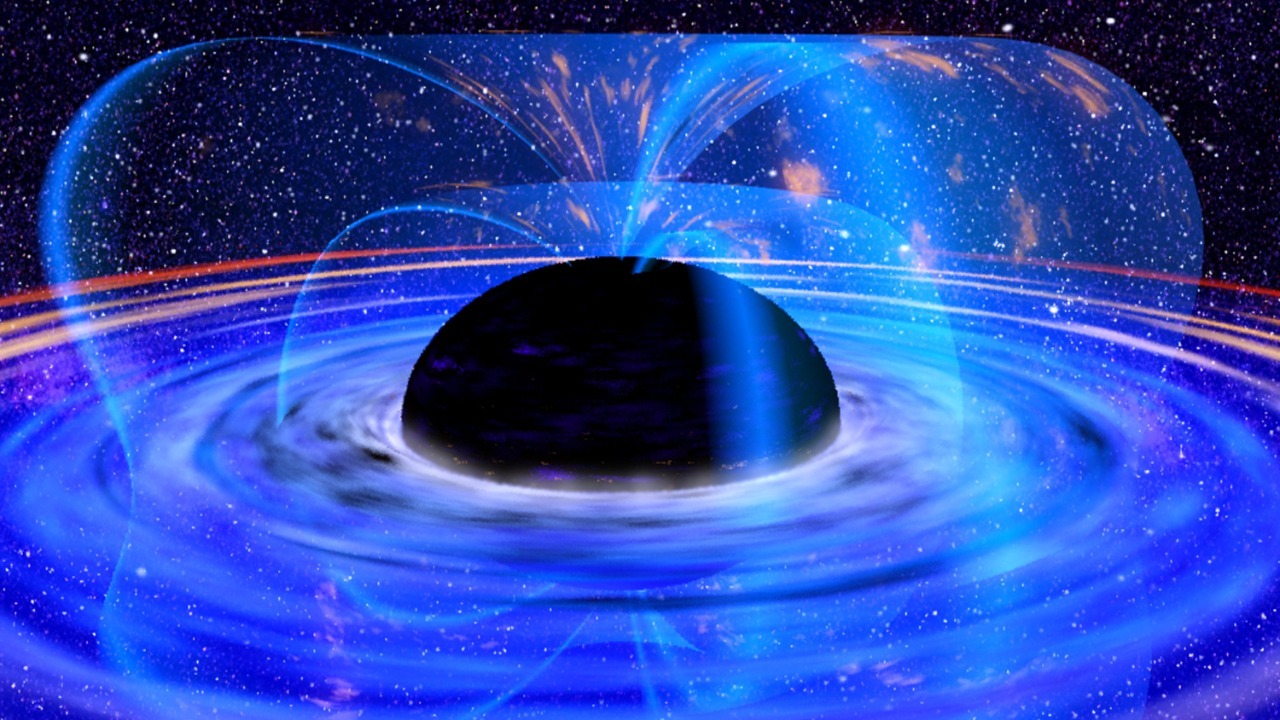

Recently, scientists have made a groundbreaking discovery: they have detected sounds emanating from black holes, challenging our understanding of these enigmatic cosmic entities. This revelation stems from the analysis of gravitational waves and advanced audio processing techniques, providing new insights into the nature and behavior of black holes.
The Significance of Detecting Sound from Black Holes
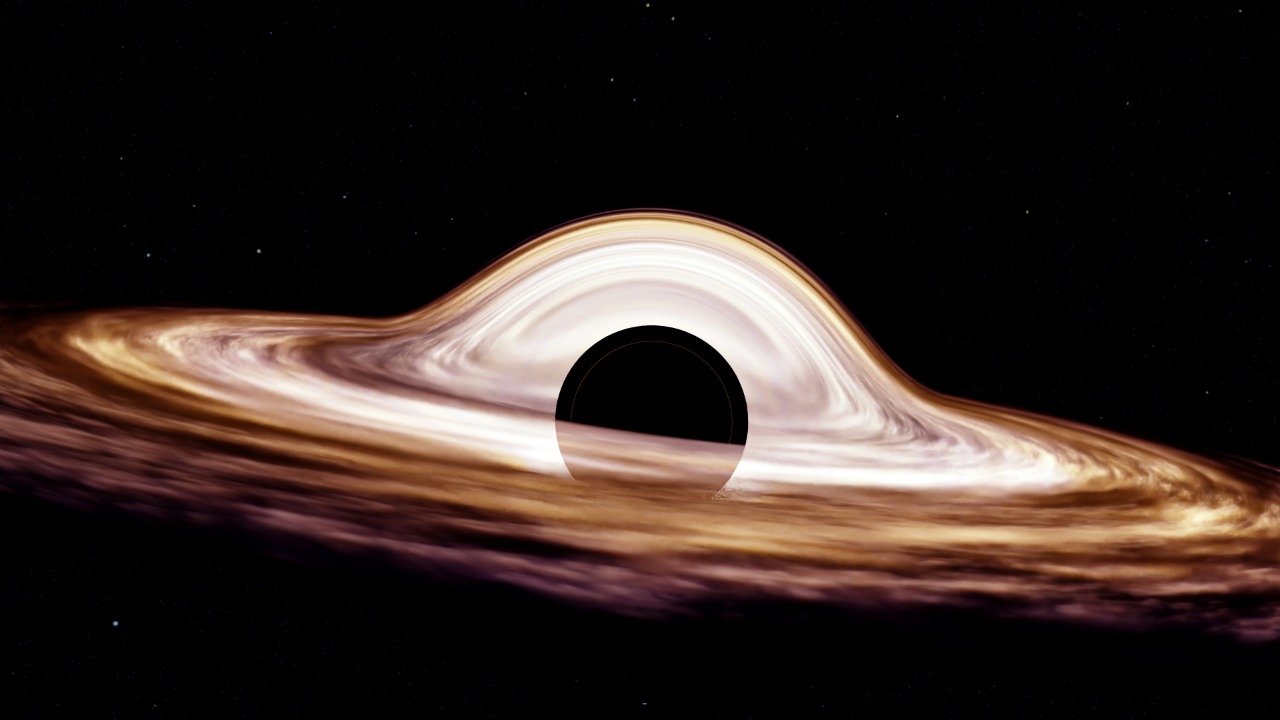
The detection of sound from black holes marks a significant advancement in astrophysics, offering a new dimension through which we can explore these mysterious objects. By converting gravitational waves into audible sounds, scientists are able to interpret the intricate dynamics occurring in and around black holes. This conversion process involves sophisticated algorithms that translate the signal data into frequencies within the range of human hearing, allowing us to ‘listen’ to the universe in ways previously thought impossible.
Such auditory data could revolutionize our understanding of black holes and their environments. The ability to detect sound waves opens up opportunities for discovering hidden aspects of black holes, such as the interactions between different cosmic entities in their vicinity. These findings could lead to breakthroughs in comprehending the origins and evolution of black holes, potentially unveiling new insights about the universe’s formation. As we continue to harness this technology, the potential for groundbreaking discoveries remains immense, with each sound offering a new clue to the universe’s enigmatic nature.
Understanding Gravitational Waves and Black Hole Mergers
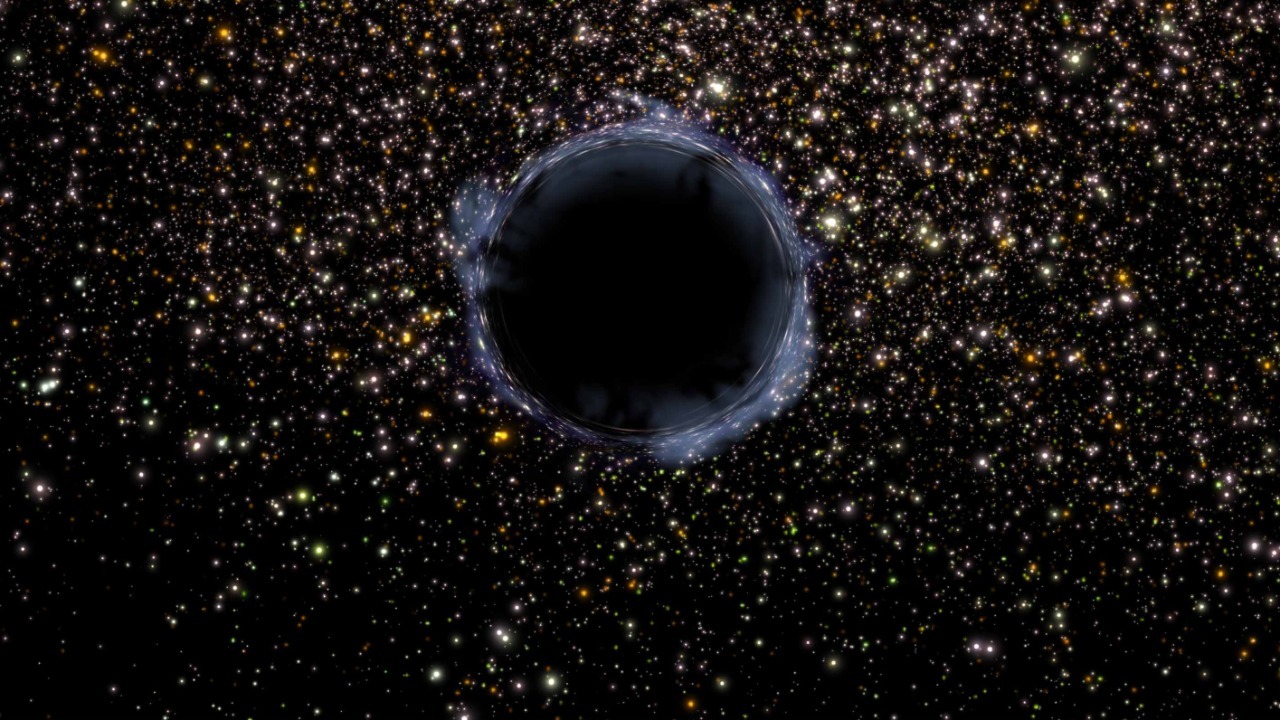
Gravitational waves play a crucial role in our ability to detect sounds from black hole mergers. These ripples in spacetime, first predicted by Albert Einstein, are created when massive celestial bodies, like black holes, collide and merge. The energy released during these cosmic events is so powerful that it sends waves across the universe, which can be detected by instruments on Earth. This phenomenon was recently highlighted when scientists observed the most massive black hole merger ever detected.
Gravitational wave observations have transformed our understanding of black hole research, providing unparalleled insights into these celestial phenomena. By studying the signals from black hole mergers, scientists can construct models that explain the properties and behaviors of these cosmic giants. This knowledge not only enhances our comprehension of black holes themselves but also enriches our understanding of the universe’s structure and evolution. The continuous refinement of gravitational wave detection techniques promises to unveil even more about the hidden activities within our cosmos.
The Technology Behind Capturing Black Hole Sounds

The technology enabling the capture and interpretation of black hole sounds is both intricate and cutting-edge. Advanced detectors, such as LIGO (Laser Interferometer Gravitational-Wave Observatory) and Virgo, are pivotal in identifying gravitational waves. These instruments utilize highly sensitive laser interferometry to detect minute disturbances in spacetime, resulting from cosmic events like black hole mergers. Once detected, these signals undergo complex processing to convert them into sound waves audible to the human ear.
NASA has played a significant role in publicizing these sounds, releasing audio clips of black holes that have captivated public interest and sparked scientific curiosity. These releases, shared on platforms like Reddit, have allowed people worldwide to experience the awe-inspiring phenomena of space through sound. As technology advances, we can expect further developments in this field, with future instruments offering even greater precision in capturing and interpreting the sounds of the universe.
Theoretical and Cultural Implications

From a theoretical perspective, the ability to hear sounds from black holes challenges our current understanding of physics and cosmology. The sounds provide new data points for theoretical models, potentially leading to revisions in our understanding of gravity, spacetime, and even the fundamental laws of physics. The implications extend beyond the scientific realm, influencing philosophical discussions about the nature of reality and our place within the universe.
Different cultures and societies have varied interpretations of the concept of sound in space. Cultural anthropology journals, such as Cultural Anthropology, explore how societies perceive cosmic sounds and their significance. For instance, some cultures might view these sounds as celestial music, while others may interpret them as cosmic messages or omens. These interpretations reflect humanity’s diverse perspectives on the universe and its mysteries.
The ability to “hear” black holes raises profound philosophical questions about the universe and humanity’s role within it. It challenges us to contemplate the interconnectedness of cosmic phenomena and our capacity to perceive them. As we continue to explore this frontier, we are reminded of the vastness of the universe and the ever-evolving nature of our understanding—an understanding that is both humbling and inspiring, offering endless possibilities for discovery.