

In recent years, the aviation industry has been taking strides toward sustainability, leading to the adoption of experimental fuels. However, many planes have started using these alternative fuels without adequately disclosing their use to the public. The implications of this lack of transparency could impact both the environment and passengers in significant ways.
The Rise of Experimental Aviation Fuels
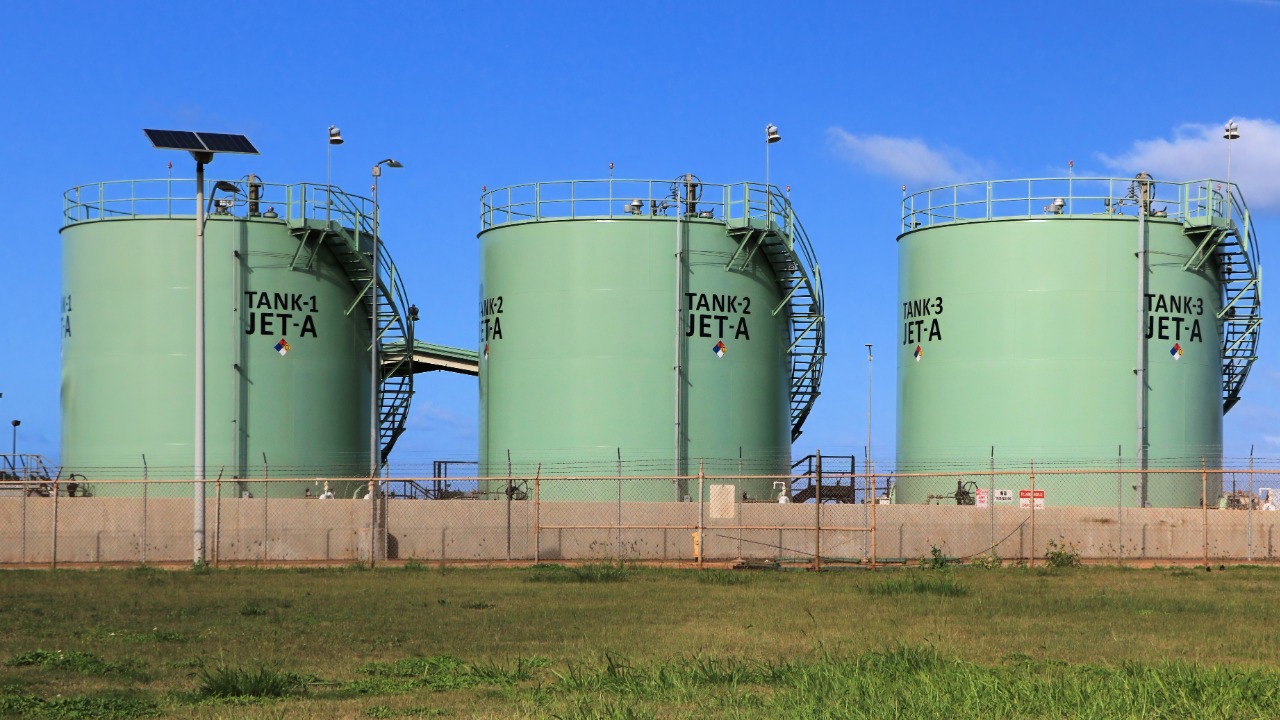
Experimental aviation fuels, often crafted from renewable sources such as algae, waste oils, or even carbon-capture technologies, represent a burgeoning field within the airline industry. These fuels aim to reduce the carbon footprint of air travel by offering a cleaner alternative to traditional jet fuel. The intended benefits are substantial: reduced greenhouse gas emissions, decreased reliance on fossil fuels, and potential cost savings in the long term. The aviation sector, known for its significant environmental impact, sees these fuels as a potential game-changer in its quest for sustainability.
The evolution of alternative fuels in aviation has been marked by significant milestones. As early as the 2000s, airlines began testing biofuels on commercial flights, with notable examples including Virgin Atlantic’s 2008 test flight using a biofuel blend. Since then, developments have accelerated, with companies like Boeing and Airbus investing heavily in research and development. Current trends indicate a growing acceptance and integration of these fuels into regular airline operations, driven by both technological advancements and increasing environmental awareness.
Airlines are motivated to adopt experimental fuels for several reasons. Cost considerations play a crucial role; as the technology matures, alternative fuels may become more economically viable than their fossil-based counterparts. Additionally, stringent environmental legislation and the desire to present a greener public image compel airlines to explore sustainable options. Adopting experimental fuels can serve as a powerful public relations tool, showcasing an airline’s commitment to environmental responsibility.
Lack of Transparency in the Aviation Industry

Despite the potential advantages of experimental fuels, the aviation industry faces significant scrutiny over its transparency practices. Current regulations governing fuel disclosure are often vague and insufficient, creating a landscape where airlines can operate without fully informing the public of the changes in fuel types. For instance, the International Civil Aviation Organization (ICAO) provides guidelines, but these are not always enforceable at the national level, leading to inconsistent practices across regions.
Airlines have varied approaches to disclosing fuel usage. While some may highlight their sustainable initiatives in marketing campaigns, the specifics of fuel types used on flights are rarely communicated directly to passengers. This lack of transparency creates a discrepancy between public perception and actual practice, potentially eroding trust between airlines and their customers. Passengers board flights unaware of what fuels are powering their journeys, raising questions about informed consent and consumer rights.
The consequences of nondisclosure can be significant. Without proper communication, passengers may unknowingly face potential safety concerns associated with new fuel technologies. Moreover, the environmental impact of these fuels, while generally positive, can vary based on their composition and production methods. The lack of transparency prevents scrutiny of these factors, hindering a comprehensive understanding of their true benefits and drawbacks.
Environmental and Economic Implications
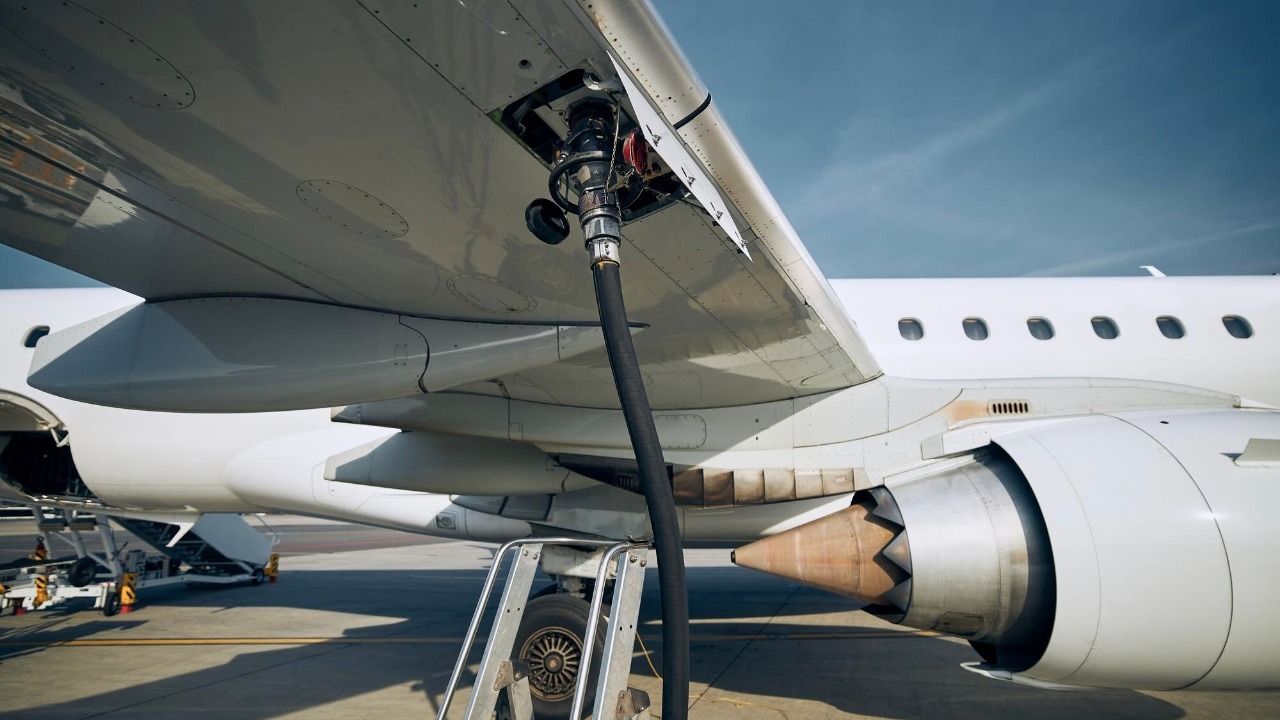
From an environmental perspective, experimental fuels offer both promising benefits and potential challenges. On the positive side, these fuels have been shown to reduce carbon emissions significantly compared to traditional jet fuel. Studies indicate that lifecycle emissions could be cut by up to 80%, depending on the feedstock and production methods. However, the environmental impact is not universally positive. Some biofuels may contribute to deforestation or compete with food crops, potentially offsetting their carbon savings. Detailed analyses, such as those found in academic studies, are essential to assess these impacts accurately.
Economically, the adoption of experimental fuels presents both opportunities and challenges for airlines. While initial costs of research and infrastructure can be high, the potential for long-term savings exists as production scales and technologies improve. Airlines could benefit from reduced fuel costs and enhanced brand reputation, attracting environmentally conscious consumers. However, the transition period may also involve significant financial risk, particularly if the fuels fail to deliver promised efficiencies.
Public perception plays a crucial role in the success of experimental fuel adoption. The lack of disclosure can lead to accusations of greenwashing, where airlines are perceived as exaggerating their environmental efforts without substantive action. This perception can undermine public trust, making it imperative for airlines to adopt transparent and honest communication strategies regarding fuel usage.
Legal and Ethical Considerations

Legally, airlines have a responsibility to ensure transparency in their operations, including the fuels they use. Failure to meet these obligations can result in regulatory penalties and damage to corporate reputation. The legal landscape varies globally, with some countries enforcing stricter disclosure requirements than others. For instance, the European Union has been at the forefront of implementing comprehensive environmental regulations for the aviation industry, setting a potential benchmark for other regions to follow.
Ethical considerations extend beyond legal obligations, touching on broader issues of consumer rights and environmental stewardship. Passengers have a right to know the environmental impact of their travel choices, and airlines have a duty to provide this information. The ethical dimensions of nondisclosure are particularly pressing as public awareness of environmental issues grows. Airlines must balance their commercial interests with the ethical imperative to contribute positively to environmental sustainability.
Learning from other industries or countries can offer valuable insights into managing experimental fuel use. For example, the automotive sector has implemented rigorous disclosure practices for electric and hybrid vehicles, providing consumers with detailed information on energy sources and environmental impacts. These practices could serve as a model for the aviation industry, promoting greater transparency and consumer trust.
Future of Sustainable Aviation Fuels
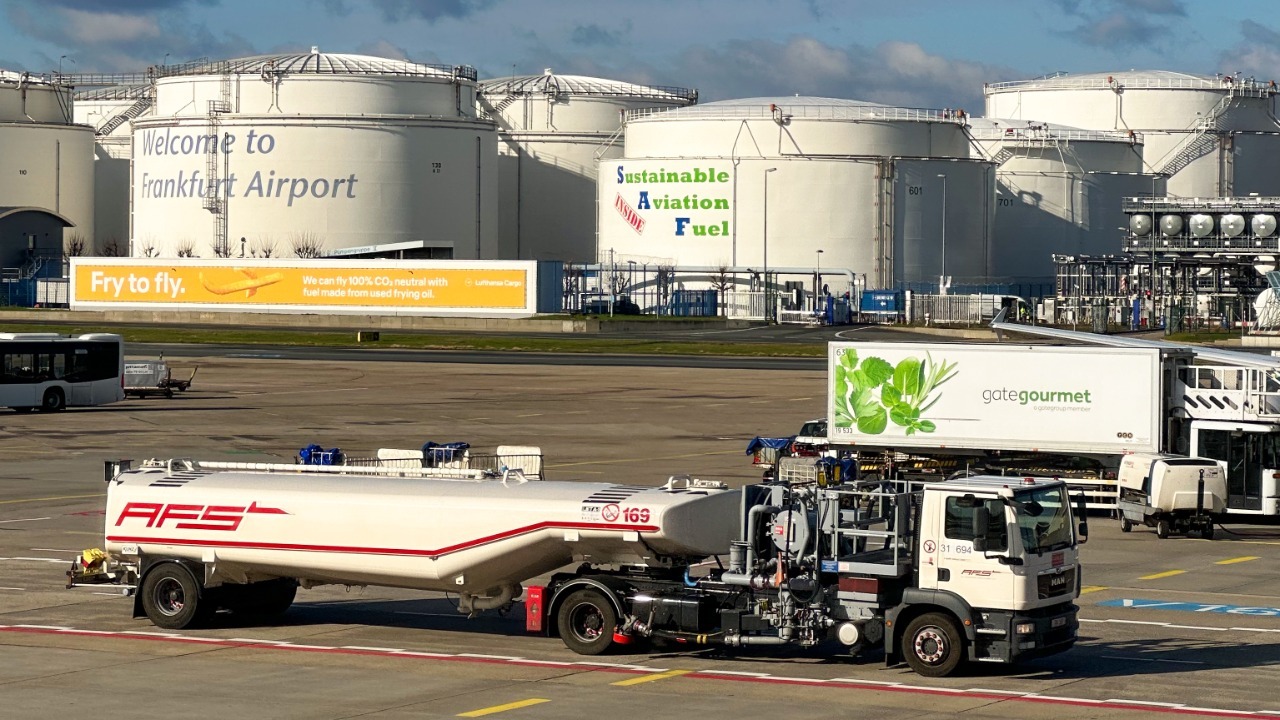
The future of sustainable aviation fuels is intertwined with technological advancements and policy developments. Ongoing research, as highlighted in resources like academic journals, explores innovative approaches to fuel production, such as using waste materials or capturing carbon emissions. These technologies hold the potential to further reduce environmental impact and enhance the viability of alternative fuels.
Policy recommendations are crucial to fostering a transparent and sustainable aviation industry. Governments and regulatory bodies must establish clear guidelines for fuel disclosure, ensuring that airlines communicate their fuel choices openly. Industry standards could also be developed, promoting best practices and encouraging airlines to adopt sustainable fuels responsibly. Collaborations between governments, airlines, and research institutions can drive progress, creating a framework for ongoing innovation and transparency.
The long-term outlook for sustainable aviation fuels is promising, with challenges and opportunities on the horizon. As the industry continues to evolve, the integration of experimental fuels will likely become more widespread. However, addressing transparency issues remains critical to ensuring public trust and maximizing the environmental benefits of these innovations. By embracing both technological advancements and ethical considerations, the aviation industry can pave the way for a more sustainable future.