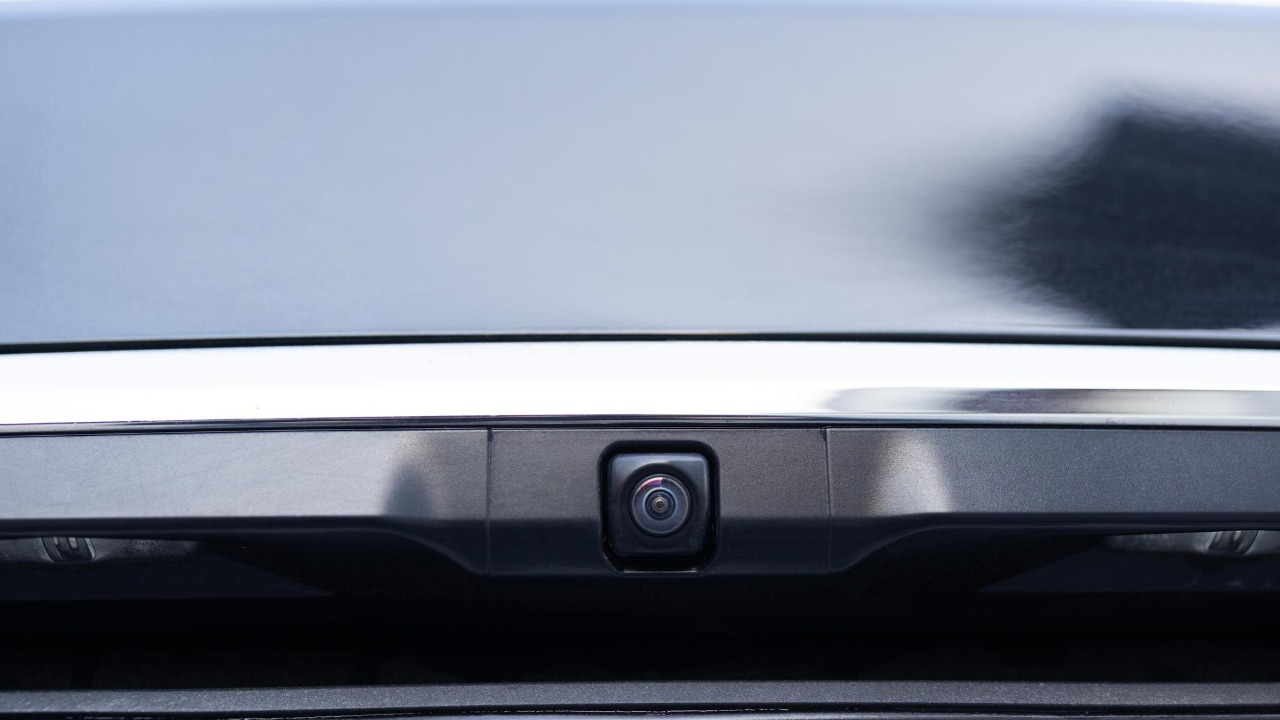

With technological advancements becoming a staple in modern vehicles, many car owners are surprised to discover hidden cameras now standard in new models. While these devices promise enhanced safety and convenience, they also raise concerns over privacy and data security. Today’s drivers are navigating a landscape where their personal space and data are under constant observation, raising important questions about the balance between innovation and privacy.
Understanding Hidden Camera Technology in Cars
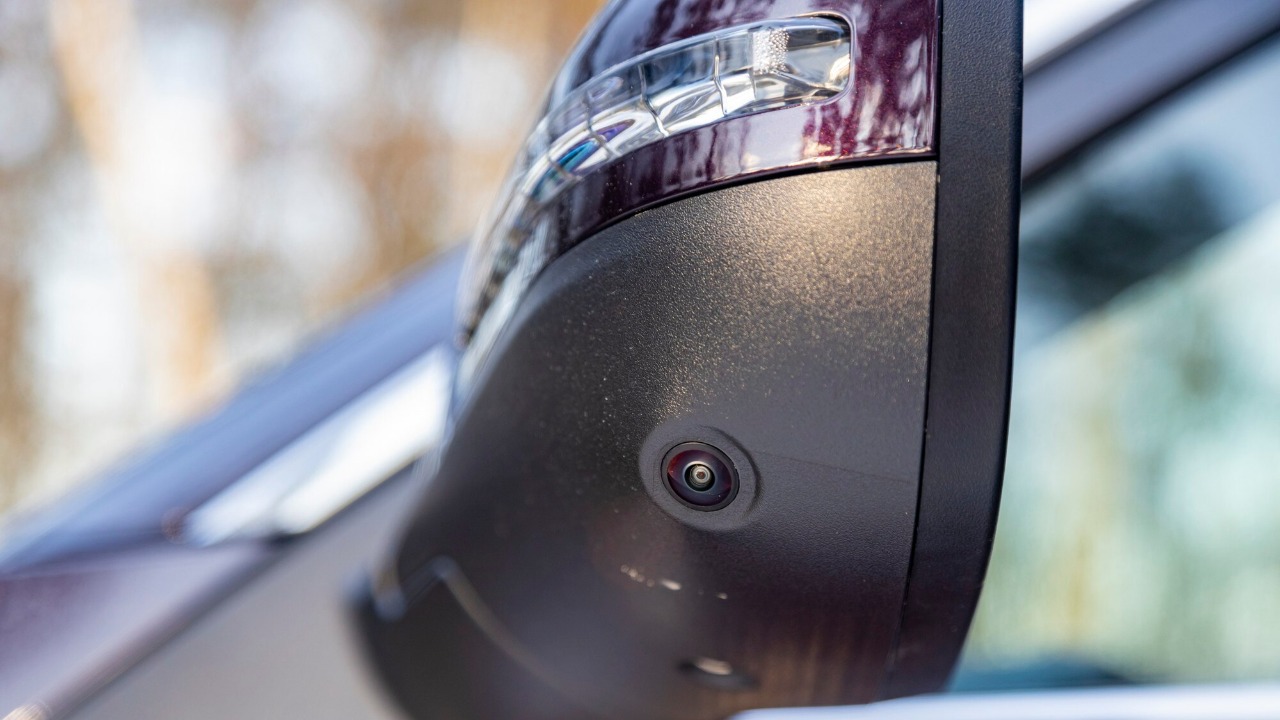
Hidden camera technology in cars is becoming increasingly common, often integrated into various parts of the vehicle to assist with functions such as driver assistance and safety monitoring. These cameras are typically embedded in the dashboard, rearview mirrors, or even in car seats, providing a comprehensive view of the vehicle’s interior and exterior. This integration aids in various functions like lane-keeping assistance, collision warning, and even monitoring driver alertness. The goal is to enhance safety by reducing human error, which is often a significant factor in road accidents.
The evolution of car technology has been rapid, moving from simple dashboard cameras that merely recorded the journey to sophisticated systems capable of real-time analysis and feedback. A few years back, features like rearview cameras were considered a luxury; now, hidden cameras are becoming standard. Manufacturers like Tesla, BMW, and Mercedes-Benz are at the forefront of this trend, embedding these systems in models such as the Tesla Model 3 and the BMW 7 Series. These cameras are not just about safety but also about providing a seamless driving experience through features like autonomous driving and enhanced navigation.
Privacy Concerns and Legal Implications

One of the primary concerns with the proliferation of hidden cameras in cars is data collection and usage. These cameras collect a wide array of data, from video footage of the car’s surroundings to detailed records of driver behavior. This data can be invaluable for manufacturers looking to improve their systems but can also be sold to third parties for marketing and other purposes. The lack of transparency around what data is collected and how it’s used has raised significant privacy concerns among consumers.
The legal framework surrounding surveillance technology in vehicles is still evolving. In many countries, laws around data privacy and surveillance are not yet fully equipped to handle the intricacies of in-car camera systems. For instance, while the General Data Protection Regulation (GDPR) in Europe provides a foundation for data protection, its application to vehicle data is still being debated. Meanwhile, consumer pushback is growing, with movements and lawsuits advocating for more stringent privacy protections. The recent case of a California lawsuit against a major automaker highlights the growing discontent among consumers.
Benefits and Drawbacks of In-Car Cameras
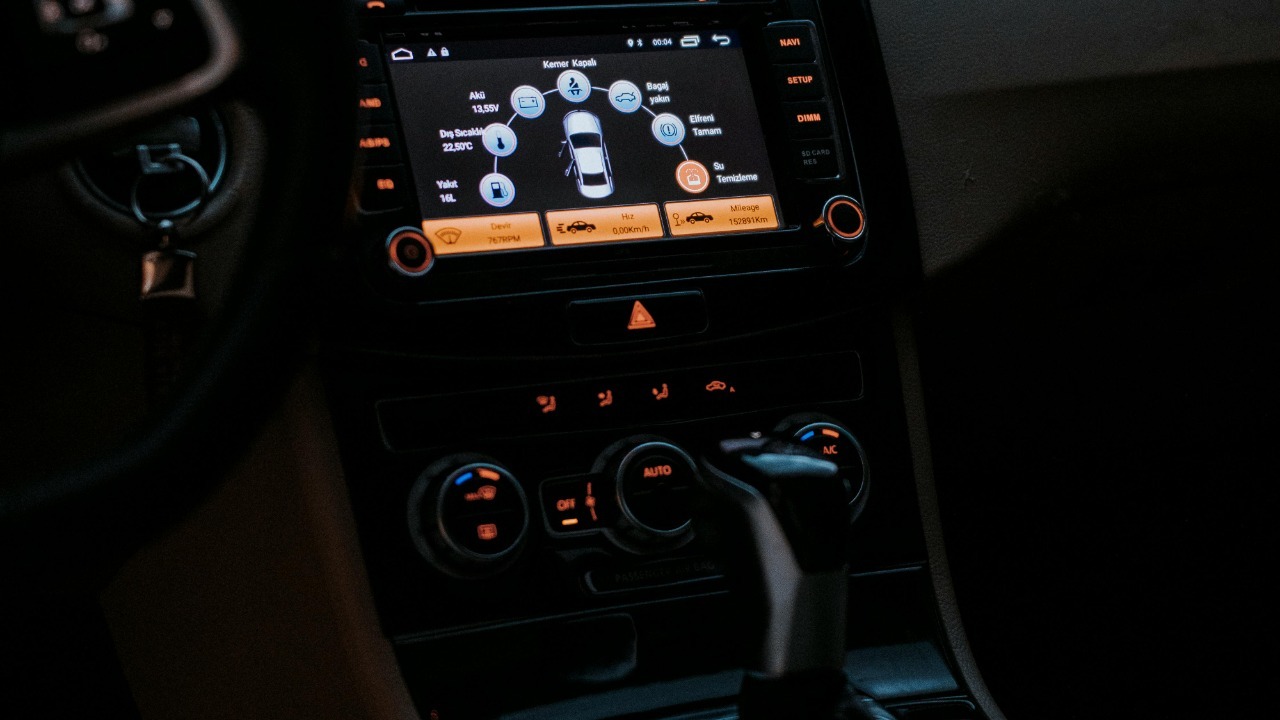
In-car cameras offer significant safety enhancements, playing a crucial role in accident prevention and driver assistance features. Systems like Subaru’s EyeSight use cameras to monitor the road and provide automatic braking assistance, which can potentially reduce road fatalities. Moreover, these cameras also facilitate post-accident analysis, providing clear evidence in the event of disputes. However, these benefits come with a cost. The real cost of replacing components like windshields integrated with camera technology can be significantly higher, impacting overall car maintenance costs.
Beyond financial implications, ethical considerations also arise. The use of surveillance technology in personal vehicles prompts a debate between the need for safety and the right to privacy. While the cameras can deter reckless driving and enhance security, they also intrude into personal space, recording moments that were once private. This raises questions about how far technology should go in monitoring individuals’ daily lives and whether the trade-off between safety and privacy is justified.
Industry Perspective and Future Trends
From the automotive industry’s perspective, the integration of hidden cameras is seen as a necessary evolution to meet consumer demand for safer and more advanced vehicles. Manufacturers argue that these systems are critical in developing autonomous driving technologies and improving overall vehicle performance. The industry’s stance is that the benefits in terms of safety and innovation outweigh the privacy concerns, provided that data is handled responsibly.
Looking ahead, technological advancements in in-car camera systems are expected to continue. Future developments might include even more sophisticated AI-driven analysis, capable of recognizing driver emotions or predicting potential hazards with greater accuracy. As these technologies evolve, the driving experience will likely become more automated and intuitive, although this will also necessitate ongoing discussions about privacy and data security. Consumer adaptation to these changes is varied; while some embrace the new technology, others remain skeptical, concerned about the implications for their personal data.
Practical Advice for Car Owners

For car owners, understanding and adapting to hidden camera systems is crucial. Identifying these cameras can be straightforward if you know where to look. Typically, they are integrated into the vehicle’s infrastructure, such as in the dashboard or near the rear-view mirror. Checking the car’s manual or consulting with the dealership can provide clarity on the camera’s locations and functions.
To protect personal data, car owners should explore the settings of their vehicle’s infotainment system, often accessible through the car’s dashboard interface. Many systems offer privacy settings that can be adjusted to limit data sharing. Additionally, utilizing privacy tools and staying informed about the manufacturer’s data policies can help safeguard personal information. It’s also advisable to engage with manufacturers directly, seeking clarity on how your data is used and advocating for greater transparency. Proactive communication can lead to better understanding and potentially influence future data handling practices.