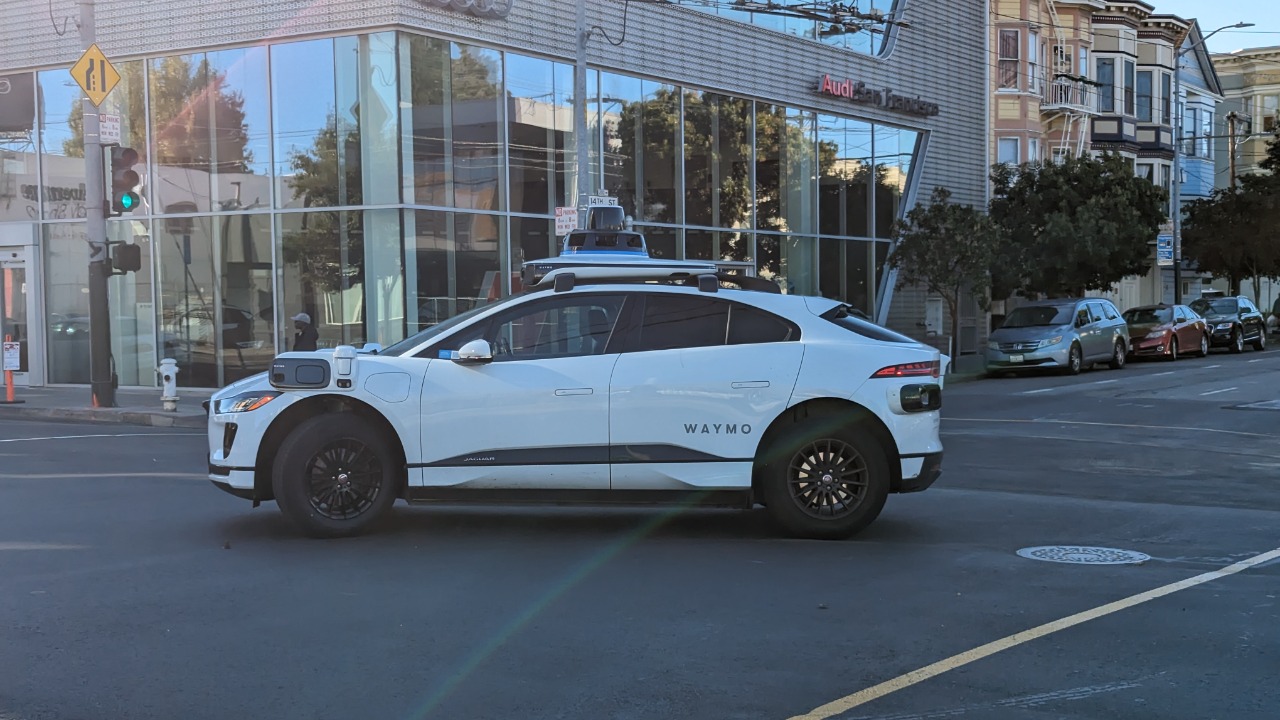

Waymo, a subsidiary of Alphabet, the parent company of Google, has achieved a significant milestone by obtaining the first permit to test self-driving cars in New York City. The advent of a driverless future appears to be on the horizon, and this development could have far-reaching implications for the city’s urban landscape.
Waymo’s Step into the Future
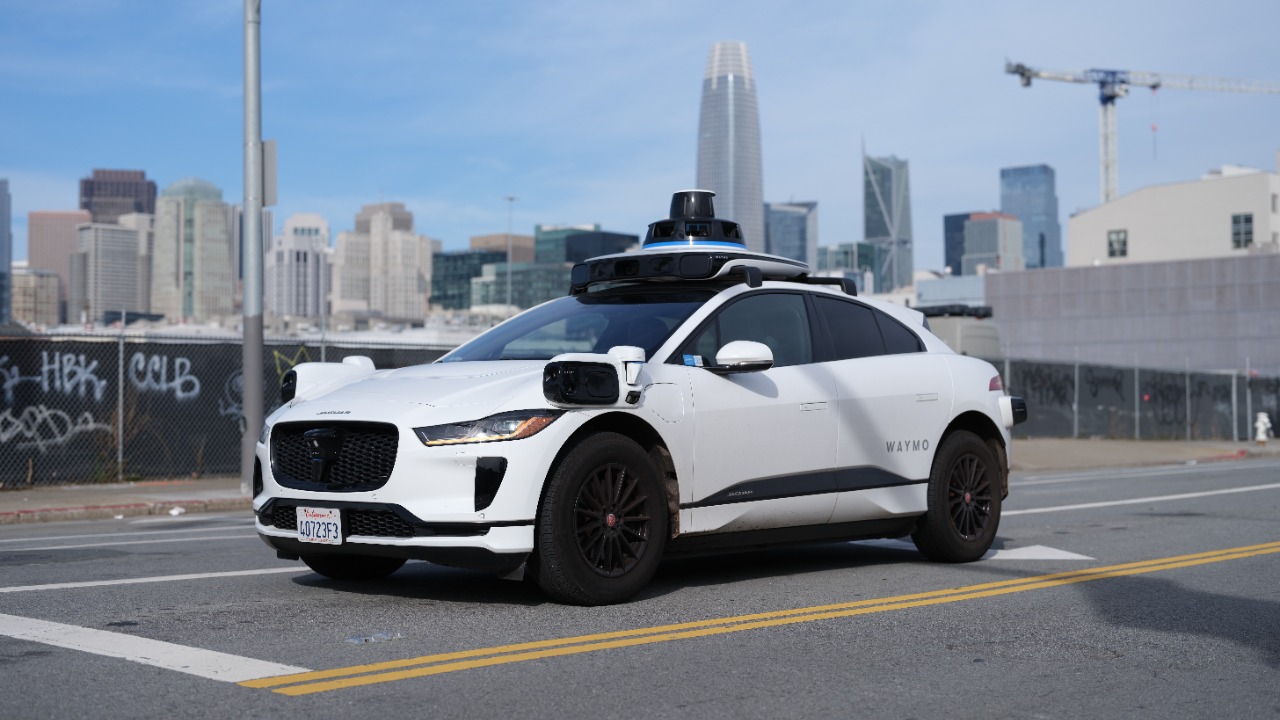
From its inception as Google’s self-driving car project, Waymo has emerged as a leading player in the autonomous vehicle industry. The company’s journey towards fully autonomous vehicles has been marked by rigorous testing and technological breakthroughs, positioning it at the forefront of this transformative era.
The permit to test self-driving cars in New York City holds significant importance for Waymo. The city, known for its complex traffic and demanding driving conditions, presents a unique opportunity for Waymo to demonstrate its technology’s robustness and reliability. Successfully navigating New York’s streets could elevate Waymo’s reputation and accelerate its growth.
The Permit Process

Acquiring the permit to test self-driving cars in New York City was no easy task for Waymo. The company had to meet stringent requirements and navigate through a comprehensive application process. This involved demonstrating their vehicles’ ability to comply with all applicable traffic laws and proving that they could operate safely in the urban environment.
New York City and state regulators played a key role in the approval process. They ensured that Waymo met all the necessary requirements and maintained a strong focus on public safety. Their involvement underscores the importance of regulation in facilitating and overseeing the introduction of autonomous vehicles on public roads.
Waymo’s Testing Plans
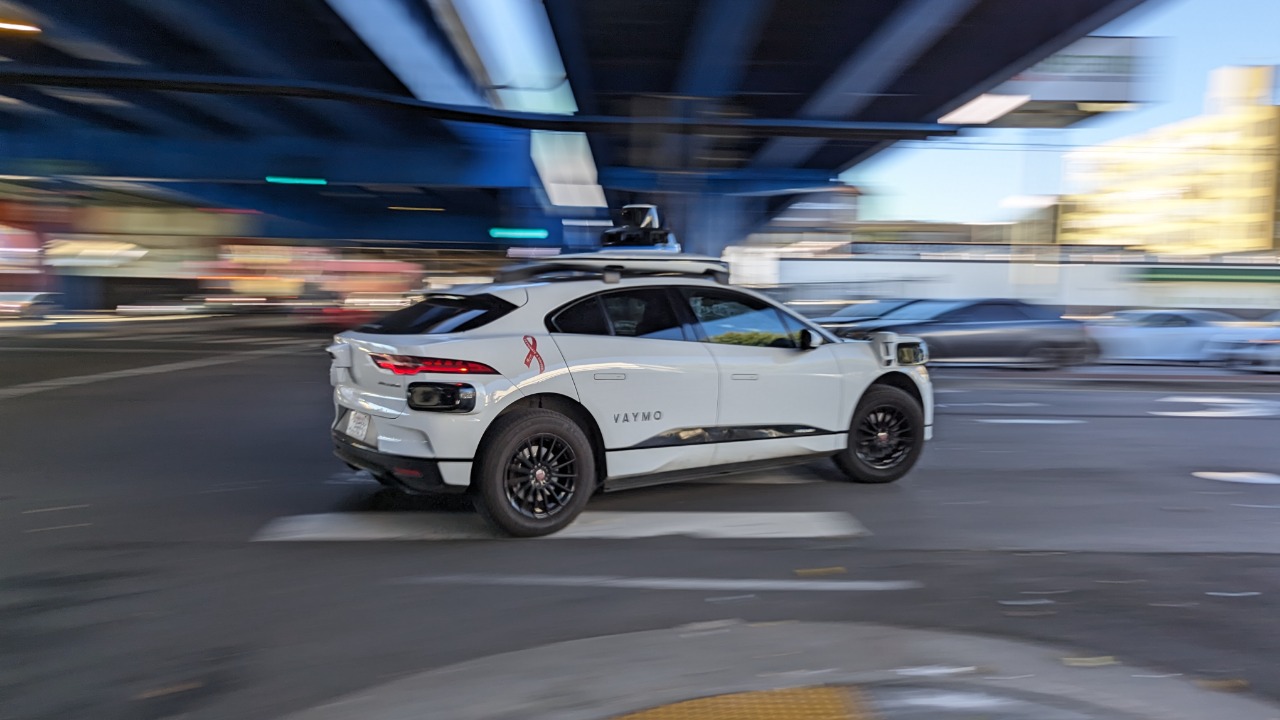
Waymo has outlined extensive plans for testing their self-driving cars in New York City. The testing will focus on Manhattan, where the vehicles will need to navigate diverse road conditions and traffic scenarios. The goal is to gather valuable data to further refine the autonomous driving systems.
The timeline for the testing phase has not been explicitly defined, but it’s expected to span several months. This will allow Waymo to accumulate a substantial amount of data and gain a thorough understanding of the unique challenges posed by New York City’s streets.
Public Reception and Perception

The introduction of self-driving cars on New York streets has elicited mixed reactions from the public. While some view it as an exciting step towards a tech-driven future, others express concerns about safety and potential traffic issues. The prospect of sharing the road with driverless cars has raised questions about how they will interact with human drivers, pedestrians, and cyclists.
Despite the concerns, there is also a palpable sense of anticipation around the technology. Many are eager to see how autonomous vehicles could change the urban transportation landscape and potentially alleviate some of the city’s traffic woes.
Implications for Urban Transportation
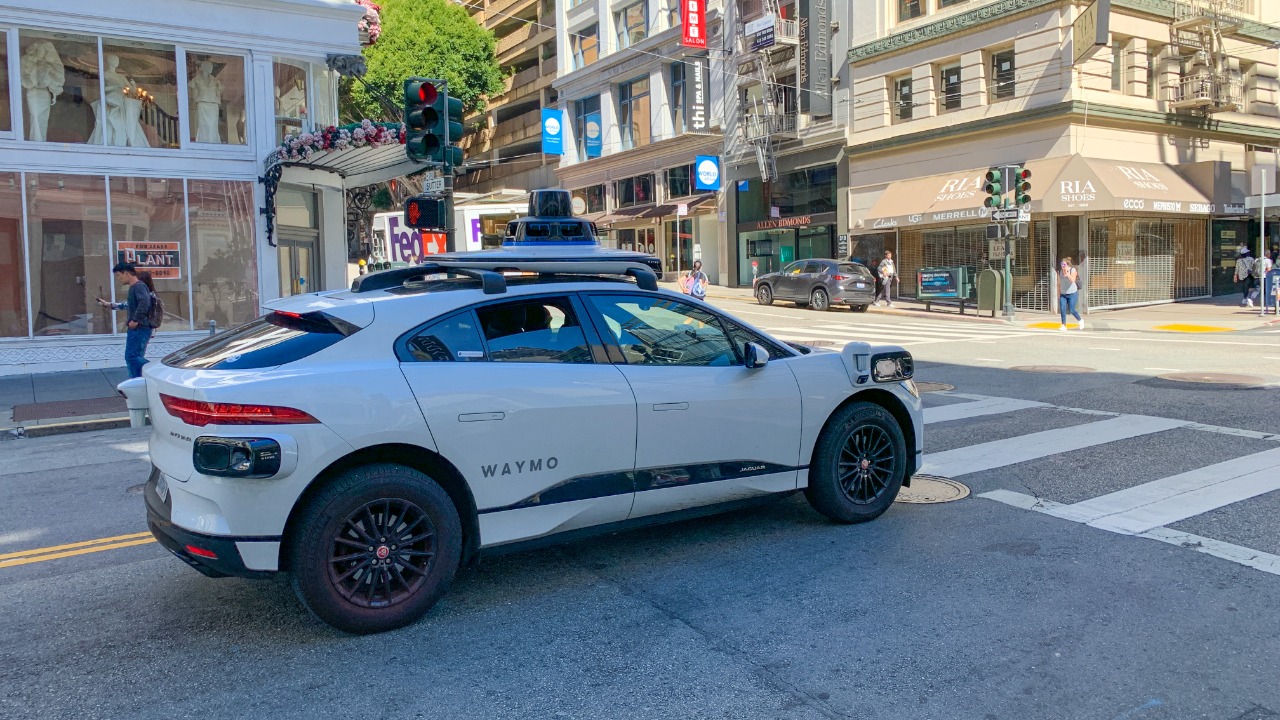
The introduction of autonomous vehicles could bring significant changes to New York City’s transportation landscape. For public transit, taxis, and ride-share services, the arrival of self-driving cars could present both opportunities and challenges. They could provide an additional, potentially more efficient means of transportation but could also disrupt traditional models.
For taxis and ride-share services, the effect could be profound. The advent of autonomous vehicles could redefine the role of drivers and potentially lead to cost savings in the long run. However, the transition could also result in job displacement and require significant regulatory adjustments.
Safety Measures and Precautions
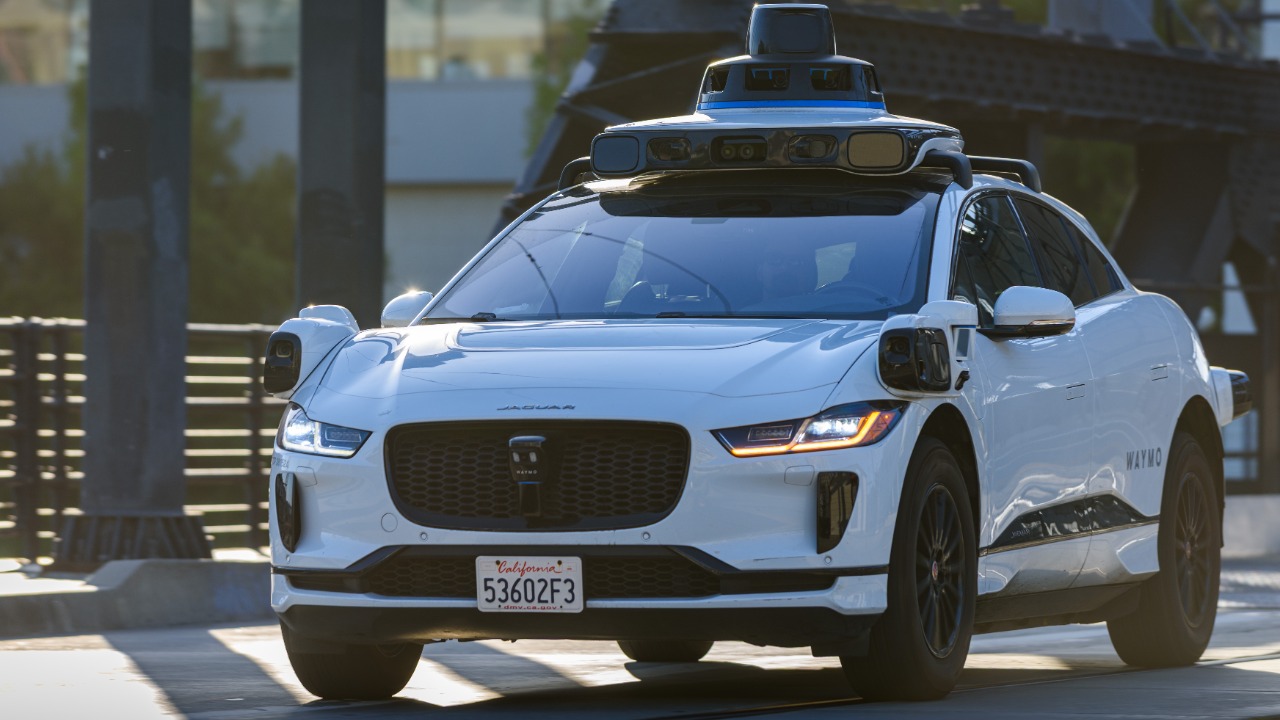
Waymo has implemented a range of safety measures for their self-driving cars. These include comprehensive system checks, rigorous pre-trip inspections, and the use of real-time monitoring to detect and respond to potential issues. Additionally, Waymo’s vehicles use advanced sensors and machine learning algorithms to detect and react to other road users and obstacles.
During the testing phase, human safety drivers will be present in the vehicles. These drivers have the ability to take control of the vehicle at any time, providing an additional layer of safety as the technology continues to be refined.
Legal and Regulatory Framework

Autonomous vehicles in New York operate within a legal and regulatory framework that is still evolving. Existing laws and regulations, including those related to liability and insurance, are being reviewed and updated to accommodate this new technology. As this legal framework evolves, Waymo and other autonomous vehicle developers may face various legal challenges or hurdles.
Regulatory bodies, lawmakers, and the courts will need to grapple with a host of complex questions. These could range from determining liability in the event of an accident to setting standards for vehicle performance and safety.
Waymo’s Expansion Plans
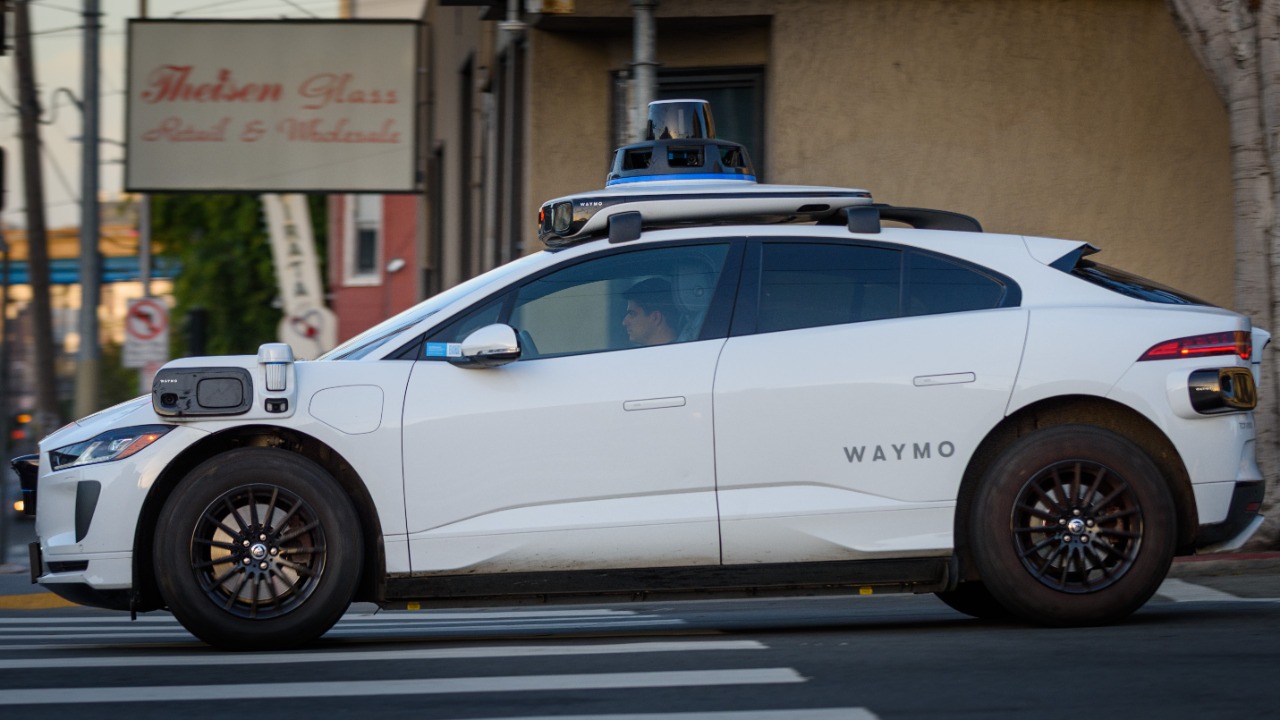
After New York City, Waymo has its sights set on other locations for further testing and expansion. The company has already secured permits for testing in several other cities and states, indicating its ambition to operate on a national and potentially international scale.
Each new location presents its own unique challenges and opportunities. By expanding its testing to different environments and traffic conditions, Waymo can gather a more diverse range of data and continue to refine and improve its technology.
The Future of Autonomous Vehicles
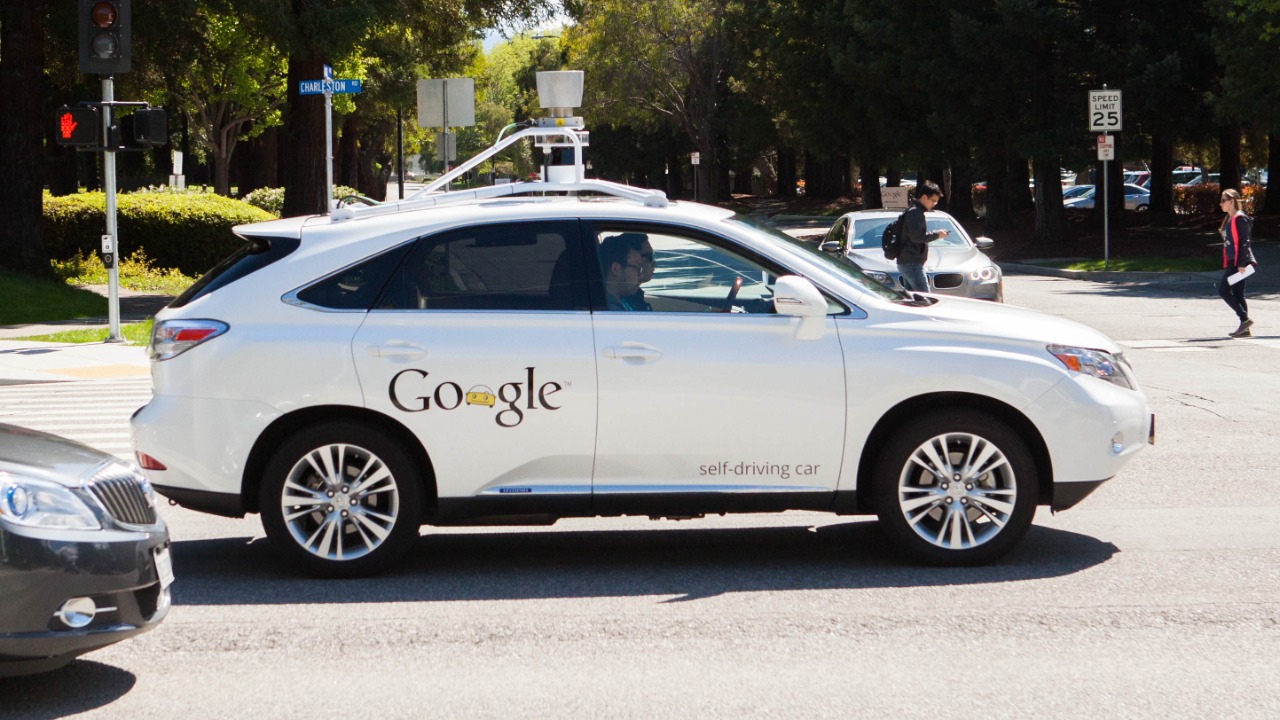
Predictions for the widespread adoption of self-driving cars vary, but there is a consensus that they will play a significant role in our transportation future. Autonomous vehicles have the potential to dramatically alter our cities, influencing everything from traffic patterns to urban planning.
The societal and economic impacts of a driverless future could be immense. Autonomous vehicles could improve road safety, increase efficiency and accessibility, and transform the way goods are delivered. However, they also raise important questions about job displacement, privacy, and cybersecurity. As we stand on the brink of this driverless future, it’s clear that the impact of autonomous vehicles will extend far beyond transportation.