

The rise of artificial intelligence (AI) has swept across various realms of our lives, and the sphere of youth companionship is no exception. Young people are increasingly interacting with AI companions, devices that utilize AI technologies to simulate human interaction. While these AI companions offer numerous advantages, they also pose potential emotional and mental health risks to the youth. This piece explores these dangers, particularly focusing on the emotional impacts.
Understanding AI Companions

AI companions, such as the popular Woebot and Replika, are essentially digital entities designed to simulate human interaction. They range from chatbots to more sophisticated robots and can engage in conversation, learn from interactions, and even express simulated emotions. The primary appeal of these companions to young users is their availability, consistency, and the perceived non-judgmental nature of their interactions.
These AI companions have been designed to interact with youth on various platforms, such as messaging apps, social media, and dedicated applications. Their interaction styles are often tailored to mimic human-like conversation, with the ability to respond to text or voice inputs in a seemingly understanding and empathetic manner. This human-like interaction can be appealing to young users, as it provides a constant and non-judgmental companion.
Impacts of AI Companions on Emotional Development

While AI companions may provide comfort and company, they can also potentially hinder emotional growth. Emotional development involves understanding and managing one’s own emotions and empathizing with others. However, interactions with AI companions could lead to a skewed understanding of emotional responses, as these digital entities lack genuine emotions and may not respond to emotional cues in the way a human would.
Further, AI companions could create unrealistic emotional expectations. These digital companions are designed to be ever-available and consistently supportive, providing instant responses and endless patience. This could lead to unrealistic expectations of human relationships, where such consistent availability and support may not be possible. Moreover, reliance on AI companions may also lead to a lack of genuine human connection, as users may choose to interact with these digital entities instead of engaging in real-life interactions.
Risks to Mental Health
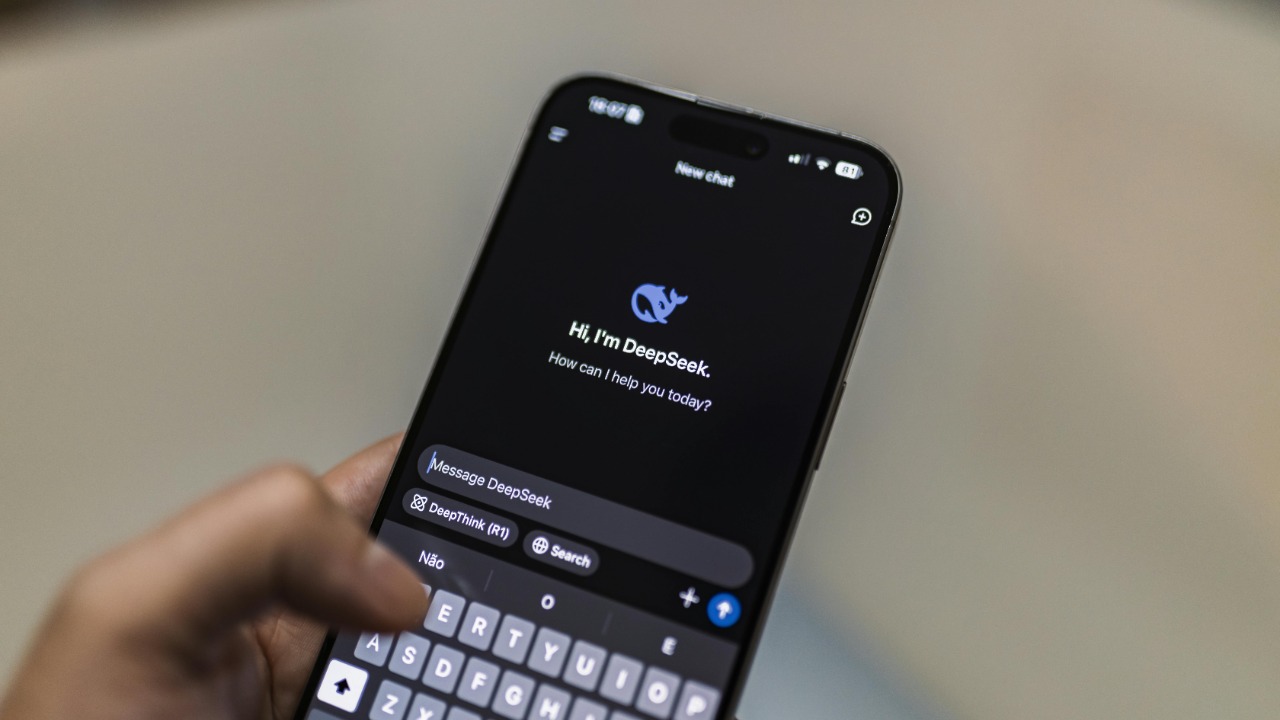
AI companions can pose potential harm to young people’s mental health. There’s a risk that these companions could exacerbate existing mental health issues. For example, someone suffering from social anxiety might avoid seeking real human interaction and rely excessively on their AI companion, thereby reinforcing their avoidance behaviours.
Several case studies also highlight the potential mental health risks of AI companions. In one case, a young user formed a strong emotional attachment to their AI companion, leading to distress when the AI did not reciprocate their feelings in a human-like manner.
Privacy and Security Concerns
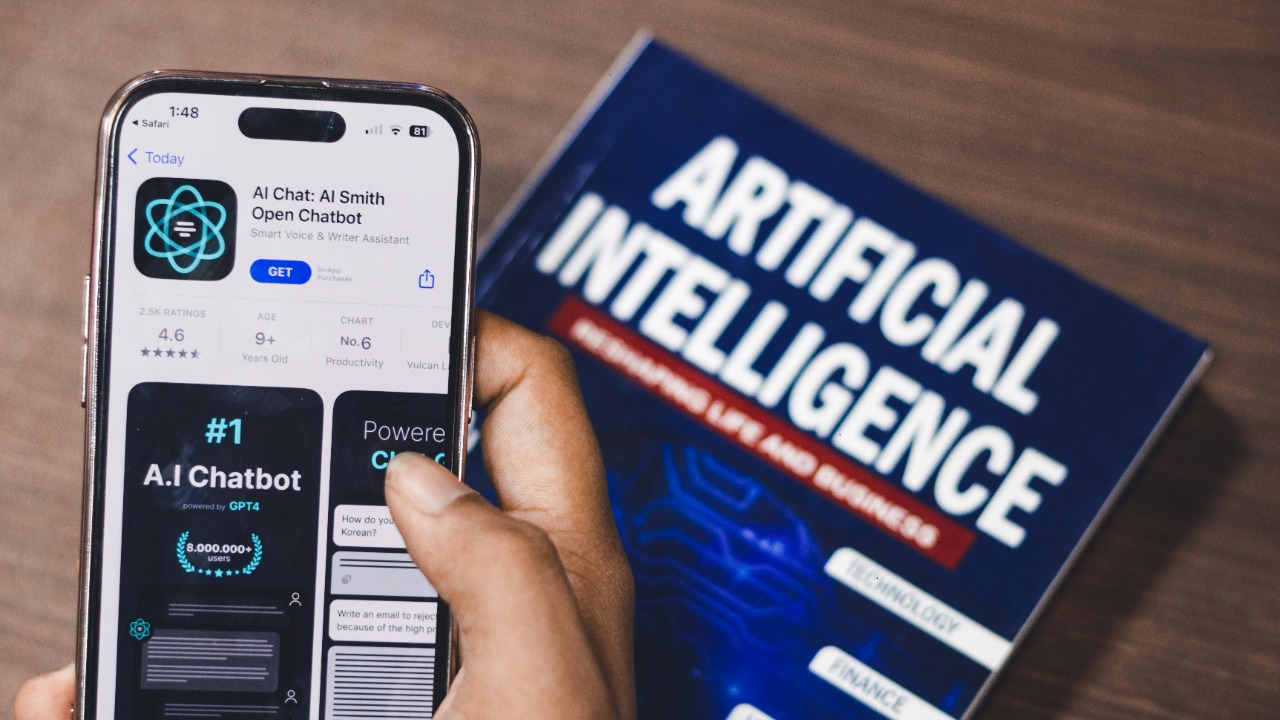
AI companions also pose privacy and security risks. These digital companions often require access to personal data to function effectively. This opens up the risk of personal data misuse, either by the AI companion itself or by third parties. In addition, AI companions could potentially be used as platforms for cyberbullying and online harassment.
There’s also the potential for AI companions to be manipulated by third parties. For instance, hackers could potentially gain control of an AI companion and use it to extract personal information or to influence the user in harmful ways. These risks are particularly concerning for young users, who may not fully understand the implications of sharing personal information.
Negative Effects on Social Skills
Reliance on AI companions could potentially stunt the development of social skills in young users. These skills, such as empathy, understanding social cues, and managing interpersonal conflicts, are typically developed through direct human interaction. However, interacting primarily with AI companions, which lack the complexity and unpredictability of human behaviour, could limit opportunities for learning these skills.
AI companions could also potentially promote social isolation. For instance, a young user may choose to interact primarily with their AI companion rather than seeking human interaction. This could result in social isolation and a lack of real-life social experience. Examples of such social skill deficits due to reliance on AI companions are increasingly being reported, further highlighting this potential danger.
Mitigating the Dangers of AI Companions
The potential dangers of AI companions make it crucial for parents and educators to play an active role in monitoring and guiding their use. This could involve setting boundaries on the use of these companions, educating young users about the potential risks, and encouraging real-life social interaction.
At the same time, potential regulations and safeguards could be implemented to protect youth from the dangers of AI companions. This could involve data protection laws, regulations on the design and functioning of AI companions, and guidelines on their safe use. There’s also potential for AI companions to be used in a beneficial manner, such as for providing support and companionship, when properly managed. For instance, eSafety suggests using AI companions as tools rather than replacements for human interaction.