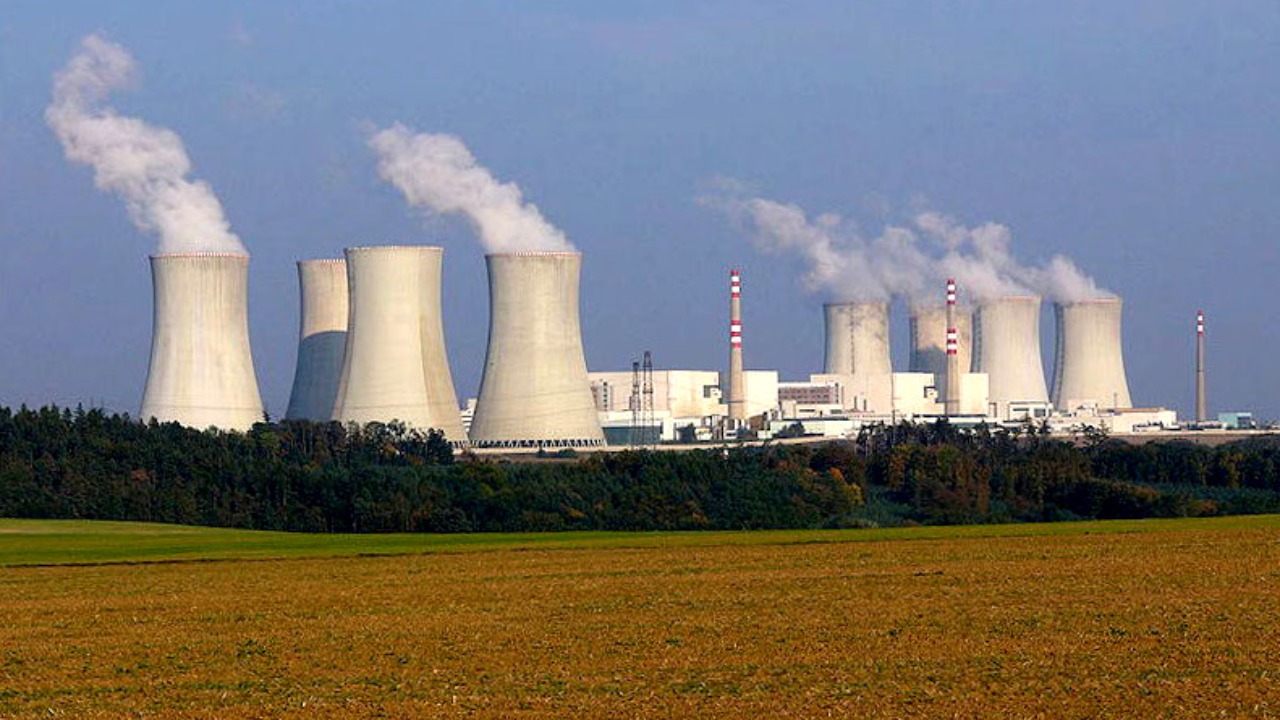

The safety of nuclear reactors is paramount for both environmental protection and human safety. Technological advancements, most notably the development of real-time 3D monitoring of reactor corrosion, have played a significant role in elevating nuclear safety standards.
Understanding Nuclear Reactor Corrosion
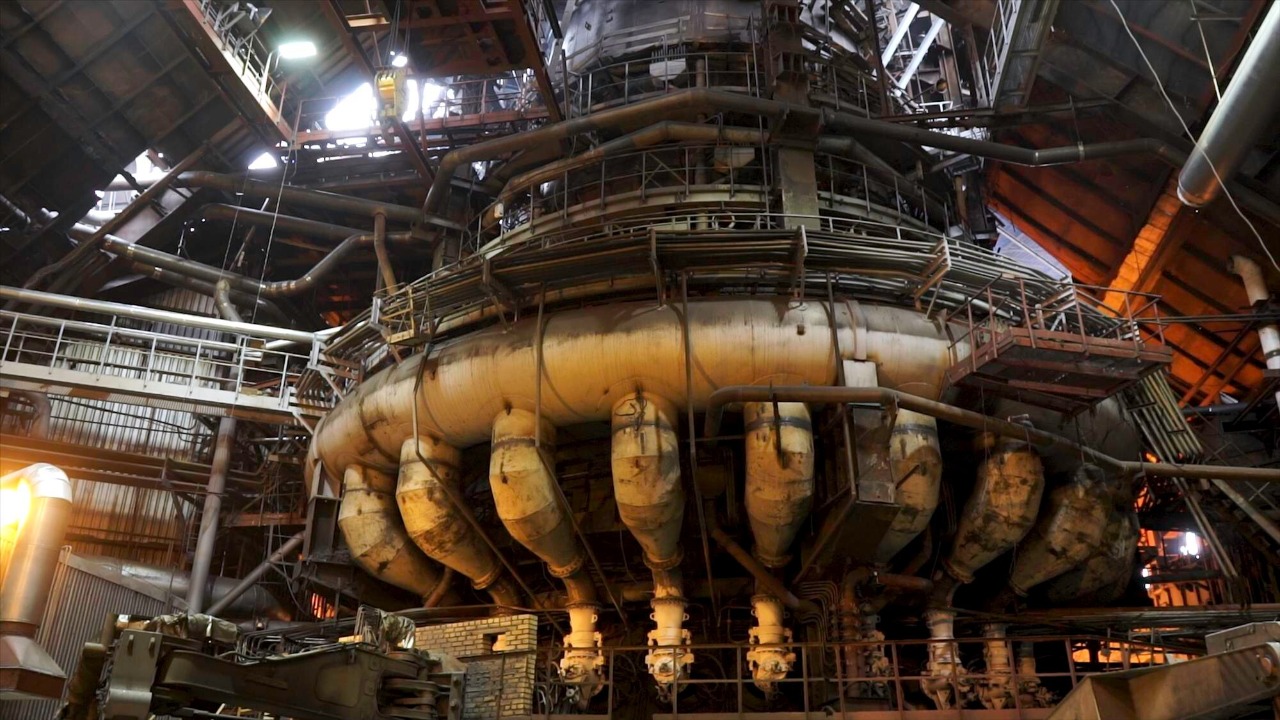
Corrosion within nuclear reactors is a natural phenomenon that results from the interaction between the reactor materials and the operating environment. This is often exacerbated by a combination of high temperatures, pressure, and chemical reactions. Corrosion can degrade the structural integrity of the reactor components, leading to potential risks such as leaks and radiation exposure.
Various factors contribute to nuclear reactor corrosion, including environmental conditions like moisture and temperature, as well as operational conditions such as pressure and flow rates. These factors can interact in complex ways, leading to different types of corrosion such as uniform, pitting, or intergranular corrosion. Understanding these processes is key to maintaining the safety and efficiency of nuclear reactors. A study published by Nature provides a comprehensive overview of the corrosion process in nuclear reactors.
Traditional Methods of Monitoring Corrosion in Nuclear Reactors
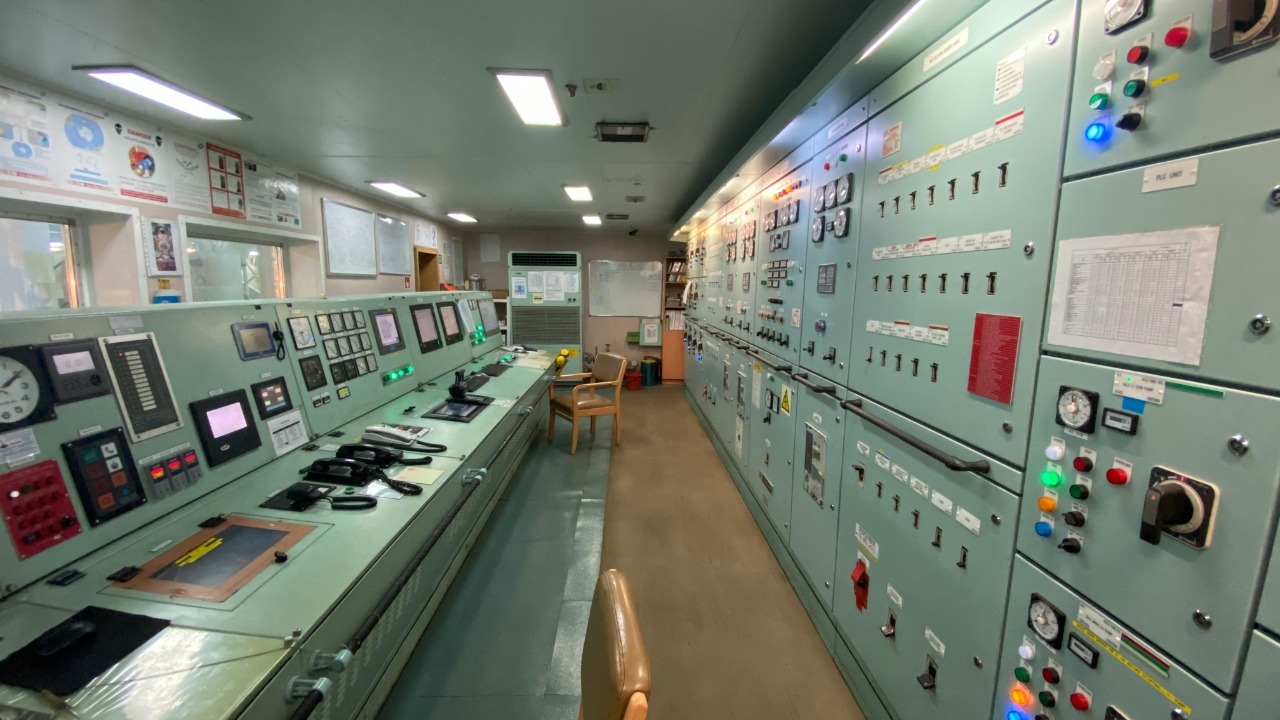
Traditionally, nuclear reactor corrosion monitoring involves the use of techniques such as ultrasonic testing, visual inspection, and eddy current testing. These methods have been somewhat effective in detecting and monitoring corrosion, but they have their limitations. For instance, they often require the reactor to be shut down for inspections, leading to downtime and loss of productivity.
Moreover, these traditional methods do not always provide accurate information about the extent or depth of the corrosion. They also struggle to detect early-stage corrosion, which can lead to delayed responses and increased risks. Therefore, there has been a growing need for more advanced and accurate corrosion detection methods. An article published by IJSES provides a detailed analysis of these challenges.
The Advent of Real-time 3D Monitoring for Reactor Corrosion
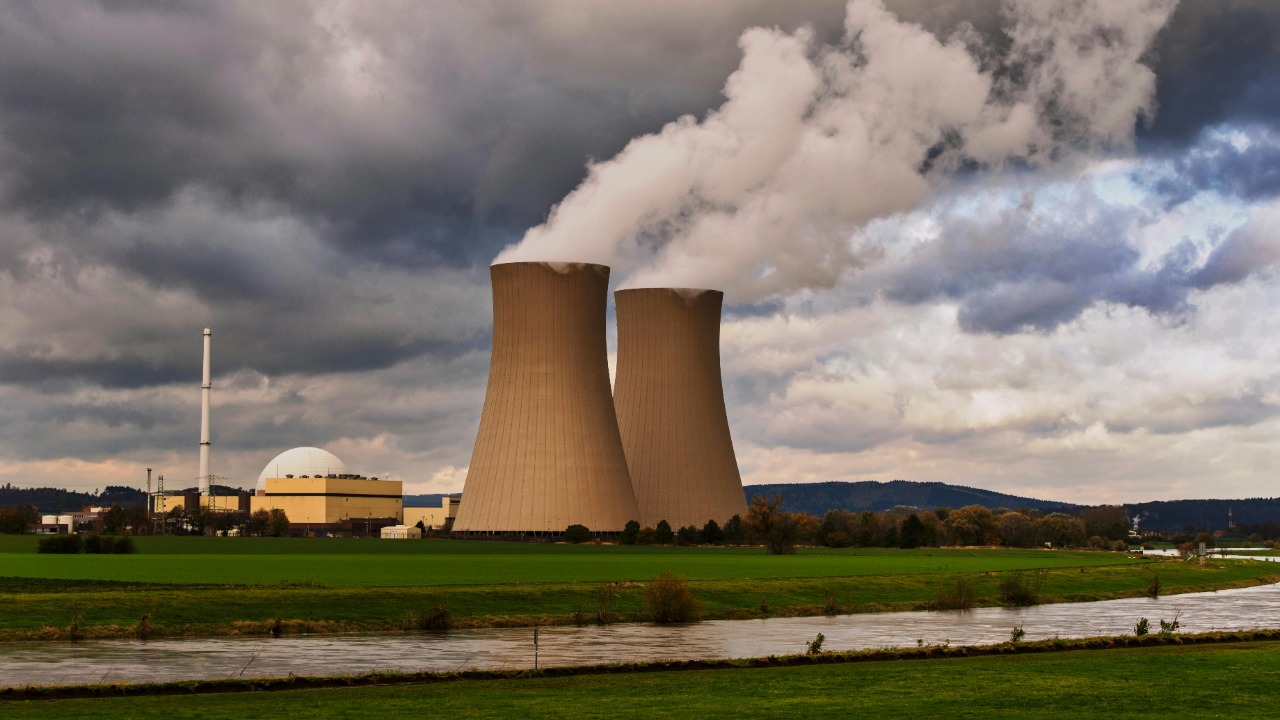
The advent of real-time 3D monitoring technology represents a significant milestone in the field of nuclear safety. This innovative technology uses advanced imaging techniques to produce three-dimensional images of reactor components, enabling detailed and accurate monitoring of corrosion in real-time. The technology can detect early signs of corrosion, allowing for timely intervention and minimizing the risk of reactor failure.
The benefits of using real-time 3D monitoring in nuclear safety are manifold. It enhances the accuracy of corrosion detection, reduces the need for frequent shutdowns for inspections, and allows for more efficient maintenance planning. It also contributes to extending the lifespan of the reactor components, thus improving the overall efficiency and safety of the nuclear plant. An article on Highways Today provides further insight into the application of 3D imaging in nuclear reactor safety.
Case Studies: Real-time 3D Monitoring in Action

A number of case studies demonstrate the successful application of real-time 3D monitoring in nuclear reactors. For instance, a research team used this technology to monitor the corrosion of a reactor’s pressure vessel, which led to more accurate predictions of the vessel’s lifespan and improved maintenance planning. Another instance saw the use of 3D monitoring to detect early-stage corrosion in a reactor’s cooling system, allowing for timely intervention and preventing potential leakage.
These case studies underscore the impact of 3D monitoring on enhancing the safety and performance of nuclear reactors. They also provide valuable lessons for the broader nuclear industry, particularly regarding the potential of 3D monitoring technology to transform the way we manage and maintain nuclear reactors. A report by Interesting Engineering provides more examples of the successful use of real-time 3D monitoring in nuclear reactors.
Future Prospects: 3D Monitoring and Nuclear Safety
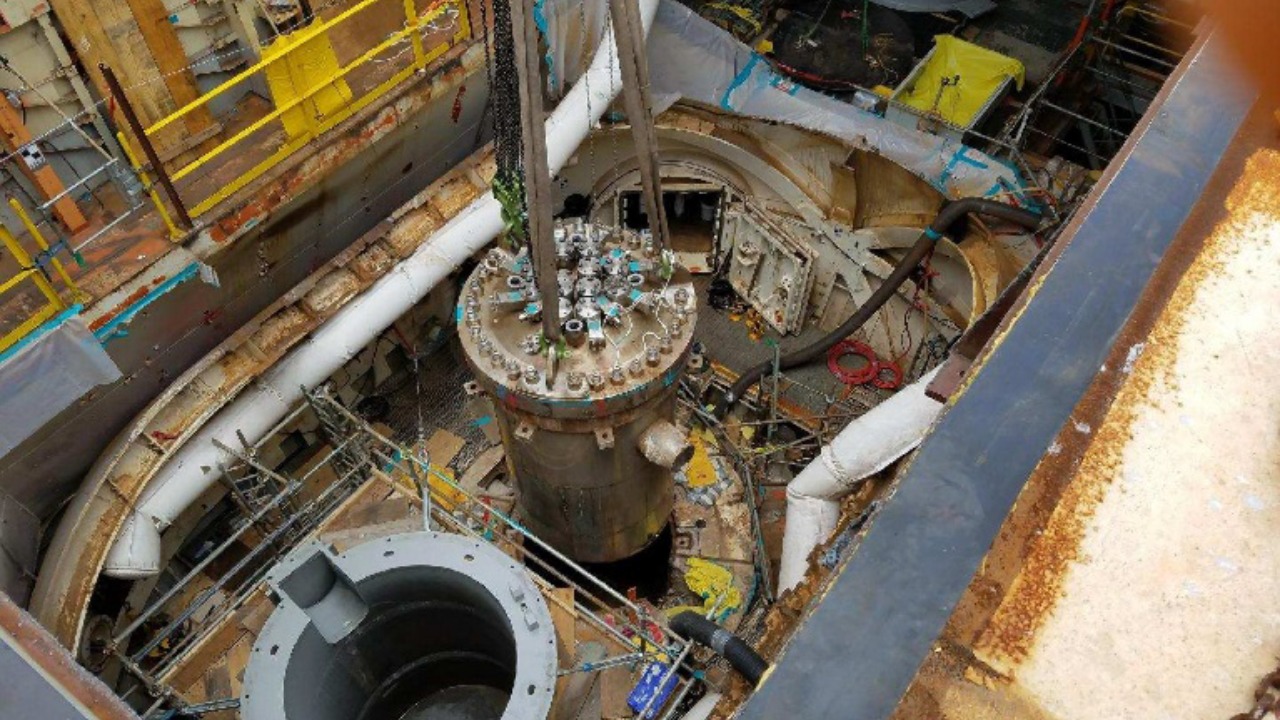
Current research is focused on improving the capabilities of real-time 3D monitoring for reactor corrosion. Innovations in imaging technology, data analysis, and artificial intelligence are being explored to enhance the accuracy, speed, and efficiency of corrosion detection. These developments promise to further revolutionize nuclear safety, as detailed in a recent article on Bioengineer.
Looking ahead, real-time 3D monitoring is set to play a crucial role in shaping the future of nuclear reactor safety. Its potential to detect corrosion at an early stage, enable timely interventions, and improve maintenance planning, makes it an invaluable tool for ensuring the long-term safety and efficiency of nuclear reactors. As the technology continues to evolve, we can expect to see further advancements in nuclear safety, underpinned by the power of real-time 3D monitoring.