

In a groundbreaking development, a baby with a rare metabolic disorder has experienced real-world improvements following a procedure using CRISPR gene-editing technology. This case not only represents a significant advancement in treating inherited diseases but also provides a glimpse into the promising future of genomic medicine.
Understanding Metabolic Disorders and the Need for CRISPR
Metabolic disorders are a group of diseases caused by genetic defects that disrupt the body’s metabolism. These defects can lead to an accumulation of specific substances that can be harmful, or a deficiency of substances necessary for normal body function. With over 500 different types of metabolic disorders, the symptoms and severity vary widely. Conventional treatments often involve managing the symptoms rather than addressing the root cause of the disorder.
Given their genetic origins, metabolic disorders are prime candidates for treatment using gene-editing technologies like CRISPR. Conventional treatments can be limited in their effectiveness and can come with a range of side effects, making the potential of gene editing to address the root cause of these disorders a revolutionary proposition.
CRISPR: An Overview and Its Potential in Medicine
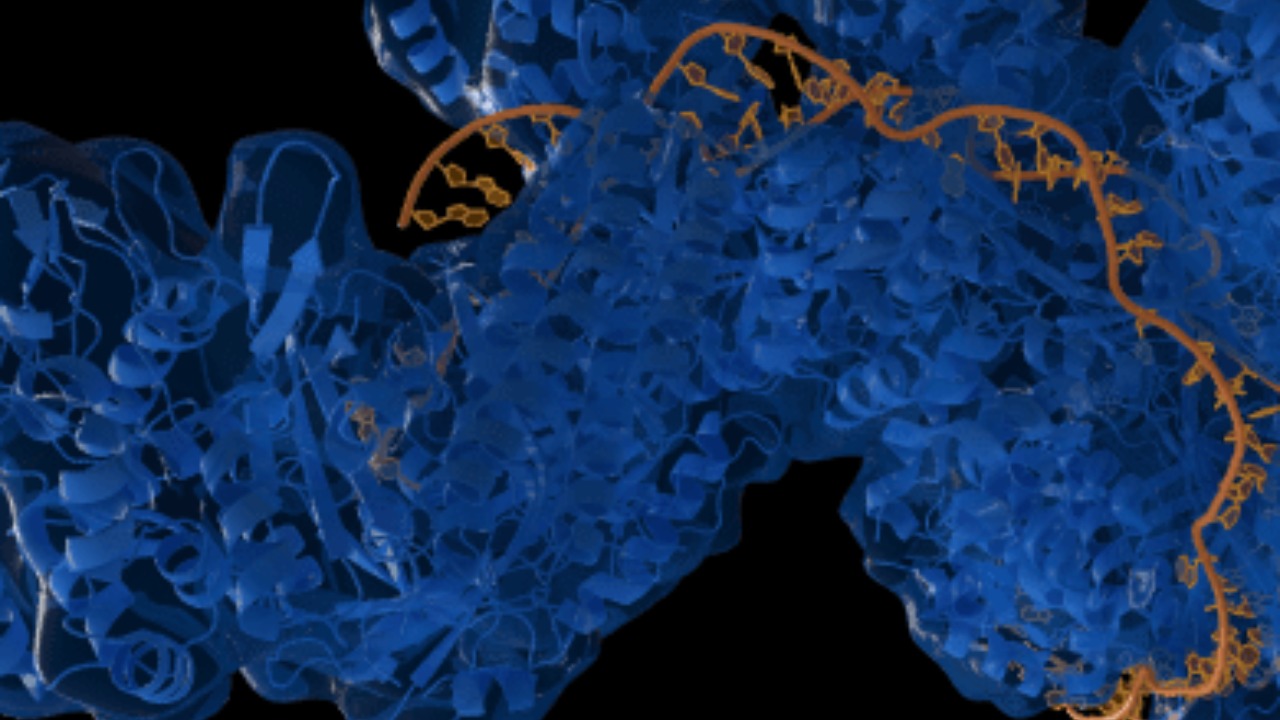
The revolutionary technology known as CRISPR, or Clustered Regularly Interspaced Short Palindromic Repeats, is a gene-editing tool. It allows scientists to precisely add, delete, or alter sections of the DNA sequence. First developed in 2012, it has since been used in various fields of research.
CRISPR’s potential in medicine is vast. The technology has already been used to treat genetic disorders such as sickle cell anemia and beta thalassemia. However, it’s not without its challenges. There are concerns about off-target effects, where unintended parts of the genome could be modified, and the ethical implications of editing human genes. Despite these challenges, the potential of CRISPR in treating metabolic and other genetic disorders cannot be overstated.
Case Study: The First Baby Treated with CRISPR for a Metabolic Disorder
A significant example of CRISPR’s potential in treating metabolic disorders comes from a recent case where the technology was used to treat a baby suffering from a rare metabolic disorder. Prior to the CRISPR treatment, the baby had severe developmental delay and life-threatening metabolic imbalances.
The complex CRISPR procedure involved editing the baby’s genes to correct the metabolic defect. This procedure wasn’t without risks, which included the possibility of off-target effects and the ethical considerations of editing human genes. Post-treatment, the baby showed significant improvements, with decreased symptoms and improved metabolic function. However, long-term monitoring is necessary to track potential side effects and the durability of the treatment.
Implications and Future Directions
This case represents a significant milestone in the treatment of metabolic disorders and has wide-reaching implications. It not only opens up new avenues of treatment for such disorders but also provides a blueprint for the application of CRISPR in treating other genetic diseases.
However, the regulatory landscape for CRISPR is complex and evolving. While this successful case may spur changes, it is crucial that these are guided by careful scientific evaluation and ethical considerations. Future research and clinical trials are needed to further validate the effectiveness of CRISPR in treating metabolic and other genetic disorders.
Public Perception and Ethical Considerations

The use of gene-editing technologies like CRISPR has sparked a public debate, encompassing both the potential benefits and fears associated with modifying human genes. While some view gene editing as a promising tool for treating a range of diseases, others raise concerns about the potential for misuse and the ethical implications of editing human genes, especially in babies.
Public opinion and ethical discussions about gene editing are likely to be influenced by real-world cases like this one. It is essential that these discussions are informed by accurate and accessible information, and that they consider the perspectives of a range of stakeholders, including patients, families, researchers, and regulators. As we move forward in this exciting and challenging new era of medicine, the ethical considerations surrounding gene editing will continue to evolve and require careful consideration.