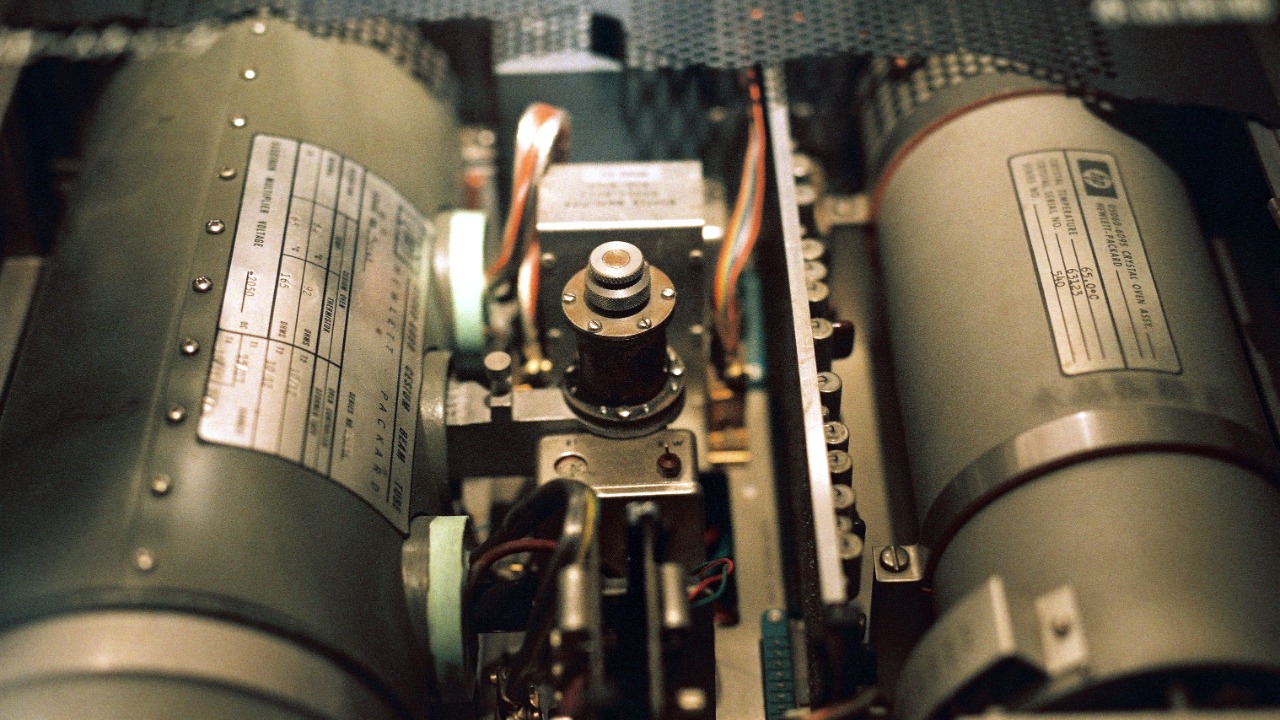

Time dilation, a captivating concept embedded in Einstein’s theory of relativity, has been experimentally validated on Earth. With the use of ultra-precise clocks, scientists have been able to substantiate this theory and delve deeper into its implications.
Understanding Time Dilation and Einstein’s Theory
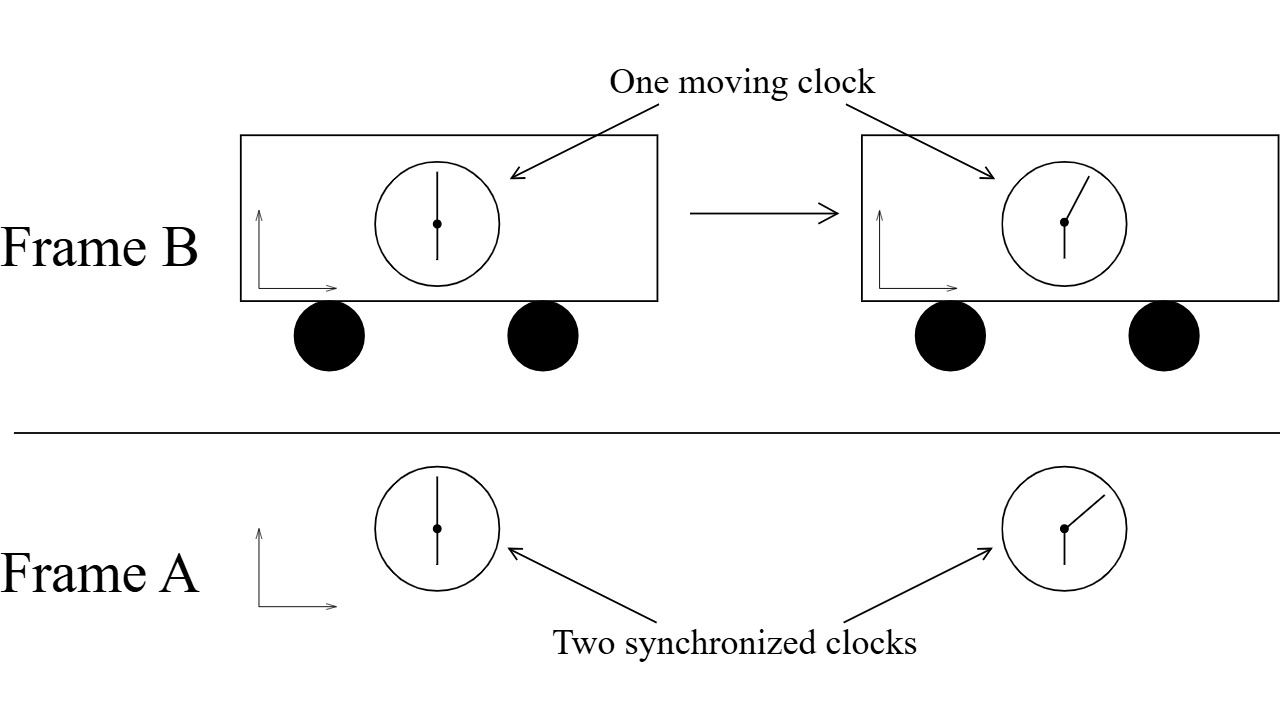
The notion of time dilation stems from Einstein’s theory of relativity, which revolutionized our understanding of time and space. In simple terms, time dilation suggests that time passes differently depending on the gravitational field and velocity of an observer. More specifically, a stronger gravitational field or higher velocity would cause time to slow down compared to a weaker gravitational field or lower velocity. This theory, though counterintuitive, has profound implications for our understanding of the universe.
Gravity and velocity play significant roles in time dilation. Both of these factors can distort the fabric of space-time, resulting in time dilation effects. Consequently, an observer on a high-speed spaceship or near a massive object would experience time slower than an observer in a less intense gravitational field or at rest. This variance in the passage of time is a direct consequence of Einstein’s theory and the inherent properties of space-time.
The Hafele–Keating Experiment: The First Test
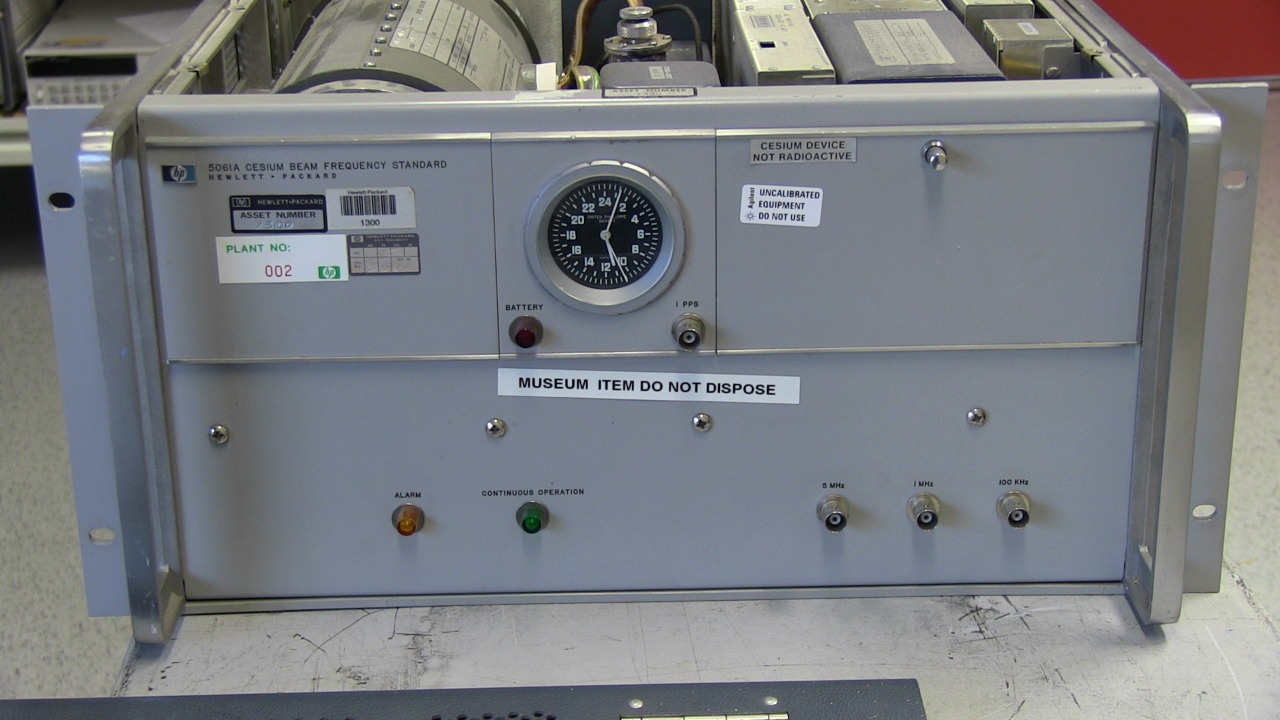
The first empirical test of time dilation was the Hafele–Keating experiment. In this groundbreaking study, two atomic clocks were flown on commercial jets around the world, one flying eastward and the other westward. On return, the clocks displayed different times, even though they were synchronized at the start of the experiment. This difference in time was consistent with the predictions of Einstein’s theory, providing experimental evidence of time dilation.
Atomic clocks played a significant role in this experiment due to their unparalleled precision. These devices use the frequency of electromagnetic waves emitted by atoms to measure time, making them incredibly accurate. The use of atomic clocks in the Hafele–Keating experiment was instrumental in detecting the minute time differences caused by the varying velocities of the jets, thus validating Einstein’s predictions.
The ACES Project: A Step Further

The Atomic Clock Ensemble in Space (ACES) project aimed to further test time dilation with even more accurate atomic clocks. Launched by the European Space Agency, the project sought to measure time dilation with unprecedented precision and over larger distances than the Hafele–Keating experiment.
The ACES project incorporated the use of advanced atomic clocks, including the PHARAO (Probing of Relativistic Effects with Atomic Clocks in Orbit) clock. With its superior accuracy, the PHARAO clock allowed for more precise measurements of time dilation effects, further substantiating Einstein’s theory and enhancing our understanding of space-time.
Latest Developments: The Most Precise Atomic Clock
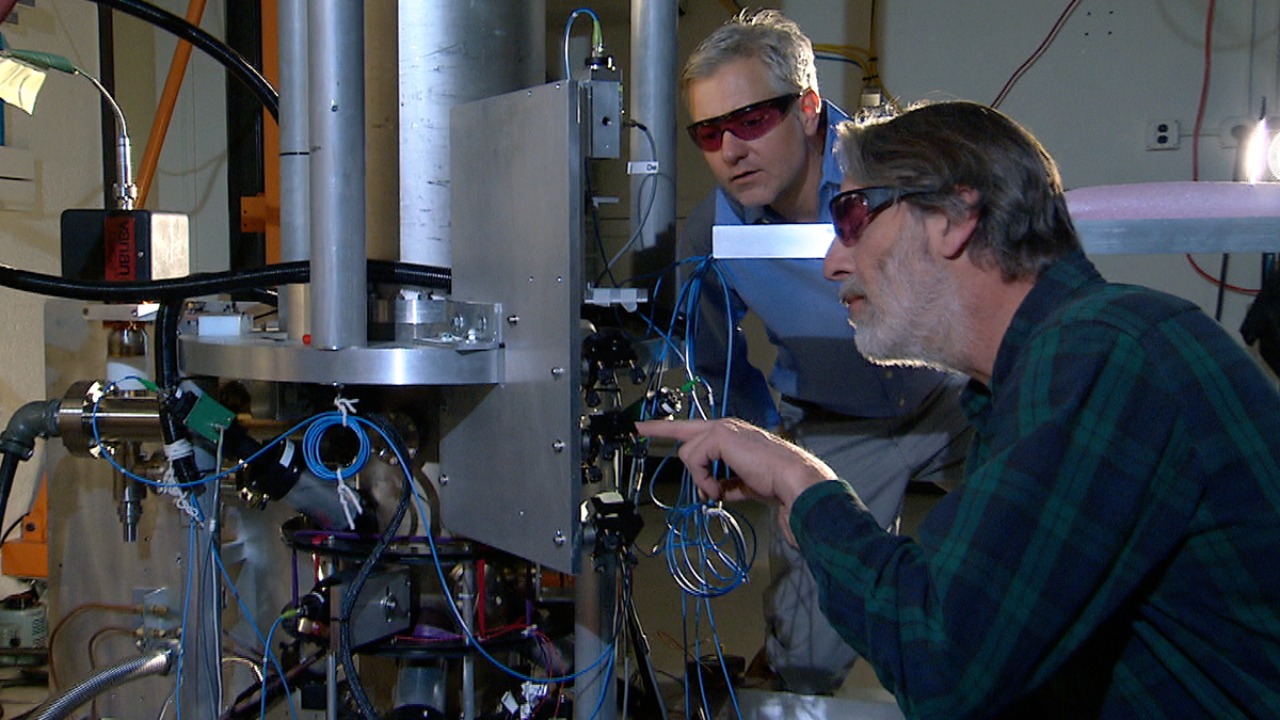
Our ability to test time dilation has been significantly enhanced with the development of the most precise atomic clock to date. According to a report by New Scientist, this ultra-accurate clock is so precise that it would not lose a second in 300 billion years. This staggering accuracy allows for even more precise measurements of time dilation, reinforcing the validity of Einstein’s theory.
The functioning of this atomic clock is based on the vibrations of a single aluminum ion. The ion is cooled and trapped by electric fields, and its vibrations are measured using a laser. This method results in a highly accurate measurement of time, providing a powerful tool for testing the predictions of Einstein’s theory of relativity.
Implications and Applications of Time Dilation
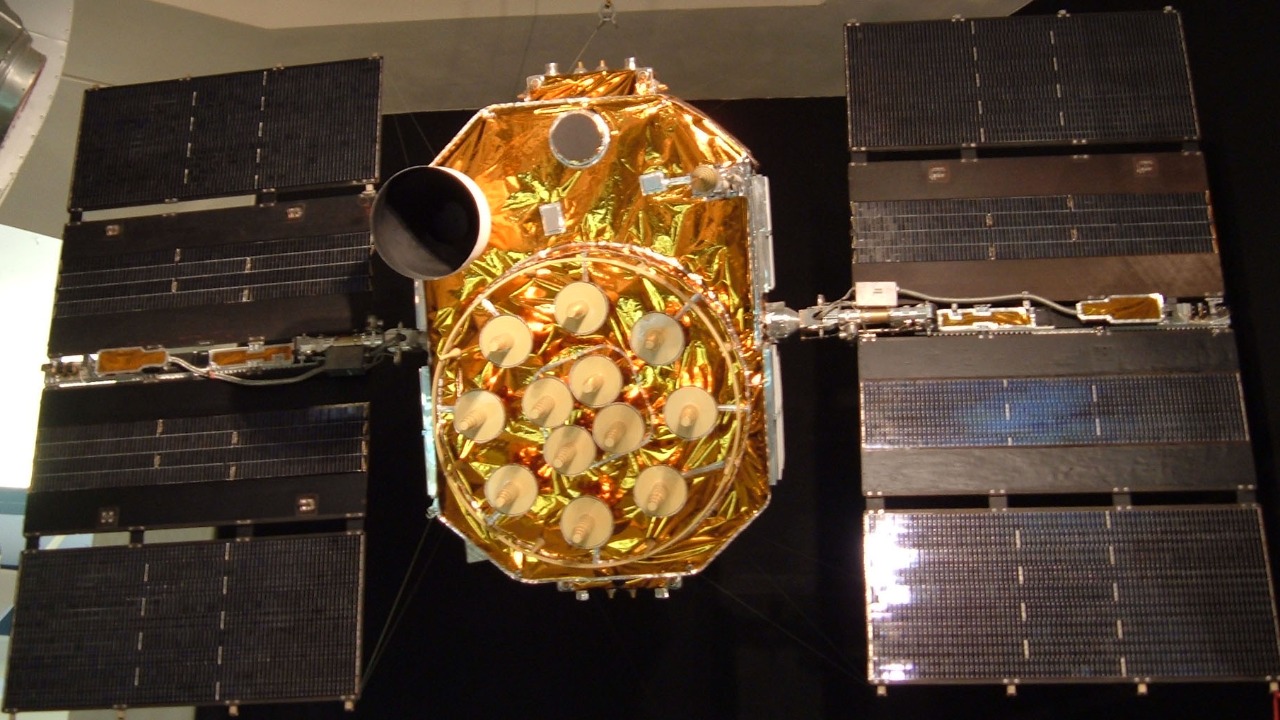
The proven concept of time dilation has wide-ranging scientific and practical implications. From a scientific perspective, it underpins our understanding of the universe, helping us make sense of phenomena like black holes and cosmic expansion. From a practical standpoint, time dilation plays a crucial role in technologies we use every day.
For example, the Global Positioning System (GPS), which relies on a network of satellites to provide location and time data, must account for time dilation effects to maintain its accuracy. Similarly, future space travel missions, especially those involving high speeds or strong gravitational fields, will need to consider time dilation effects. The National Institute of Standards and Technology (NIST) further discusses these and other applications of time dilation in their research.