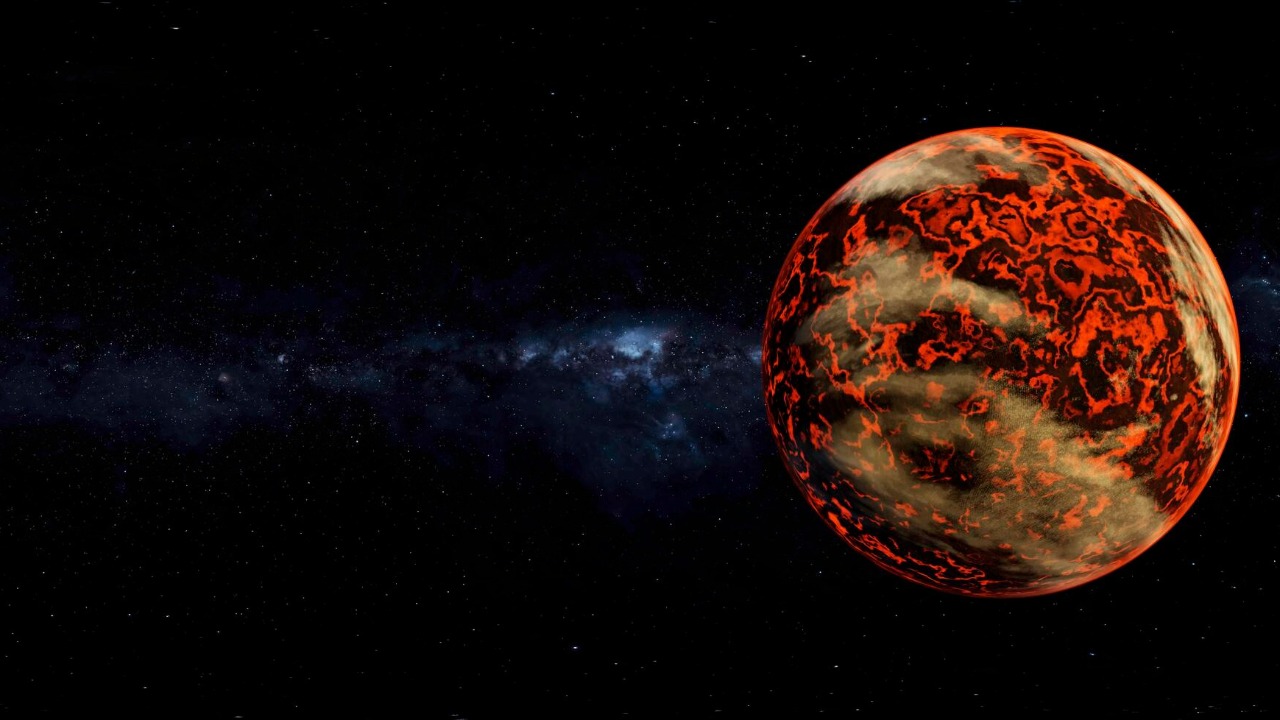

In a remarkable feat of astronomical discovery, scientists have identified a new exoplanet similar in size to Earth, but with one notable difference: it is covered in vast, glowing lava oceans. This unprecedented finding not only marks a significant milestone in exoplanet research but also offers a captivating glimpse into the diverse and often extreme environments that exist beyond our solar system.
Unveiling the Discovery: An Earth-Sized Lava World

The discovery of this scorching exoplanet was made by a team of international astronomers, using the most advanced telescopes and detection techniques. The planet, with its distinctive lava oceans, was identified in a distant star system, highlighting the boundless possibilities that exist in our universe.
This planet is comparable in size to Earth, but its composition is starkly different. Its most striking feature is the existence of vast, glowing oceans of lava. These fiery seas are not a common feature on identified exoplanets, making this discovery particularly significant within the astronomy and exoplanet science communities. The lava oceans hint at a high-temperature environment that could provide crucial insights into the formation and evolution of such extreme worlds.
The Science Behind the Glowing Lava Oceans
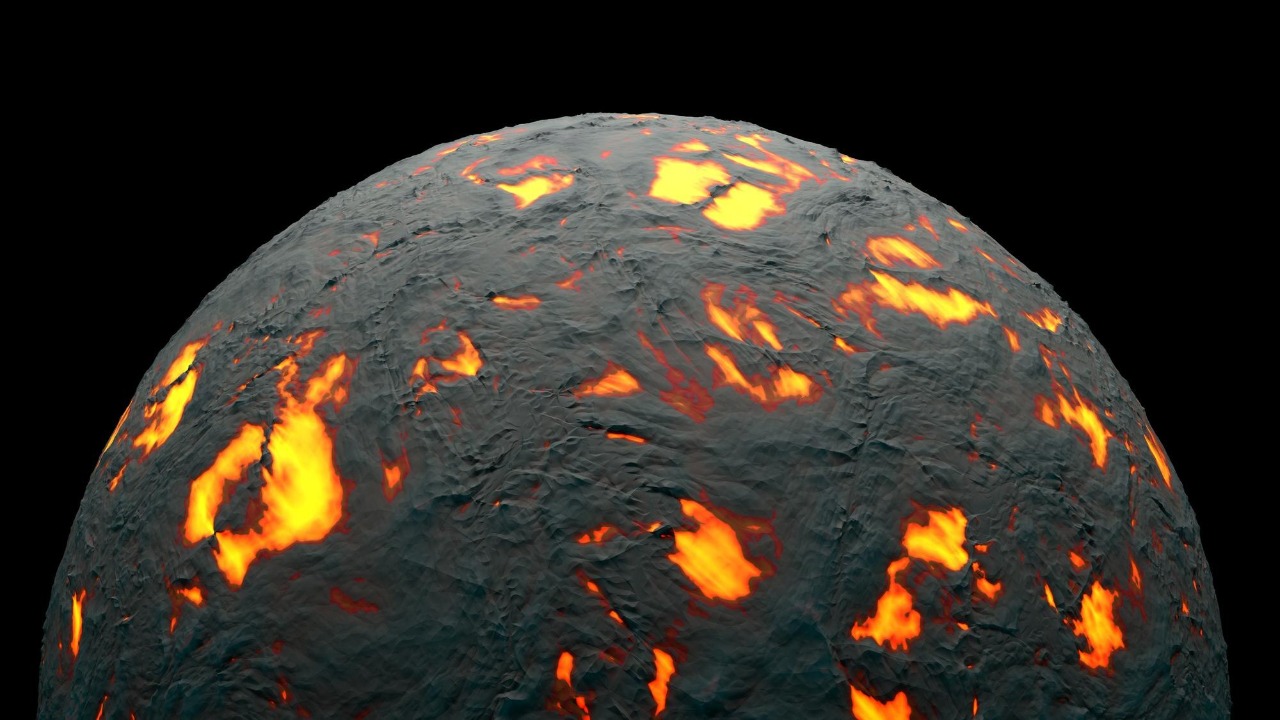
The existence of such glowing lava oceans on a planet points to intricate geophysical processes. Typically, a planet would need to be close to its star and possess a molten core to maintain such high surface temperatures. The glow from the lava oceans is likely due to the extreme temperatures, which cause the lava to be incandescent, much like molten metal.
This discovery is significant as it offers a rare opportunity to study the dynamics of these fiery worlds, enhancing our understanding of planetary formation and evolution. Additionally, it challenges our notions of habitability, as such extreme conditions could potentially harbor life forms adapted to such environments.
The Role of Technology in Exoplanet Detection

The detection of this lava-world was made possible thanks to advancements in astronomical technology. Specifically, telescopes capable of detecting minute changes in starlight as planets transit their stars were instrumental in this discovery. Furthermore, spectroscopy, which involves analysing the light spectrum to determine the chemical composition of celestial bodies, was used to identify the presence of lava oceans.
These technological advancements are not only revolutionizing the way we explore the universe but also opening doors to future discoveries. As technology continues to evolve, scientists anticipate detecting even more unique exoplanets and peeling back the layers of their mysteries.
The Fascinating World of Exoplanets
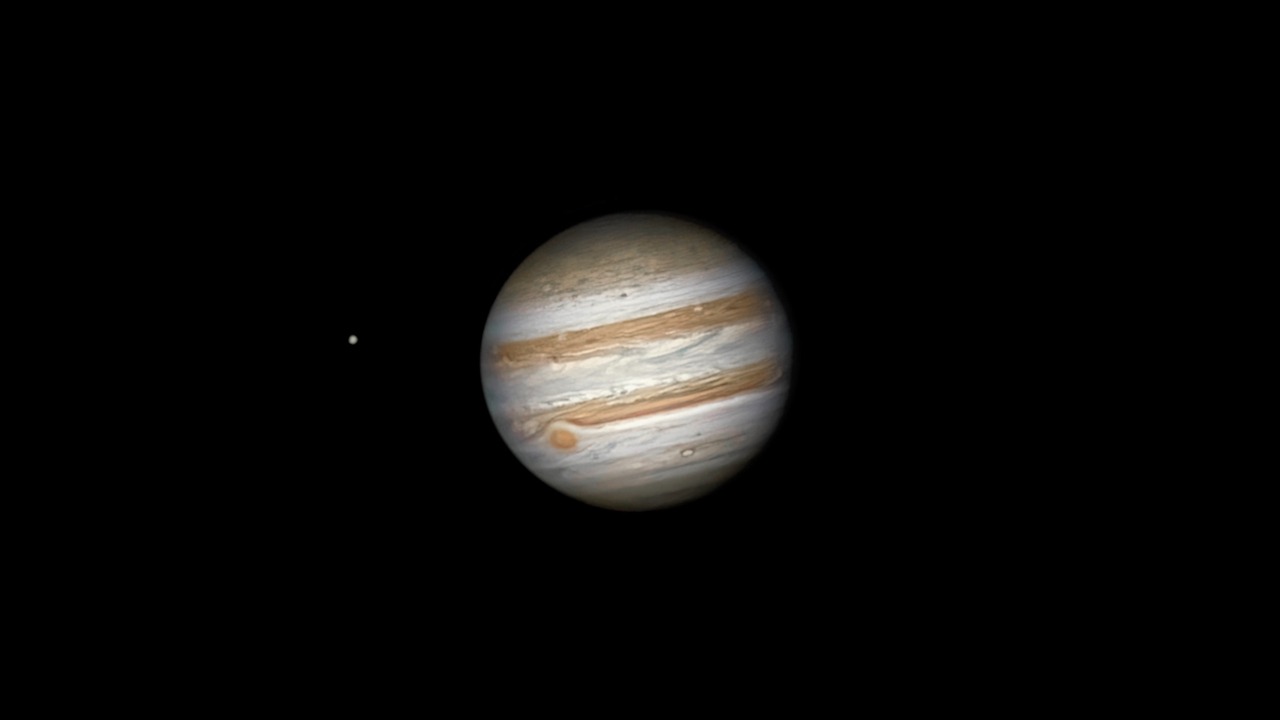
Exoplanets, planets that orbit stars outside our solar system, have become a primary focus of astronomical research due to their potential to harbor life. Their diversity is astounding, ranging from gas giants larger than Jupiter to rocky worlds similar in size to Earth. This newly discovered lava world adds to this rich tapestry of exoplanets.
While the possibility of life on a lava world might seem unlikely, it’s not entirely out of the question. Researchers have discovered life in some of the most extreme environments on Earth, from deep-sea hydrothermal vents to acidic hot springs. Therefore, the existence of life on an exoplanet with conditions as extreme as a lava ocean remains a tantalizing possibility, albeit a remote one.
Looking Ahead: Future Explorations and Studies
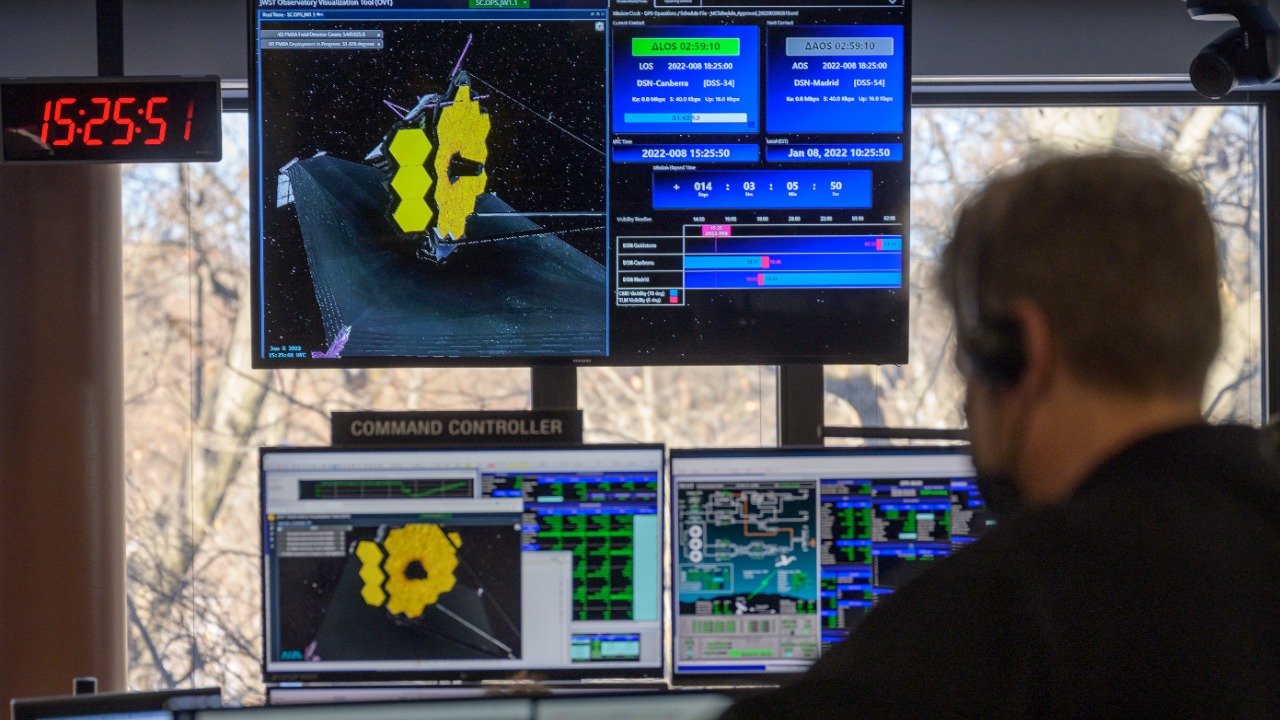
As we look to the future, numerous missions and projects are on the horizon aimed at studying exoplanets. These missions hope to answer fundamental questions about the nature of these worlds, from their composition to their potential habitability.
By uncovering these mysteries, we can deepen our understanding of the universe and perhaps even redefine our place within it. As we continue to explore these distant worlds, we can only imagine what fascinating discoveries await us, forever changing our perspective of the cosmos and its infinite possibilities.