

As SUVs continue to dominate the auto industry, mechanics are increasingly dealing with the intricacies of these vehicles. The advanced systems and designs of modern SUVs pose a significant challenge, often leaving mechanics with a sense of dread when it comes to repairs.
The Rise of SUV Popularity
The SUV market has seen a remarkable surge in the past decade. The combination of spacious interiors, off-road capabilities, and stylish designs are just a few factors contributing to this growth. Consumers are drawn to the versatility of SUVs, as they cater to both city commuting and weekend adventures. Furthermore, the increased safety features provided by these larger vehicles add to their appeal, leading to a significant rise in SUV ownership.
There’s also a societal shift towards SUVs. They’re seen as a status symbol, projecting an image of rugged individualism and outdoor adventure. This perception, combined with their practical attributes, has driven the popularity of SUVs to new heights. However, as I’ll explain next, this surge in popularity comes with its own set of challenges, particularly for those tasked with maintaining and repairing these vehicles.
The Complexity of Modern SUVs
Modern SUVs are marvels of technology, featuring advanced systems that enhance performance, safety, and comfort. From adaptive cruise control and lane-keeping assist to advanced infotainment systems, these vehicles are packed with complex electronics. However, this technological sophistication makes the task of repairing these vehicles more challenging. Mechanics must navigate through intricate wiring systems, computerized controls, and proprietary software, often requiring specialized tools and knowledge.
Moreover, the complex designs of these vehicles can make even the most simple repairs an arduous task. For instance, replacing a headlight bulb, which used to be a straightforward job, can now involve removing multiple components and panels. This complexity not only increases the time required for repairs but also contributes to the dread mechanics feel when an SUV rolls into their workshop.
Top 5 Dreaded SUVs by Mechanics

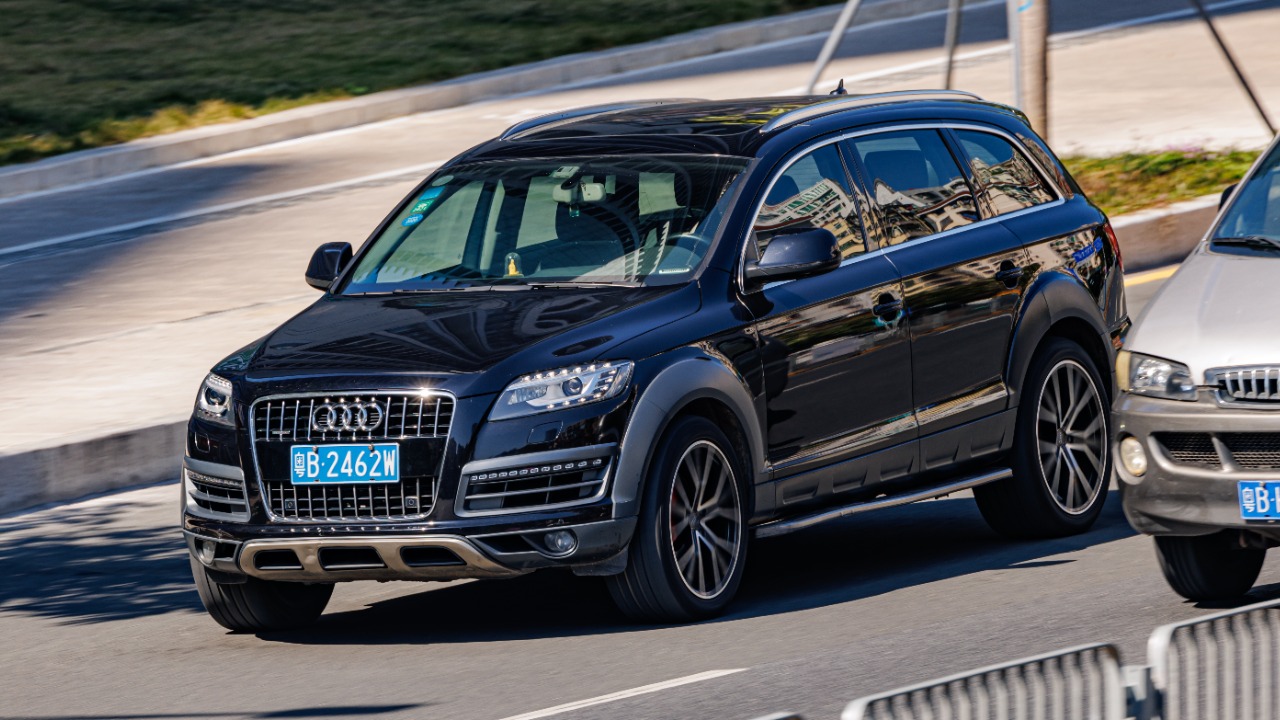
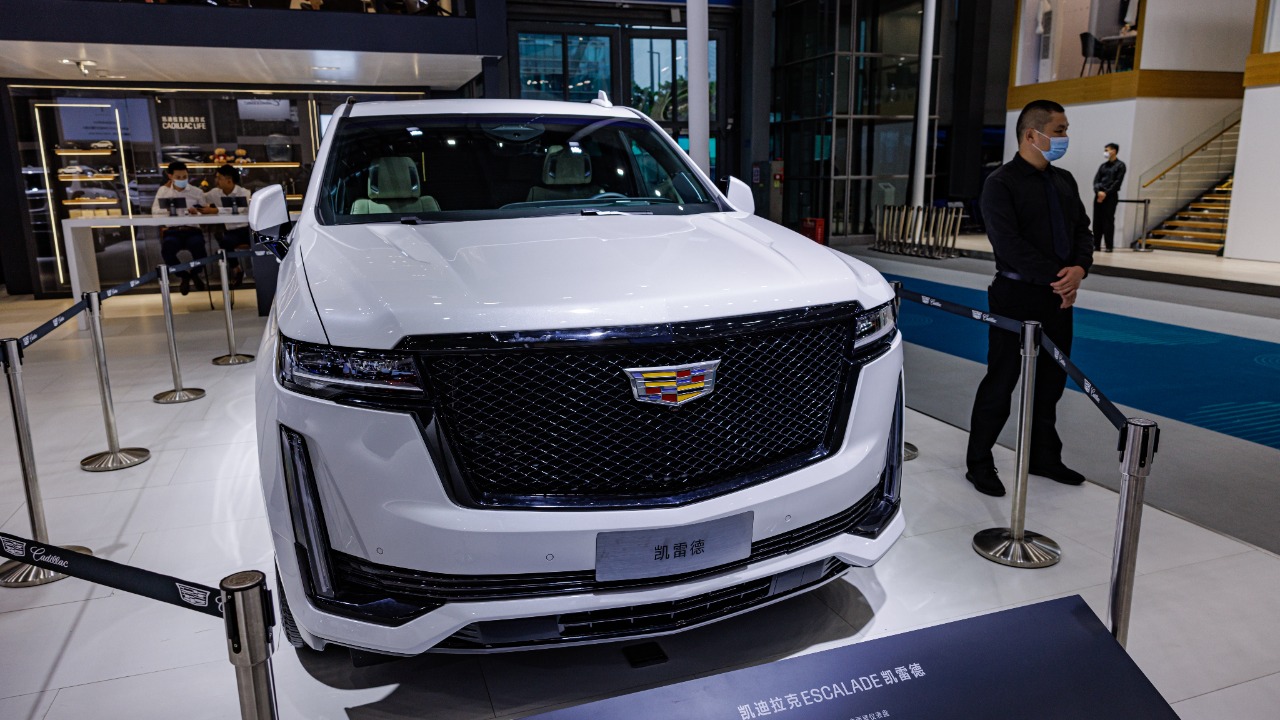
While all modern SUVs present their own set of challenges, there are a few that mechanics particularly dread. According to a report, the top five are the Range Rover, Audi Q7, Cadillac Escalade, BMW X5, and Porsche Cayenne. These vehicles, renowned for their luxury and performance, have complex systems that often require specialized training and tools to repair.
For instance, the Range Rover’s air suspension system, while providing a smooth ride, is notorious for problems, making it a dreaded repair job. The Audi Q7’s complex electrical system, on the other hand, often leads to challenging diagnostic tasks. Mechanics have shared their experiences dealing with these vehicles, with many stating that they often expect the worst when one of these rolls into their shop.
Common Issues with Complex SUVs
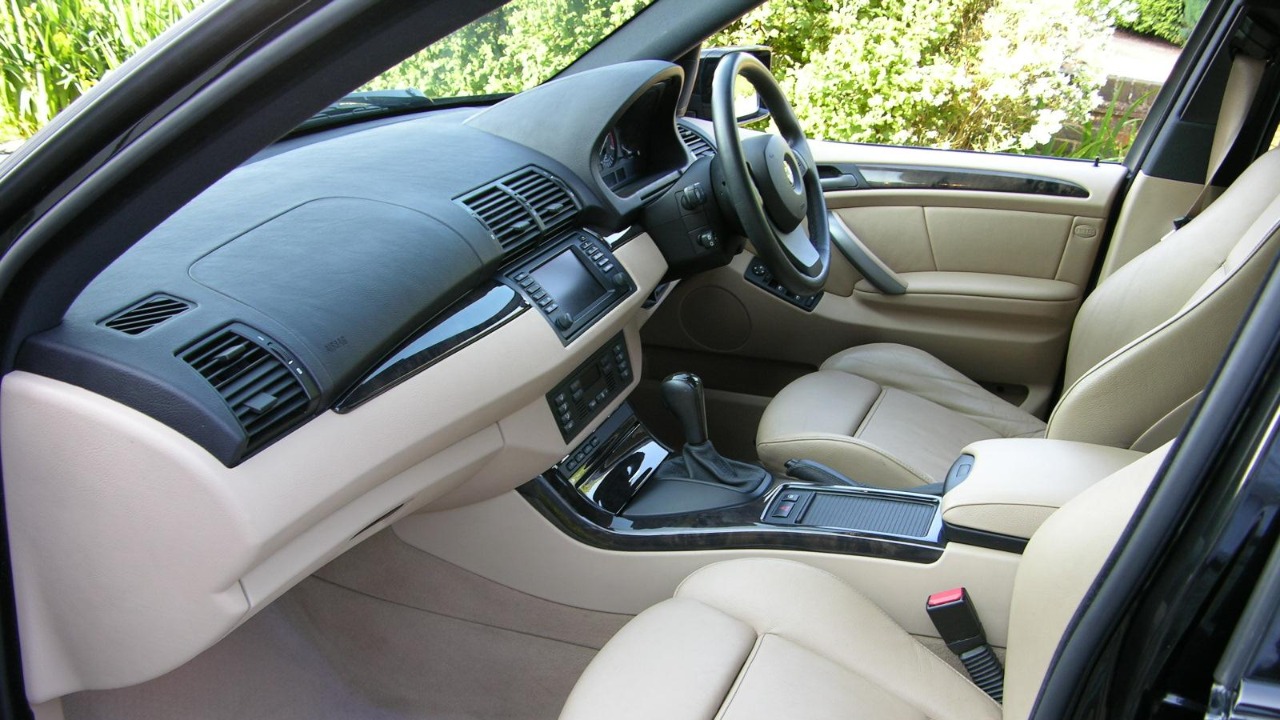
Complex SUVs present a range of common issues that can be a headache for mechanics. Electrical problems, software glitches, and issues with advanced driver-assistance systems (ADAS) are just a few of the challenges. In many cases, these issues require not just mechanical expertise but also a deep understanding of software and electronics.
Furthermore, these issues can lead to increased repair time and costs. For instance, replacing a broken camera or sensor in an ADAS can be a costly affair, not only due to the high cost of the parts but also the time required to properly calibrate the system after replacement. This, combined with the complexity of the task, can often lead to a significant repair bill.
The Skill Gap in the Automotive Industry

The rise in SUV complexity has highlighted a growing skill gap in the automotive industry. As these vehicles become more technologically advanced, mechanics must continuously update their skills to keep up. This study discusses the need for further training and education in the automotive industry, as traditional mechanical skills are no longer sufficient to repair modern vehicles.
Many mechanics now find themselves needing to understand complex software systems, electronic circuits, and even networking protocols. This has led to a situation where technicians with a background in information technology are now as important to a repair shop as those with traditional mechanical skills.
The Future of SUV Repairs
As the complexity of SUVs continues to increase, the industry must adapt to meet the challenges. One potential solution is the increased use of remote diagnostics and software updates, similar to what Tesla has been doing. This can help to reduce the need for physical repairs, as many issues can be resolved remotely. However, for this to be effective, it requires a significant investment in infrastructure and training.
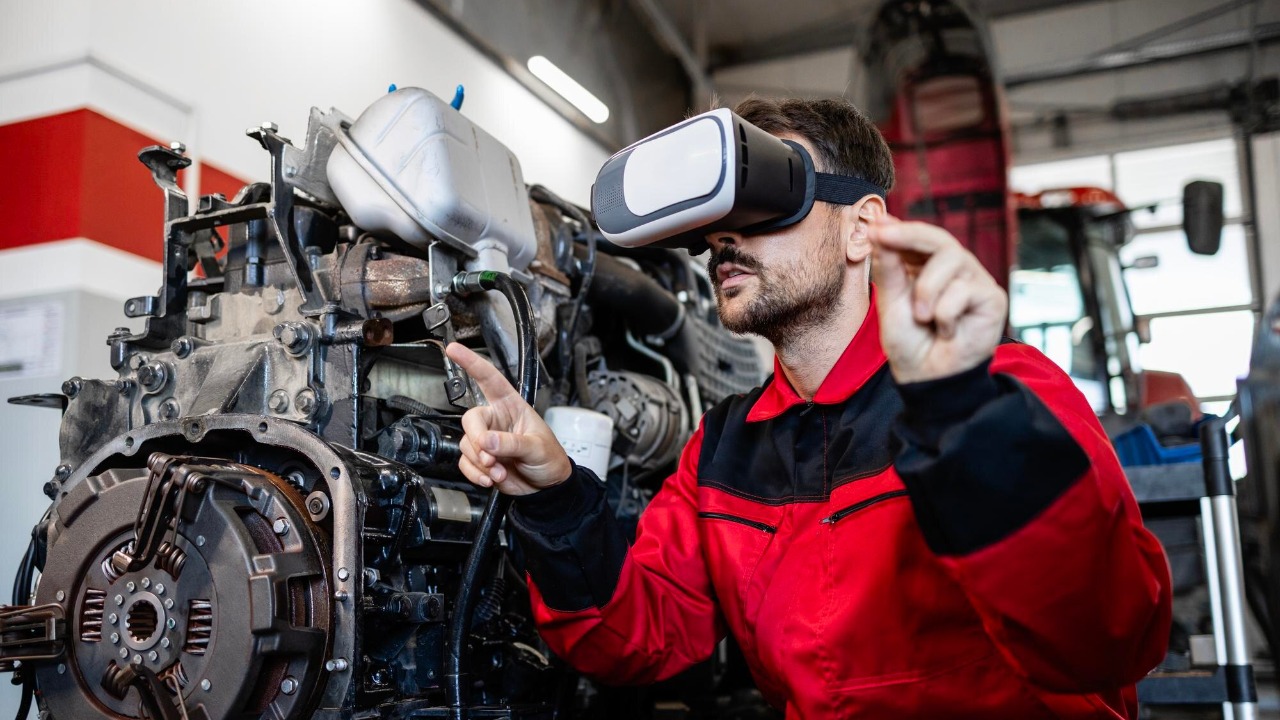
Another possibility is the increased use of augmented reality (AR) in repairs. With AR, mechanics can overlay digital information onto the physical world, aiding in tasks such as identifying components and guiding repairs. This technology, already being explored in training applications, could help bridge the skill gap and reduce the dread mechanics feel when faced with a complex SUV repair.
Ultimately, the future of SUV repairs will depend on how well the automotive industry can adapt to these challenges. With the right training, tools, and technology, it’s possible that the dread mechanics currently feel when faced with a complex SUV repair could be a thing of the past.