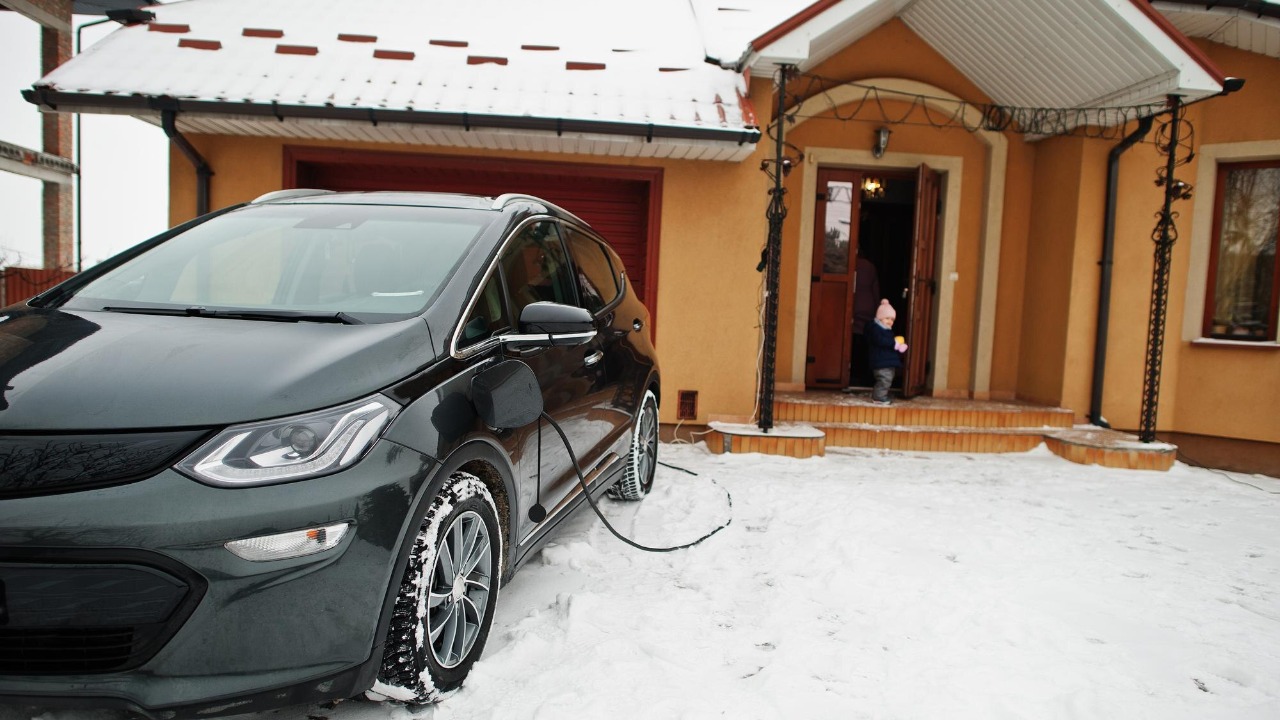

As the adoption of electric cars accelerates, one of the critical obstacles they grapple with is the significant reduction in driving range during the chilly winter months. This piece dives into the reasons behind these performance drops and explores potential solutions to combat this issue.
Impact of Cold Weather on Electric Car Performance
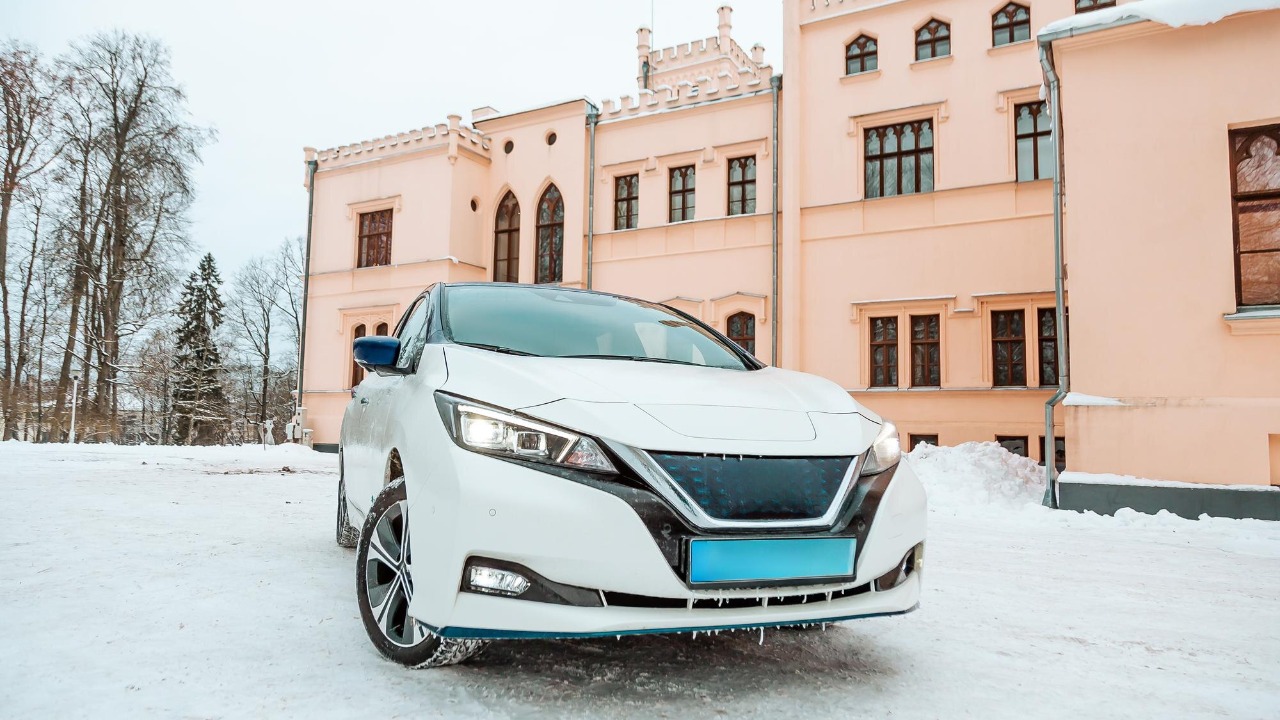
Cold weather doesn’t just make us want to stay indoors, it also affects the performance of electric vehicles (EVs). The temperature can significantly impact the range of EVs, which is largely due to the chemical reactions within the battery. These reactions, which generate electricity, are slowed down by cold conditions, resulting in a decrease in the battery’s energy output and, consequently, the vehicle’s range.
Real-world winter tests of electric vehicles have highlighted the extent of this problem. For instance, a winter test of a Chevrolet Bolt EV showed a drop in range of almost 100 miles when the temperature fell from 70°F to 20°F. These tests underscore the challenges that cold weather poses for electric vehicles and the importance of finding solutions to mitigate these effects.
Prevalence of the Issue: Data and Statistics
The problem of range drops in winter is not just limited to isolated cases. Research has shown that, on average, an electric vehicle’s range can fall by 20% to 40% in cold weather. This reduction is considerably more prominent than in conventional gasoline vehicles, where cold weather impacts are relatively minor.
Not surprisingly, this issue tends to be most prevalent in colder geographical regions. For instance, EV owners in regions like Scandinavia and Canada often experience greater range reductions during winter. A study by Sustainability by Numbers revealed that in Norway, one of the world’s leading countries in EV adoption, drivers reported an average range loss of about 30% during winter.
Technologies to Combat Winter Range Drops
Fortunately, technological solutions are being developed to tackle the problem of winter range drops. One of the strategies is to improve in-car heating technologies. By reducing the energy demand for heating the cabin, more battery power can be allocated for driving. For instance, heat pumps, which are more efficient than traditional resistive heaters, are becoming increasingly common in electric vehicles like the Nissan Leaf and Tesla Model 3.
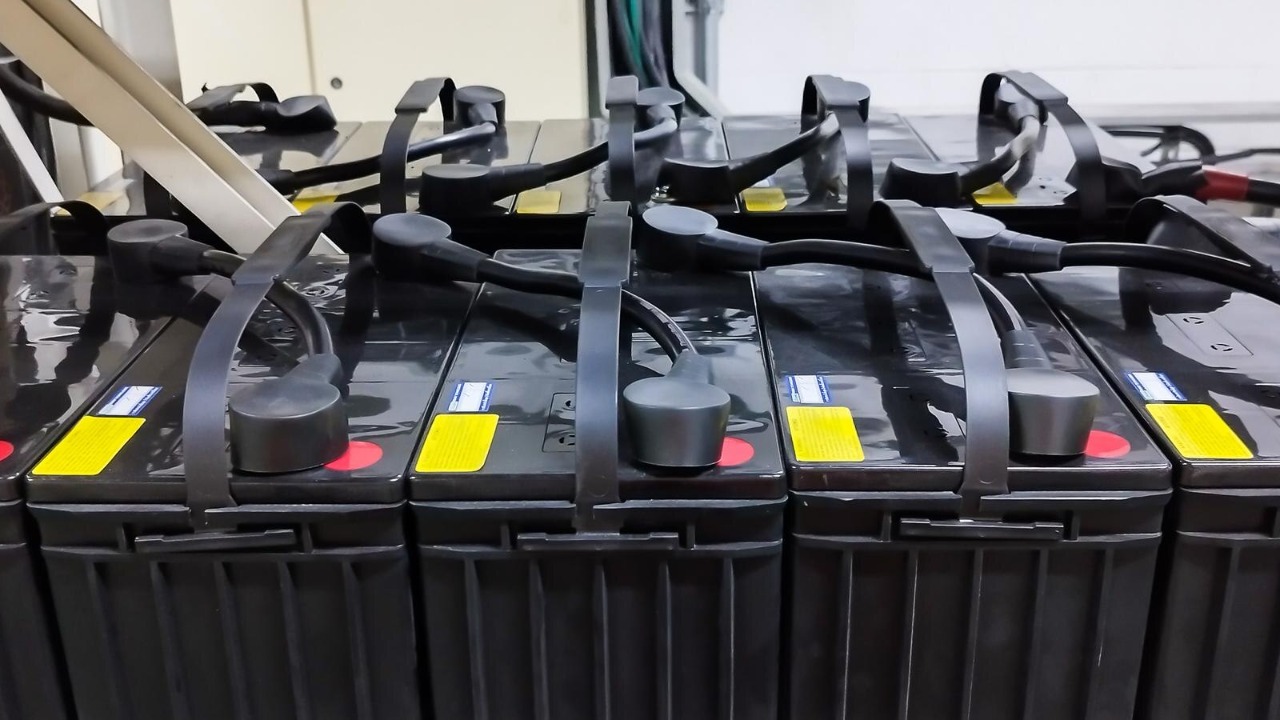
Another promising approach is to optimize battery performance through thermal management systems. These systems can warm up the battery in cold weather to maintain optimal operating temperatures, thereby improving performance. Moreover, constant advancements in battery technology, such as solid-state batteries, could lead to significant improvements in electric vehicle range, even in cold conditions.
Practical Tips for EV Owners During Winter
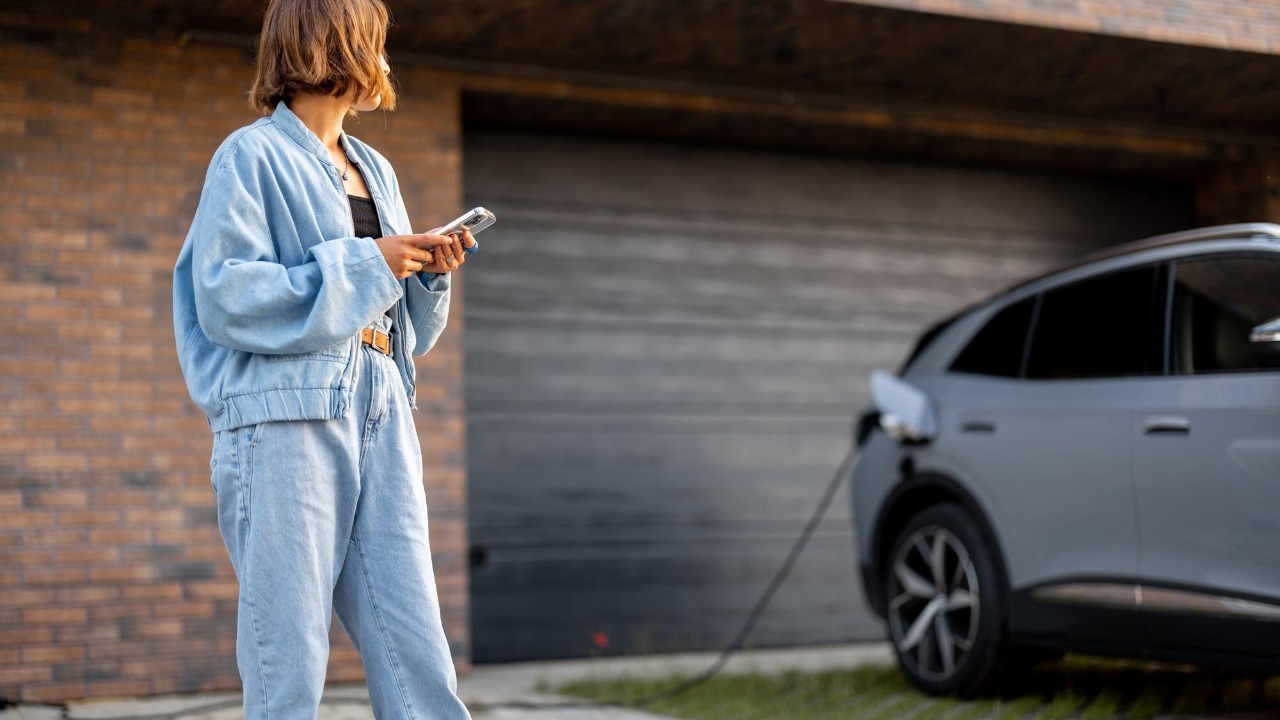
While we wait for these technological solutions to become mainstream, there are some practical steps that EV owners can take to maximize their vehicle’s range in cold weather. One of these is pre-heating the car while it’s still plugged in. This way, the car’s energy is used for heating, not the battery’s, which can help preserve the range.
Regular maintenance is also crucial in ensuring optimal winter performance. This includes checking the tire pressure, which can drop in cold weather and lead to increased rolling resistance. Lastly, adopting certain driving habits, like avoiding sudden acceleration and deceleration, can help extend the electric vehicle’s range in winter.
Future Outlook: Improving EV Winter Performance
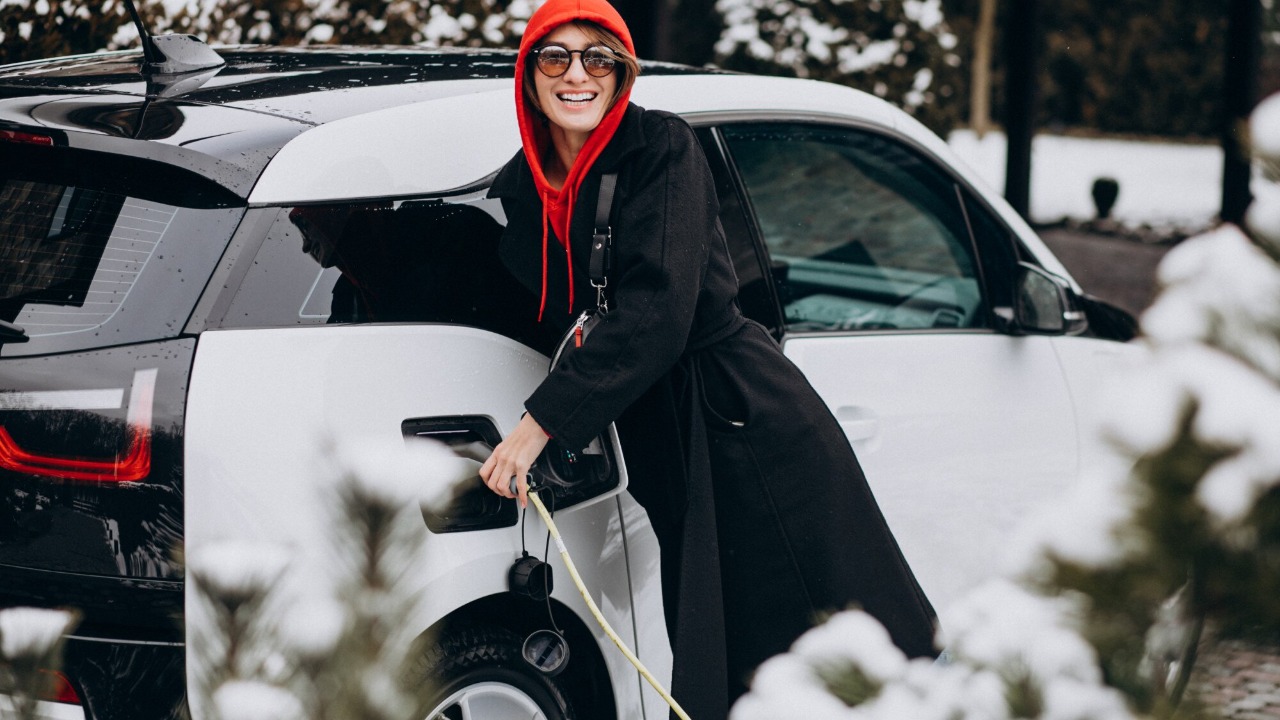
Despite the current challenges, the future looks bright for improving electric vehicle performance in cold weather. Ongoing research and development efforts are aimed at enhancing the battery technology and thermal management systems in EVs. These improvements could significantly reduce the impact of cold weather on electric vehicle range.
Furthermore, the growth of the electric vehicle market could also be influenced by these advancements. As winter range becomes less of an issue, we can expect to see higher adoption rates in colder regions. Government policy and infrastructure also play a vital role in supporting electric vehicle use in cold climates. For instance, increasing the availability of fast-charging stations can reduce range anxiety and make EVs a more viable option, even in chilly conditions.
A decade of testing EVs has shown that while cold weather does impact range, it’s not insurmountable. As we continue to learn, innovate, and adapt, we can expect to see electric vehicles becoming an increasingly common sight, even in the coldest corners of the globe. As Torque News puts it, the truth about EVs in winter might be a little different than what we’re led to believe.