

The rise in the popularity of health applications has unfortunately been accompanied by an escalating risk to user privacy. These apps, designed to assist individuals in managing their wellbeing, have been found guilty of leaking sensitive personal information, causing significant concern for data breaches and potential harm to users.
The Current State of Healthcare Data Breaches
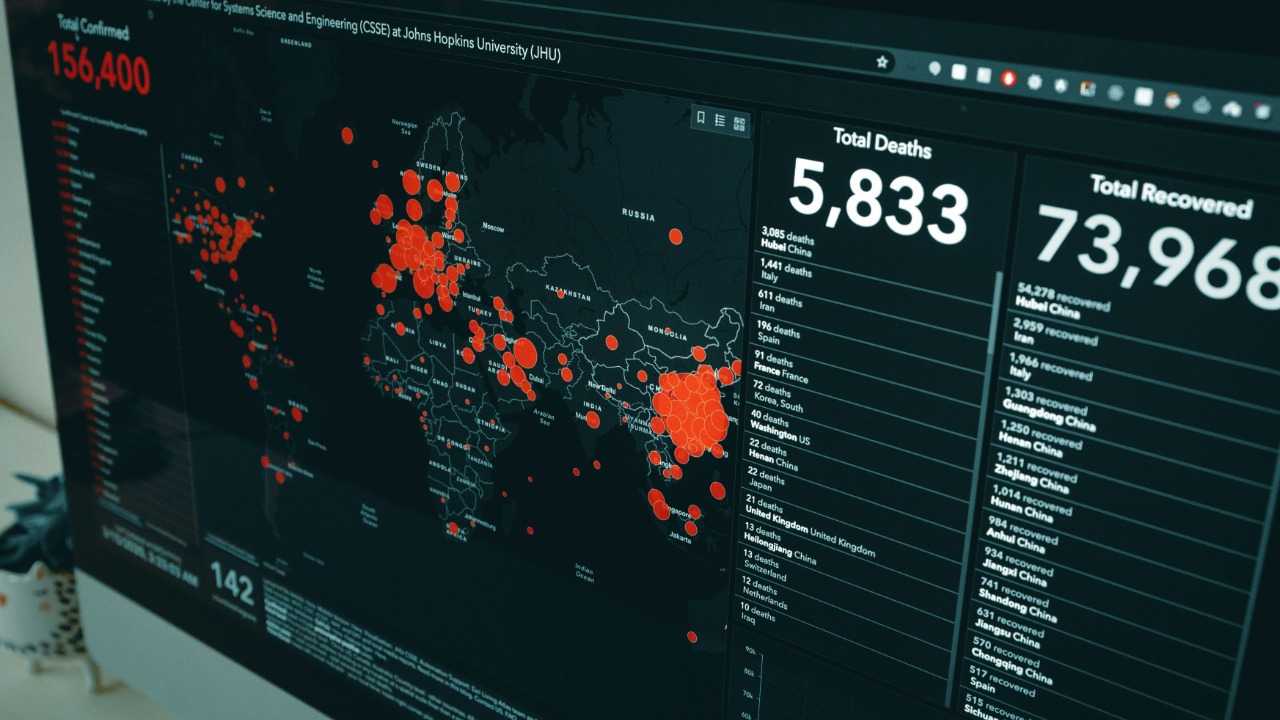
Healthcare data breaches have been reported to be at an all-time high, as mentioned in this Fox News article. The report reveals a disturbing trend of personal health information becoming increasingly accessible to unauthorized individuals. This data isn’t just limited to health records; it extends to financial data and personal identification details, contributing to a comprehensive profile of an individual’s life.
The implications of such breaches are far-reaching and potentially devastating. Identity theft and fraudulent activity are the most immediate threats. However, the long-term effects on the victims, such as the psychological impact and potential damage to their reputation, can be equally damaging. The infringement on personal privacy can lead to a loss of trust in health apps, potentially hindering the digital healthcare evolution.
Alarm Bells from Data Security Experts

Data security experts have issued stern warnings about the risks associated with health apps. A Yahoo News article highlights the lack of adequate security measures in many of these apps, leaving them vulnerable to data breaches. The article warns that this lack of security could potentially be exploited by hackers and cybercriminals.
Leaked data from health apps can provide a treasure trove of information for malicious actors. Beyond identity theft, this information can be used to target individuals with personalized scams, exploit their medical conditions for profit, or even manipulate their health data for nefarious purposes.
Study Findings on Health Apps and Data Leakage

A study published in the PMC, provides evidence that most health apps leak data. The researchers used rigorous methods to test various health apps, focusing on their data security measures and the extent of data leakage.
Their findings are concerning, suggesting a widespread issue across the health app industry. With the increasing reliance on these apps for personal health management, these findings highlight an urgent need for improved data security measures. This not only affects users but also has significant implications for the healthcare industry, which is increasingly integrating digital tools into its operations.
Privacy Challenges Posed by New Health Apps

As technology advances, new health apps emerge, each posing potential privacy challenges. An article from Renal and Urology News highlights this issue, pointing out the lack of regulation and oversight in the health app industry.
Many of these new applications lack stringent privacy policies and security measures, leaving user data vulnerable to breaches. The rapid innovation in the health tech space often outpaces regulatory measures, leaving gaps in user protection that can be exploited. This calls for a more proactive approach from developers and regulatory bodies to ensure user privacy is prioritized.
Healthcare Workers’ Role in Data Leaks

Healthcare workers also play a significant role in data leaks, as highlighted in a Medical Economics article. With the increasing use of AI tools and cloud apps in healthcare, patient data can be inadvertently leaked due to lack of proper training or secure platforms.
It is essential that healthcare providers take steps to prevent such breaches. This includes providing adequate training to staff on data security best practices and ensuring the use of secure platforms. Furthermore, health tech companies must take responsibility for designing user-friendly security features that can be easily adopted by healthcare workers.