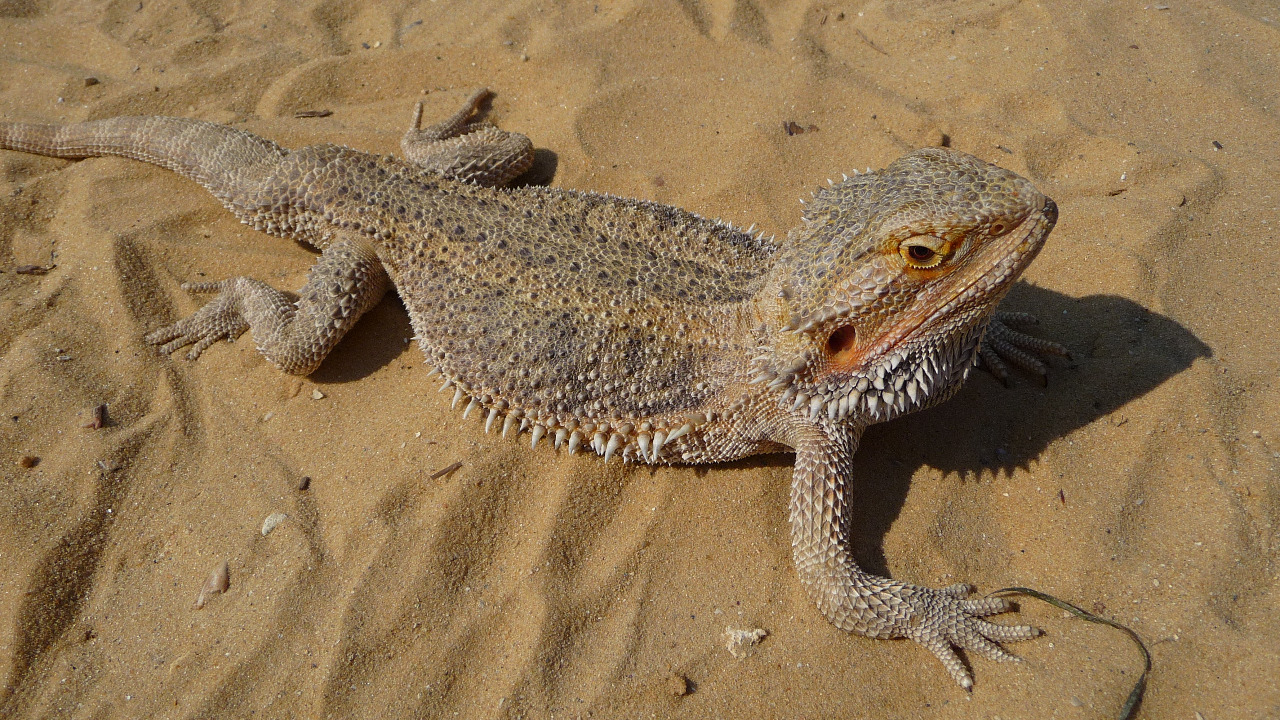

Bearded dragons, popular as pets and fascinating subjects of study, have recently become the center of a scientific breakthrough. Researchers have uncovered the mechanisms behind their ability to switch sex, a phenomenon that sheds light on the complex dynamics of reptilian development and adaptation. This discovery provides new insights into the intricate processes that govern the lives of these remarkable creatures.
The Phenomenon of Sex Switching in Reptiles

Sex determination in reptiles is a complex process influenced by both genetic and environmental factors. In many reptile species, sex is determined genetically, much like in mammals, where specific chromosomes dictate the development of male or female characteristics. However, in some reptile species, environmental factors, notably temperature, play a crucial role in determining sex. This temperature-dependent sex determination (TSD) is particularly common among reptiles such as turtles and crocodiles, where the temperature at which the eggs incubate can influence the sex of the offspring.
Bearded dragons have become a focal point in the study of sex switching due to initial observations that revealed unexpected sex changes. Researchers observed that in certain temperature conditions, genetically male bearded dragons could develop female characteristics, leading to a deeper investigation into this curious phenomenon. This discovery put bearded dragons at the forefront of reptilian sex determination research, offering a unique perspective on how environmental factors can override genetic predispositions.
When comparing bearded dragons to other reptilian species, it becomes evident that sex switching is not entirely unique but rather a variant of a broader phenomenon observed in reptiles. For instance, some reptiles such as the Australian skink and certain types of turtles also exhibit temperature-driven sex determination. However, the ability of genetic males to become functional females is a unique trait that provides an exciting opportunity to study the flexibility of biological systems in response to environmental changes.
Genetic and Environmental Triggers

The role of temperature in sex determination is a well-documented phenomenon in reptiles, but it remains a complex interplay of factors. In bearded dragons, it has been found that higher incubation temperatures can lead to sex reversal, where genetic males develop into functional females. This process is not just a simple response to heat; it involves a cascade of genetic and hormonal changes that allow the organism to adapt to environmental conditions. The precise temperature thresholds and the molecular mechanisms involved are still being unraveled, opening new avenues for research.
Recent studies have identified specific genetic pathways that contribute to sex switching in bearded dragons. Researchers have discovered that the ZW chromosome system, where ZW denotes a female and ZZ denotes a male, can be overridden by high incubation temperatures, leading to ZZ individuals developing as females. This genetic flexibility is facilitated by a network of genes that respond to temperature cues, thus influencing the development of sexual characteristics. Understanding these genetic pathways is crucial for unraveling the complexities of sex determination and the evolutionary implications of such adaptations.
The interaction between genes and the environment is a pivotal factor in the sex-switching process. In bearded dragons, this interplay highlights the organism’s ability to adapt to changing environments. As climate change alters global temperatures, the ability of species to adapt their reproductive strategies could prove vital for their survival. The study of bearded dragons, therefore, not only enhances our understanding of reptilian biology but also provides insights into how organisms might cope with ecological challenges.
Scientific Techniques and Research Advances
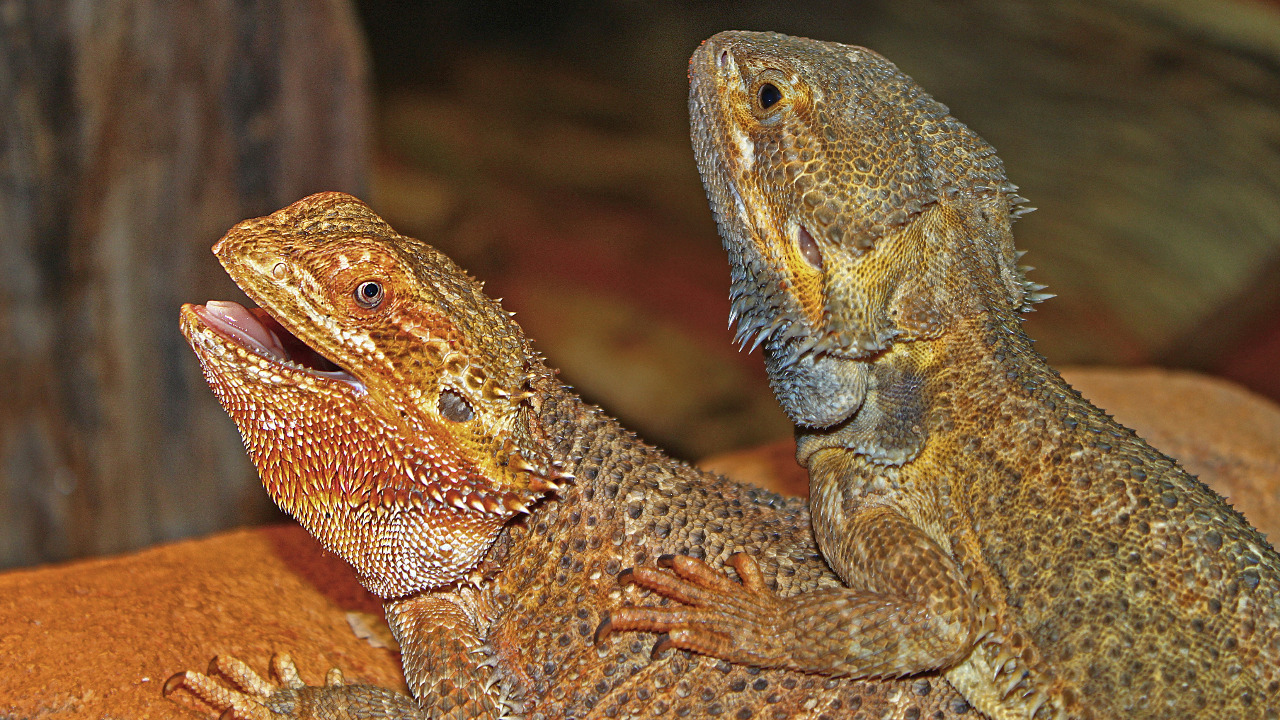
In recent studies, researchers have employed a range of cutting-edge techniques to uncover the mechanisms behind sex switching in bearded dragons. Techniques such as gene sequencing have allowed scientists to identify the specific genes involved in the process. Temperature manipulation experiments have further elucidated how environmental changes can trigger genetic responses leading to sex reversal. These methodologies have been instrumental in advancing our understanding of the genetic and environmental drivers of sex determination.
Key findings from recent research have revealed that sex switching in bearded dragons involves a complex interaction between genetic and environmental factors. Studies have shown that certain genes, when influenced by temperature, can lead to the development of female characteristics in genetically male dragons. This discovery has profound implications for our understanding of sex determination, offering new insights into the adaptability and resilience of reptiles in the face of environmental changes. For more detailed insights, the study on bearded dragons provides a comprehensive look at these findings.
The implications of these findings extend beyond the realm of reptilian biology. By shedding light on the mechanisms of sex switching, researchers are contributing to the broader field of evolutionary biology and genetics. These discoveries challenge traditional views of sex determination and highlight the dynamic nature of genetic and environmental interactions. As we continue to explore these processes, we gain a deeper understanding of the evolutionary strategies that organisms employ to survive and thrive in diverse environments.
Impact on Conservation and Ecology
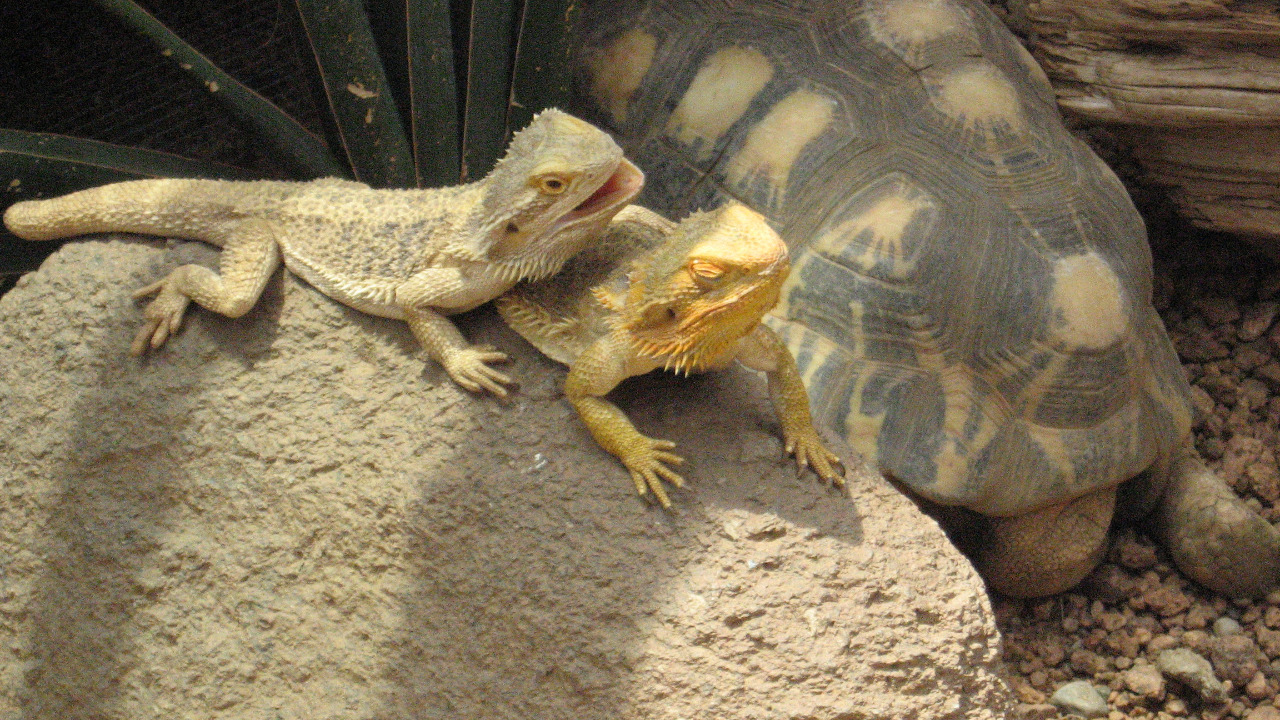
Understanding the mechanisms of sex switching in bearded dragons has significant implications for conservation efforts. By unraveling the genetic and environmental factors that influence sex determination, conservationists can develop strategies to support the survival of these reptiles in the wild. For instance, managing incubation temperatures in breeding programs could help maintain balanced sex ratios and ensure the long-term viability of populations. Insights from these studies are also applicable to other reptile species facing similar ecological challenges.
Sex switching can have profound effects on population dynamics in reptiles. In species where sex determination is influenced by environmental factors, changes in climate can impact sex ratios and, consequently, the reproductive success of populations. Understanding these dynamics is crucial for predicting how populations might respond to environmental changes such as global warming. The ability to anticipate shifts in sex ratios can inform conservation strategies and help mitigate the impacts of climate change on vulnerable species.
Beyond conservation, the ecological consequences of sex switching are far-reaching. As climate change continues to alter habitats and ecosystems, the ability of reptiles to adapt their reproductive strategies could play a critical role in maintaining biodiversity. The insights gained from studying bearded dragons and their sex-switching capabilities offer valuable lessons for understanding the resilience of ecosystems in the face of environmental change. For more information on the ecological impacts, visit this resource.
Future Directions in Research
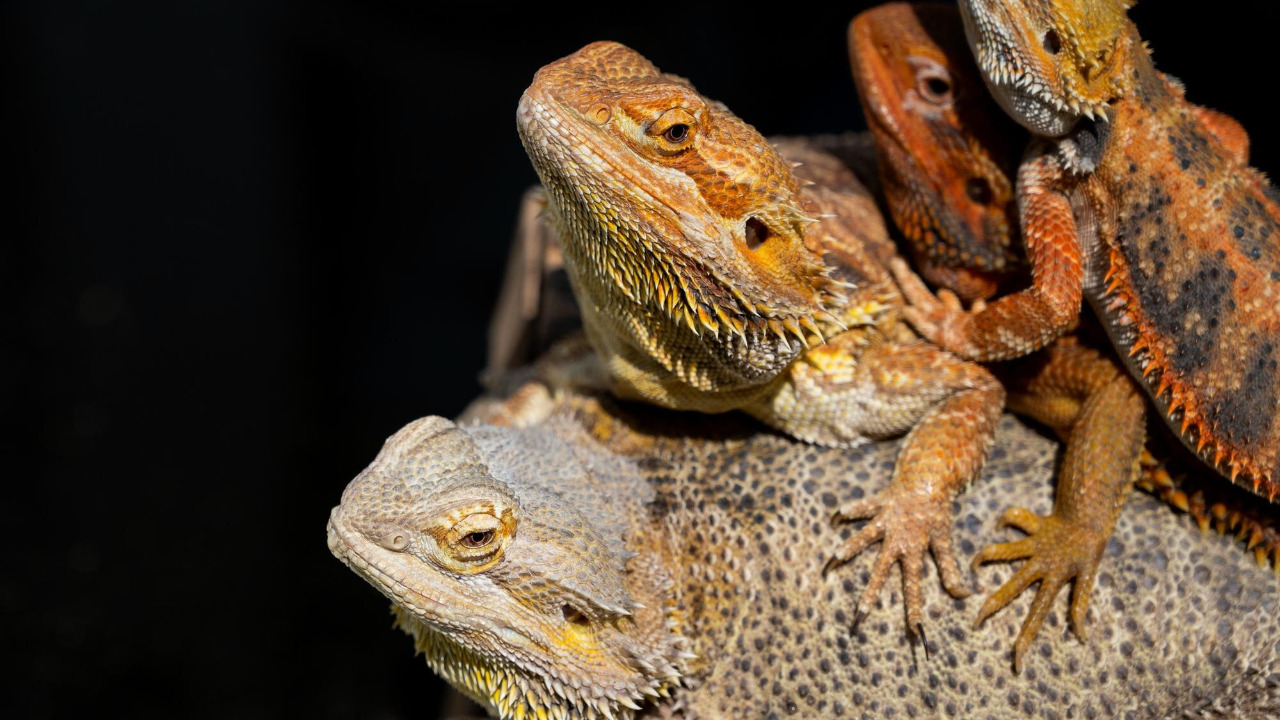
While significant strides have been made in understanding sex switching in bearded dragons, there remain gaps in our knowledge that warrant further investigation. Future research could focus on identifying additional genetic pathways involved in sex determination and exploring how these pathways interact with environmental factors. Additionally, studies could examine the long-term evolutionary implications of sex switching and its role in species adaptation.
Technological advancements hold great promise for enhancing our understanding of sex switching in reptiles. Emerging techniques such as CRISPR gene editing and advanced imaging technologies could provide deeper insights into the genetic and physiological processes involved. By leveraging these tools, researchers can gain a more comprehensive understanding of the mechanisms driving sex determination and their broader implications for biology and ecology.
Collaboration and interdisciplinary studies will be essential in unraveling the complexities of reptile biology. By bringing together experts from fields such as genetics, ecology, and climate science, researchers can develop a holistic understanding of sex switching and its implications. Such collaborative efforts will be crucial for addressing the challenges posed by environmental changes and ensuring the conservation of reptile species. The ongoing research and collaboration are detailed further in this scientific study.