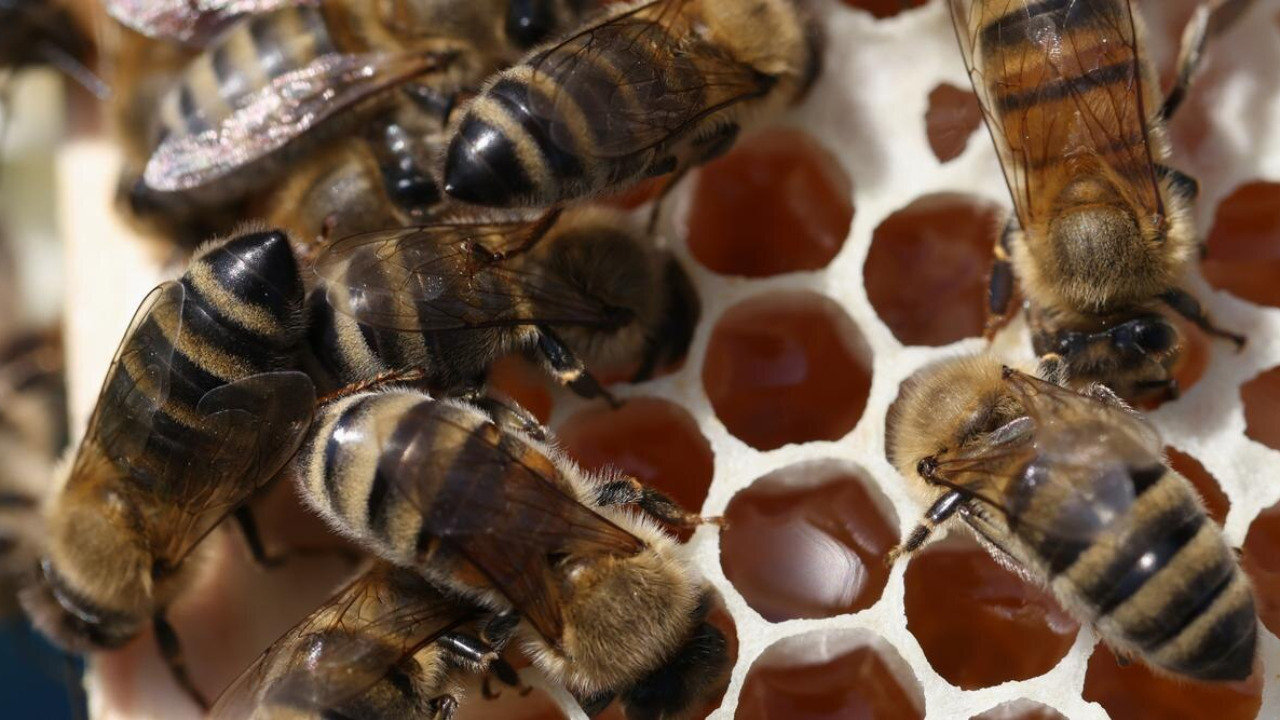

Recent advancements in biotechnology have led to the development of an engineered yeast-based “superfood” that significantly boosts bee colonies, with reports indicating a 15-fold increase in colony growth. This breakthrough offers a promising solution to the challenges faced by bee populations, which are crucial for global pollination and agriculture. The science behind this innovation, its potential impacts, and future implications for the ecosystem are truly groundbreaking.
The Science Behind Engineered Yeast Superfood
Understanding Yeast Engineering
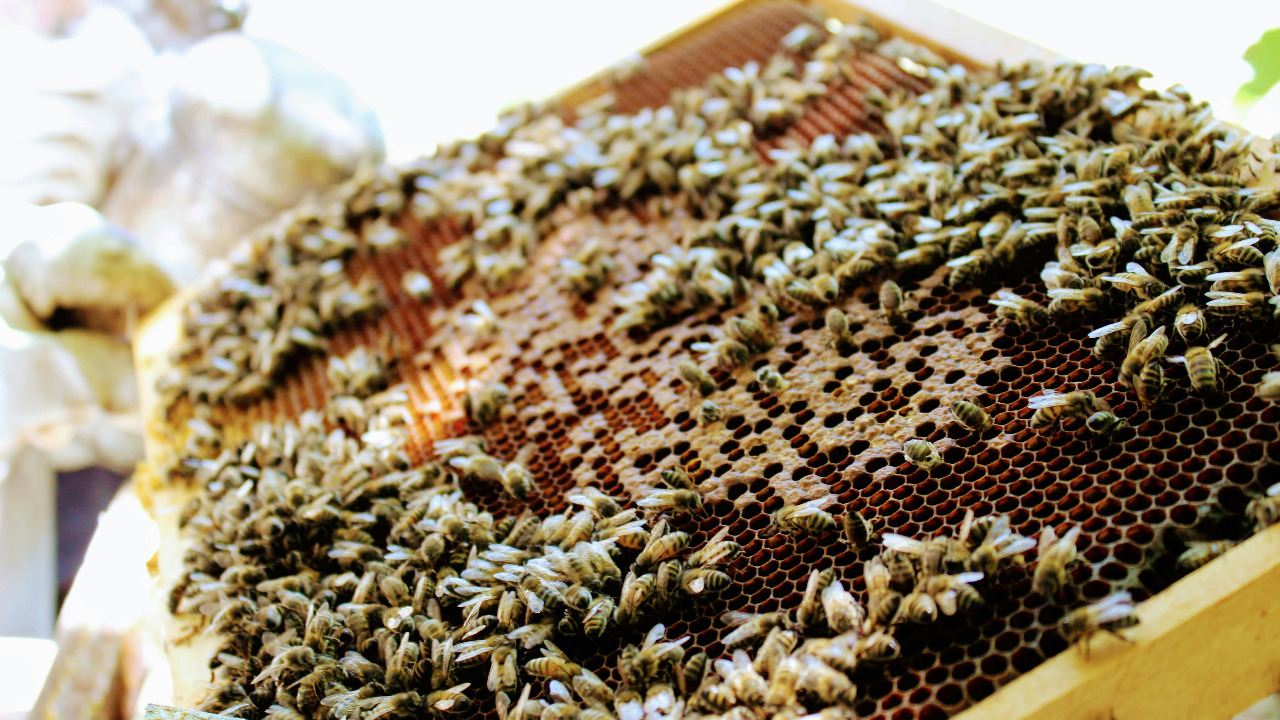
The creation of this engineered yeast superfood involves a meticulous process of genetic modification, where yeast is altered to produce nutrients that are critical for bee health. Scientists have been able to introduce compounds such as essential amino acids, vitamins, and probiotics into the yeast, which are often lacking in bees’ natural diet of pollen and nectar.
One of the major breakthroughs in this field is the ability to enhance the nutritional content of yeast through targeted genetic engineering. By using CRISPR technology, researchers can precisely edit the yeast’s genome to produce higher levels of nutrients like thiamine (vitamin B1) and biotin (vitamin B7), both of which are essential for bees’ energy metabolism and overall health. These modifications not only improve the nutritional value of the yeast but also make it a sustainable and efficient supplement for bee colonies.
Role of Superfood in Bee Metabolism
The superfood plays a crucial role in improving bees’ metabolic processes. Enhanced nutrition from the engineered yeast leads to a more robust energy metabolism, which is vital for bees’ foraging activities and overall vitality. Scientific studies have shown that bees consuming this superfood exhibit increased ATP production, which is essential for muscle function and endurance.
Data from recent research, such as those published in peer-reviewed journals, supports these findings, indicating that bees fed with the engineered superfood have improved metabolic rates and are better equipped to handle environmental stressors. This boost in metabolism not only contributes to the bees’ immediate health but also has long-term benefits for colony sustainability and growth.
Comparative Analysis with Traditional Bee Food Sources
When comparing the nutritional profile of the engineered superfood with traditional bee food sources like pollen and nectar, the differences are notable. While natural sources provide basic nutrients, the engineered yeast offers a more complete nutritional profile, tailored specifically to the needs of bees. This includes higher levels of proteins, vitamins, and other micronutrients that are often deficient in natural diets due to agricultural monocultures and habitat loss.
The efficiency and sustainability of the superfood are evident when considering its production process. Unlike natural pollen and nectar, which are subject to seasonal and environmental fluctuations, engineered yeast can be produced consistently and on a large scale. This not only ensures a reliable food source for bees but also reduces the dependency on natural habitats, contributing to more sustainable apiculture practices.
Impact on Bee Colony Health and Growth
Significant Increase in Colony Population
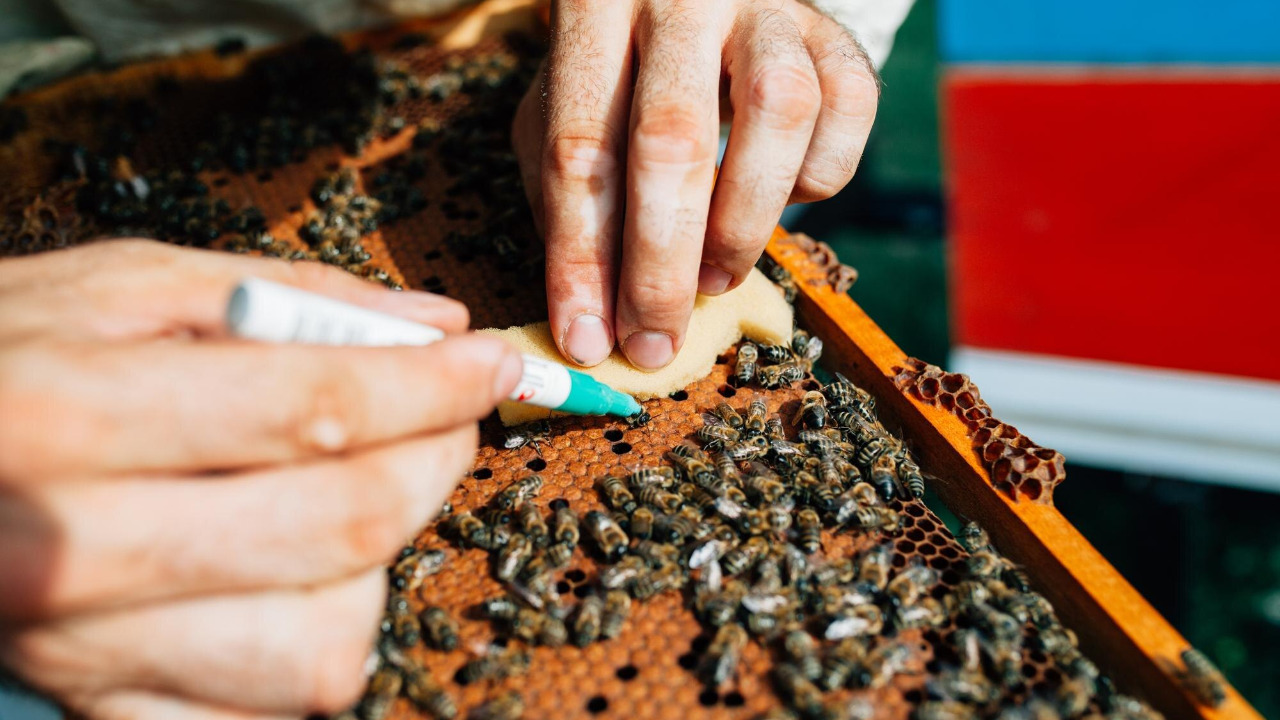
The impact of the engineered superfood on bee colony health is profound, with reports of a 15-fold increase in colony population. This statistic is backed by studies and real-world cases where beekeepers have implemented the superfood, observing remarkable growth in colony sizes within a few months.
These case studies provide compelling evidence of the superfood’s effectiveness, demonstrating that enhanced nutrition can lead to healthier and more prolific colonies. Beekeepers from various regions have reported not only an increase in bee numbers but also improvements in overall colony health and productivity.
Enhancement of Bee Immunity and Longevity
In addition to boosting colony numbers, the superfood has been shown to enhance bee immunity and longevity. The nutrients within the engineered yeast fortify the bees’ immune systems, making them more resilient to pathogens and diseases that have historically decimated bee populations.
This improved immunity, coupled with the nutritional benefits of the superfood, has the potential to increase the bees’ lifespan, allowing colonies to thrive over longer periods. As bees become more resistant to environmental stressors, their ability to survive in adverse conditions improves, offering a promising avenue for combating the ongoing decline in bee populations globally.
Effects on Honey Production and Quality
The introduction of the superfood also has positive effects on honey production and quality. Healthier bees are more efficient foragers, which directly impacts the quantity and quality of honey produced. Studies indicate that bees consuming the superfood exhibit higher honey yields with improved nutritional profiles, benefiting both beekeepers and consumers.
The economic implications for the honey industry are significant. With increased honey production and enhanced quality, beekeepers can expect higher revenues and better market opportunities. This boost in productivity can potentially lead to more sustainable business models within the apiculture sector.
Environmental and Agricultural Benefits
Improved Pollination Efficiency
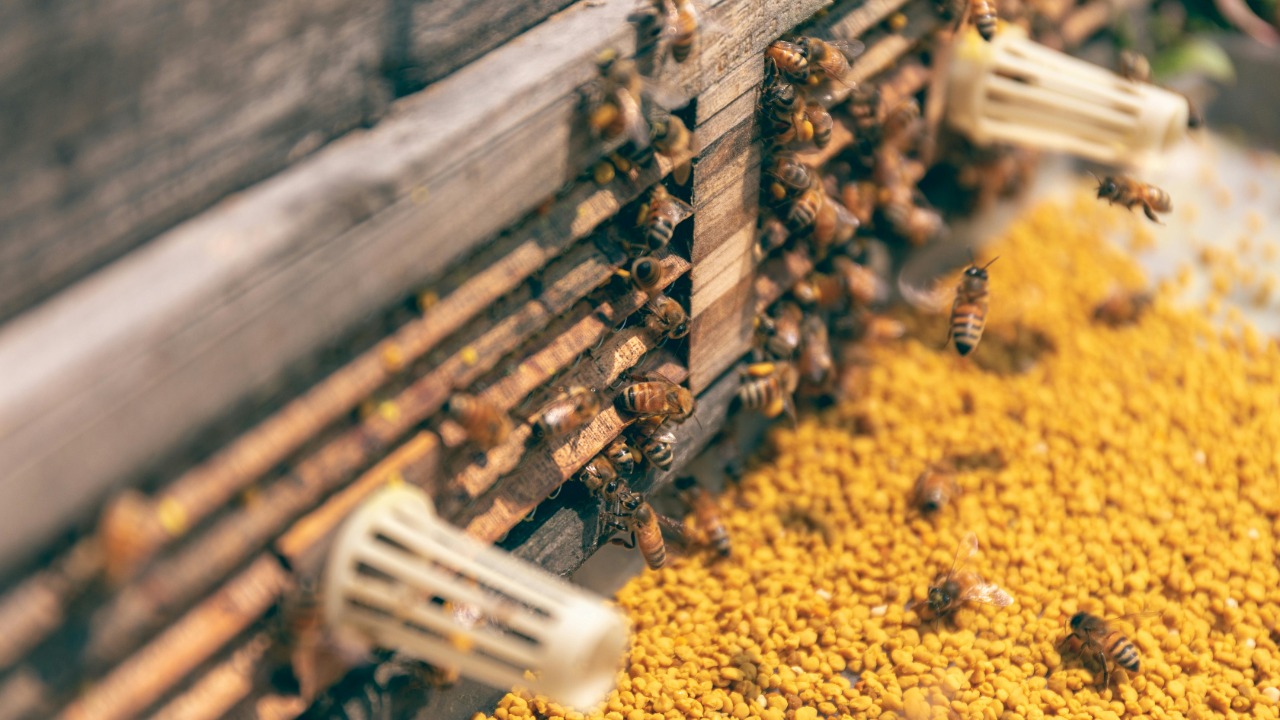
Healthier bee colonies contribute to more effective pollination, which is crucial for maintaining biodiversity and ensuring high crop yields. The engineered yeast superfood enables bees to be more active and efficient in their pollination activities, leading to improved outcomes for a variety of crops.
The ripple effects on agriculture are profound, as enhanced pollination can lead to increased crop yields and quality. This, in turn, supports global food security and helps sustain diverse ecosystems. The long-term benefits of improved pollination efficiency extend beyond agriculture, impacting the entire food chain and natural environments.
Potential Solution to Declining Bee Populations
With global bee populations in decline, the engineered superfood offers a viable solution to this pressing issue. By providing bees with the necessary nutrients to thrive, the superfood addresses some of the key factors contributing to population declines, such as malnutrition and disease susceptibility.
The role of the superfood in supporting sustainable agriculture cannot be overstated. As bee populations stabilize and grow, the agricultural sector benefits from improved pollination services, which are essential for the production of many fruits, vegetables, and nuts. This supports food security on a global scale and bolsters efforts to create more sustainable farming practices.
Implications for Ecosystem Balance
The broader environmental impacts of thriving bee colonies are significant. As primary pollinators, bees play a critical role in maintaining ecosystem balance by supporting plant reproduction and biodiversity. The introduction of the superfood has the potential to positively impact other species by contributing to a healthier and more balanced ecosystem.
Moreover, the interactions between bees and other pollinators and wildlife are likely to be influenced by the presence of more robust bee populations. This can lead to more harmonious coexistence and mutual benefits for various species, contributing to a more resilient and diverse ecosystem.
Future Prospects and Challenges
Scaling Up Production and Distribution
To realize the full potential of the engineered superfood, scaling up production and distribution is essential. This involves developing efficient manufacturing processes and supply chains to ensure the superfood reaches beekeepers worldwide. While the technology is promising, logistical challenges such as cost, infrastructure, and distribution networks must be addressed to facilitate widespread adoption.
The economic challenges associated with mass production include investment in technology and the establishment of facilities capable of producing large quantities of the superfood. However, the potential benefits for bee populations and agriculture justify these efforts, as they promise significant returns on investment in the long term.
Regulatory and Ethical Considerations
As with any genetically engineered product, the use of engineered yeast in agriculture raises regulatory and ethical concerns. It is crucial to establish clear regulatory frameworks that govern the use of genetically modified organisms (GMOs) in apiculture to ensure safety and public acceptance.
Ethical questions surrounding genetic modification and biodiversity must also be addressed. While the benefits of the superfood are apparent, it is important to consider the potential impacts on natural ecosystems and the genetic diversity of bee populations. Ongoing dialogue and research are essential to navigate these complex issues responsibly.
Potential for Further Innovations in Bee Nutrition
The success of the engineered yeast superfood opens the door for further innovations in bee nutrition. Researchers are already exploring additional enhancements that could provide even greater benefits to bee health, such as the inclusion of anti-parasitic compounds and other bioactive substances.
Continued investment in research and development, as well as collaboration between scientists, beekeepers, and industry stakeholders, could lead to groundbreaking discoveries in bee health sciences. The potential for future breakthroughs holds promise for not only bee populations but also the broader agricultural and environmental sectors.