

China has catapulted itself to the forefront of global rail infrastructure in just a decade, creating the largest rail network in the world. This transformation is a testament to its ambitious planning, technological innovation, and economic strategies that have redefined both domestic and international landscapes.
Economic Foundations of Expansion
Role of Economic Policies
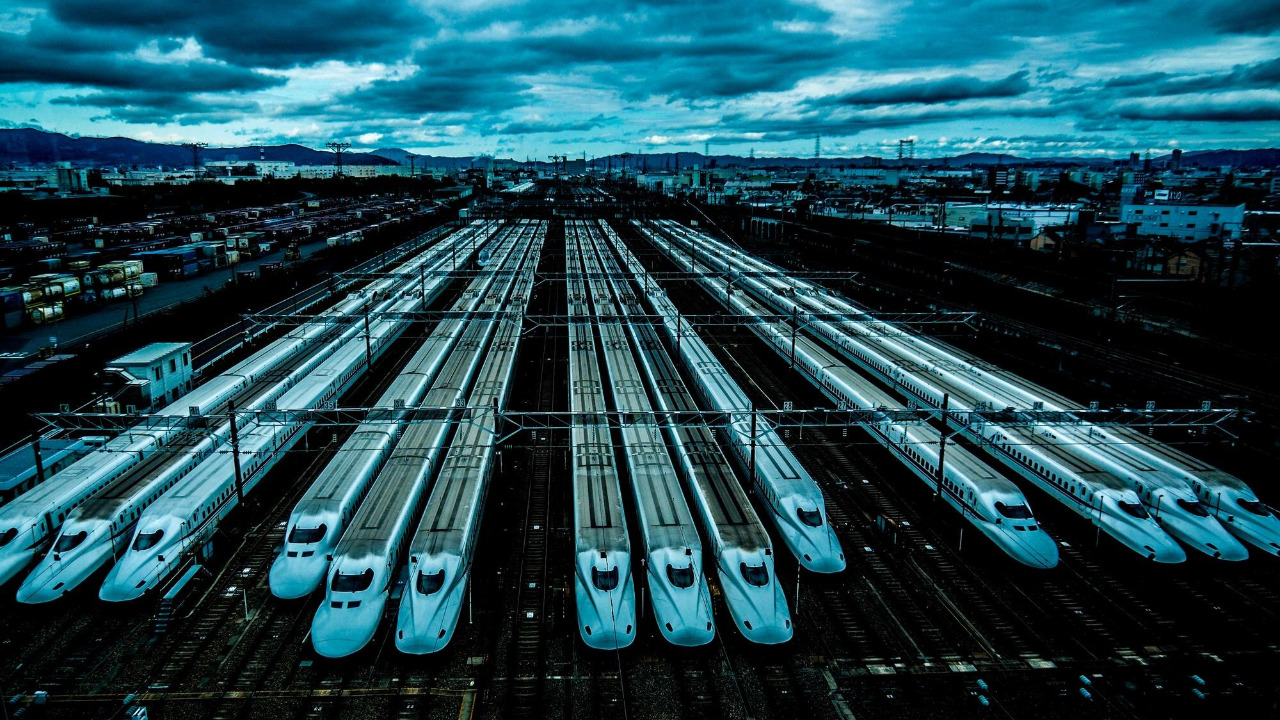
China’s economic policies have played a pivotal role in its infrastructure growth. The “Made in China 2025” initiative exemplifies the country’s strategic approach to transforming its industrial base. This policy has not only focused on manufacturing but also emphasized the improvement of infrastructure, including its extensive rail network. By aligning national goals with infrastructural development, China has managed to accelerate its economic transformation significantly.
Furthermore, the economic policies have supported large-scale investments in infrastructure, with rail development being a central component. The government’s strategic vision has enabled a seamless blend of policy and practice, fostering an environment where infrastructure projects can thrive and expand rapidly.
Investment Strategies
State funding and investment strategies have been at the core of China’s rapid rail development. By utilizing a combination of public and private investments, the nation has been able to commit substantial resources to rail projects. The government’s ability to mobilize financial resources efficiently has been instrumental, with state-owned enterprises playing a critical role in executing large rail projects.
These investment strategies have not only facilitated the rapid growth of the rail network but have also been a significant driver for economic prosperity. The expansion has stimulated economic activity, contributing to GDP growth and creating a myriad of employment opportunities across the nation.
Technological Innovations and Challenges

High-Speed Rail Advancements
China’s high-speed rail advancements have set global benchmarks. The country has developed cutting-edge technologies that allow trains to travel at remarkable speeds, reducing travel time between major cities and enhancing connectivity. The massive expansion of high-speed rail has not only demonstrated technological prowess but has also positioned China as a leader in rail innovation.
These advancements have been achieved through significant investment in research and development, as well as collaborations with international technology firms. China’s commitment to innovation in rail technology continues to be a driving force behind its infrastructure success.
Addressing Engineering Challenges
Building the world’s largest rail network within a decade has not been without its engineering challenges. The diverse geographical landscape of China presented numerous obstacles, from mountainous terrains to densely populated urban areas. However, through a combination of advanced engineering techniques and innovative problem-solving, these challenges have been effectively managed.
The implementation of cutting-edge engineering solutions, such as the construction of long tunnels and expansive bridges, has been crucial in overcoming these hurdles. China’s ability to address these challenges has further solidified its reputation as a leader in large-scale infrastructure projects.
Strategic Importance and Global Influence
Domestic Connectivity and Urbanization
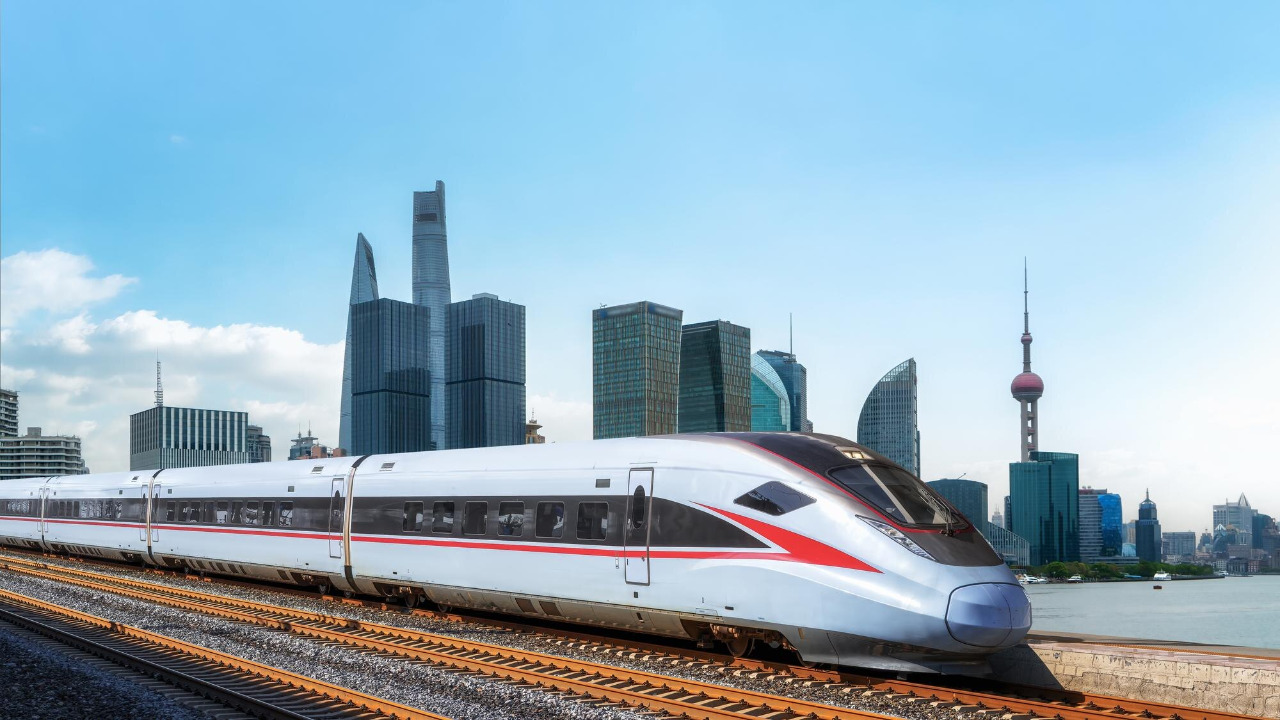
The rail network has significantly enhanced domestic connectivity, fostering urbanization and regional development. By linking major cities and rural areas, the rail system has facilitated the movement of people and goods across the country, contributing to balanced regional growth.
This connectivity has supported the government’s urbanization goals, encouraging population movement from rural to urban areas and stimulating economic activity in less developed regions. The rail network has become an integral part of China’s urbanization strategy, supporting sustainable development across the nation.
International Relations and Trade
The development of China’s rail network has also had profound implications for international relations and trade. As part of the Belt and Road Initiative, the rail system has enhanced China’s trade connectivity with neighboring countries and beyond. It has enabled more efficient transportation of goods, strengthening China’s trade partnerships and economic ties globally.
By investing in rail infrastructure, China has positioned itself as a crucial player in global trade, with the rail network serving as a vital link in international supply chains. This strategic expansion has further reinforced China’s influence on the global stage.
Social and Cultural Implications
Impact on Rural and Urban Populations
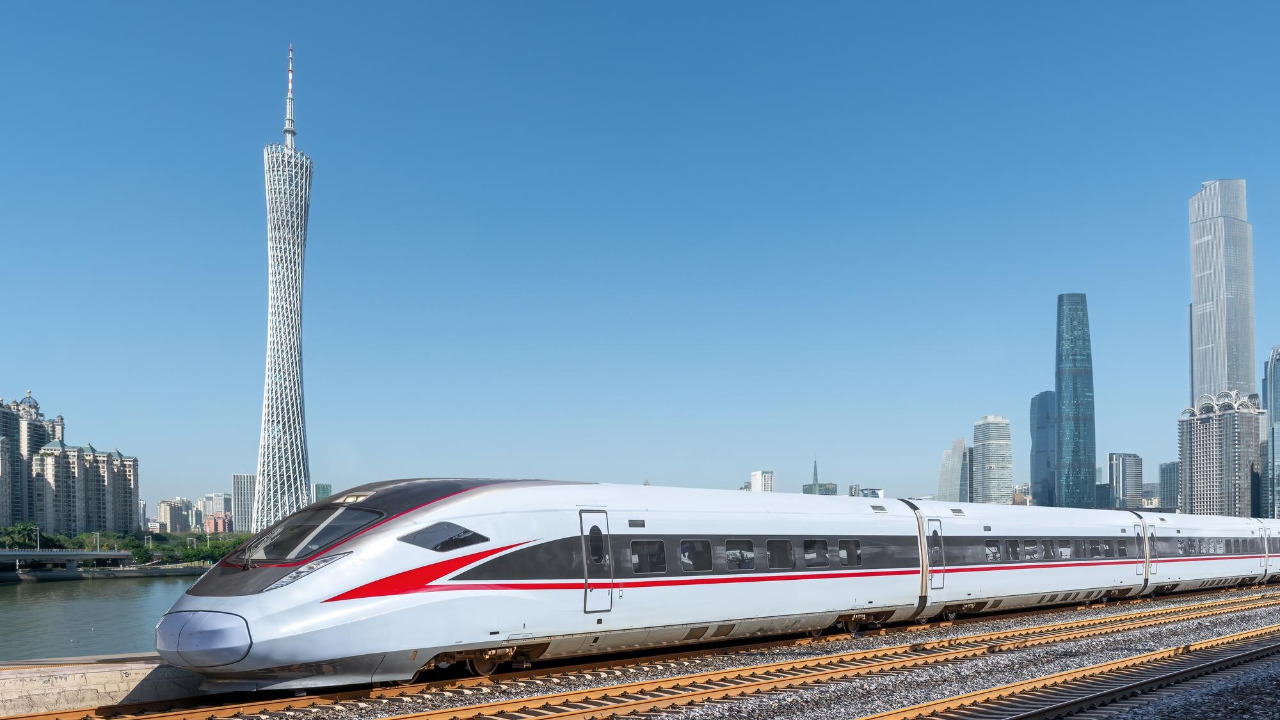
The improved connectivity brought about by the rail network has had significant social impacts on both rural and urban populations. For rural communities, access to the rail network has opened up new economic opportunities, facilitating better access to markets and resources. Meanwhile, urban populations have benefited from reduced travel times and increased mobility.
This enhanced connectivity has also fostered greater social interaction and cultural exchange, contributing to a more cohesive national identity. As travel becomes more accessible, people from different regions can engage more freely, promoting a deeper understanding of diverse cultures within China.
Public Perception and Criticism
Despite the numerous benefits, the rapid expansion of China’s rail network has not been without criticism. Concerns have been raised regarding the environmental impact of large-scale rail construction and the displacement of communities. Public opinion has been divided, with some questioning the sustainability of such rapid development.
Efforts have been made to address these concerns, with the government implementing measures to mitigate the environmental footprint of rail projects. Nonetheless, the balance between development and sustainability remains a key issue in the ongoing discourse surrounding China’s rail network expansion.
Future Prospects and Lessons Learned
Long-Term Sustainability
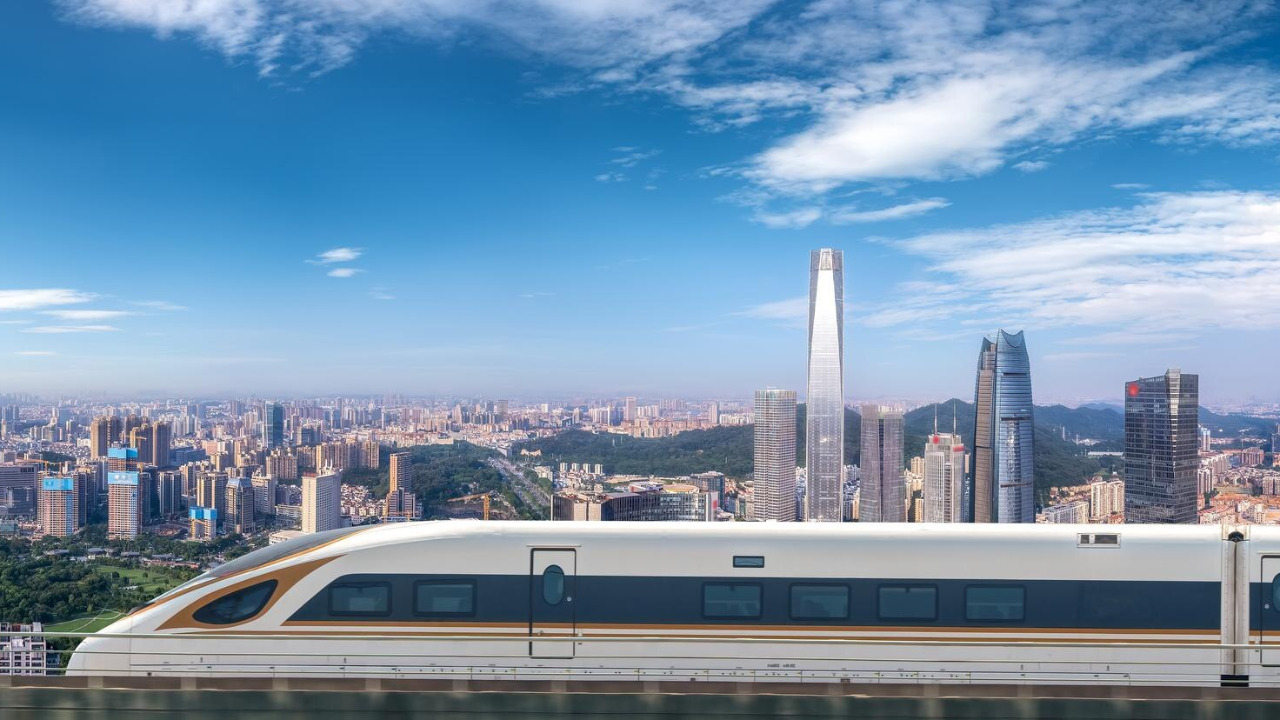
The future sustainability of China’s rail network hinges on its ability to adapt to evolving demands and challenges. Continuous efforts are needed to ensure that the infrastructure remains efficient, reliable, and environmentally friendly. As China looks to the future, maintaining the balance between growth, innovation, and sustainability will be crucial.
Innovation and Adaptation
China’s commitment to innovation and adaptation is evident in its ongoing efforts to enhance rail infrastructure. By embracing new technologies and sustainable practices, China aims to maintain its position as a leader in rail development. The focus on innovation will be instrumental in addressing future challenges and ensuring the long-term viability of the rail network.
Global Lessons and Influence
The rapid development of China’s rail network offers valuable lessons for other countries. By prioritizing strategic planning, investment, and technological innovation, nations can enhance their infrastructure and economic growth. China’s experience underscores the importance of aligning national goals with infrastructure development to achieve transformative results.
As China continues to expand its global influence through its rail network, it sets a powerful example of how infrastructure can drive economic and social progress. The world watches closely, eager to learn from China’s remarkable journey in building the largest rail network in just a decade.