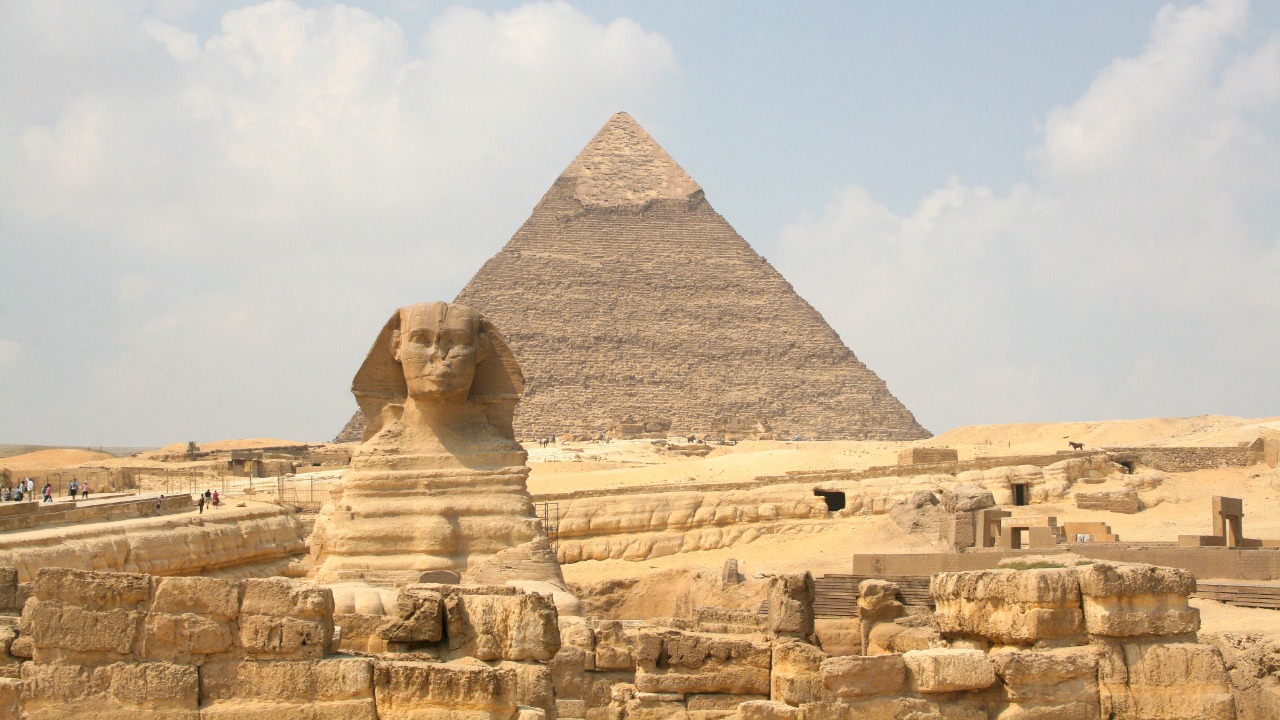

Recent technological advancements have unveiled mysterious voids beneath the Sphinx, sparking debates among archaeologists and historians. These discoveries, made possible through advanced scanning technologies, hint at hidden chambers or passages that could reshape our understanding of ancient Egyptian civilization.
The Sphinx and Its Mysteries
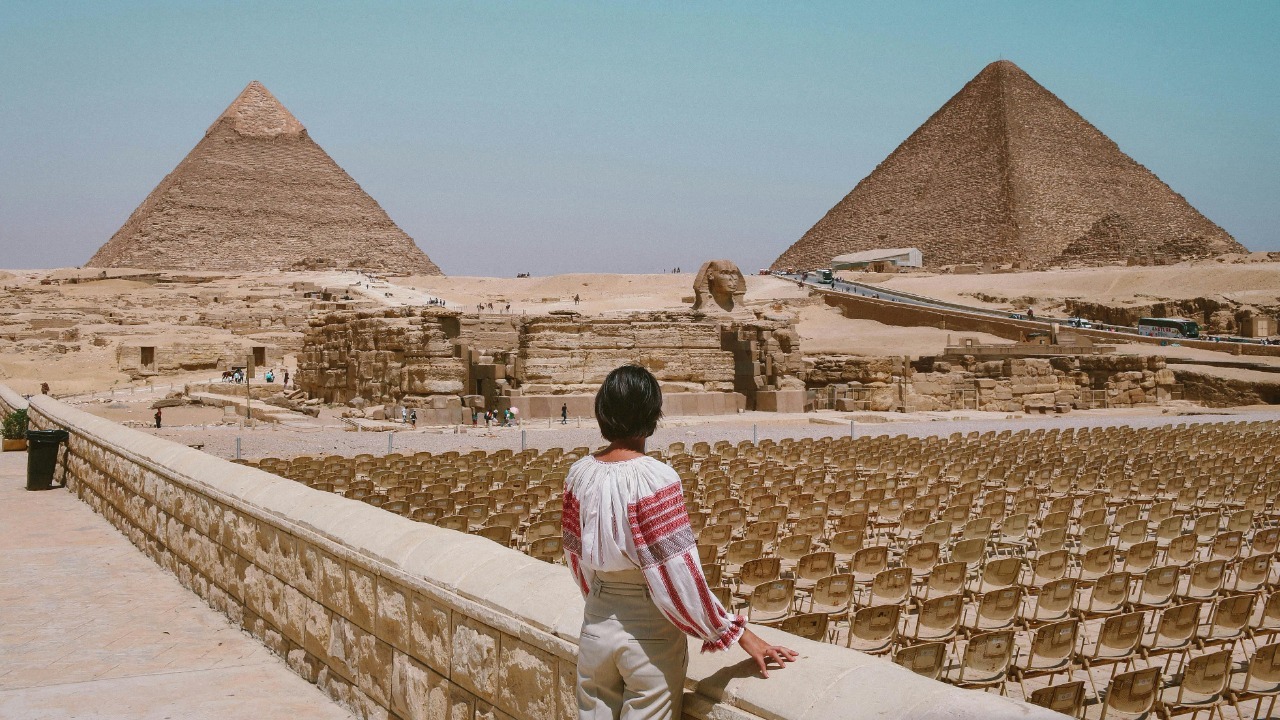
The Great Sphinx of Giza, standing tall with its enigmatic gaze, has captivated the human imagination for centuries. As a monumental guardian of the Giza Plateau, it symbolizes the grandeur of ancient Egyptian civilization. Historically, the Sphinx is believed to represent the pharaoh Khafre, serving both as a protective deity and a testament to the architectural prowess of the Egyptians. Its significance transcends mere stone; it embodies an enduring cultural mystique that has puzzled historians and archaeologists alike.
Throughout the years, numerous theories have emerged regarding the mysteries hidden beneath the Sphinx. Some researchers have speculated about the existence of subterranean tunnels or chambers, possibly containing ancient artifacts or texts. These theories have fueled the imagination of many, suggesting connections to the lost city of Atlantis or even extraterrestrial influences. While many of these claims have been dismissed as speculative, they highlight the enduring fascination with what might lie beneath this iconic monument.
Recent discoveries have added a new layer of intrigue to the Sphinx’s mysteries. Advanced scanning technologies have revealed previously unknown voids beneath the structure. These findings suggest the possibility of hidden chambers or passageways that could contain invaluable historical information. Such revelations not only reignite debates among historians but also promise to enhance our understanding of ancient Egyptian culture and its architectural achievements.
Advanced Scanning Technologies
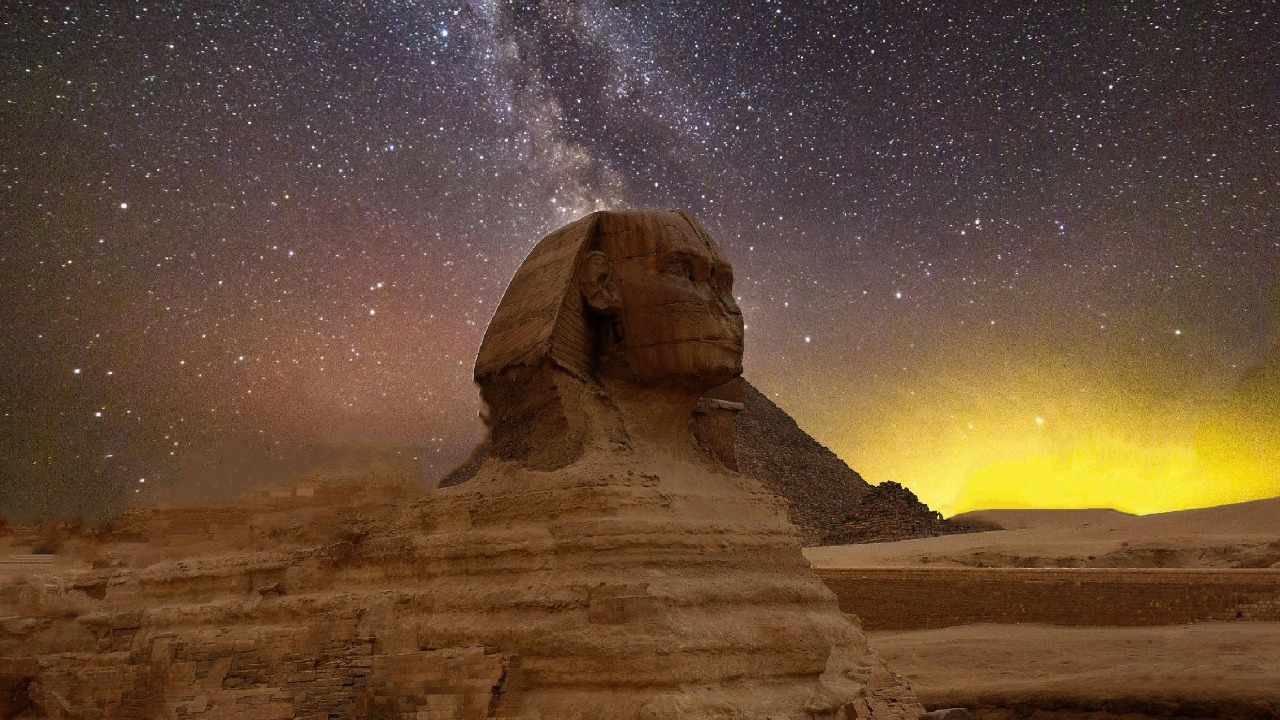
The use of muon tomography has been pivotal in uncovering the hidden voids beneath the Sphinx. This cutting-edge technology employs cosmic rays to detect density variations within structures, allowing researchers to identify anomalies that might indicate hidden chambers or passages. By analyzing the behavior of muons as they pass through stone structures, scientists can create detailed images of the subsurface, revealing features that traditional excavation methods might miss.
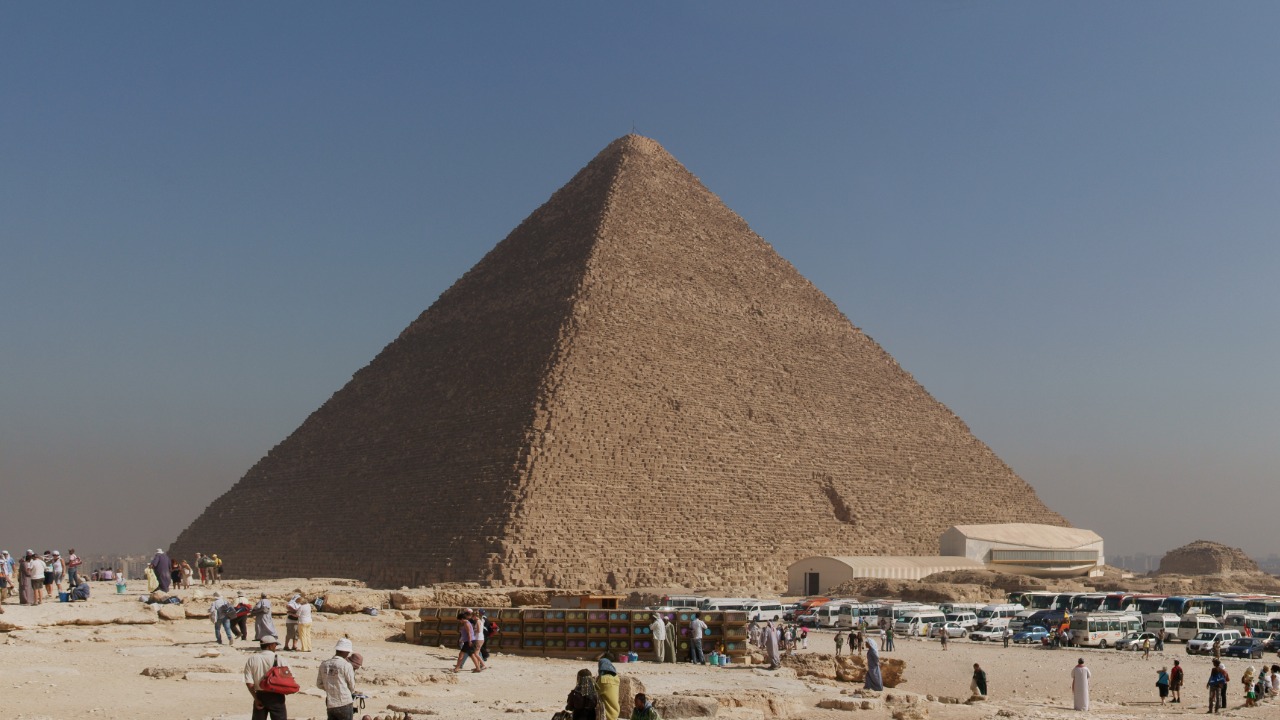
Ground-penetrating radar (GPR) has also played a crucial role in these discoveries. By sending electromagnetic pulses into the ground, GPR can detect subsurface anomalies, providing a non-invasive means of exploring beneath the Sphinx. This technology has been instrumental in corroborating the findings of muon tomography, offering a more comprehensive understanding of the potential voids beneath this ancient monument. Beyond the Sphinx, these technologies have been applied to other archaeological sites, such as the Great Pyramid of Giza, where similar methods have revealed new insights into the construction and internal structure of these ancient wonders.
Comparative studies across various archaeological sites highlight the transformative potential of these technologies. By applying these advanced scanning methods, researchers have gained a deeper understanding of ancient engineering techniques and the cultural significance of these monumental structures. In the case of the Great Pyramid of Giza, for instance, muon tomography has revealed previously unknown cavities, prompting new hypotheses about its construction and purpose. These technological advancements are not only revolutionizing our understanding of ancient Egypt but also setting new standards for archaeological research worldwide.
Potential Discoveries and Implications
The prospect of discovering hidden chambers beneath the Sphinx is tantalizing for historians and archaeologists. Such discoveries could potentially unveil a wealth of information about ancient Egyptian civilization, from religious practices to administrative records. If these voids indeed contain secret chambers, they might house artifacts, inscriptions, or even burial sites that could shed light on the cultural and historical context of the era.
The historical significance of these potential discoveries cannot be overstated. Uncovering new information about the Sphinx and its surroundings could fundamentally alter our understanding of ancient Egypt, offering fresh perspectives on its society, beliefs, and technological capabilities. Such findings could also provide insights into the broader context of Egyptian civilization, revealing connections to other cultures and historical events.
However, exploring and preserving these newly discovered voids presents significant challenges. Archaeologists must balance the desire for exploration with the need to preserve the integrity of the Sphinx and its surrounding environment. Excavating these voids requires meticulous planning and consideration of the potential impact on the structure itself. Ensuring that these discoveries are approached with care and respect for their cultural significance is paramount to maintaining the historical legacy of the Sphinx.
Skepticism and Controversy
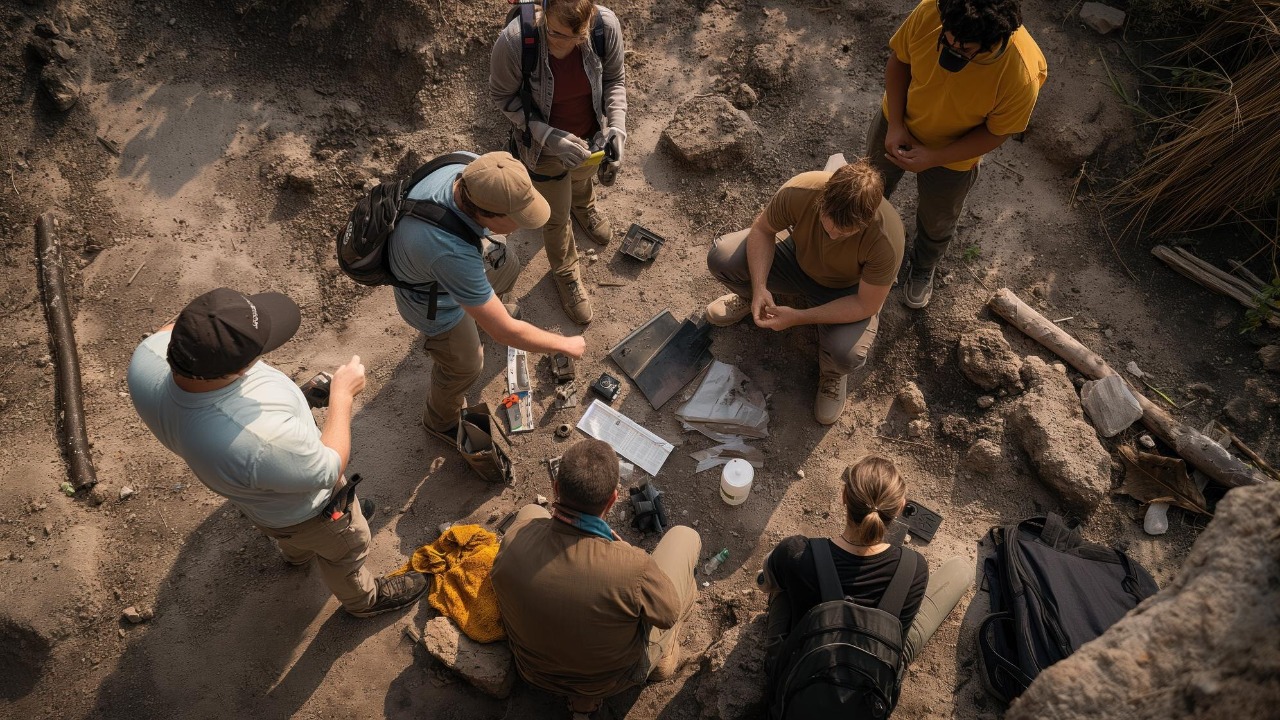
As with any groundbreaking discovery, the revelations of voids beneath the Sphinx have met with skepticism and controversy. Critics argue that the interpretations of the scans might be overly optimistic or misinterpreted. Some contend that the anomalies detected could be natural formations rather than man-made structures, cautioning against jumping to conclusions without further evidence. The debate highlights the need for cautious and rigorous scientific inquiry to validate these findings and distinguish between fact and speculation.
Beyond the scientific challenges, the ethical considerations of excavating sacred sites like the Sphinx cannot be overlooked. The Sphinx holds immense cultural and religious significance, and any attempts to explore its hidden depths must be conducted with respect for its historical and cultural importance. This ethical dilemma underscores the importance of balancing scientific curiosity with the preservation of cultural heritage, ensuring that the pursuit of knowledge does not come at the expense of cultural integrity.
Future research directions will likely involve more in-depth analysis and validation of the findings. As technology continues to advance, new methods and tools will emerge, offering fresh opportunities to explore and understand these ancient structures. The ongoing debates and discussions among researchers emphasize the importance of collaborative efforts to unravel the mysteries of the Sphinx, ensuring that any conclusions drawn are backed by solid evidence and rigorous analysis.
Global Interest and Public Fascination
The discoveries beneath the Sphinx have captured the imagination of the public and media worldwide. Media coverage plays a crucial role in shaping public perception, with headlines and reports sparking widespread interest and curiosity. The allure of uncovering ancient secrets resonates with audiences globally, fueling a sense of wonder and fascination with the mysteries of the past.
Such discoveries also have a profound cultural impact, influencing contemporary culture and tourism. The allure of the Sphinx and its hidden secrets draws tourists from around the world, eager to witness the enigmatic monument firsthand. This growing interest in Egyptology contributes to a broader appreciation of ancient history and its relevance to modern society, fostering a deeper connection between past and present.
As technology continues to evolve, the potential for future discoveries remains vast. The integration of advanced scanning methods and analytical tools promises to reveal even more about the world’s ancient wonders, offering new insights into the lives and achievements of our ancestors. The ongoing quest to understand the mysteries of the Sphinx and other ancient sites underscores the enduring human desire to explore, discover, and connect with our shared heritage.