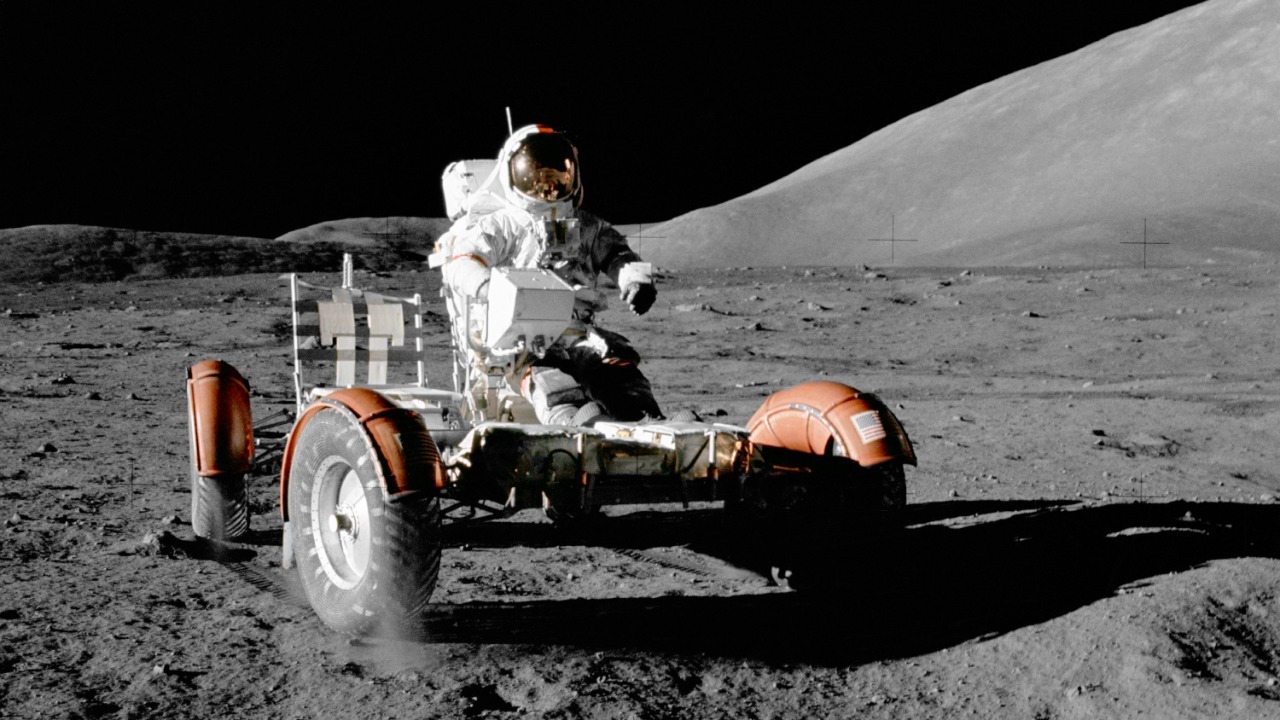

Recent studies have rekindled interest in the Moon’s unique seismic activity, which was first observed during the Apollo missions. The peculiar phenomenon, often described as the Moon “ringing like a bell,” has sparked debates about the lunar interior, with some theories suggesting a hollow core. Jumping into the scientific and speculative discussions surrounding these seismic observations reveals the complexities and intrigue that continue to captivate both scientists and the general public.
The Phenomenon of Seismic “Rings”
Apollo Mission Discoveries
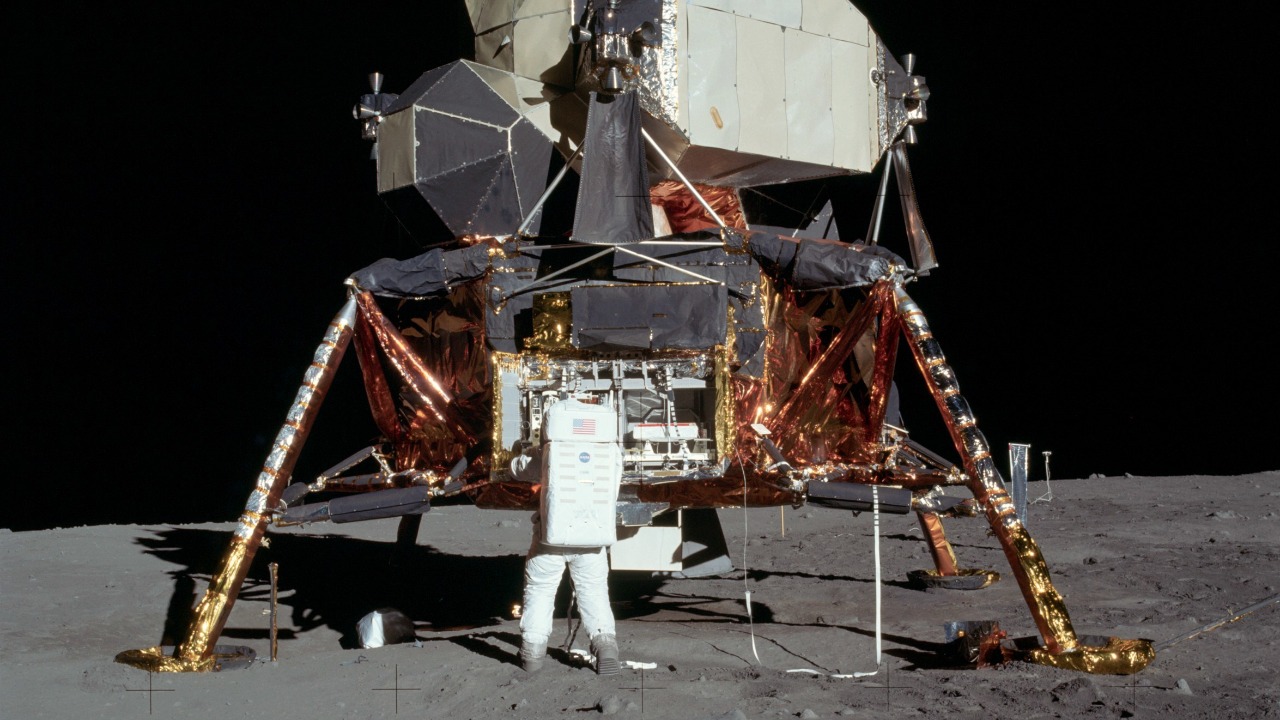
During the historic Apollo missions, astronauts placed seismometers on the Moon’s surface to gather data about its seismic activity. This groundbreaking initiative offered unprecedented insights into the Moon’s behavior, revealing the distinctive seismic phenomenon often described as the Moon “ringing like a bell.” Unlike Earth, where seismic waves quickly dissipate, the Moon’s seismic waves persisted for extended periods, sometimes lasting for over an hour. This unexpected discovery raised questions about the Moon’s internal structure and composition.
Characteristics of Lunar Seismic Activity
Comparing lunar seismic activity with that of Earth highlights several intriguing differences. On Earth, seismic waves tend to be rapidly absorbed and diffused due to the planet’s dense, layered structure. In contrast, the Moon’s seismic waves exhibit prolonged vibrations, a characteristic attributed to its unique geological makeup. The lack of water, a key factor in damping seismic waves on Earth, contributes to this prolonged reverberation on the Moon. Additionally, the Moon’s crust is believed to be more homogenous and rigid, allowing seismic waves to travel with less attenuation.
Scientific Explanations and Theories

Traditional Geophysical Models
Traditional geophysical models depict the Moon as having a differentiated structure with a crust, mantle, and core. These models suggest that the Moon’s core is small and partially molten, accounting for some of the observed seismic characteristics. However, the prolonged seismic “rings” challenge these models, prompting scientists to refine their understanding of the Moon’s interior. While these models provide a foundational understanding, ongoing research aims to reconcile the discrepancies between observed data and theoretical predictions.
Alternative Scientific Theories
Alternative hypotheses propose that the Moon’s core may be more complex than previously thought. Some researchers suggest the presence of a partially molten or layered core, which could explain the Moon’s unusual seismic behavior. Recent studies have introduced new perspectives, challenging established models and encouraging further exploration. For instance, research conducted by NASA’s Lunar Reconnaissance Orbiter has provided data that could support the existence of a varied core structure, leading scientists to reconsider traditional assumptions.
Speculative Theories and Public Fascination

Hollow Moon Hypothesis
The hollow Moon hypothesis, which posits that the Moon might be partially hollow, has intrigued both scientists and the public. This theory gained traction from the prolonged seismic vibrations observed during the Apollo missions, as some interpreted these findings as evidence of a hollow structure. While mainstream science largely dismisses this hypothesis, it remains a popular topic of discussion, with proponents citing historical texts and alternative interpretations of seismic data as supporting evidence.
Conspiracy Theories and Popular Culture
Conspiracy theories surrounding the Moon’s structure have been fueled by media and literature, which often depict the Moon as a mysterious and enigmatic celestial body. Books, documentaries, and online platforms have contributed to the proliferation of these ideas, capturing the imagination of those intrigued by the unknown. Online forums, such as Reddit, serve as hubs for discussing these theories, where enthusiasts exchange ideas and speculate about the Moon’s true nature.
Advancements in Lunar Research
Technological Progress in Seismology
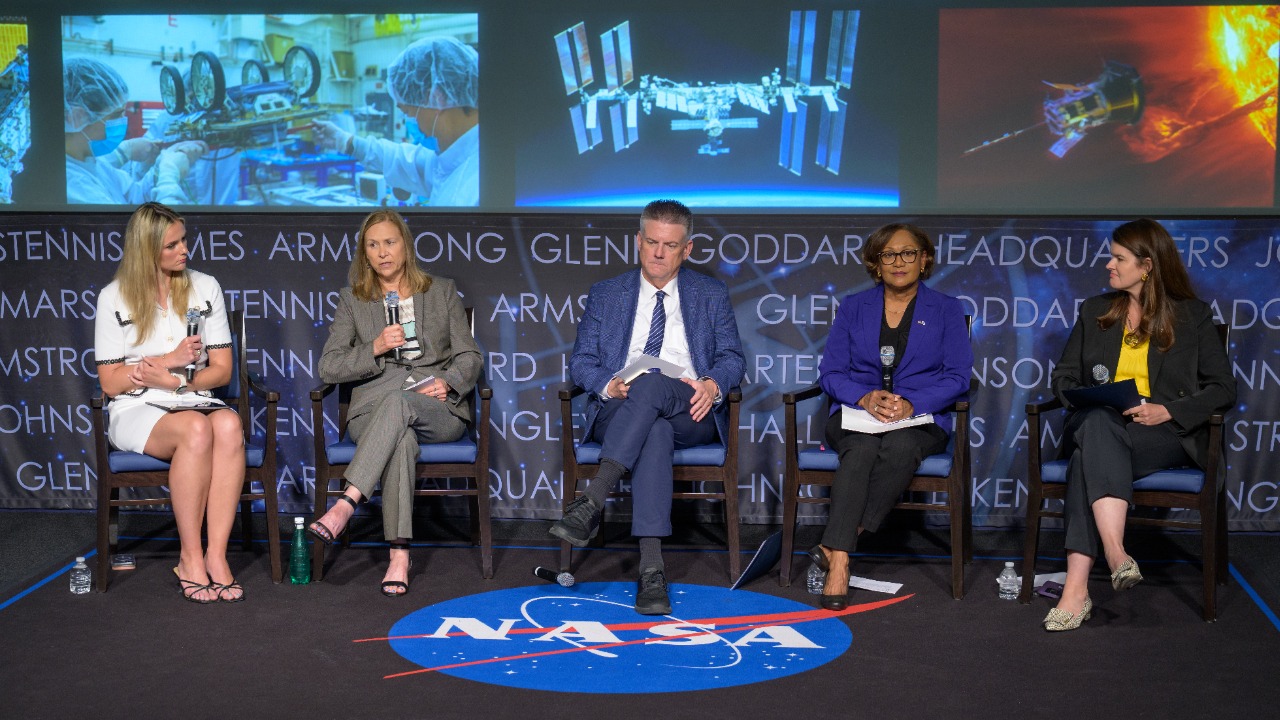
Recent advancements in seismology have revolutionized our understanding of the Moon’s interior. New instruments and methods, such as those employed in NASA’s Artemis missions, are enabling scientists to gather more precise data. These technological breakthroughs are offering fresh insights into the Moon’s seismic activity, challenging previous assumptions and reshaping our understanding of its geological history. Enhanced seismometers and imaging techniques are shedding light on previously unexplored aspects of the Moon’s internal dynamics.
Future Lunar Missions
Planned missions are set to further investigate the Moon’s seismic activity, with expectations of significant breakthroughs. Upcoming missions, such as NASA’s Artemis program, aim to deploy advanced seismometers and other instruments on the lunar surface. These missions are expected to provide a deeper understanding of the Moon’s structure and its seismic behavior. By exploring previously uncharted regions, scientists hope to uncover new information that could challenge conventional views and provide a more comprehensive picture of the Moon’s interior.
The Broader Implications of Lunar Seismology
Impact on Planetary Science
The study of lunar seismology has profound implications for planetary science. Insights gained from the Moon’s seismic activity inform our understanding of other celestial bodies, offering valuable analogs for studying planets and moons throughout the solar system. By comparing the Moon’s seismic characteristics with those of other bodies, scientists can develop models to explain the formation and evolution of planetary interiors, contributing to a broader understanding of solar system dynamics.
Implications for Space Exploration
Lunar seismology plays a crucial role in shaping future space exploration endeavors. Understanding the Moon’s interior is vital for planning human colonization efforts, as it informs decisions about habitat placement and resource utilization. Knowledge of the Moon’s seismic activity is also essential for ensuring the safety and sustainability of future missions. As space agencies and private companies aim to establish a permanent human presence on the Moon, insights from seismic studies will be instrumental in guiding these efforts.