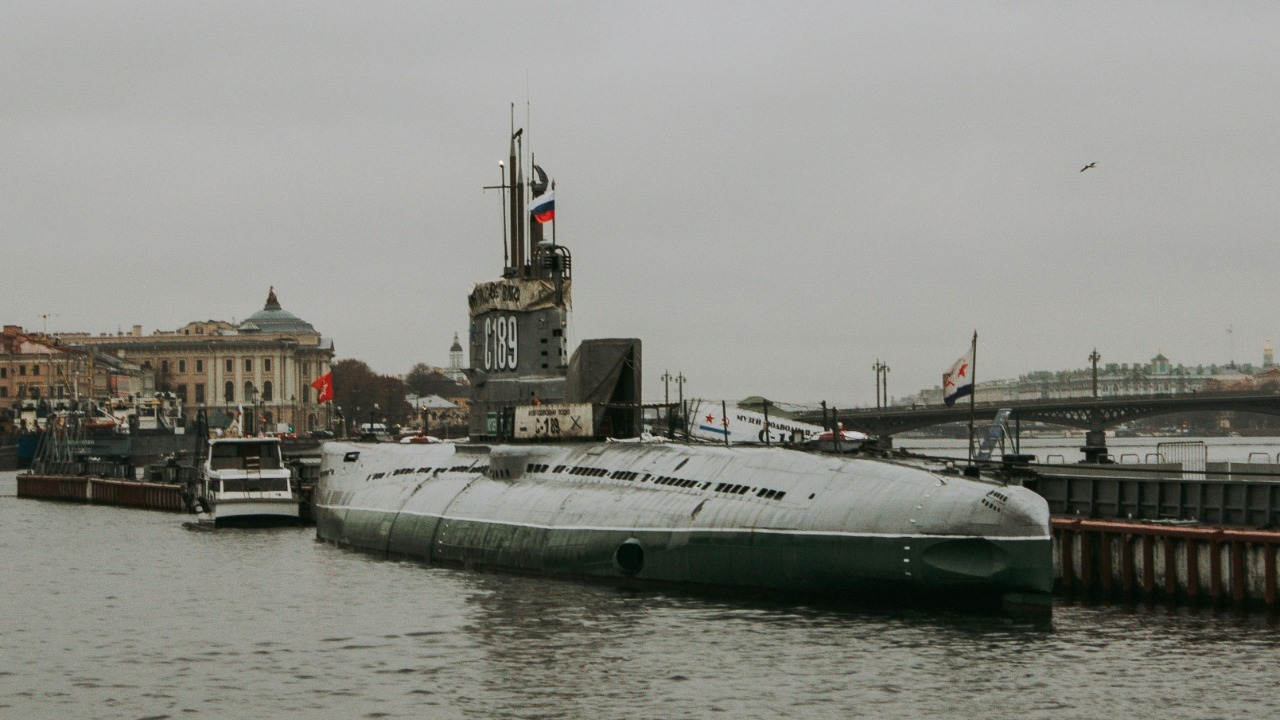

Once confined to military and research applications, submarines are now being repurposed for commercial use, particularly for underwater cargo transport. This innovative approach aims to revolutionize how goods are moved across the globe by exploiting the vast, untapped potential of the ocean’s depths.
The Rise of Underwater Cargo Transport
Historical Context
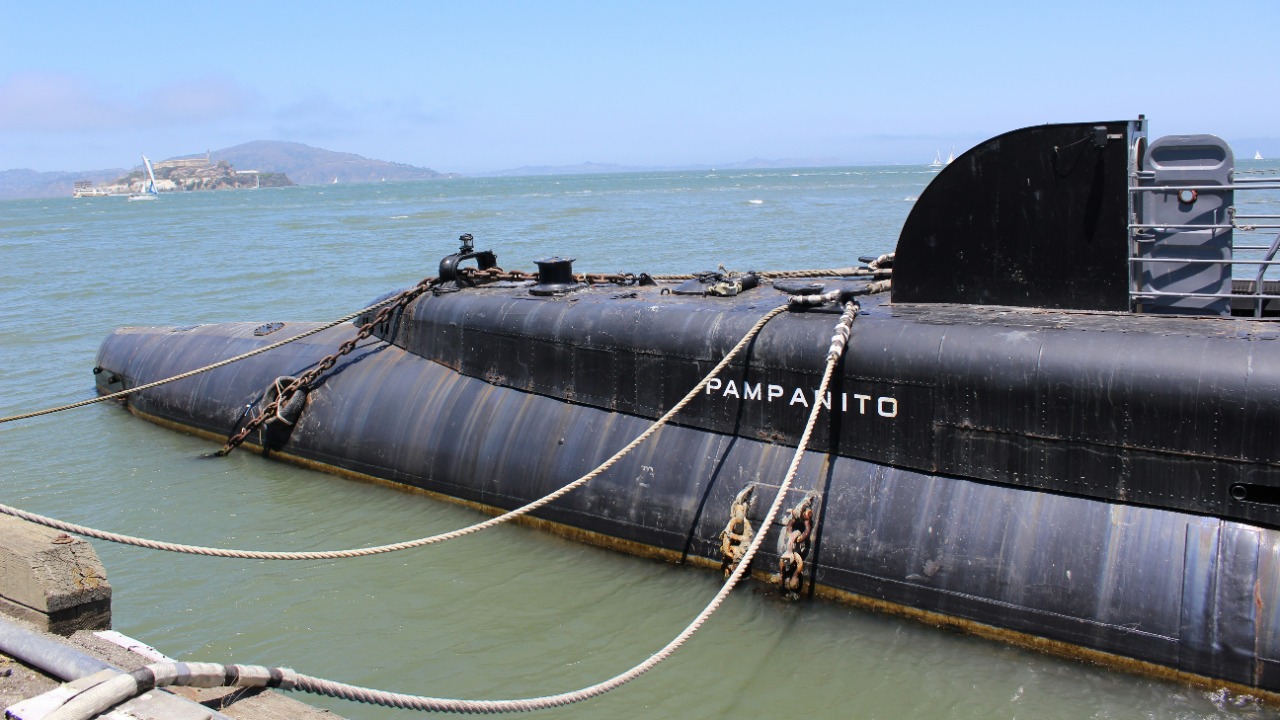
Submarines have long been associated with military operations, primarily used for stealth and strategic advantage beneath the waves. Their evolution from rudimentary designs to sophisticated vessels has been driven by military needs, but this trajectory is now shifting. The potential of repurposing these vessels for commercial applications is gaining traction as advancements in technology open up new possibilities.
The transition from military to commercial use is not unprecedented. In fact, the concept of using submarines for cargo dates back to the early 20th century, albeit in a limited capacity. Historical records show that during World War I, Germany experimented with merchant submarines to bypass naval blockades. These early attempts were short-lived, but they laid the groundwork for future innovations.
Technological Innovations
Recent technological advancements are making the repurposing of submarines for cargo transport a feasible reality. Improvements in battery technology, autonomous navigation systems, and hull materials are all contributing to this shift. Companies are now able to design submarines that can travel longer distances, carry heavier payloads, and do so with greater efficiency.
For instance, autonomous underwater vehicles (AUVs) have seen significant improvements, enabling them to operate independently for extended periods. The integration of AI and machine learning into navigation systems allows these vessels to adapt to changing ocean conditions and optimize their routes for fuel efficiency. These technological leaps are crucial for transforming submarines into reliable cargo carriers.
Environmental Impact
One of the most compelling reasons for exploring underwater cargo transport is its potential to reduce the carbon footprint associated with traditional shipping methods. Conventional cargo ships contribute significantly to global carbon emissions, but submarines offer a more environmentally friendly alternative. By operating underwater, these vessels can avoid surface weather conditions, allowing for more direct routes and reduced fuel consumption.
Moreover, the potential for using renewable energy sources, such as solar or wave energy, to power submarines is being actively explored. This could further decrease the environmental impact of marine transportation. As the world moves towards greener alternatives, underwater cargo transport could become a vital part of sustainable logistics networks.
Challenges and Opportunities
Technical Challenges
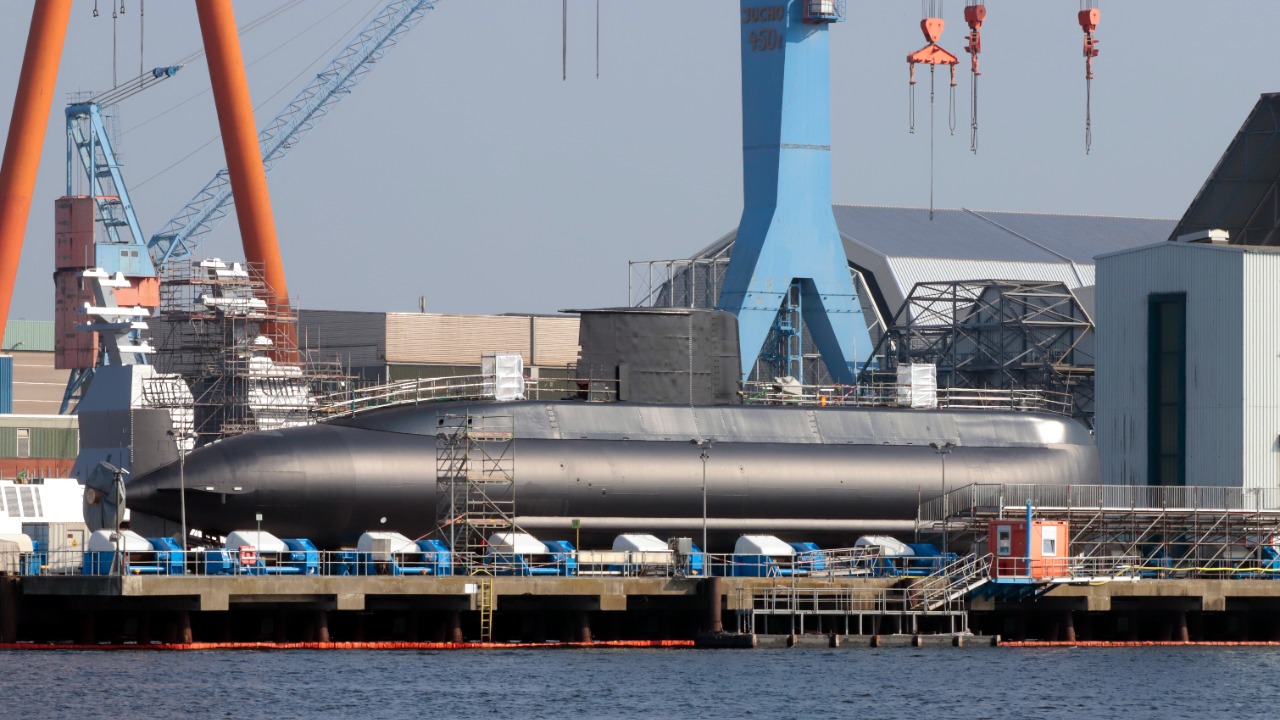
The repurposing of submarines for cargo transport presents several engineering challenges. One major hurdle is the need to design vessels that can withstand the intense pressure of deep-sea environments while carrying substantial loads. The development of pressure-resistant materials and structural designs is critical to overcoming this challenge.
Additionally, ensuring the safe and efficient operation of these vessels requires advanced navigation and communication systems. Given the limited GPS signal penetration underwater, alternative methods such as acoustic systems or inertial navigation must be employed. These technical challenges are significant, but they also present opportunities for innovation and advancement in marine engineering.
Regulatory Hurdles
In addition to technical challenges, the use of submarines for international cargo transport raises a host of regulatory issues. Navigating the complex web of international maritime laws and regulations will be essential for the widespread adoption of this technology. Countries will need to establish agreements on underwater traffic management, safety standards, and environmental protections.
There is also a need for cooperation between nations to address potential security concerns. The presence of commercial submarines in international waters could pose risks if not properly regulated. These challenges highlight the importance of a collaborative approach to establishing a regulatory framework that supports innovation while ensuring safety and security.
Economic Viability
The economic viability of using submarines for cargo transport is another critical consideration. While the initial costs of developing and deploying these vessels are high, the long-term benefits could outweigh these expenses. Submarines offer the potential for faster delivery times and reduced operational costs due to their ability to take more direct routes.
Moreover, the demand for efficient and sustainable shipping solutions is likely to grow as global trade continues to expand. Companies that invest in underwater cargo transport now could gain a significant competitive advantage. As the technology matures and economies of scale are achieved, the cost of submarine cargo transport is expected to decrease, making it an attractive option for a wide range of industries.
Case Studies and Current Projects
Pioneering Initiatives
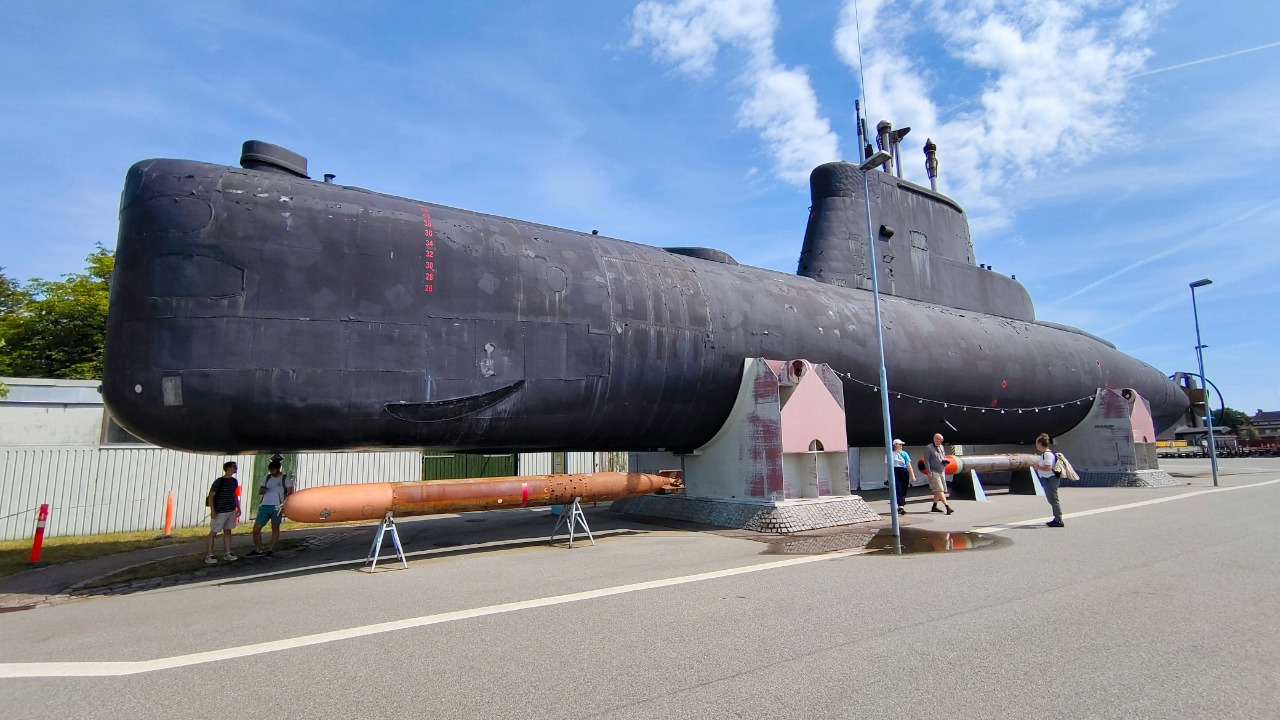
Several companies and research institutions are already exploring the potential of underwater cargo transport. For example, the Norwegian company Ocean Infinity is working on developing a fleet of autonomous underwater vehicles (AUVs) capable of transporting goods across the ocean. Their innovative approach aims to reduce the reliance on traditional shipping routes and offer a more flexible and efficient alternative.
In Japan, the government and private sector are collaborating on the development of a new type of submarine capable of transporting liquefied natural gas (LNG) beneath the ocean’s surface. This project represents a significant step forward in the commercialization of submarine technology for cargo transport.
Success Stories
There have been several successful pilot programs that demonstrate the viability of underwater cargo transport. In 2021, a consortium of European companies conducted a series of tests using AUVs to transport small cargo loads between ports in the Baltic Sea. These tests showed that underwater transport could be both reliable and efficient, paving the way for larger-scale operations in the future.
The results of these pilot programs have been promising, with significant reductions in transit times and fuel consumption compared to traditional shipping methods. These early successes are encouraging other companies to explore the potential of submarine cargo transport, leading to increased investment and research in this emerging field.
Lessons Learned
As with any new technology, there have been challenges and setbacks in the development of underwater cargo transport. Early efforts have highlighted the importance of robust communication systems and the need for redundancy in navigation and control systems. These lessons have been invaluable in refining the design and operation of submarine cargo vessels.
Furthermore, the need for collaboration between technology developers, regulatory bodies, and industry stakeholders has become increasingly apparent. By working together, these groups can address the challenges and unlock the full potential of underwater cargo transport.
Future Outlook and Potential

Market Predictions
Analysts predict that the market for underwater cargo transport could grow significantly over the next decade. As technology continues to advance and the demand for sustainable shipping solutions increases, submarines could become a key component of global logistics networks. The potential for cost savings and environmental benefits makes this an attractive option for companies looking to optimize their supply chains.
Cross-Industry Applications
The advancements in submarine cargo technology have implications beyond the shipping industry. Other sectors, such as underwater mining and offshore energy, could benefit from the ability to transport equipment and materials efficiently beneath the ocean’s surface. The integration of submarine technology into these industries could lead to new opportunities and innovations.
Vision for Tomorrow
Looking ahead, the transformative potential of underwater cargo transport is immense. As technology continues to evolve, submarines could revolutionize the way goods are moved around the world. The ability to transport cargo quickly and sustainably beneath the ocean’s surface could reshape global trade and supply chains, creating new possibilities for economic growth and environmental sustainability.
Social and Environmental Considerations
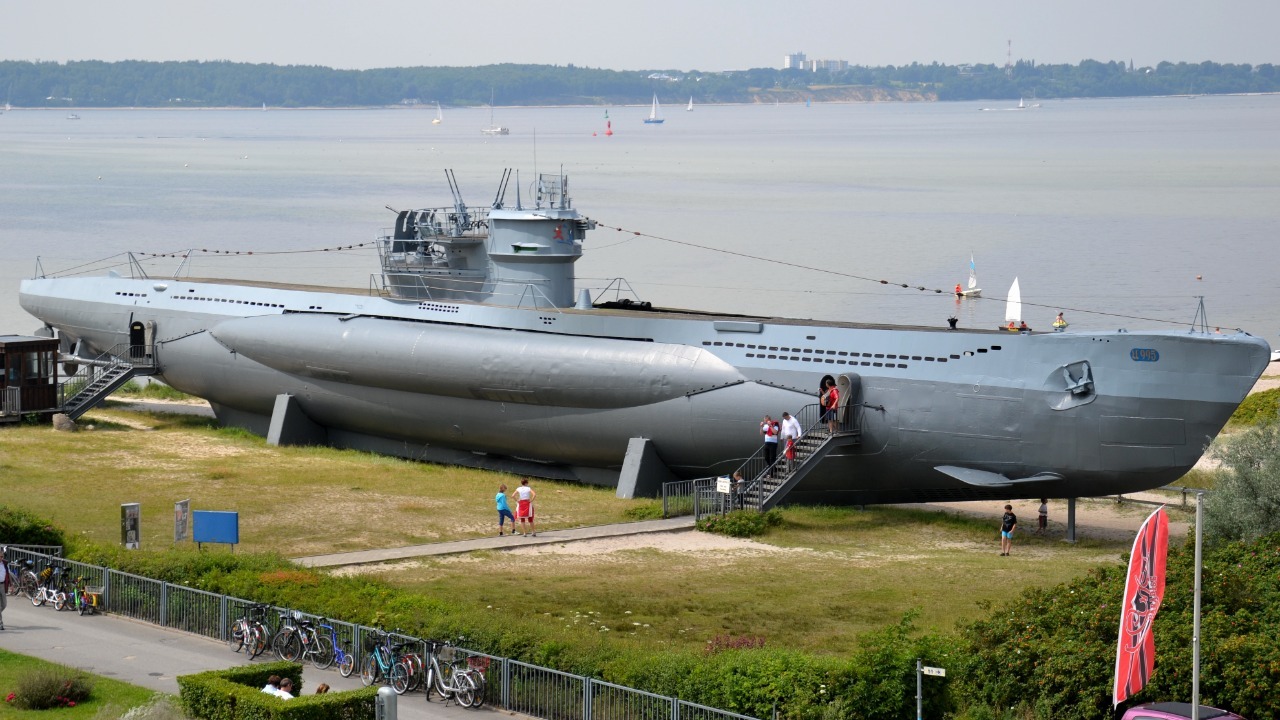
Impact on Marine Life
The increased use of submarines for cargo transport raises important questions about the impact on marine ecosystems. Understanding and mitigating potential effects on marine life is crucial to the responsible development of this technology. Research is ongoing to assess the potential disturbances caused by increased submarine activity and to develop strategies to minimize harm to ocean habitats.
Community Engagement
Engaging with coastal communities and stakeholders is vital in the development of underwater cargo transport systems. These communities often depend on the health of marine ecosystems for their livelihoods, making it essential to involve them in decision-making processes. Transparent communication and collaboration can help address concerns and foster support for submarine technology.
Sustainable Practices
As with any new industry, establishing sustainable practices and policies is essential to ensure the long-term success of underwater cargo transport. This includes investing in research and development to improve the efficiency and environmental impact of submarine vessels. By prioritizing sustainability, the industry can contribute to broader efforts to combat climate change and protect the world’s oceans for future generations.