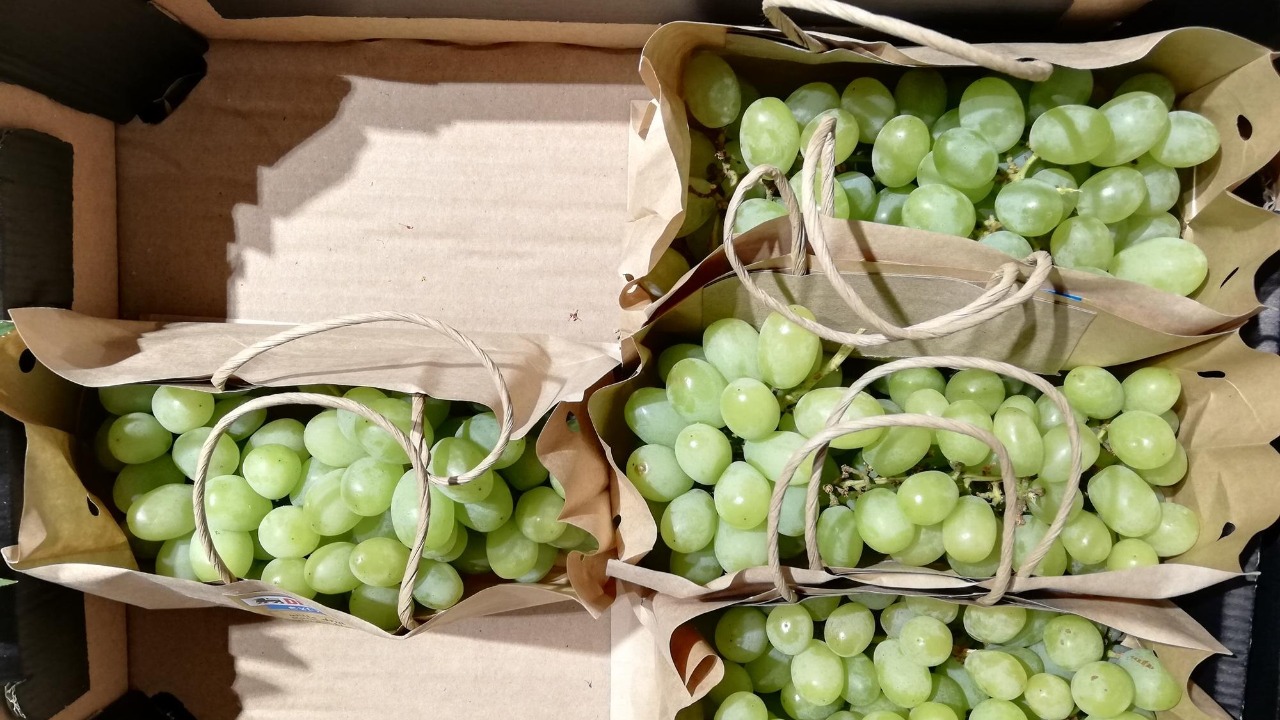

Recent advancements in sustainable materials have led scientists to develop an innovative biodegradable packaging solution derived from grapevine prunings. This eco-friendly material not only addresses the global plastic waste crisis but also showcases impressive degradation capabilities, breaking down completely in just 17 days.
The Science Behind Grapevine Pruning-Based Packaging
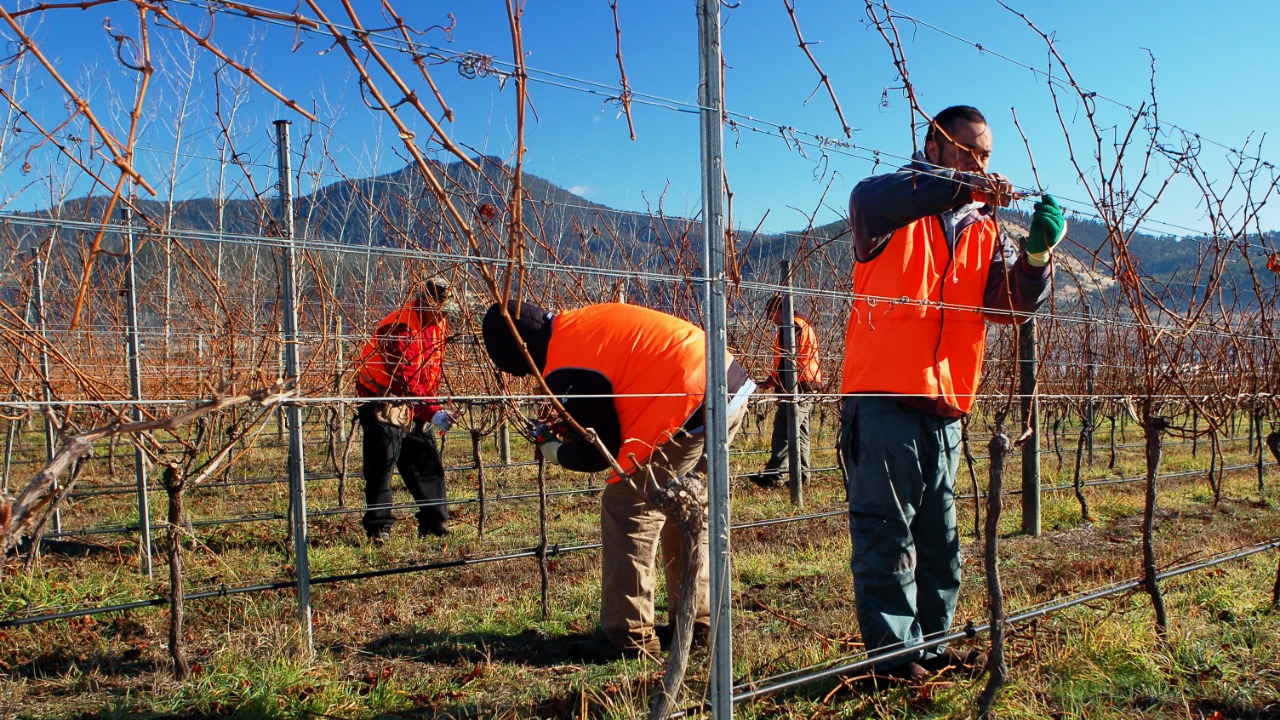
Transforming grapevine prunings into biodegradable packaging involves a series of scientific innovations. The process begins with collecting the prunings, which are then subjected to mechanical and chemical treatments to break down the lignocellulosic structure. This transformation is crucial as it alters the prunings into a malleable material that can be molded into various packaging forms. The key innovation lies in the use of natural enzymes and microorganisms that facilitate this breakdown, ensuring the end product remains entirely biodegradable.
The rapid biodegradation of this material is attributed to its unique chemical and physical properties. The packaging is designed to be hydrophilic, allowing it to absorb moisture and promote microbial activity that accelerates decomposition. This is a significant departure from traditional plastics, which are hydrophobic and resistant to microbial action. Studies, such as those published in MDPI, have validated the efficacy and safety of this packaging material, confirming its potential to decompose swiftly without releasing harmful residues into the environment.
Environmental Impact and Benefits

The shift from traditional plastic packaging to grapevine-based alternatives offers numerous environmental benefits. One of the most significant is the reduction in landfill waste. Unlike conventional plastics that can take centuries to break down, grapevine packaging decomposes in just over two weeks, significantly reducing the volume of waste that accumulates in landfills. This not only helps mitigate the plastic waste crisis but also reduces the environmental footprint of packaging materials globally.
Furthermore, the carbon footprint associated with producing and degrading this biodegradable material is considerably lower than that of conventional plastics. The production process for grapevine packaging is less energy-intensive, and since the material decomposes rapidly, it does not contribute to long-term carbon emissions. The adoption of grapevine packaging could also play a role in restoring ecosystems harmed by plastic pollution. By reducing the amount of persistent plastic waste, we can help revive marine and terrestrial habitats that have been affected by plastic debris, as highlighted in a study from Science Daily.
Economic and Agricultural Implications

Utilizing grapevine prunings for packaging material presents various economic benefits, particularly for the agriculture industry. Vineyards, which generate significant amounts of pruning waste annually, can now turn this byproduct into a valuable resource. This not only provides an additional revenue stream but also reduces the cost and environmental impact associated with waste disposal. The integration of grapevine prunings into the production of biodegradable packaging supports sustainable agricultural practices, fostering a circular economy.
From a cost-effectiveness perspective, producing biodegradable packaging from grapevine waste is competitive with conventional plastics. As demand for sustainable packaging grows, economies of scale can be achieved, further driving down production costs. Additionally, this innovative approach can stimulate job creation within both the agricultural and manufacturing sectors. By supporting sustainable practices, industries can align with environmental goals while also benefiting economically. The potential market scalability of grapevine-based packaging is promising, as more businesses seek to adopt eco-friendly alternatives to meet consumer demand for sustainability, as discussed on Shia Waves.
Challenges and Future Prospects
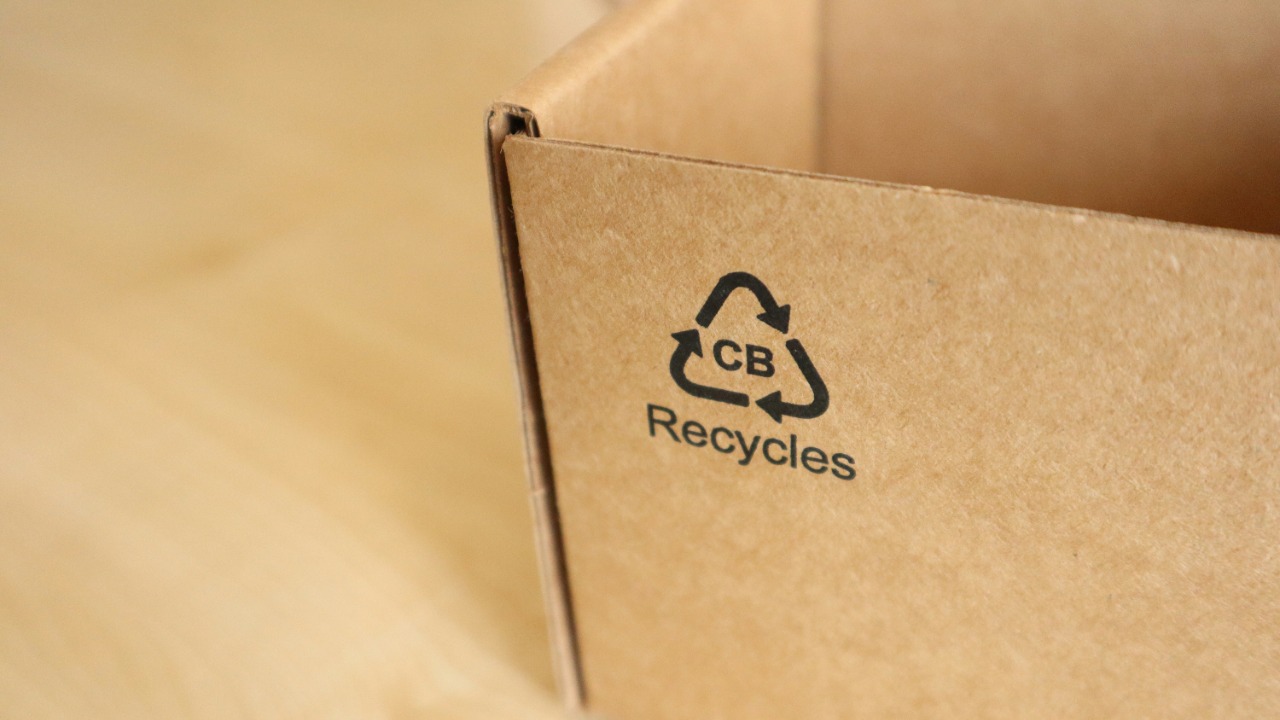
Despite the promising benefits, there are challenges in scaling up the production of grapevine-based packaging. One potential hurdle is the availability and consistency of raw material supply, as this depends on the cyclical nature of vineyard operations. Additionally, large-scale manufacturing requires significant investment in technology and infrastructure to ensure the quality and uniformity of the packaging material. Addressing these challenges is critical for achieving widespread adoption across various industries.
Regulatory hurdles also pose a challenge, as the material must meet international environmental standards and guidelines to be accepted globally. Collaborations between governments, research institutions, and industry stakeholders are essential to navigate these regulatory landscapes. Looking ahead, there are exciting prospects for innovation in biodegradable materials. Ongoing research is focused on enhancing the properties of grapevine packaging, making it suitable for a wider range of applications. The potential for collaborations with other industries, such as the food and beverage sector, could further drive the development of this sustainable solution, as explored in research from ScienceDirect.
Consumer Acceptance and Market Trends

Consumer attitudes toward biodegradable packaging are becoming increasingly positive, driven by growing environmental awareness and demand for sustainable products. Surveys indicate that more consumers are willing to pay a premium for eco-friendly packaging, which bodes well for grapevine-based solutions. The trend toward sustainability is not just a passing phase; it is becoming a fundamental aspect of consumer purchasing decisions.
Current market trends in sustainable packaging reflect this shift, with businesses actively seeking alternatives to traditional plastics. Grapevine-based packaging fits seamlessly into this landscape, offering a biodegradable and environmentally friendly option. Effective marketing strategies will be crucial in promoting the adoption of grapevine packaging. Emphasizing its rapid biodegradability and environmental benefits can help capture consumer interest and drive market demand. Social media platforms, such as Facebook, can also play a significant role in raising awareness and educating consumers about the advantages of this innovative packaging solution.