

When calorie intake is reduced, the body activates a fascinating process known as autophagy, a self-healing mechanism that recycles damaged or sick cells. This process has garnered attention for its potential benefits in promoting longevity and overall health. We will delve into the science behind autophagy, its implications for health, and how it can be optimized through dietary practices.
Understanding Autophagy
Definition and Mechanism
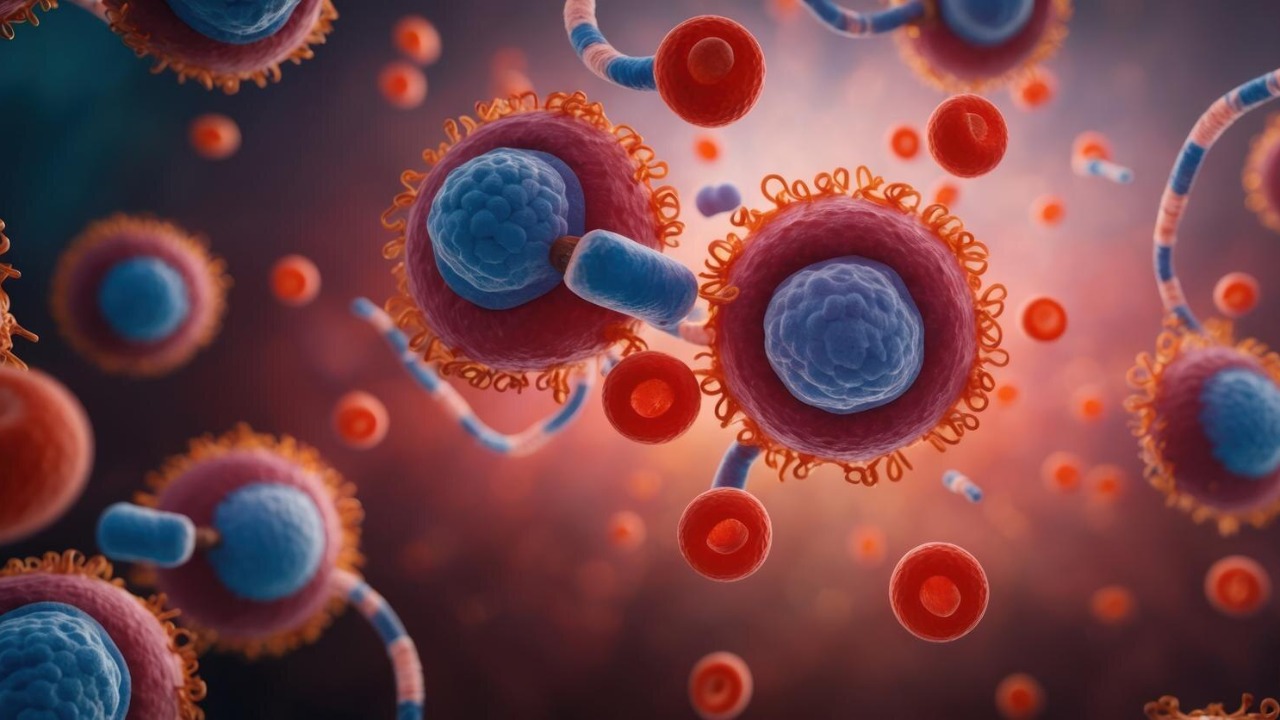
Autophagy is a crucial cellular process that involves the degradation and recycling of cellular components. It functions as a quality control system, identifying and breaking down damaged organelles, misfolded proteins, and pathogens. This self-cleaning mechanism is vital for maintaining cellular health and function. One of the key triggers for autophagy is calorie restriction, which initiates a metabolic shift that enhances cellular repair mechanisms, thereby promoting autophagy.
Historical Perspective and Discovery
The concept of autophagy has been around for decades, but it gained significant attention following the Nobel Prize-winning work of Yoshinori Ohsumi in 2016. Ohsumi’s research illuminated the fundamental mechanisms of autophagy, paving the way for further exploration into its role in health and disease. Key scientific milestones, including studies published in ScienceDirect, have expanded our understanding of how autophagy works and its potential therapeutic applications.
Health Benefits of Autophagy

Cellular Renewal and Longevity
Autophagy plays a pivotal role in cellular renewal by removing damaged cells and facilitating the regeneration of healthy ones. This process is essential for maintaining tissue homeostasis and preventing the accumulation of cellular debris, which can lead to premature aging. The potential anti-aging effects of autophagy have been widely discussed, with sources like Healthline highlighting its ability to enhance longevity by improving cellular function and reducing oxidative stress.
Disease Prevention and Management
Beyond its role in cellular maintenance, autophagy is also implicated in disease prevention and management. It has been shown to protect against various diseases, including cancer and neurodegenerative disorders like Alzheimer’s and Parkinson’s. Research studies have demonstrated the therapeutic potential of autophagy, with findings suggesting that boosting this process can help clear toxic protein aggregates and support the body’s natural defense mechanisms against disease.
Calorie Restriction and Its Impact
Mechanisms of Calorie Restriction
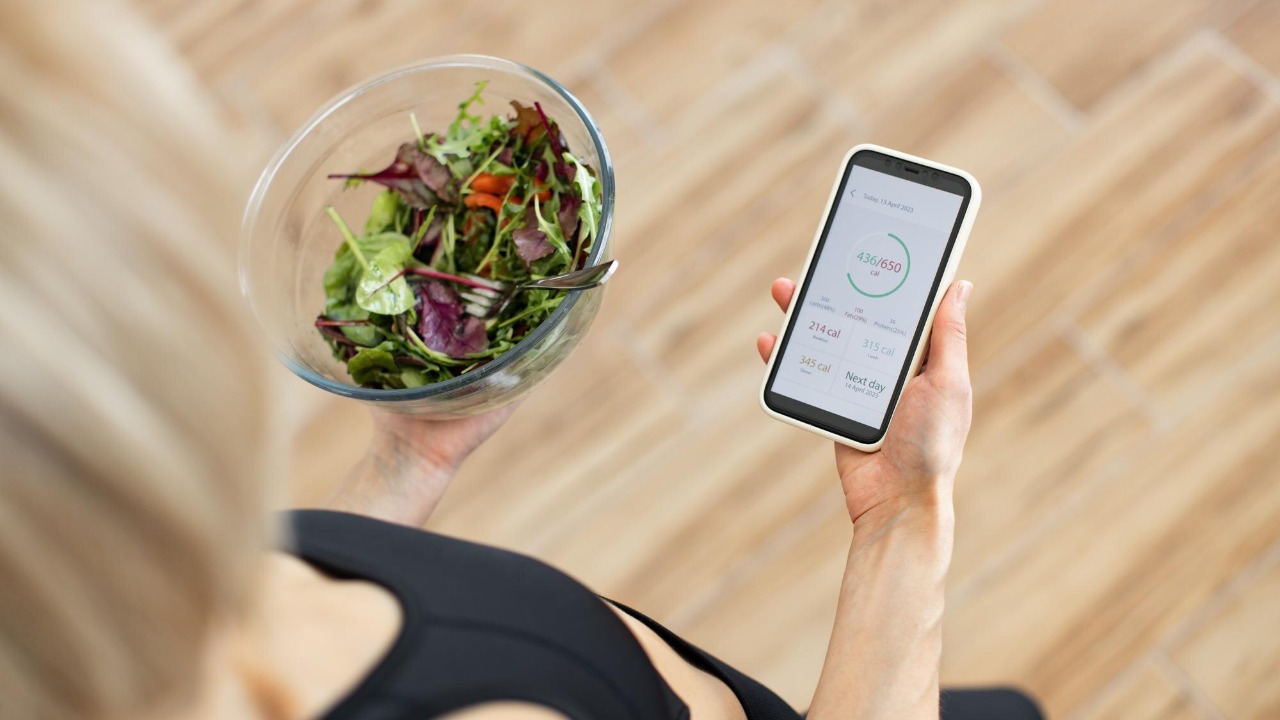
Calorie restriction is known to influence metabolic processes in profound ways. By reducing caloric intake, the body shifts its focus from growth to maintenance and repair, leading to the activation of autophagy. This metabolic adaptation is crucial for enhancing cellular resilience and survival, as highlighted in a comprehensive NY Post article that explores the role of calorie restriction in longevity.
Practical Approaches to Calorie Restriction
There are various dietary strategies to achieve calorie reduction and stimulate autophagy. Intermittent fasting, time-restricted eating, and reduced daily caloric intake are popular approaches that have shown promise in activating autophagy. However, it’s essential to approach calorie restriction with caution, ensuring that nutritional needs are met while avoiding adverse effects such as nutrient deficiencies or metabolic imbalances.
Optimizing Autophagy Through Lifestyle

Intermittent Fasting and Its Benefits
Intermittent fasting has emerged as a powerful tool for enhancing autophagy and promoting cellular health. By cycling between periods of eating and fasting, this dietary approach can boost autophagic activity and improve metabolic health. Various fasting protocols, such as the 16/8 method or the 5:2 diet, offer flexibility and can be tailored to individual preferences and lifestyles. The benefits of intermittent fasting extend beyond autophagy, contributing to weight management, improved insulin sensitivity, and reduced inflammation.
Exercise and Autophagy Activation
Physical activity is another potent stimulus for autophagy. Exercise induces cellular stress that triggers autophagic pathways, enhancing the body’s ability to repair and rejuvenate itself. Incorporating regular exercise into one’s routine can maximize the health benefits of autophagy. Activities such as aerobic exercises, resistance training, and high-intensity interval training (HIIT) have all been shown to promote autophagy, making them valuable components of a holistic health strategy.
Challenges and Considerations

Potential Risks and Side Effects
While the benefits of autophagy are compelling, it’s important to be aware of potential risks associated with excessive calorie restriction or fasting. Overzealous approaches can lead to nutrient deficiencies, muscle loss, and other health issues. Personalized approaches that consider individual health status and goals are crucial, and consulting with healthcare professionals can help mitigate risks and ensure safe practices.
Future Research and Developments
Despite significant advancements, there are still gaps in our understanding of autophagy and its full potential. Ongoing research aims to unravel the complexities of this process and its applications in various fields of medicine. Emerging technologies and innovations, as discussed in Google Books, hold promise for advancing our knowledge and application of autophagy in healthcare.