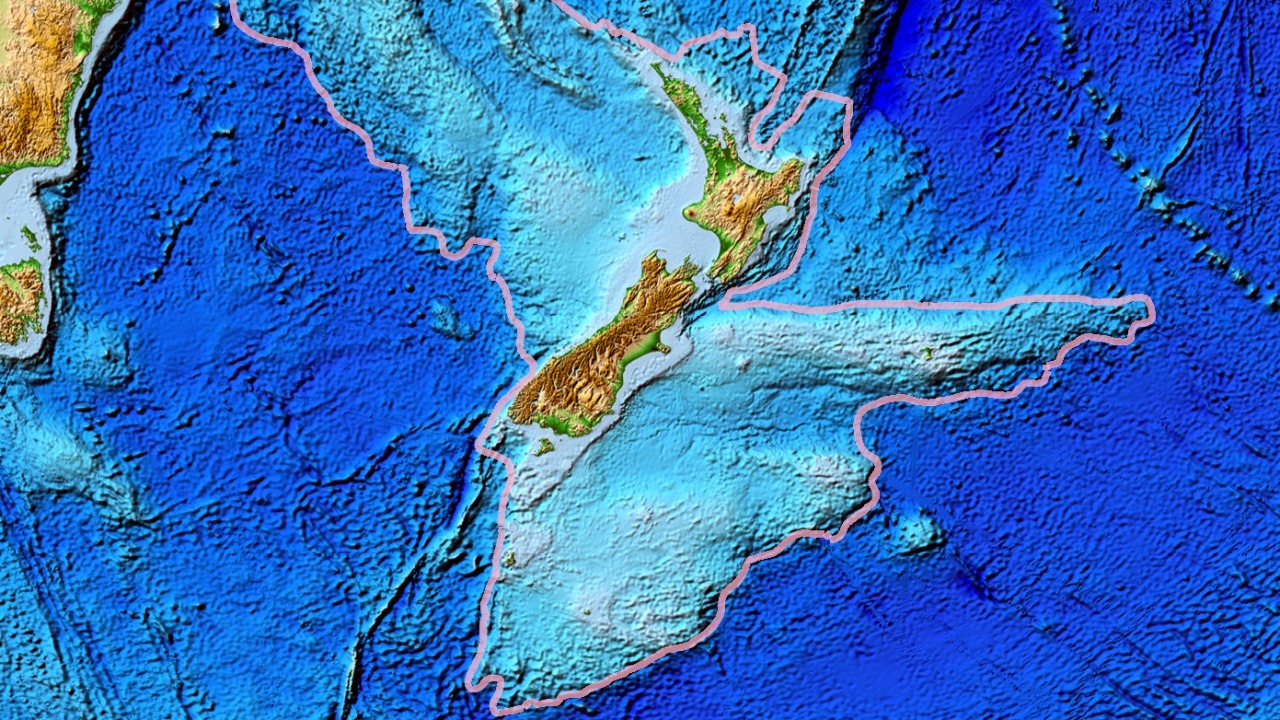

A groundbreaking discovery has been made by scientists in the Pacific Ocean: the identification of a sunken continent. Known as Zealandia, this submerged landmass challenges previous geographical understandings and has sparked significant interest in both scientific and public domains.
The Discovery of Zealandia
Zealandia’s emergence into scientific discussion is a fascinating development that interweaves with long-standing theories of continental drift and plate tectonics. Historically, the idea of an extensive landmass beneath the Pacific was a topic of speculation, but it lacked concrete evidence. Theories about continental drift, initially proposed by Alfred Wegener in the early 20th century, suggested the existence of now-submerged continents that once formed part of larger supercontinents. Zealandia fits into this narrative as a remnant of the ancient supercontinent Gondwana, which began breaking apart around 85 million years ago.
Modern technology has played a crucial role in uncovering Zealandia’s existence. Utilizing advanced methods such as satellite gravity mapping and seismic reflection profiling, scientists have been able to penetrate the ocean’s depths to reveal Zealandia’s submerged contours. These technologies allow researchers to visualize the sea floor in unprecedented detail, confirming Zealandia’s status as a distinct geological entity despite being 94% submerged. Key figures in this discovery include geologist Nick Mortimer and his team from GNS Science in New Zealand. Their research, in collaboration with other international institutions, has been pivotal in establishing Zealandia as Earth’s eighth continent.
Geological Features of Zealandia
Zealandia’s dimensions are truly impressive, spanning approximately 4.9 million square kilometers, which is about two-thirds the size of Australia. This vast size places Zealandia among the ranks of other continents, albeit mostly underwater. Zealandia’s geological composition is equally intriguing, consisting of continental crust distinct from the oceanic crust surrounding it. The crust is comprised of a mix of igneous, metamorphic, and sedimentary rocks, with granite and greywacke being prominent. These rocks link Zealandia to its Gondwanan heritage, offering insights into the processes that shaped Earth’s geological past.
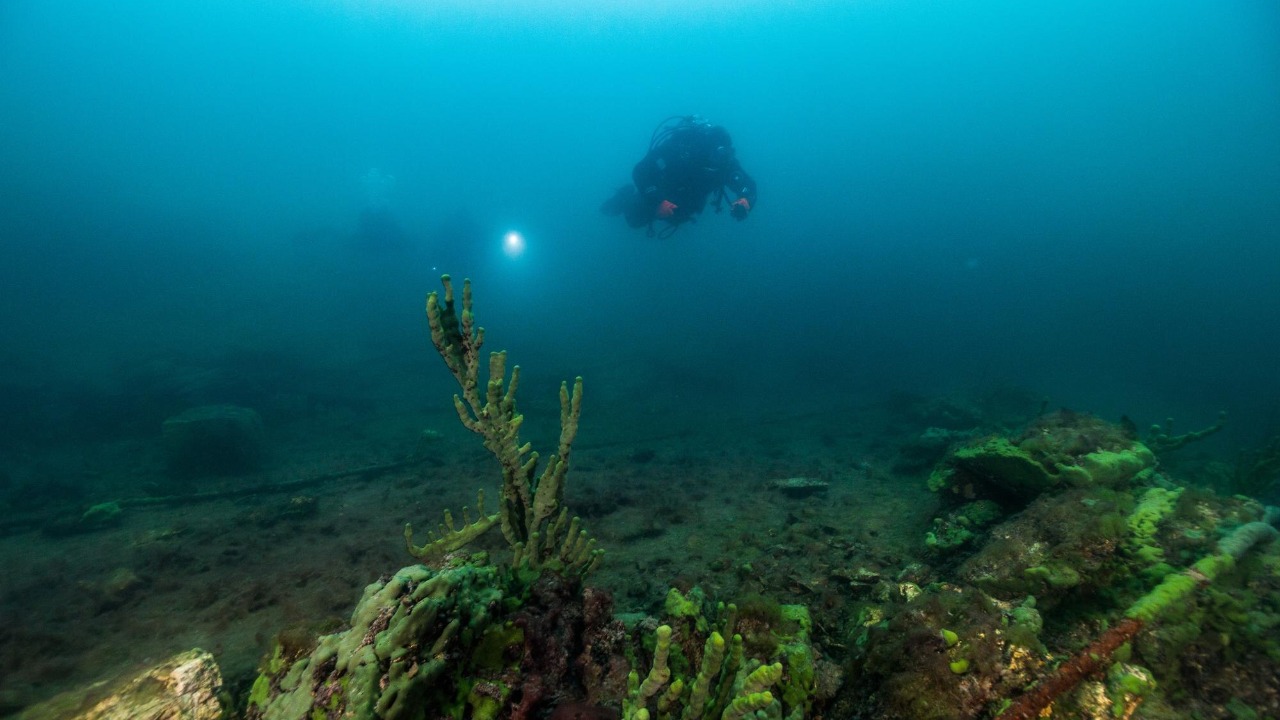
Underwater topography further highlights Zealandia’s unique characteristics. The continent features expansive mountain ranges, such as the Southern Alps, and extensive plateaus like the Campbell Plateau. These formations suggest a complex geological history involving tectonic activity, volcanic processes, and sediment deposition. Such topographical diversity supports diverse marine ecosystems, which could provide valuable insights into evolutionary processes and biodiversity distribution.
Implications of the Discovery
Zealandia’s discovery has profound implications for geology and geography. It challenges conventional continental definitions and urges a reevaluation of Earth’s geological history. Recognizing Zealandia as a continent alters our understanding of how continental structures evolve over millions of years. This knowledge could reshape educational narratives and inspire further research into other potential submerged landmasses across the globe.
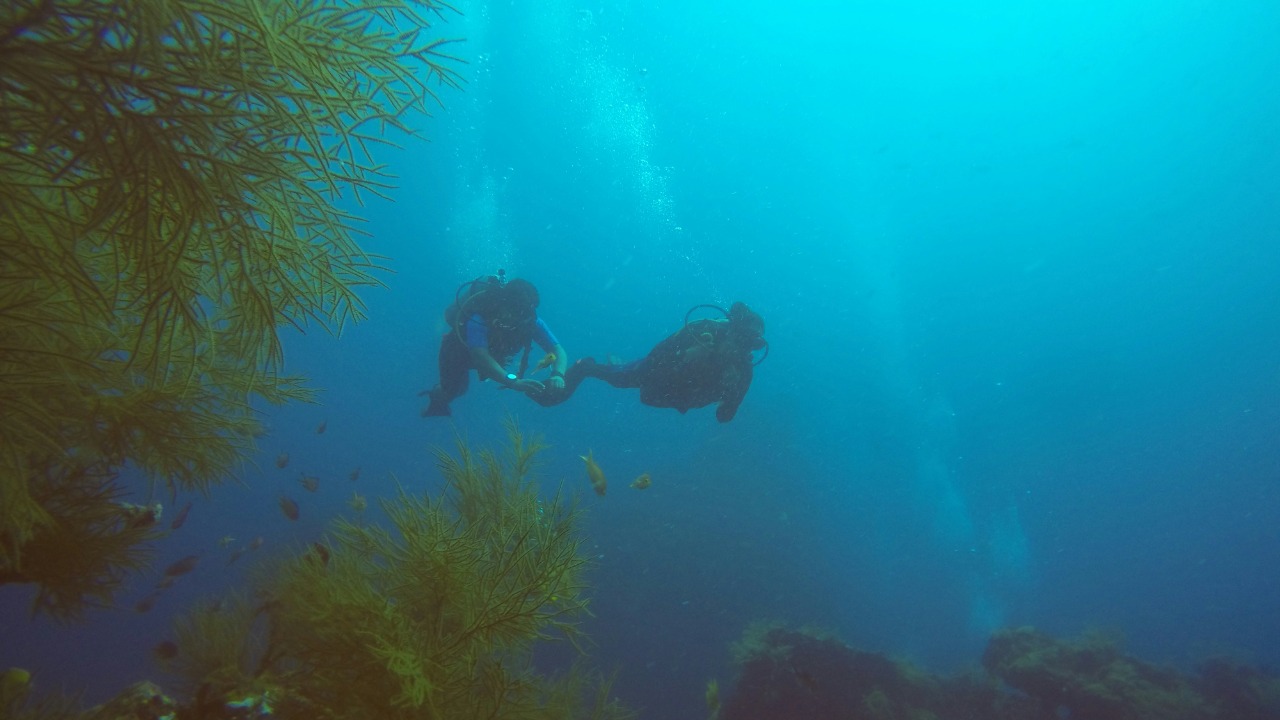
The biodiversity and ecosystems of Zealandia also garner significant interest. The submerged continent’s marine environments are home to a plethora of species, some of which may be endemic or previously undiscovered. Understanding these ecosystems can illuminate patterns of marine biodiversity and offer clues about how life adapts to unique environments. Additionally, Zealandia’s discovery holds cultural and economic significance for the indigenous cultures of the Pacific, potentially opening new opportunities for tourism and resource exploration.
Challenges in Studying Zealandia
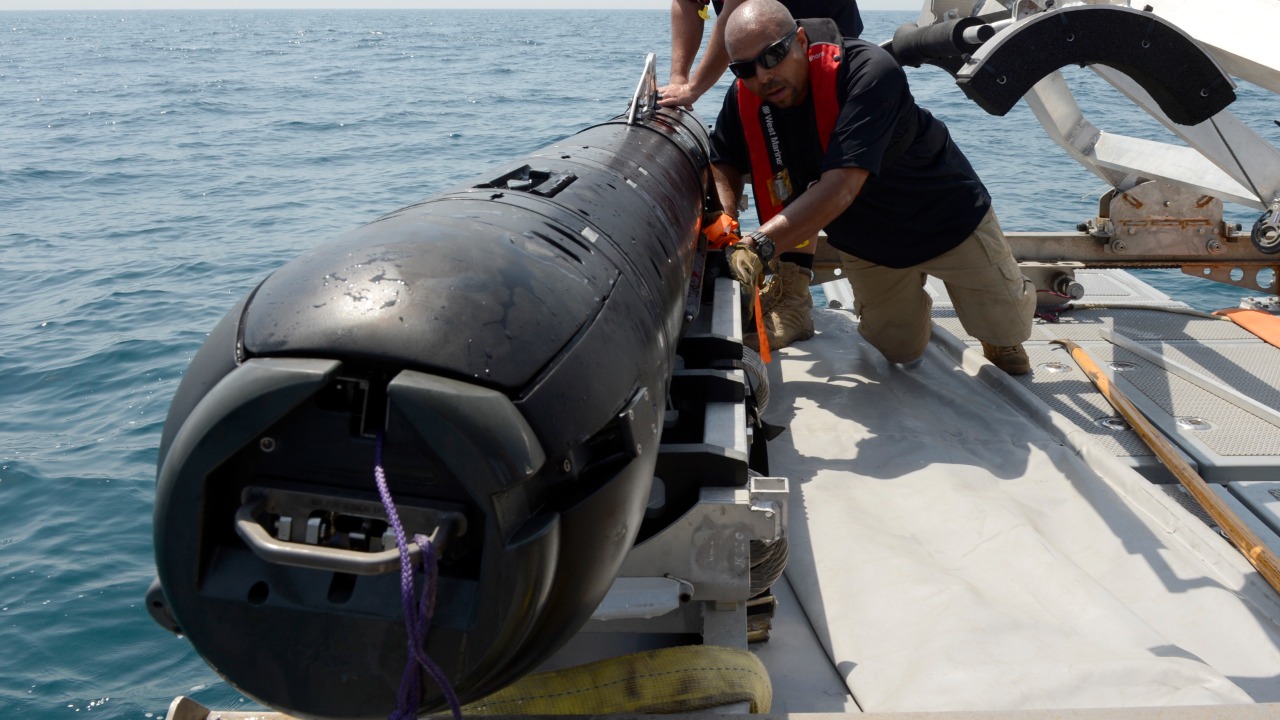
Studying Zealandia presents numerous challenges, both technical and environmental. The sheer depth and expanse of the ocean pose significant obstacles to research, requiring specialized equipment and methodologies. Deep-sea submersibles, remotely operated vehicles (ROVs), and sophisticated sonar technology are essential for exploring Zealandia’s submerged landscapes. Despite these tools, logistical constraints and the high costs of marine exploration limit the frequency and scope of research expeditions.
Environmental concerns also play a critical role in studying Zealandia. Increased research activity could impact delicate marine ecosystems, necessitating careful management and conservation efforts. Balancing scientific curiosity with environmental stewardship is crucial to prevent potential damage to these vital habitats. Furthermore, international collaboration is essential, as Zealandia spans multiple national jurisdictions. Global partnerships facilitate knowledge exchange, resource sharing, and coordinated efforts to understand and protect this unique continental region.
Future Research Directions
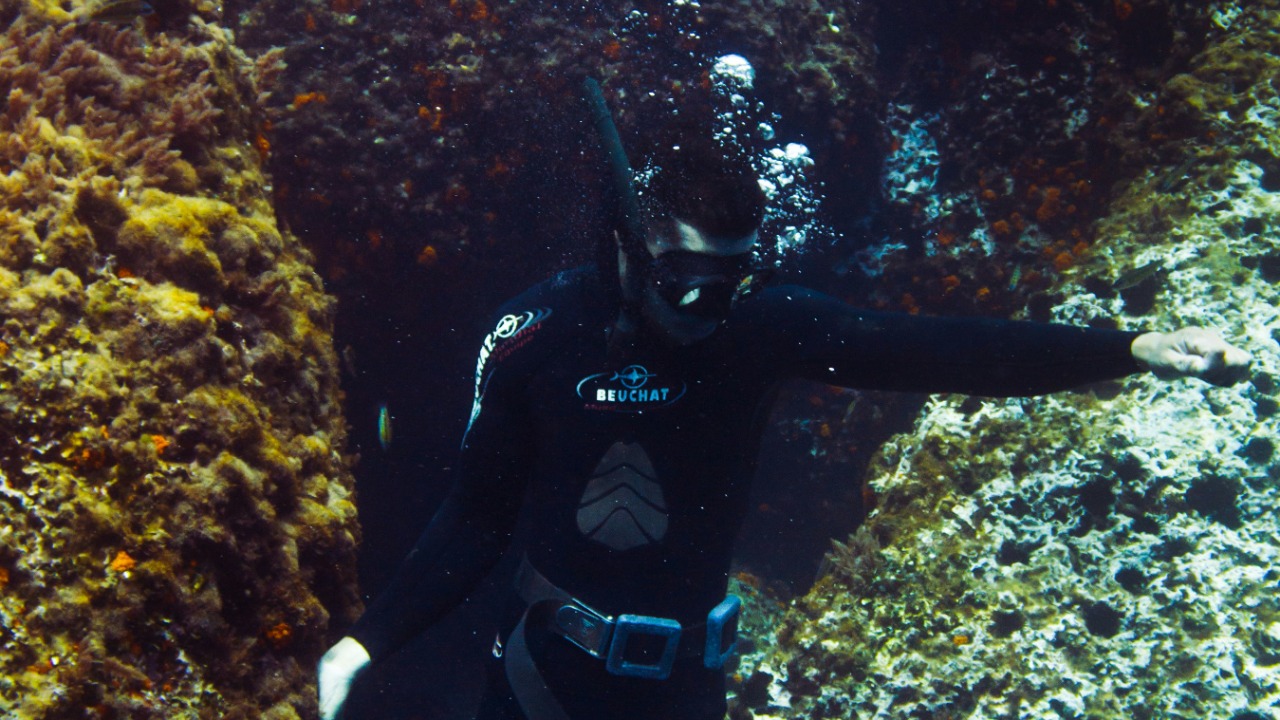
The future of Zealandia research is promising, with ongoing studies and explorations aimed at unraveling its mysteries. Collaborative efforts among scientists from various countries continue to expand our understanding of this submerged continent. Future expeditions will likely focus on detailed mapping of Zealandia’s geological features, biological surveys of its ecosystems, and analysis of its tectonic history. These studies can provide valuable insights into Earth’s dynamic processes and the factors that shape continental formations.
The potential for new discoveries within Zealandia is vast. Uncovering unknown species, understanding past climate patterns, and exploring mineral resources are just a few avenues for future research. As Zealandia integrates into educational curricula, it can inspire a new generation of geologists, oceanographers, and environmental scientists. Public awareness campaigns and educational programs can further promote interest in Zealandia, fostering a deeper appreciation for Earth’s geological complexity and the ongoing quest to uncover its hidden secrets.