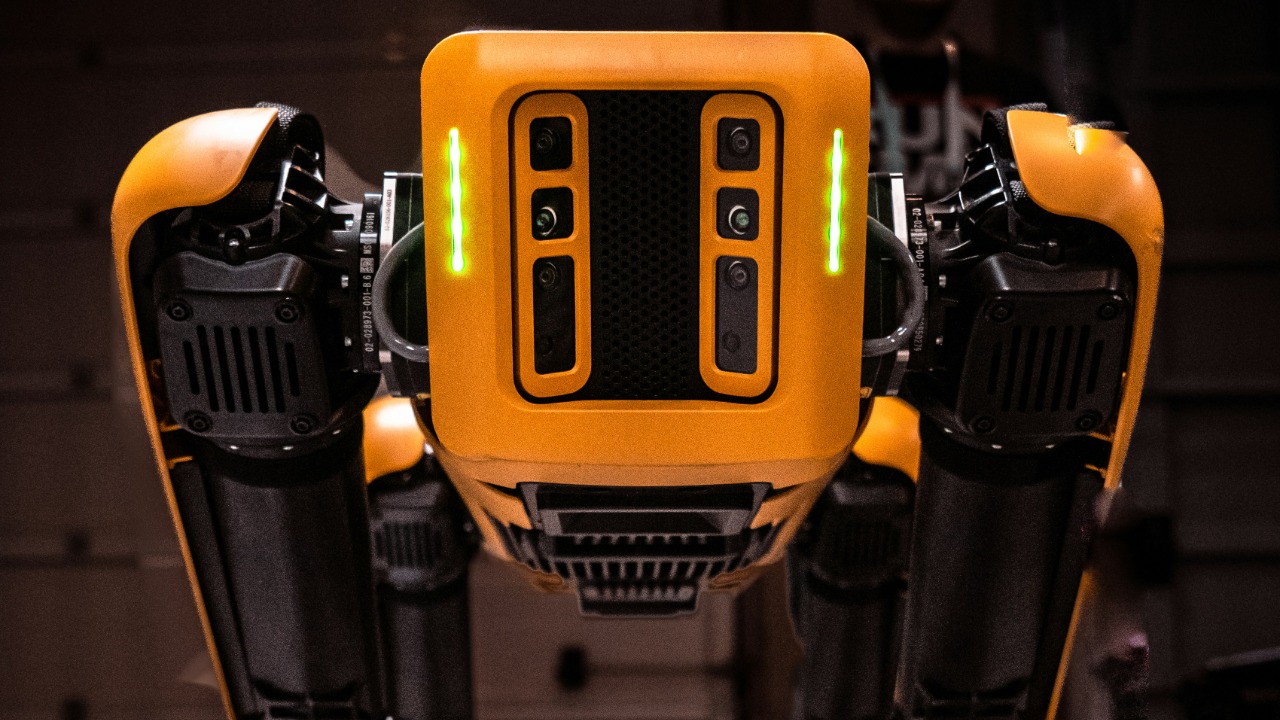

In environments where human presence is perilous, robots have become invaluable. These machines are engineered to explore, gather data, and even perform tasks in areas that are too dangerous for humans. From space exploration to deep-sea adventures, these robots are truly pushing the boundaries of what’s possible.
Boston Dynamics Spot
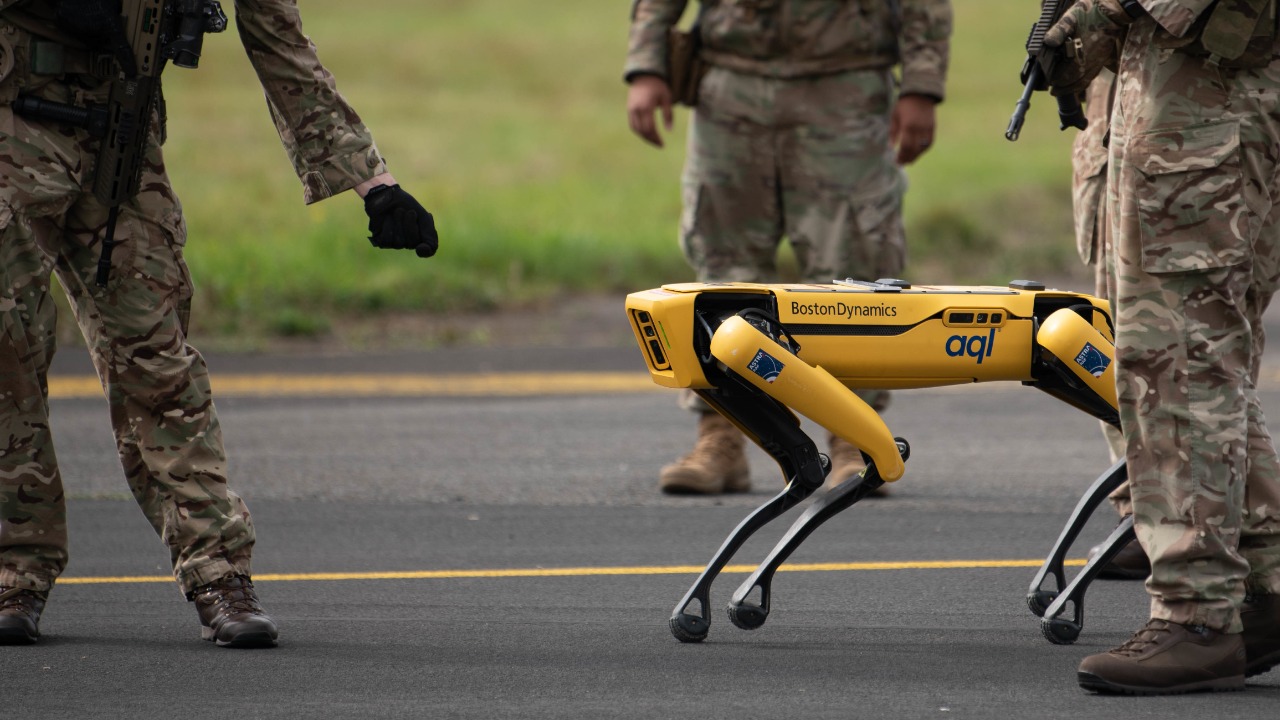
The Boston Dynamics Spot is a highly versatile robot designed for a variety of hazardous environments. With its quadrupedal form, Spot can navigate rough terrains, climb stairs, and even handle payloads. It’s often used in construction sites and disaster zones due to its adaptability and robust design.
Spot can be equipped with a range of sensors and cameras, allowing it to provide critical data and insights in real-time. This capability makes it an ideal choice for search and rescue missions, where rapid assessment is crucial. Learn more about different types of robots that excel in hazardous conditions.
NASA’s Curiosity Rover

NASA’s Curiosity Rover has been exploring the Martian surface since 2012, providing invaluable insights into the planet’s geology and climate. Its design allows it to navigate the rugged Martian terrain while conducting scientific experiments and capturing high-resolution images.
The rover’s advanced suite of tools includes a drill for collecting soil samples and complex analytical instruments for studying them. Curiosity’s success has paved the way for future Martian exploration and inspired further robotics projects aimed at expanding our understanding of space.
ECA Group’s A18D AUV
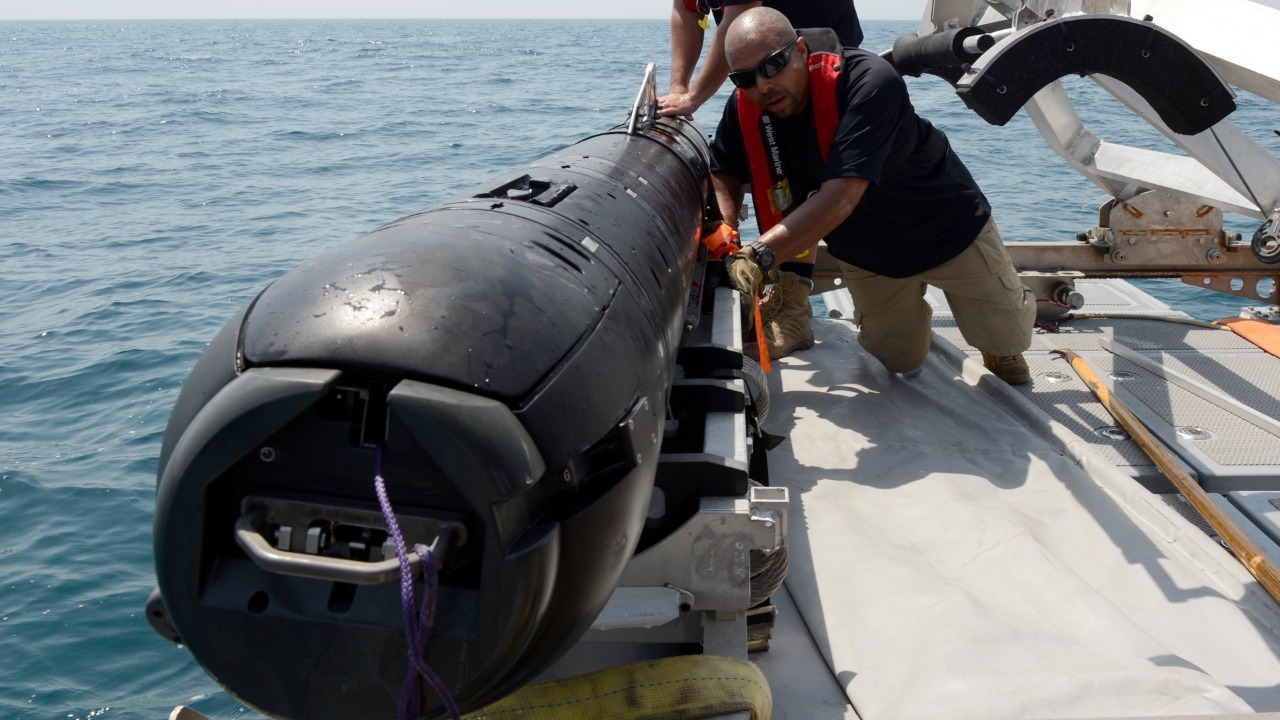
The A18D Autonomous Underwater Vehicle (AUV) by ECA Group is engineered for deep-sea exploration. Capable of diving to depths of 3000 meters, it is used in oceanographic research, underwater mapping, and even in the oil and gas industry for pipeline inspections.
Equipped with sonar and cameras, the A18D can autonomously navigate and collect data in environments that are challenging for human divers. Its autonomy and precision make it a crucial tool for deep-sea exploration and research.
iRobot PackBot
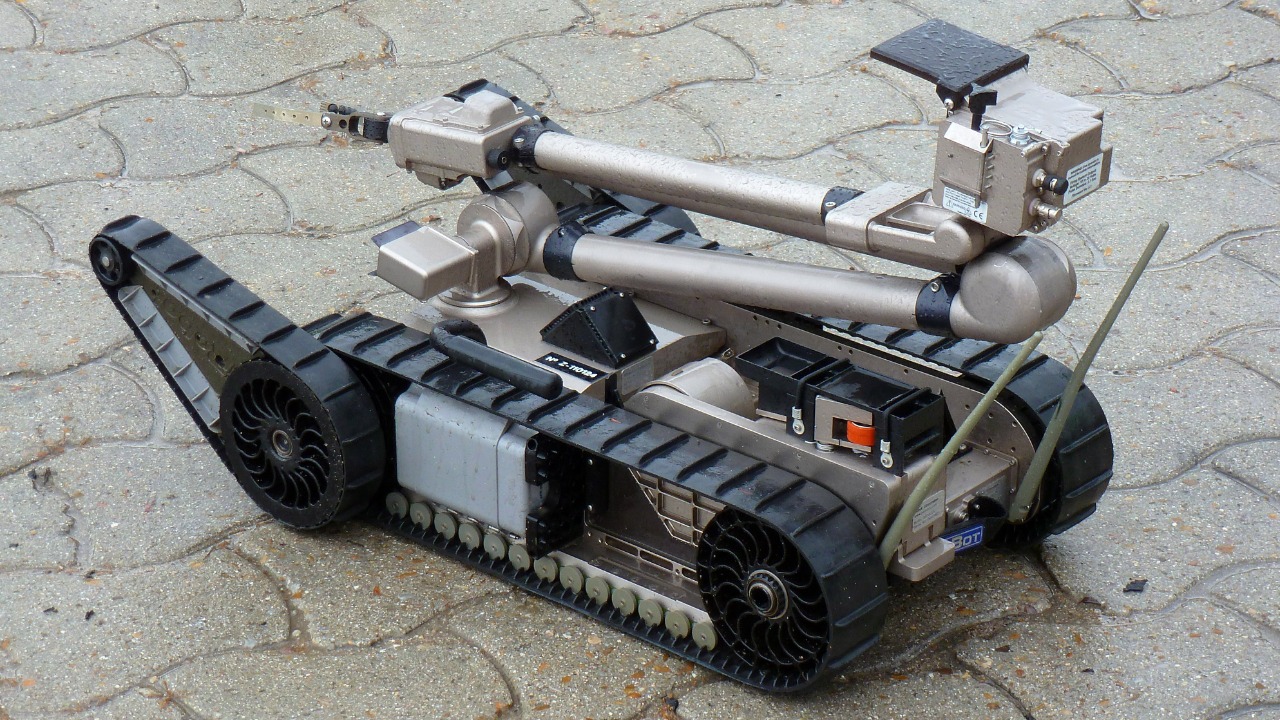
The iRobot PackBot is a military-grade robot designed for bomb disposal and hazardous environment exploration. This rugged robot can be deployed in a variety of missions, from clearing explosives to scouting dangerous areas.
Featuring a powerful arm and a suite of sensors, the PackBot can provide real-time data to operators, helping them make informed decisions in critical situations. The robot is a testament to how robots are doing dangerous jobs that were once solely human tasks.
ABB’s YuMi

While ABB’s YuMi is primarily known for its collaborative abilities in industrial settings, its precision and safety features make it useful in hazardous environments. Designed to work alongside humans, YuMi can perform delicate tasks that require a high degree of accuracy.
In industries where hazardous materials are involved, YuMi can reduce human exposure to dangerous substances by performing tasks like handling toxic chemicals. This capability showcases how automation can reduce risk through automation effectively.
Clearpath Robotics’ Husky

The Husky by Clearpath Robotics is an all-terrain unmanned ground vehicle (UGV) designed for tough environments. Its rugged build and powerful drivetrain allow it to traverse challenging terrains, making it ideal for research, agricultural, and military applications.
Husky is often used in situations where remote monitoring and data collection are essential. Its adaptability and payload capacity enable it to carry various sensors and equipment, making it a versatile tool for different hazardous exploration tasks.
Saab Seaeye Falcon
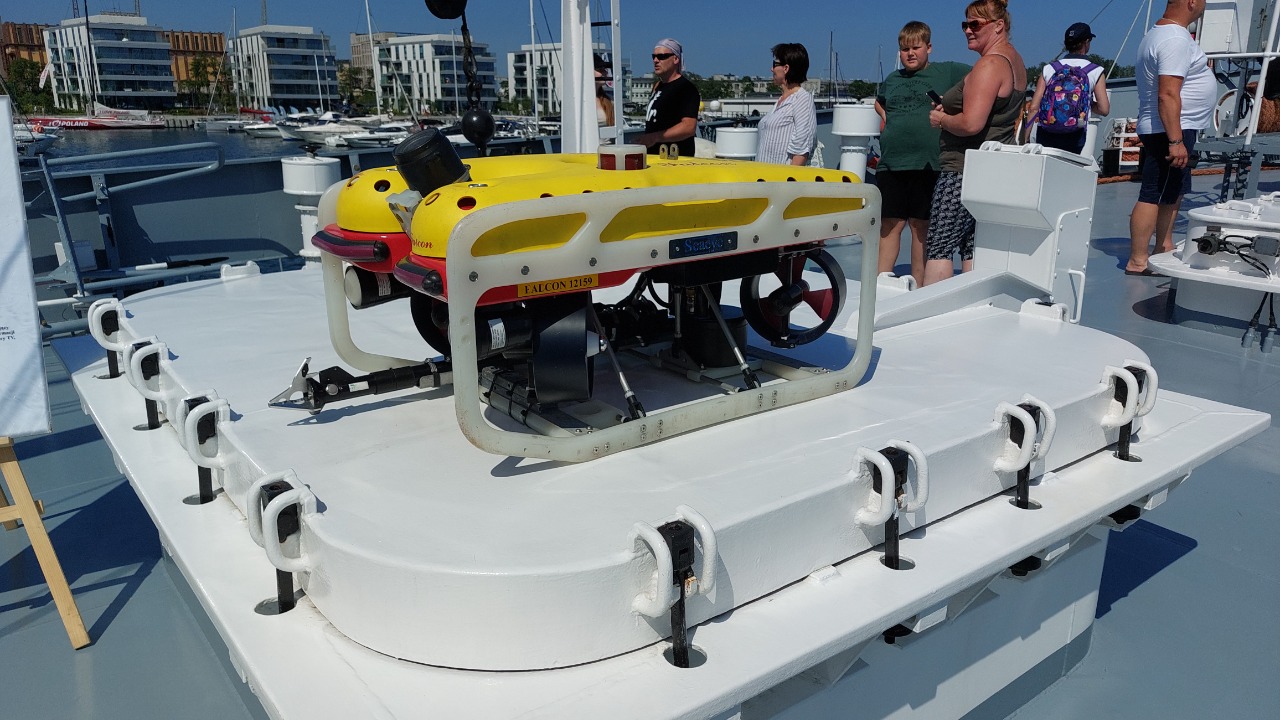
The Saab Seaeye Falcon is a remotely operated vehicle (ROV) designed for underwater exploration and inspection. Its compact size and maneuverability make it suitable for a range of underwater applications, from marine research to infrastructure inspection.
Equipped with high-definition cameras and sonar, the Falcon can provide detailed inspections of underwater structures, ensuring the safety and integrity of critical infrastructure. Its ability to operate in strong currents and confined spaces makes it a valuable asset in underwater exploration.
Schaft’s Disaster Response Robot
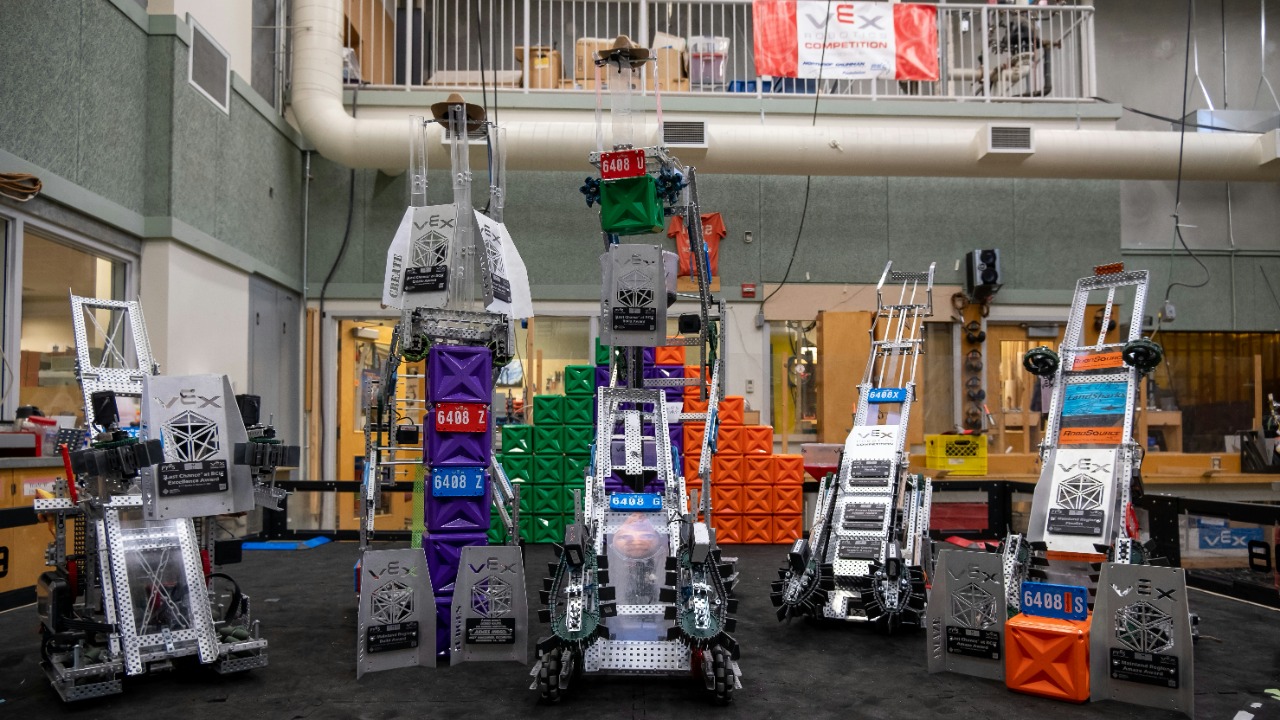
Schaft’s Disaster Response Robot was developed for search and rescue missions in complex and hazardous environments. With its humanoid design, it can navigate through debris and perform tasks like opening doors and operating machinery.
The robot’s ability to function in disaster-stricken areas highlights its potential in emergency response scenarios. By providing real-time data and performing physical tasks, it supports first responders in making critical decisions and improving rescue operations.