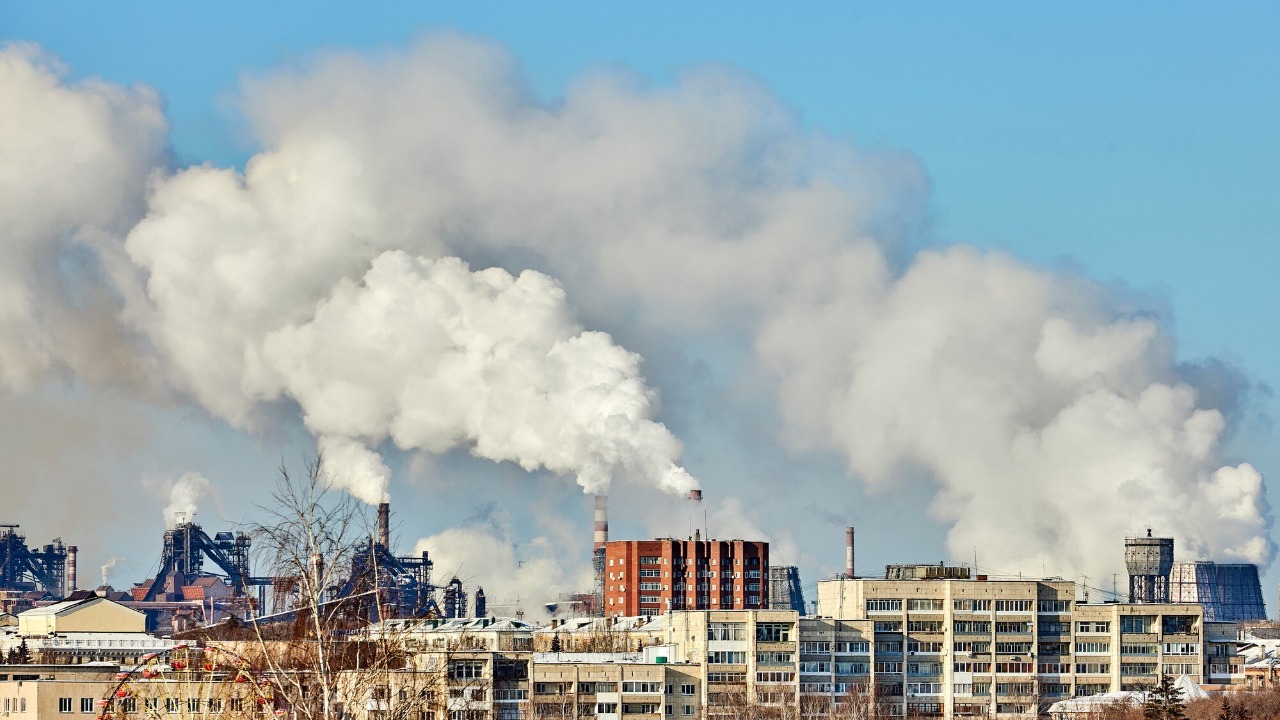

AI technology is rapidly advancing, offering innovative solutions to some of the world’s most pressing environmental issues. By optimizing resource use and reducing waste, these AI-driven features are helping to create a more sustainable future. Explore how AI is transforming industries to promote environmental conservation and sustainability.
1. Renewable Energy Optimization

Renewable energy sources like solar and wind power are becoming increasingly viable alternatives to fossil fuels. AI plays a significant role in optimizing the efficiency and output of these energy systems. By predicting energy demand and adjusting the operation of power plants accordingly, AI ensures that energy production is both economical and environmentally friendly. Companies like Google’s DeepMind have successfully reduced energy usage in data centers by using AI for energy management.
Moreover, AI algorithms can forecast weather patterns to optimize the placement and operation of solar panels and wind turbines. This intelligent approach significantly increases the energy yield and reduces reliance on non-renewable energy sources. Learn more.
2. Smart Agriculture Practices
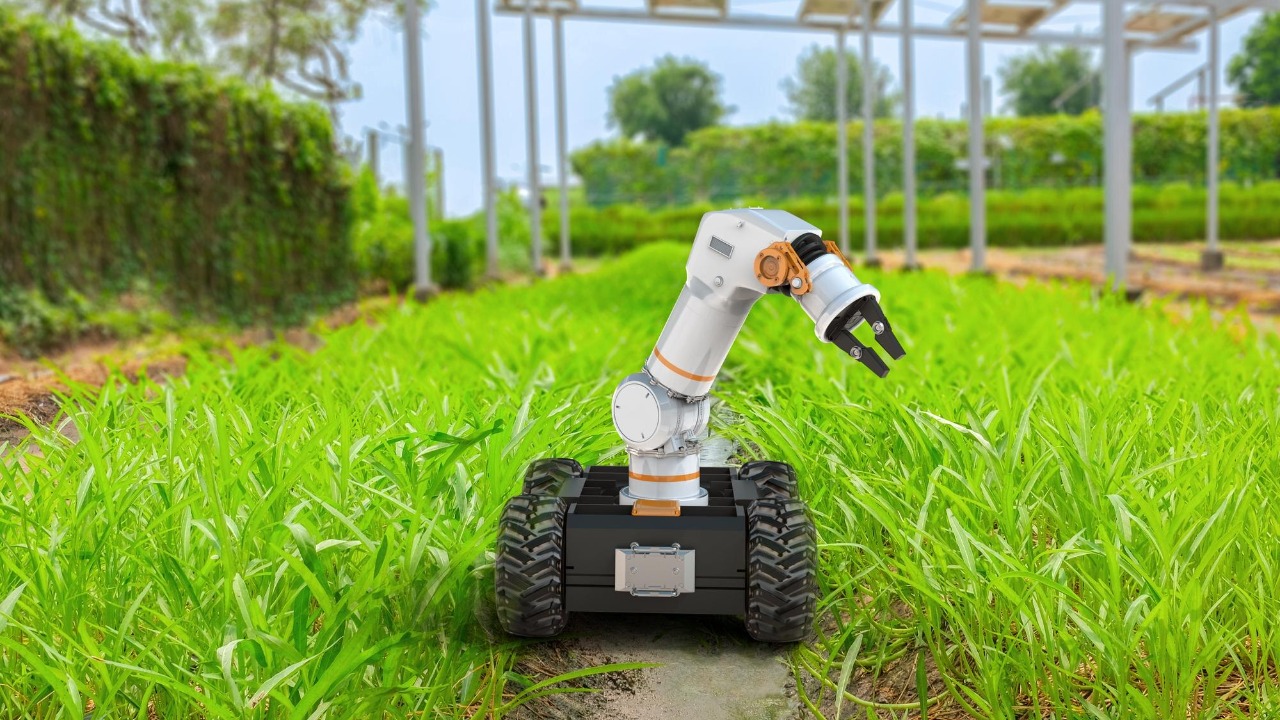
AI is revolutionizing agriculture by promoting sustainable practices that maximize yield while minimizing environmental impact. Machine learning models analyze soil data, weather conditions, and crop health to provide farmers with precise recommendations on irrigation, fertilization, and pest control. This targeted approach reduces the use of water, fertilizers, and pesticides, leading to healthier crops and a healthier planet.
For instance, systems like John Deere’s AI-driven tractors can autonomously navigate fields, applying the exact amount of seeds and nutrients needed. These technologies not only conserve resources but also enhance productivity, ensuring food security for a growing global population.
3. Efficient Waste Management

AI is instrumental in transforming waste management processes by improving sorting, recycling, and disposal methods. Advanced AI systems can identify and categorize waste materials more accurately than traditional methods, increasing the efficiency of recycling programs. Automated sorting machines, like those used by companies such as AMP Robotics, use computer vision to distinguish between different types of recyclables.
Additionally, AI can predict waste generation patterns, allowing municipalities to optimize waste collection schedules and reduce carbon emissions from transportation. Such innovations lead to a more sustainable waste management ecosystem.
4. Sustainable Supply Chain Management

Supply chains are complex networks that can significantly impact the environment. AI helps businesses optimize their supply chains by analyzing vast amounts of data to identify inefficiencies and recommend improvements. For example, AI algorithms can optimize logistics routes to reduce fuel consumption and emissions.
Moreover, AI can monitor supplier practices to ensure they adhere to environmental standards, fostering a culture of sustainability throughout the supply chain. By leveraging AI, companies not only reduce their carbon footprint but also enhance their reputation and competitiveness in the market.
5. Wildlife Monitoring and Conservation

AI technology is playing a crucial role in wildlife conservation efforts by providing real-time monitoring and data analysis. Using camera traps and drones equipped with AI, conservationists can track animal movements and behaviors without human interference. This data helps in understanding habitat usage and identifying threats like poaching.
Projects like Microsoft’s AI for Earth initiative use machine learning to analyze environmental data and support conservation efforts worldwide. By providing insights into wildlife populations and ecosystem health, AI empowers conservationists to make informed decisions and implement effective strategies.
6. Energy Consumption Reduction in Buildings

Buildings are significant consumers of energy, and AI is helping to reduce this consumption through smart energy management systems. AI-driven platforms can monitor and analyze energy usage patterns to suggest adjustments that improve efficiency. For example, the use of AI in HVAC systems can optimize heating and cooling schedules, ensuring comfortable temperatures with minimal energy expenditure.
These systems can also integrate with smart grids, allowing for better demand-response strategies that further reduce energy waste. The result is a significant reduction in energy bills for building owners and a decrease in the overall carbon footprint of urban environments.
7. Pollution Monitoring and Control

AI technologies are essential in monitoring and controlling pollution in various environments. Air quality monitoring systems equipped with AI can detect pollutants in real time, providing critical data for regulatory compliance and public health protection. AI can also predict pollution levels based on weather forecasts and industrial activities.
For water pollution, AI models analyze satellite imagery to identify contaminated water bodies and track pollution sources. By providing accurate and timely information, AI empowers governments and organizations to take proactive measures in pollution control and prevention. Read more.
8. Climate Modeling and Prediction

AI is enhancing climate modeling by processing large datasets to simulate and predict climate patterns with greater accuracy. Machine learning algorithms can identify trends and anomalies in climate data, leading to more reliable forecasts. This information is crucial for policymakers and researchers working on climate change mitigation strategies.
AI-driven climate models help in understanding the potential impacts of different environmental policies and actions. By providing data-driven insights, AI supports informed decision-making that can lead to more effective climate action plans. Explore further.
9. Water Resource Management
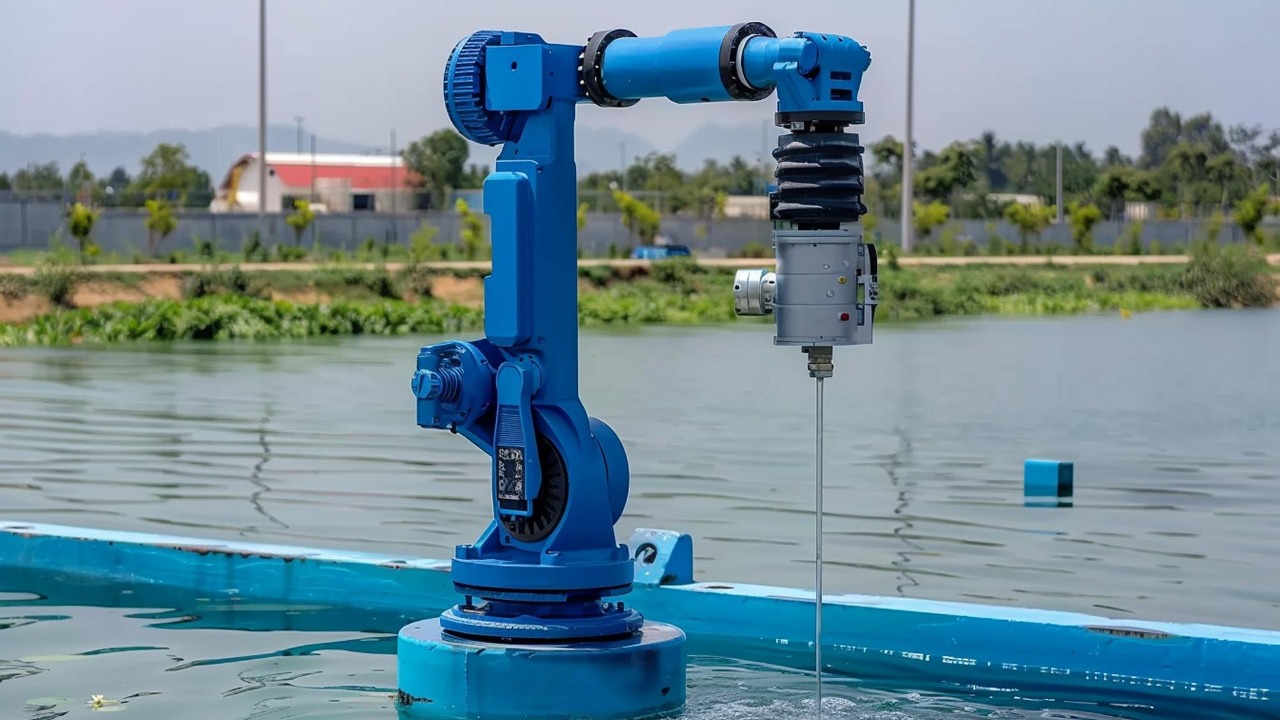
As freshwater resources become increasingly scarce, AI offers innovative solutions for efficient water management. AI systems can predict water demand and optimize distribution networks to minimize waste and leakage. For instance, utilities can use AI to detect anomalies in water usage patterns, identifying leaks before they become significant issues.
AI is also used in agriculture to manage irrigation systems, ensuring that crops receive the right amount of water at the right time. By reducing water waste, AI helps conserve this vital resource for future generations.
10. Eco-friendly Urban Planning

Urban planning is critical to creating sustainable cities, and AI is transforming this field with data-driven insights. AI tools analyze urban data, such as traffic patterns and population density, to design efficient public transport systems and reduce congestion. This leads to lower emissions and improved air quality in cities.
Furthermore, AI can simulate different urban development scenarios to assess their environmental impact, helping planners make informed decisions. By integrating AI into urban planning, cities can become more livable and sustainable, reducing their overall environmental footprint. More details here.