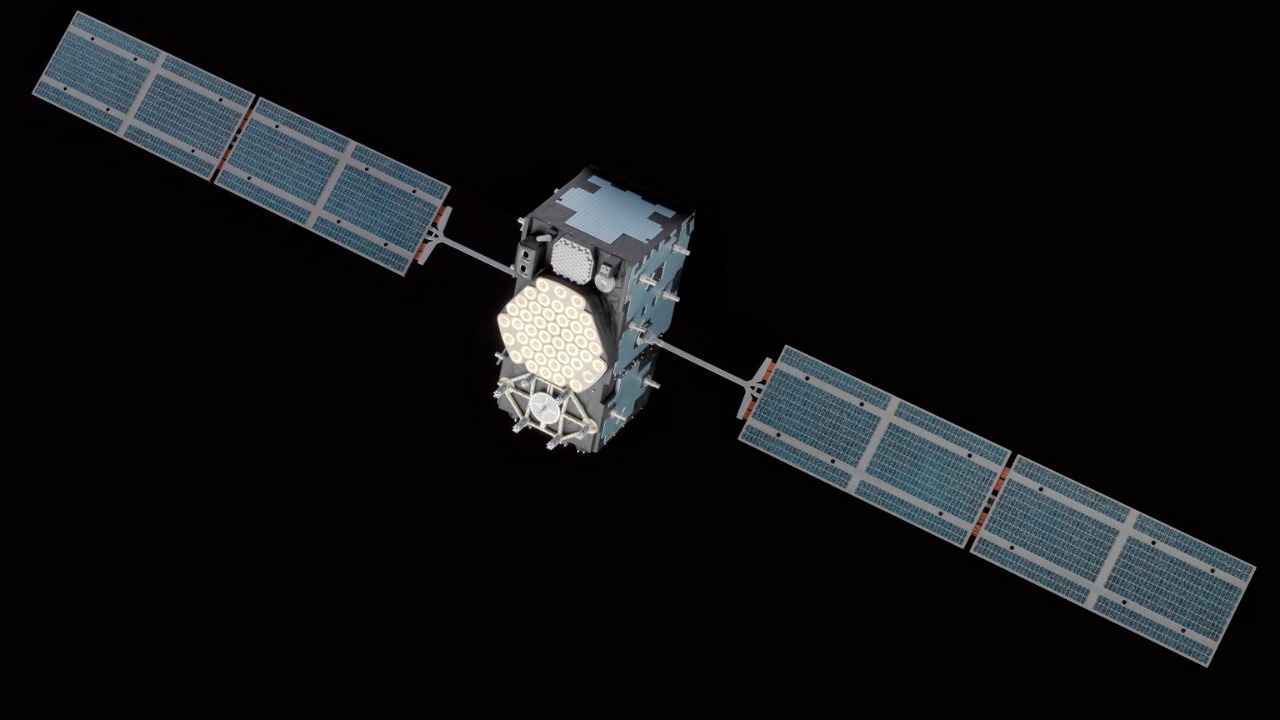

Low Earth Orbit (LEO) is a bustling area of space, hosting thousands of satellites from nations and private companies alike. However, not all satellites are welcome in this crowded domain. Due to various reasons like security concerns, operational failures, or policy violations, some satellites have been banned from joining this orbital neighborhood. Let’s explore some of these satellites that have been barred from LEO.
XiaoSat-3
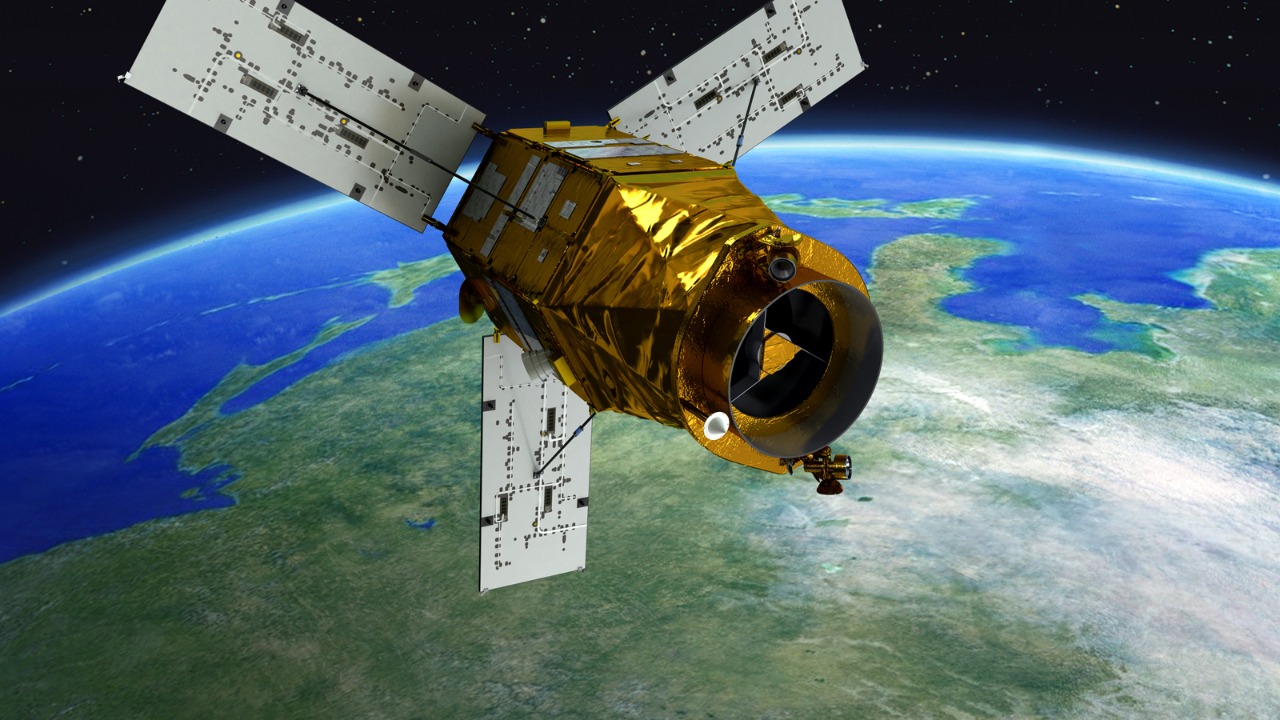
XiaoSat-3 was designed to be a key player in global communications. However, its launch was halted due to concerns over espionage. Authorities cited the satellite’s advanced capabilities, which could potentially be used for gathering intelligence rather than its intended purpose of enhancing internet connectivity. Such concerns are not unprecedented; for instance, similar issues have been raised regarding other projects like Eutelsat OneWeb.
These security concerns were substantial enough to prompt a ban on XiaoSat-3’s deployment into LEO. The decision illustrates the delicate balance between technological advancement and national security that countries must navigate.
SkyShield-9
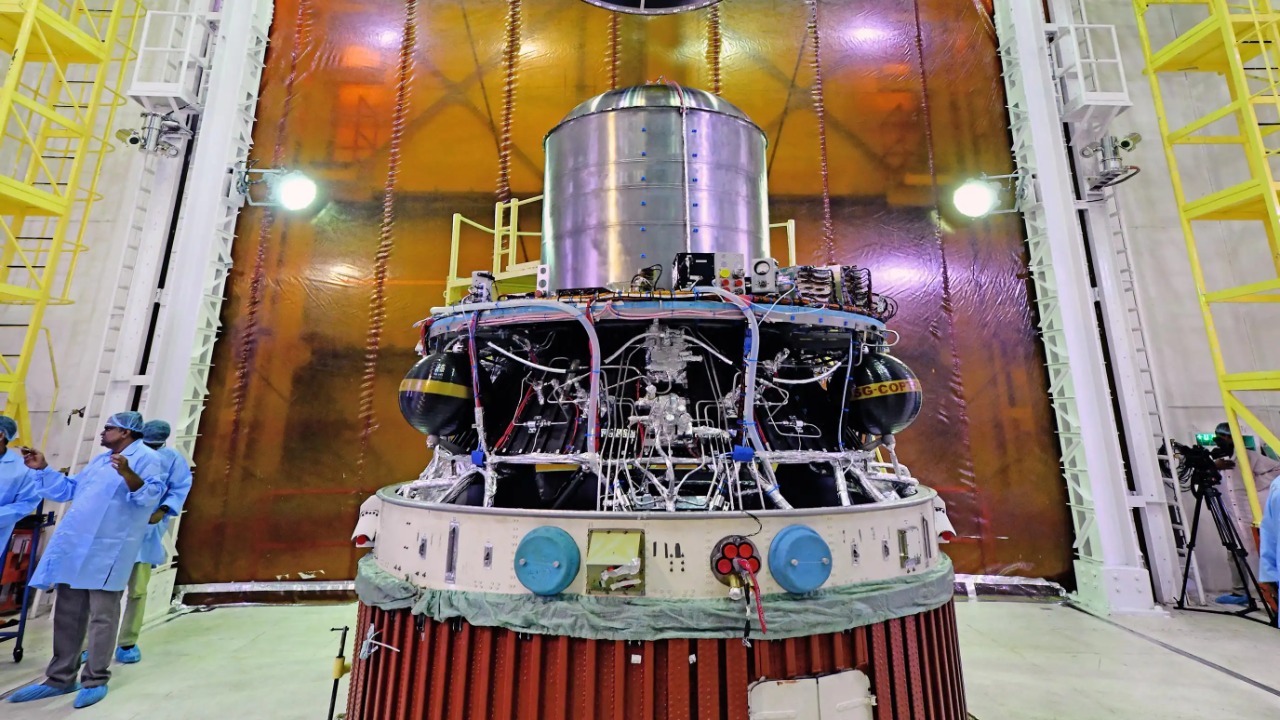
SkyShield-9 faced a ban from LEO due to its controversial design, which included space-based advertising capabilities. The satellite was part of an initiative to display advertisements visible from Earth, a concept that has been met with significant opposition from the scientific community. Astronomers have warned against the potential for such projects to disrupt astronomical research, as detailed in discussions on Gizmodo.
The backlash from both scientists and the public ultimately led to regulatory bodies banning SkyShield-9. This move highlights the importance of preserving space as a resource for scientific exploration rather than commercial exploitation.
TerraNova-1
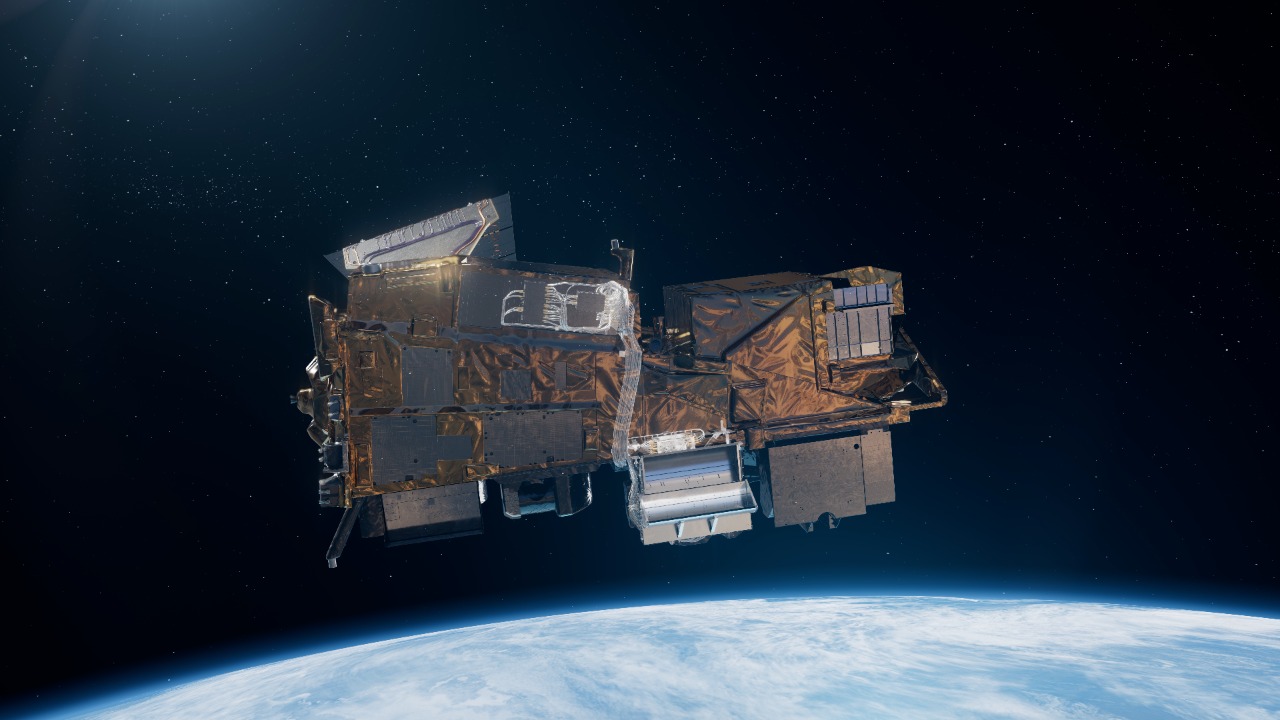
TerraNova-1 was a satellite initially intended to monitor environmental changes on Earth. However, issues with its operational design led to the decision to ban it from LEO. The satellite was found to have technical flaws that could cause it to malfunction and potentially collide with other orbiting objects, increasing the risk of space debris.
Such concerns are a growing issue, as highlighted in research about space sustainability, including studies available through ScienceDirect. The ban on TerraNova-1 underscores the need for rigorous testing and validation of satellite designs before deployment.
AstroLink-5
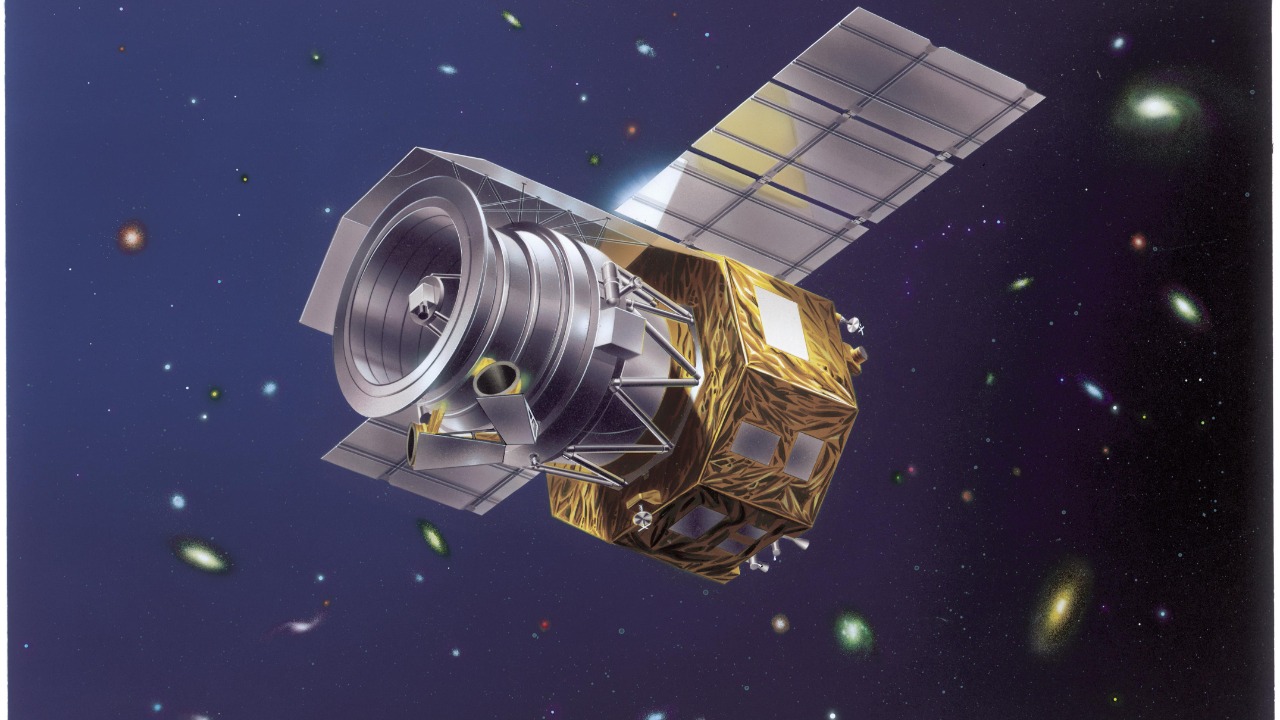
AstroLink-5 was another casualty of the strict regulations surrounding LEO. The satellite was designed as a part of a larger constellation for providing global internet services. However, it ran afoul of international frequency coordination regulations, leading to its ban. The issue of frequency interference is a common challenge in satellite operations, affecting both private and governmental projects.
Despite its ambitious objectives, AstroLink-5’s inability to comply with these regulations meant it was prohibited from LEO, serving as a reminder of the complex regulatory landscape that governs space activities.
OrbitGuard-7
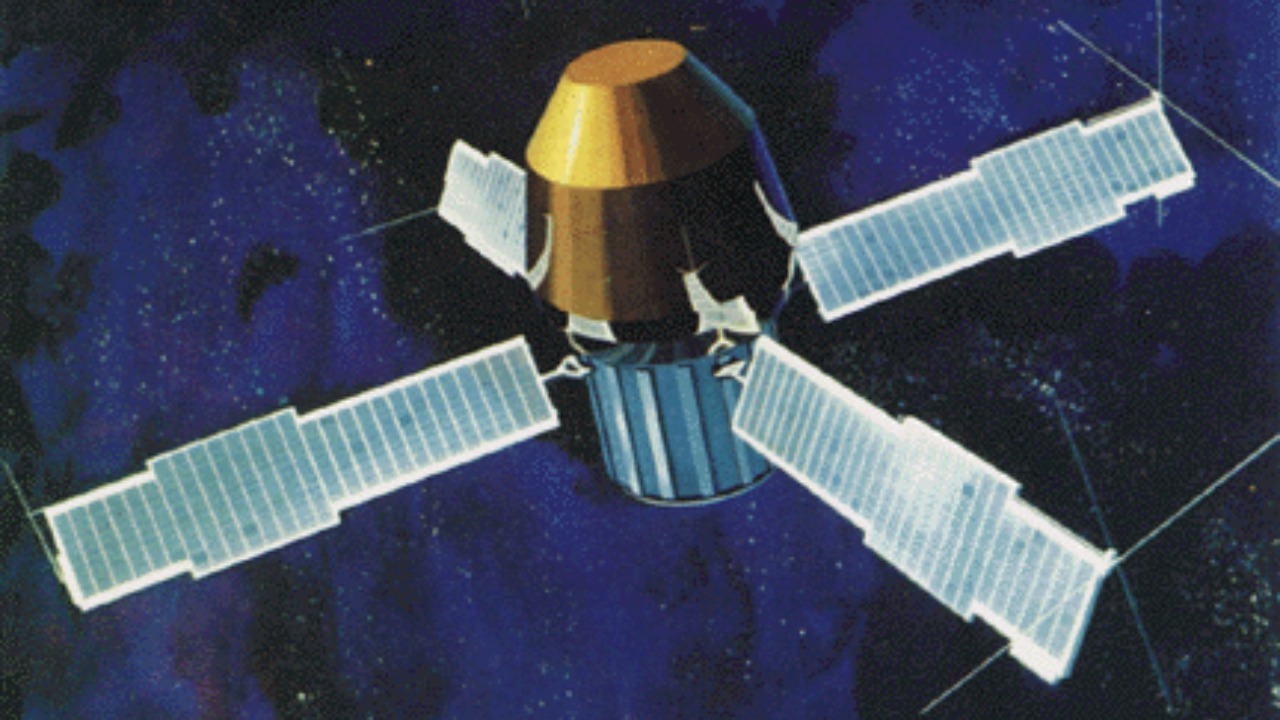
OrbitGuard-7 was designed for space debris mitigation but was banned due to ethical concerns. The satellite’s technology could theoretically be used to disable other satellites, raising alarm over potential misuse. Such dual-use technologies are increasingly scrutinized by international bodies to prevent space becoming a theater for conflict.
The decision to ban OrbitGuard-7 from LEO reflects a broader conversation about the ethical use of space technology, as discussed in various policy papers, including those found in government reports.
NexusProbe-2
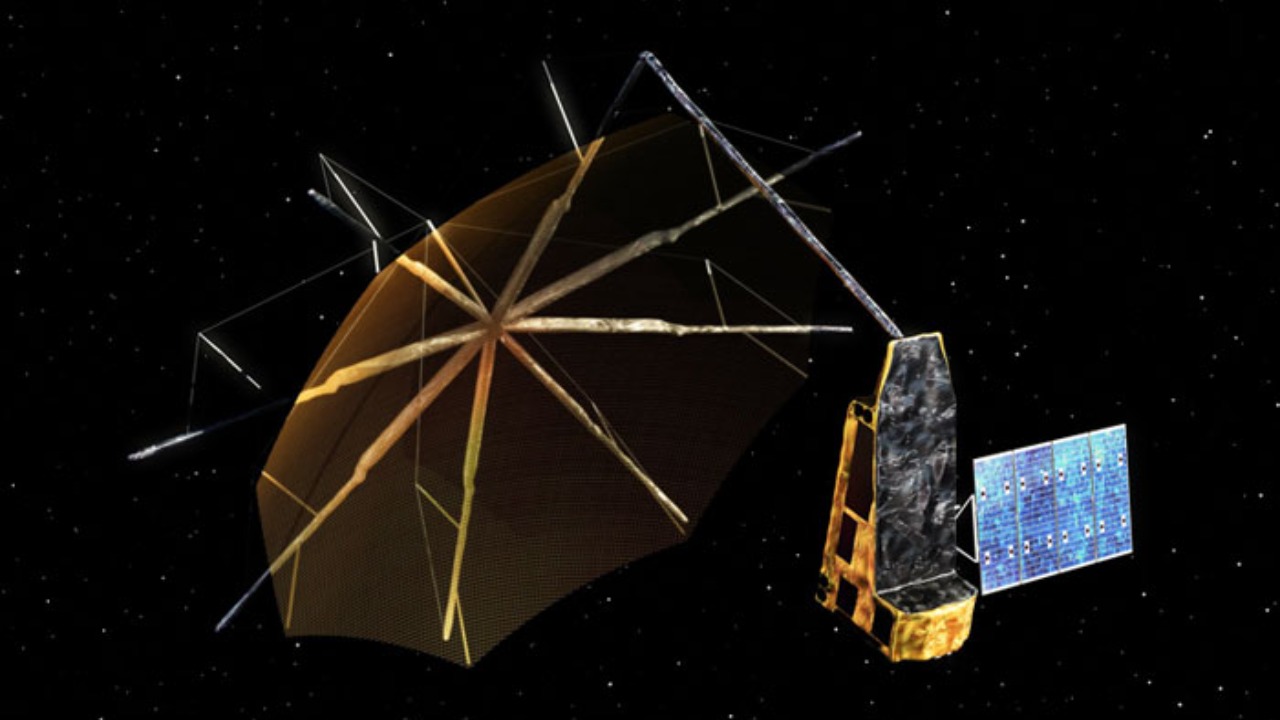
NexusProbe-2 was intended for scientific research, focusing on understanding cosmic radiation. However, a review revealed that its construction materials did not meet safety standards, posing a risk of contamination to other satellites. Safety standards are critical in maintaining the integrity of space missions, as outlined in numerous scientific studies.
Consequently, NexusProbe-2 was banned from LEO, serving as a cautionary tale for future projects aiming to explore the final frontier. Ensuring compliance with safety standards is essential to prevent incidents that could jeopardize the broader space community.