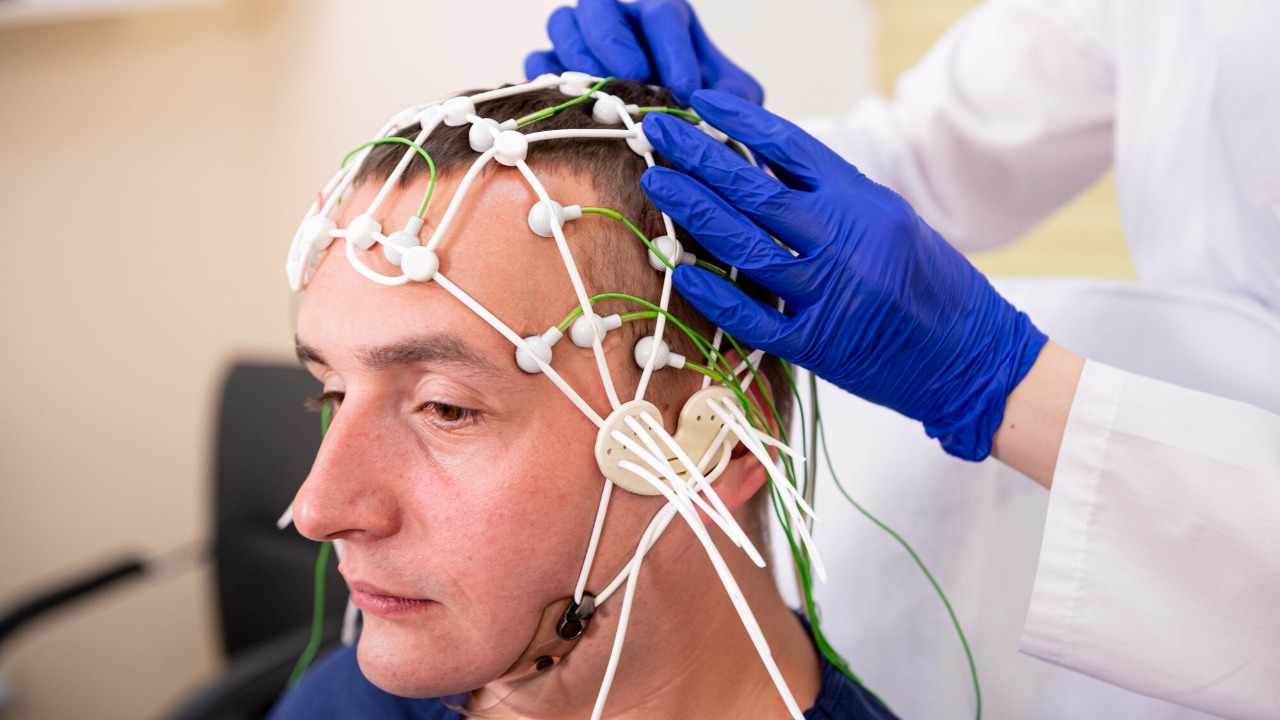

Neural implants are increasingly becoming a topic of interest, promising a future where technology seamlessly integrates with the human brain to enhance cognitive abilities, treat neurological disorders, and even revolutionize communication. Despite the excitement, there are growing debates about the practicality, ethics, and long-term impacts of such technologies. This article explores the current state of neural implants, their potential applications, and the societal implications of their everyday use.
Current State of Neural Implant Technology
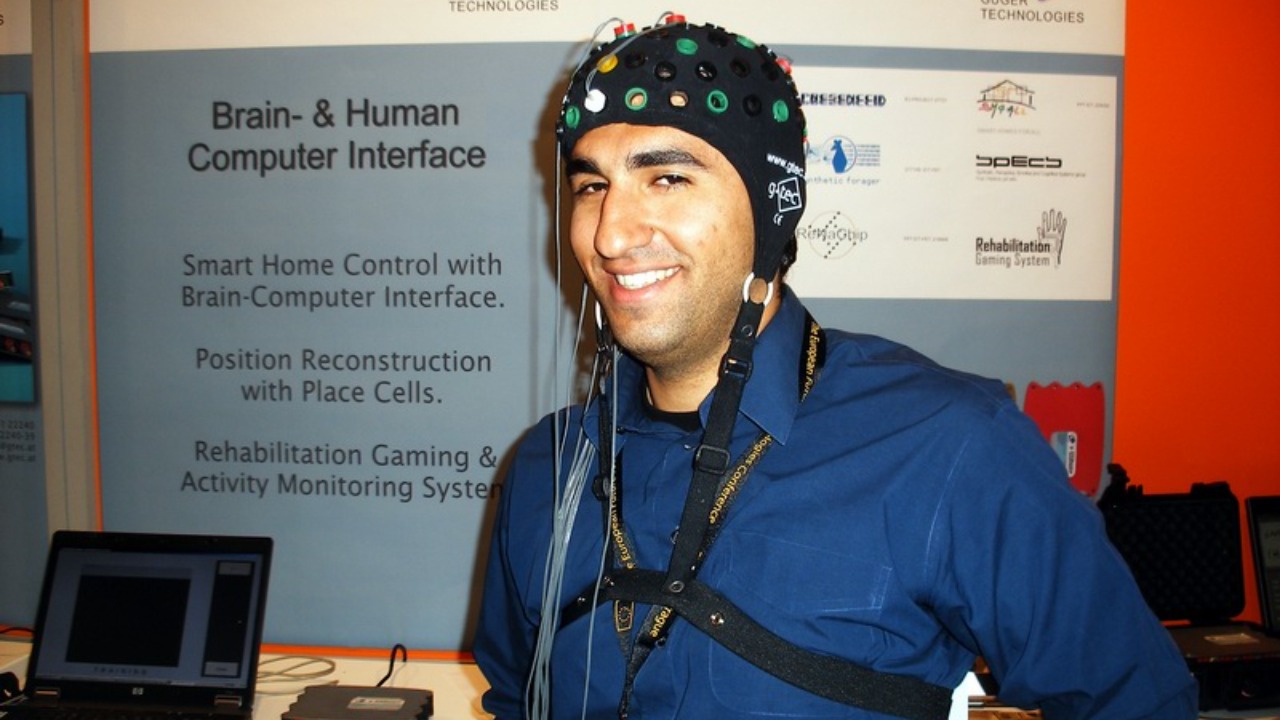
Recent years have seen remarkable advancements in brain-computer interfaces (BCIs), which form the foundation of neural implant technology. These interfaces enable direct communication between the brain and external devices, opening up possibilities for controlling computers, prosthetics, and more through thought alone. One of the most promising developments is in real-time language processing. Researchers have successfully utilized brain implants and AI to map language processing, allowing for more natural and intuitive communication methods.
Despite the technological progress, several challenges hinder the widespread adoption of neural implants. The technical limitations are significant, with issues related to the durability of implants, potential side effects, and the need for invasive procedures. Public perception also plays a critical role, as many people harbor ethical concerns about the idea of altering brain function. These concerns are compounded by fears about data security and privacy, as neural implants could potentially expose users’ thoughts to external parties.
Everyday Applications of Neural Implants

In the medical field, neural implants have shown significant promise in treating neurological disorders. For instance, deep brain stimulation (DBS) is already being used to alleviate symptoms of Parkinson’s disease and epilepsy. These implants can help regulate brain activity, providing relief to patients who do not respond well to traditional therapies. Furthermore, researchers are exploring the potential for neural implants to assist in mental health interventions, offering new avenues for treating depression and anxiety.
Beyond medical applications, neural implants hold the potential to enhance cognitive abilities. Cognitive augmentation through implants could lead to improved memory retention and accelerated learning capabilities. Imagine students using neural implants to acquire new skills rapidly or professionals enhancing their problem-solving abilities. Such possibilities could revolutionize education and professional development, making learning a more efficient and personalized experience.
Public Perception and Ethical Considerations

The societal views on brain implants vary widely, with a mix of excitement and apprehension. According to public opinion surveys, people express enthusiasm for the potential health benefits, but there is also significant concern about privacy violations and the ethical implications of altering human cognition. Many fear that brain implants could lead to a loss of autonomy if individuals’ thoughts and actions become susceptible to external influence.
Ethically, the use of neural implants raises questions about consent, especially when considering their application in vulnerable populations like children or individuals with mental health disorders. The potential for socioeconomic disparities also looms large, as access to such technology could be limited to those with the financial means, exacerbating existing inequalities. These considerations highlight the need for robust ethical frameworks to guide the development and deployment of neural implants.
Future Prospects and Innovations
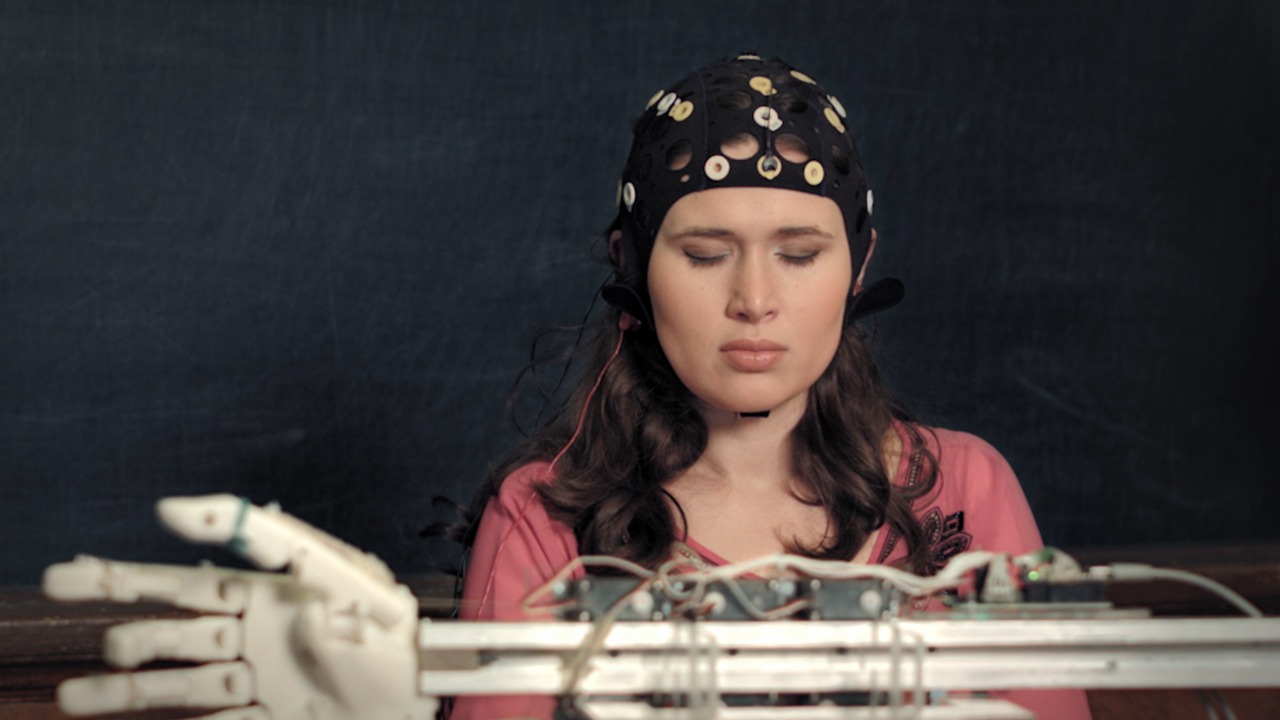
Looking ahead, the integration of artificial intelligence with neural implants promises to enhance their functionality significantly. AI could help process and interpret the vast amounts of data generated by brain activities, enabling more sophisticated applications. Researchers are optimistic about potential breakthroughs on the horizon, such as non-invasive implants and improved brain mapping techniques.
Speculative applications of neural implants often blur the line between science fiction and reality. Popular narratives, as discussed in science fiction forums, envision a world where individuals can upload consciousness or communicate telepathically. While these ideas capture the imagination, it’s crucial to ground expectations in the current scientific reality to avoid overhyping the technology and causing public disillusionment.
Navigating the Path Forward
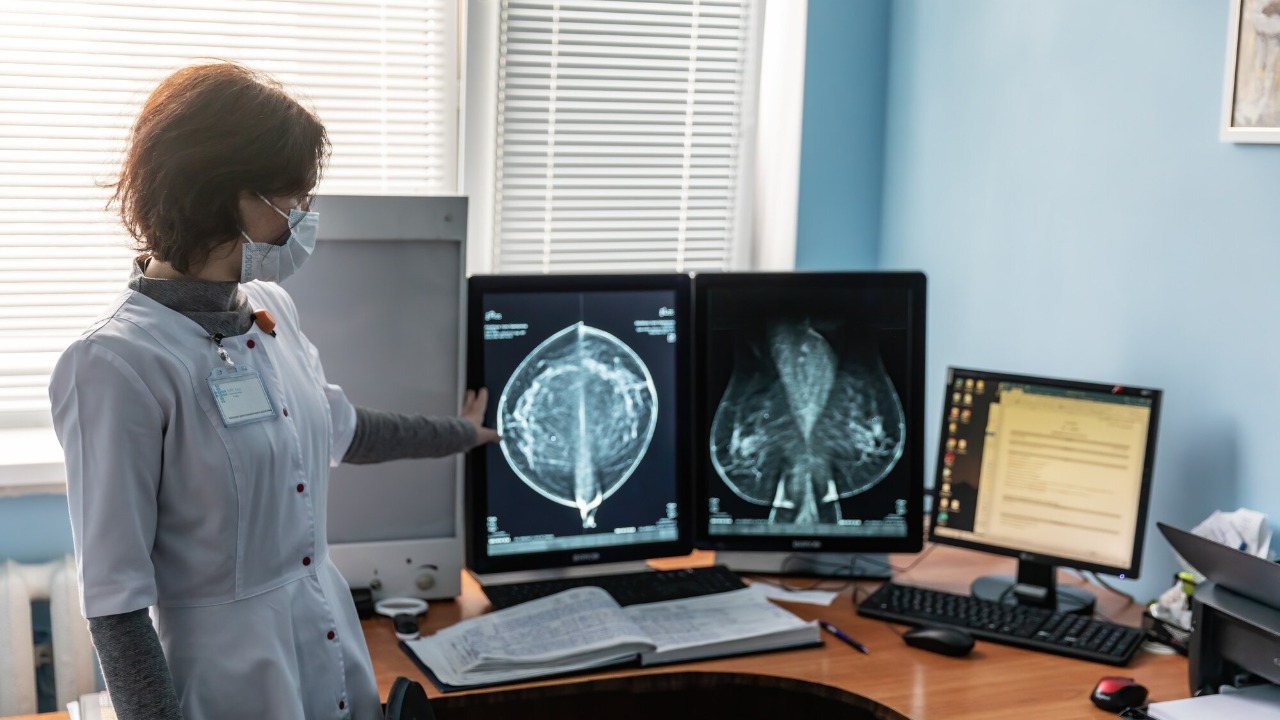
As neural implant technology progresses, regulatory and policy considerations will become increasingly important. Governments and regulatory bodies must play a proactive role in overseeing the use of neural implants to ensure safety and ethical compliance. Developing comprehensive frameworks will be essential for addressing concerns about misuse and ensuring equitable access to these technologies.
Encouraging an informed public discourse is vital for the successful integration of neural implants into society. Public education initiatives and transparent communication can help demystify the technology and build trust among potential users. Engaging diverse stakeholders, including ethicists, technologists, and the general public, will foster a more inclusive conversation and guide the ethical implementation of neural implants in everyday life.