

As technology continues to blur the lines between science fiction and reality, a robotics company in China is reportedly nearing the completion of the world’s first humanoid pregnancy robot. This groundbreaking development has already sparked intense debate online, with reactions ranging from awe to ethical concerns.
The concept of a robot that can simulate the complexities of human pregnancy challenges conventional views on technology’s role in human life, prompting discussions that blend excitement with caution.
The Concept Behind the Humanoid Pregnancy Robot
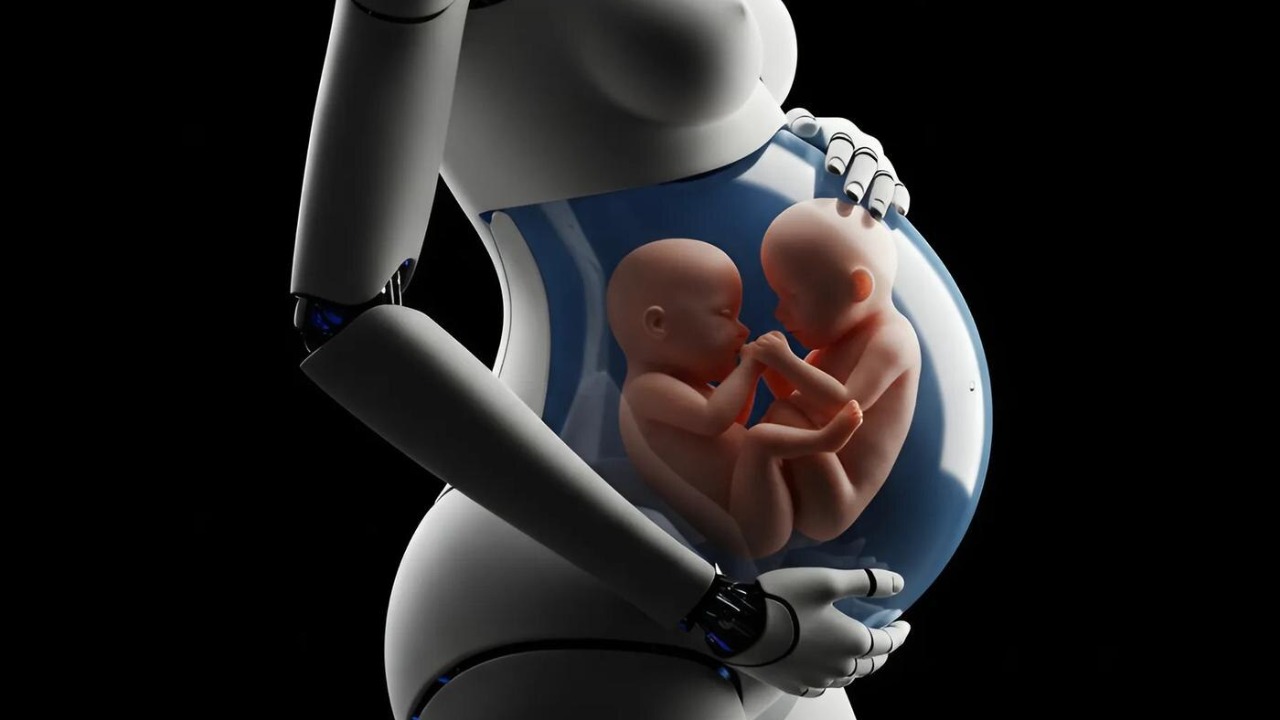
The humanoid pregnancy robot represents a leap in technological innovation, designed to simulate the intricate processes of human pregnancy. Featuring advanced sensors and artificial intelligence, the robot is capable of mimicking biological functions such as hormonal changes and fetal growth, creating a realistic representation of pregnancy. This development is made possible through cutting-edge materials that allow for a flexible, lifelike exterior, combined with sophisticated software that replicates the physiological dynamics of a human body.
Intended for applications in medical training, maternal health, and education, the humanoid pregnancy robot could revolutionize how professionals approach prenatal care. Medical students can benefit from a hands-on learning experience, while researchers can gain new insights into pregnancy complications. By offering a consistent and controlled environment for study, this technology holds the potential to improve prenatal outcomes and advance medical knowledge in significant ways.
The Chinese robotics company spearheading this project has a history of pushing boundaries in technology. Known for its innovations in artificial intelligence and robotics, the company is driven by a mission to integrate technology into everyday life, enhancing human capabilities and experiences. Their previous achievements have laid the groundwork for this ambitious project, reflecting a commitment to exploring new frontiers in robotics.
Public Reaction and Online Debate

The introduction of the humanoid pregnancy robot has been met with a mixture of enthusiasm and skepticism. Supporters of the technology argue that it represents a significant advancement in medical technology and education, offering unprecedented opportunities for training and research. They highlight the potential for this robot to enhance the understanding of pregnancy and improve healthcare outcomes, particularly in areas where access to medical resources is limited.
On the other hand, ethical and moral concerns have emerged, with critics questioning the implications of creating a robot designed to simulate such a uniquely human experience. Some argue that the technology risks trivializing the profound and deeply personal nature of pregnancy, reducing it to a mechanical process. Others worry about the potential for misuse or unintended consequences, emphasizing the need for ethical guidelines to govern the development and application of such technologies.
Cultural perspectives play a significant role in shaping the debate. In China, where technological innovation is rapidly advancing, the humanoid pregnancy robot is seen by some as a testament to the country’s progress and ingenuity. However, it also raises questions about societal values and the extent to which technology should intersect with human life. These discussions reflect broader global conversations about the role of technology in shaping the future.
Potential Impacts on the Medical Field

The humanoid pregnancy robot holds promise for transforming medical training and education. By providing a realistic and controlled environment for medical professionals to practice, the robot can enhance the skills of doctors, nurses, and midwives. This technology allows for the simulation of various pregnancy scenarios, from normal progressions to complications, offering a valuable tool for experiential learning.
Advancements in prenatal care are another potential benefit of this technology. The ability to model different aspects of pregnancy in detail could lead to new insights into prenatal health, enabling researchers to test interventions and treatments in a safe and controlled setting. This could ultimately result in improved care for expectant mothers and their babies, reducing the risks associated with pregnancy.
The development of the humanoid pregnancy robot also raises intriguing possibilities for the future of surrogate technology. As researchers explore the potential for artificial wombs and other reproductive technologies, this robot could serve as a foundational step towards new approaches to surrogate motherhood. While still speculative, such advancements could reshape the landscape of reproductive health, offering new options for families and individuals.
The Intersection of Technology and Humanity

The creation of a humanoid pregnancy robot prompts reflection on the broader implications of integrating robotics into deeply personal and human experiences. As technology becomes increasingly capable of simulating human functions, society must grapple with questions about the role of robots in areas traditionally reserved for humans. This intersection of technology and humanity challenges existing boundaries and invites a reevaluation of what it means to be human.
Balancing innovation with ethical considerations is a critical responsibility for companies and researchers involved in developing such technologies. Ensuring that advancements align with ethical standards and human values is essential to fostering trust and acceptance. This involves engaging with diverse perspectives and establishing guidelines that prioritize the well-being and dignity of individuals.
The future of humanoid robots in society is filled with possibilities. As technology continues to advance, robots may play an increasingly prominent role in everyday life, from healthcare and education to companionship and personal assistance. By navigating the challenges and opportunities presented by these developments, society can embrace the potential of robotics while safeguarding fundamental human values.
Regulatory and Legal Considerations

The development of the humanoid pregnancy robot occurs within a complex regulatory landscape. In China and globally, existing regulations governing robotics and biotechnology provide a framework for overseeing the development and application of such technologies. However, the rapid pace of innovation often outstrips the ability of regulatory bodies to keep up, necessitating ongoing efforts to update and refine legal frameworks.
Potential legal challenges arise from the creation of robots designed to simulate human experiences. Questions about liability, intellectual property, and the ethical use of technology must be addressed to ensure that advancements are implemented safely and responsibly. These considerations highlight the need for a proactive approach to regulation that anticipates emerging issues and fosters innovation while protecting public interests.
International cooperation is essential in setting standards and guidelines for emerging technologies. By working together, countries can establish consistent and comprehensive regulations that promote the responsible development of robotics. This collaborative approach can help ensure that the benefits of technological advancements are realized while minimizing potential risks and ethical dilemmas.