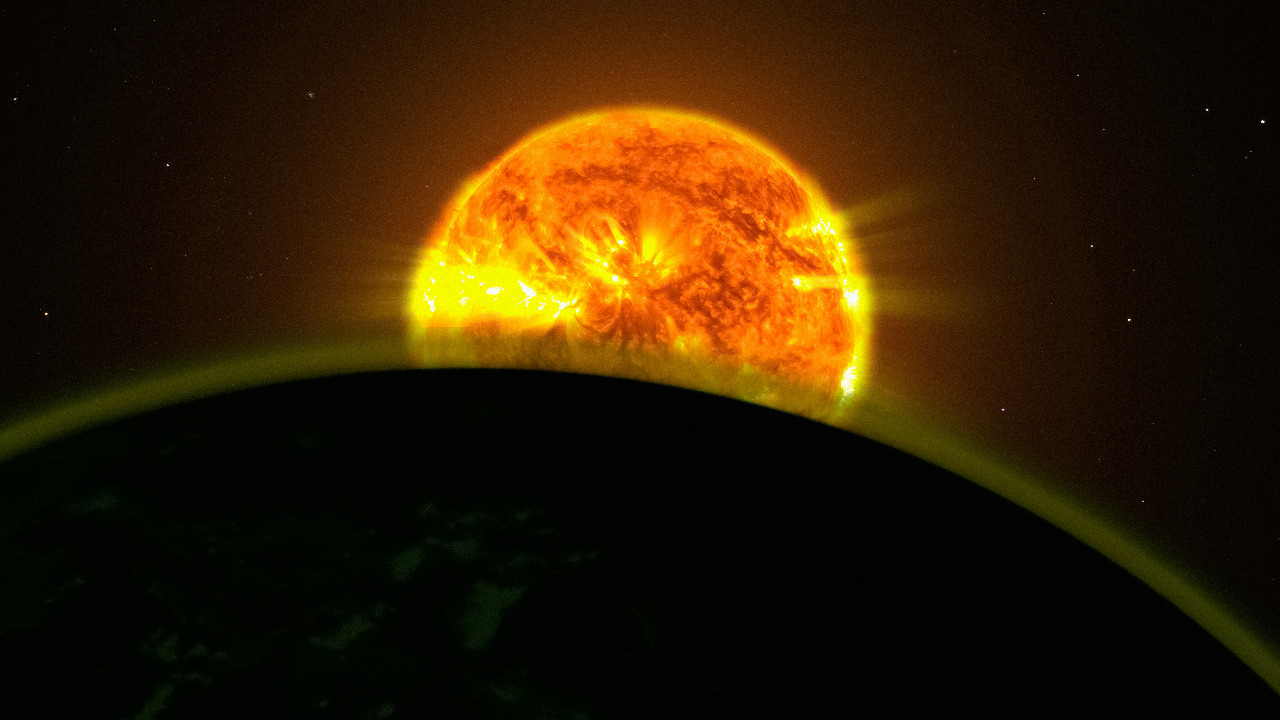

Comet tails, often seen as beautiful celestial phenomena, are more than just a visual spectacle. They hold critical information about solar winds and the Sun’s activity, providing insight into the workings of our solar system. The study of comet tails can unlock solar secrets, offering valuable data that help us understand both our solar neighborhood and the broader cosmos.
The Science Behind Comet Tails
Formation and Composition
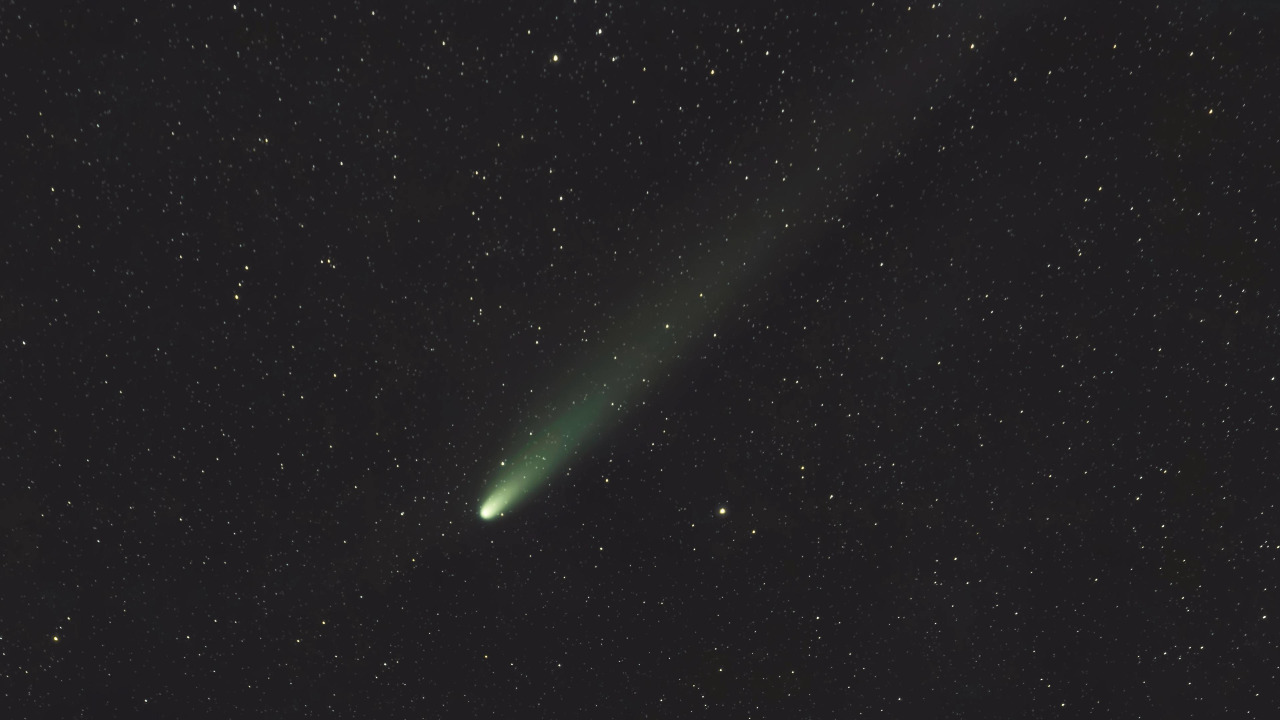
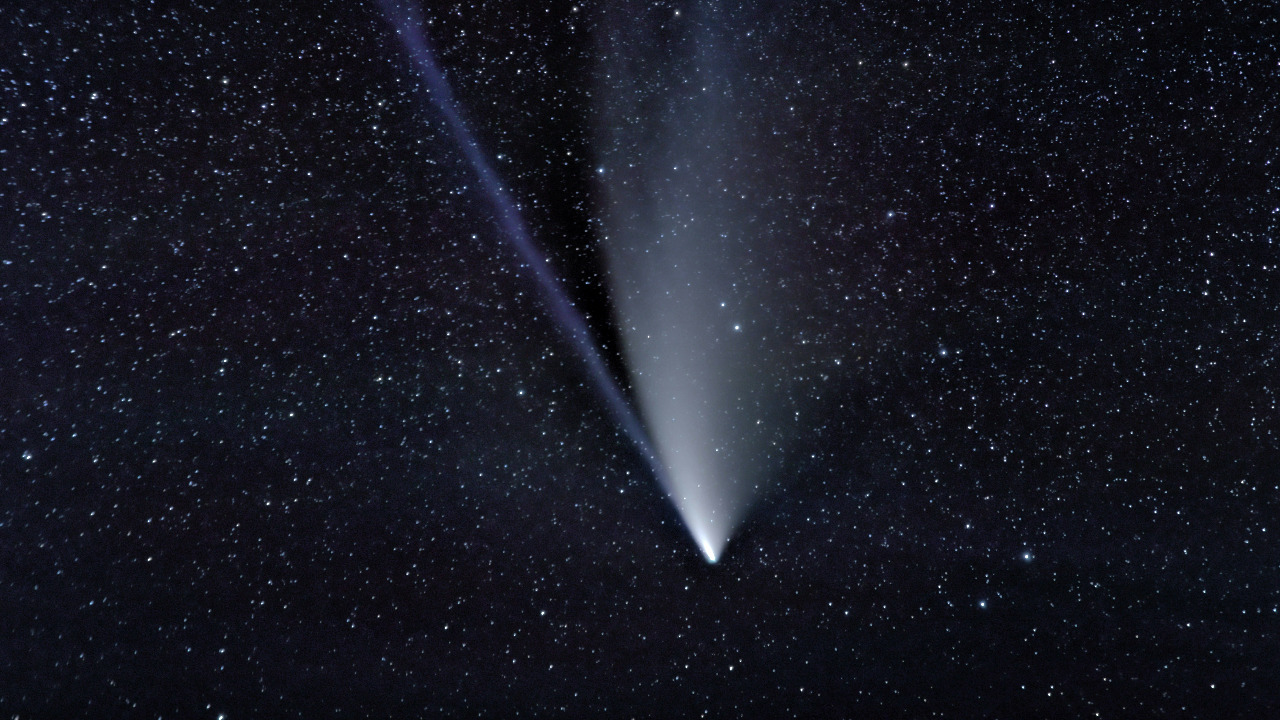
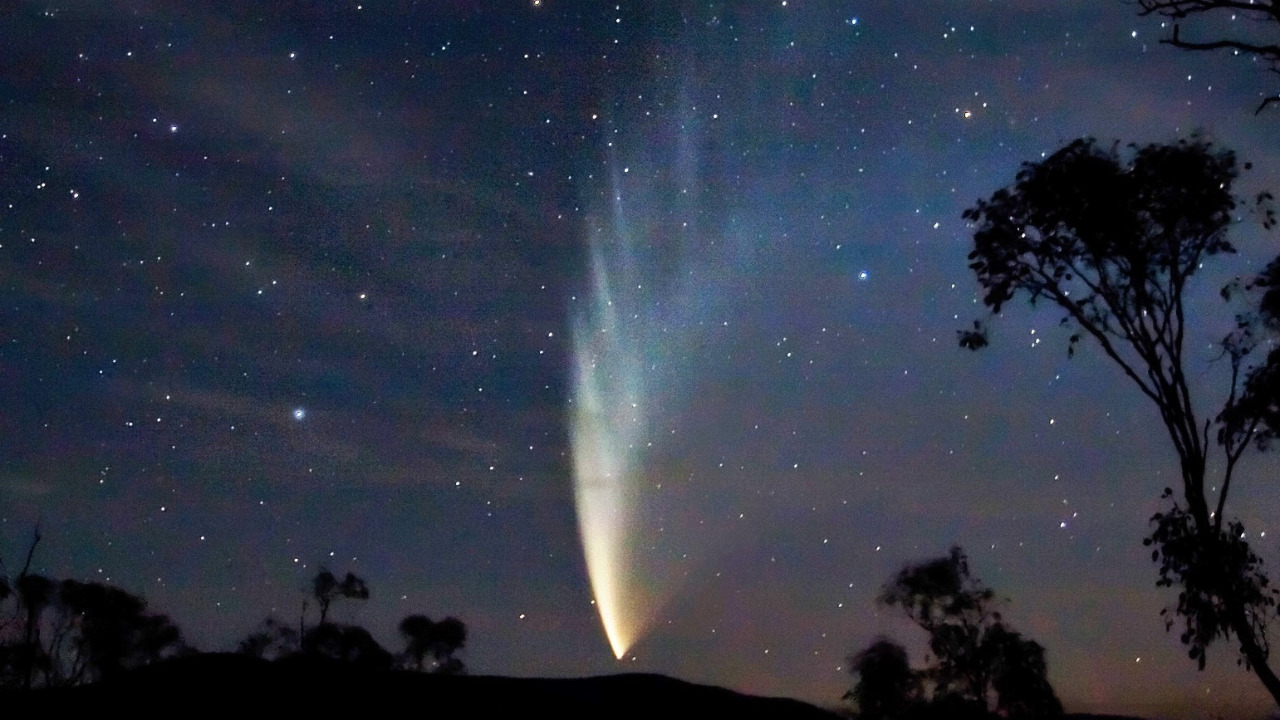
Comet tails form as these icy bodies approach the Sun, causing volatile substances within them to vaporize. This process releases gases and dust, creating the spectacular tails visible from Earth. There are two main types of comet tails: ion tails and dust tails. Ion tails are composed of charged particles and are influenced by the Sun’s magnetic field, resulting in their typically straight, blue appearance. Dust tails, on the other hand, consist of small solid particles that reflect sunlight, giving them a yellowish hue. These tails curve gently away from the Sun due to the pressure of solar radiation.
Interaction with Solar Wind
The solar wind, a stream of charged particles emanating from the Sun, plays a crucial role in shaping and directing comet tails. This interaction causes ion tails to always point directly away from the Sun. Variations in the solar wind, such as changes in speed and density, can significantly alter the appearance and structure of comet tails. By studying these variations, scientists can gain insights into the dynamics of solar wind and its impact on the solar system.
Historical Observations and Discoveries
Early Studies
Early efforts in comet observation have significantly contributed to our understanding of solar phenomena. In the late 19th century, astronomers began to document comet appearances and behaviors meticulously. A notable reference is the Scientific American publication from 1894, which chronicled comet observations and their relevance to understanding solar activity.
Modern Technological Advances
With the advent of advanced telescopic and imaging technologies, our ability to study comet tails has been revolutionized. Instruments like the Hubble Space Telescope have provided unprecedented views of comets, allowing scientists to analyze their behavior in detail. Recent missions and satellites have further expanded our knowledge. For instance, NASA’s Solar and Heliospheric Observatory (SOHO) has been instrumental in observing comets as they interact with the solar corona, providing new insights into both cometary and solar dynamics.
Comet Tails as Solar Probes
Analyzing Solar Activity
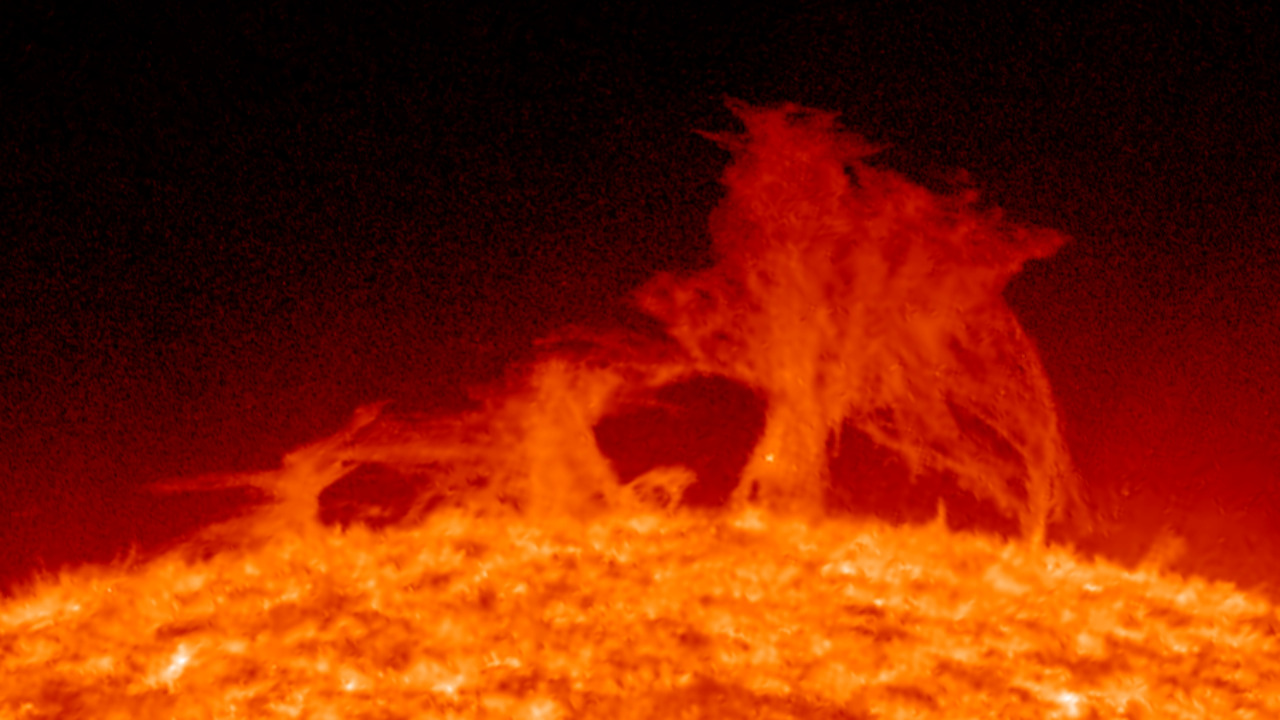
Changes in comet tails can serve as indicators of fluctuations in solar activity. By observing how comet tails respond to solar storms and other phenomena, scientists can gather valuable data on solar behavior. Specific case studies, such as the analysis of Comet Encke’s tail, have provided insight into the effects of coronal mass ejections and other solar events.
Predicting Solar Events
The potential of using comet tails to predict solar events is a promising area of research. Understanding how these tails respond to solar changes can contribute to more accurate forecasting of space weather, which is crucial for protecting satellites and other infrastructure from solar radiation. By studying comet tails, scientists hope to develop models that can better predict solar activity and its impact on Earth.
Interstellar Comets and Their Unique Insights

Differences from Solar System Comets
Interstellar comets, like 3I/ATLAS, offer unique insights compared to their solar system counterparts. These comets originate from outside our solar system and possess distinct characteristics. Their tails can reveal information about the conditions in other stellar systems, providing a broader context for understanding solar and interstellar phenomena.
Case Study: 3I/ATLAS
The interstellar comet 3I/ATLAS has been a subject of significant scientific interest. Observations from NASA and other space agencies have provided valuable data on its tail, offering insights into the comet’s composition and the environment from which it originated. These findings have implications for both solar science and the study of other planetary systems.
Future Prospects in Comet Tail Research
Upcoming Missions and Technologies
The future of comet tail research is promising, with several upcoming space missions focused on comet exploration. Missions like ESA’s Comet Interceptor aim to study comets with a multi-spacecraft approach, providing a 3D perspective of cometary environments. Additionally, advancements in imaging technologies and data analysis will enhance our ability to study comet tails and their interactions with solar phenomena.
Implications for Solar and Space Science
Comet research holds broader implications for our understanding of the Sun and the solar system. By studying comet tails, scientists can improve models of solar wind and space weather, leading to better predictions and preparations for solar events. The potential for future discoveries is significant, with the possibility of uncovering new aspects of both solar and interstellar science. As we continue to explore the cosmos, comet tails will remain a vital tool in unraveling the mysteries of our celestial neighborhood.