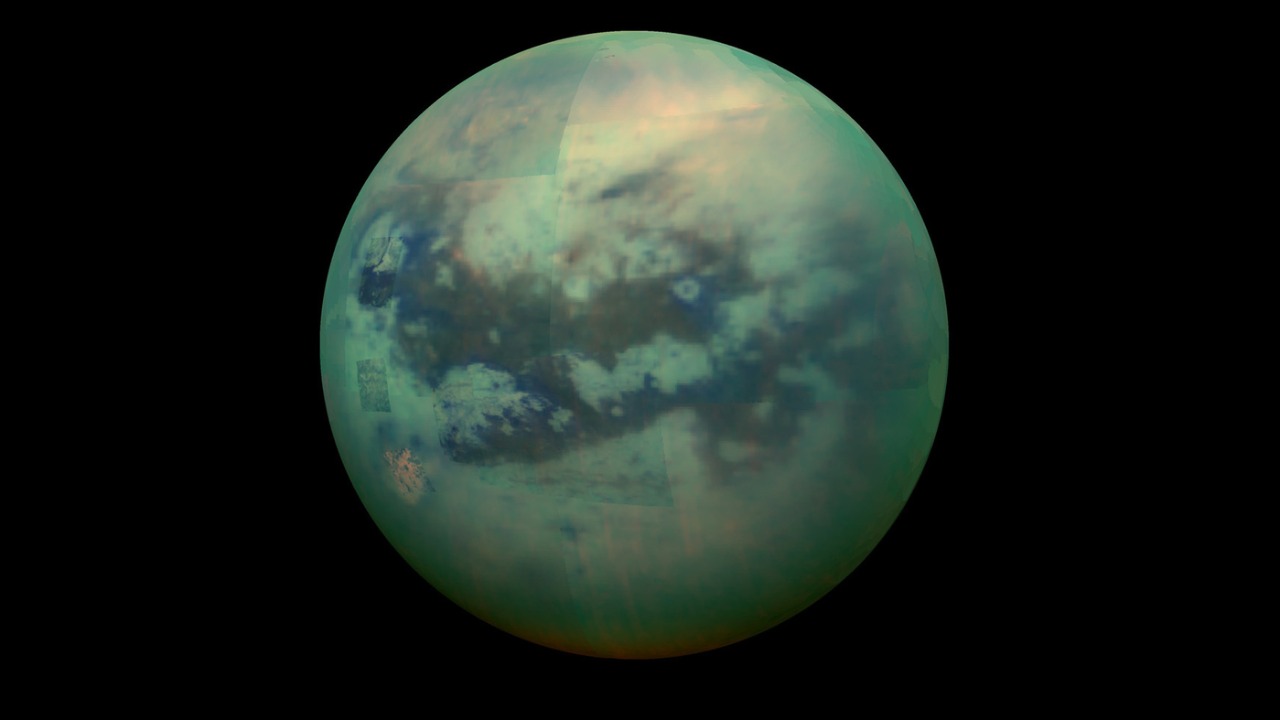

Titan, Saturn’s largest moon, possesses a thick, nitrogen-rich atmosphere that bears striking similarities to that of early Earth. Scientists are fascinated by Titan’s atmospheric composition and its potential to offer insights into the primordial conditions that may have led to the emergence of life on our planet. This exploration of the parallels between Titan’s atmosphere and that of ancient Earth reveals what these similarities may uncover about the origins of life.
The Composition of Titan’s Atmosphere
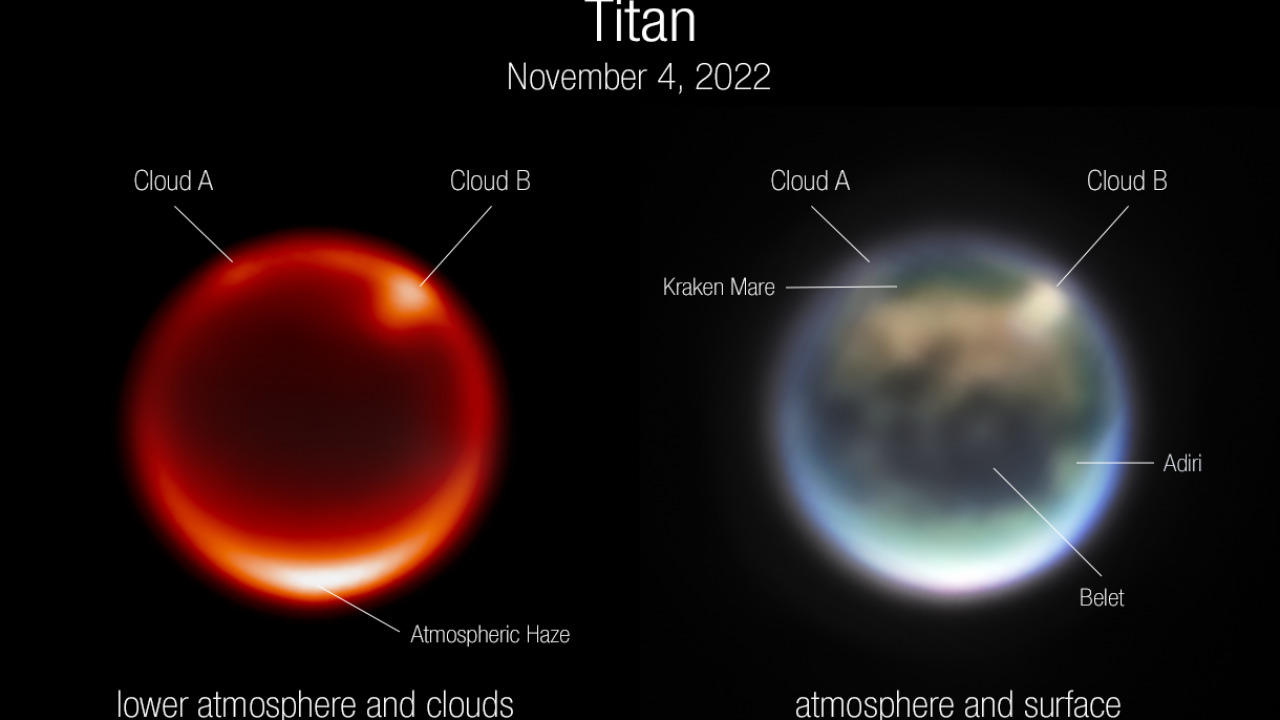
Titan’s atmosphere is primarily composed of nitrogen, which accounts for about 95% of its atmospheric makeup. This nitrogen dominance mirrors the composition of early Earth’s atmosphere before oxygen became prevalent. Understanding why Titan’s atmosphere is so rich in nitrogen can provide clues about the atmospheric evolution that might have occurred on Earth billions of years ago.
In addition to nitrogen, Titan’s atmosphere contains a range of complex organic molecules, such as hydrocarbons and nitriles. The presence of these compounds suggests that prebiotic chemistry might be occurring on Titan, offering a window into the types of chemical reactions that could have led to the emergence of life on Earth. These organic molecules serve as potential precursors to more complex life forms, highlighting the significance of Titan as a natural laboratory for studying early Earth conditions.
Methane and hydrogen play crucial roles in Titan’s atmospheric processes. Methane, in particular, is present in both gaseous and liquid forms, creating a unique cycle similar to the water cycle on Earth. The interaction between methane and hydrogen in Titan’s atmosphere might resemble the conditions on early Earth, where methane could have contributed to the greenhouse effect, maintaining a warm environment conducive to life.
The Role of Laboratory Simulations
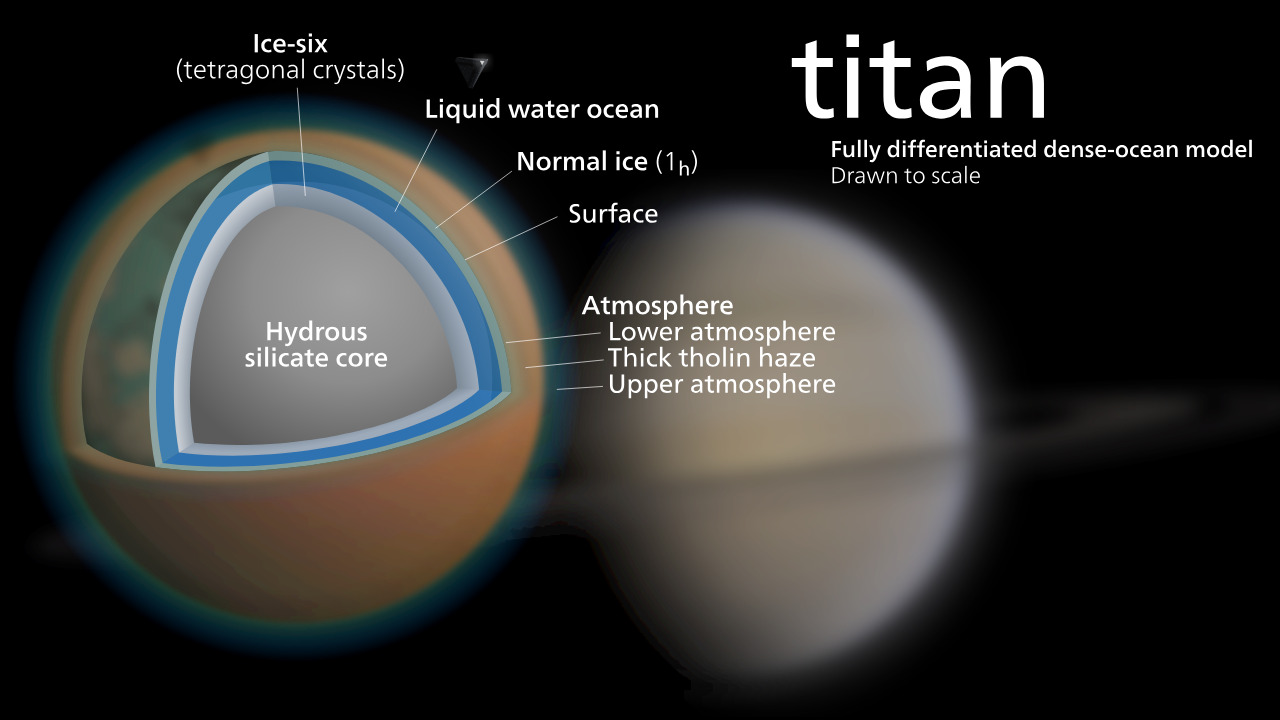
To better understand Titan’s atmosphere, scientists have recreated its conditions in laboratory settings on Earth. This involves simulating the moon’s atmospheric pressure and temperature while analyzing the chemical reactions that occur under these conditions. These laboratory simulations help researchers test hypotheses about the formation of organic molecules and their potential role in the origins of life.
By simulating Titan’s atmosphere, researchers gain valuable insights into prebiotic chemistry. These experiments reveal the pathways through which simple molecules can transform into more complex structures, shedding light on the processes that might have taken place on early Earth. Such simulations are instrumental in understanding how life could have originated from non-living matter.
However, simulating Titan’s atmosphere presents several challenges. The unique conditions on Titan, such as its low temperatures and high pressure, are difficult to replicate accurately in a laboratory setting. Despite these challenges, ongoing research continues to refine these simulations, allowing scientists to explore Titan’s atmospheric processes more effectively.
Environmental Conditions on Titan vs. Early Earth
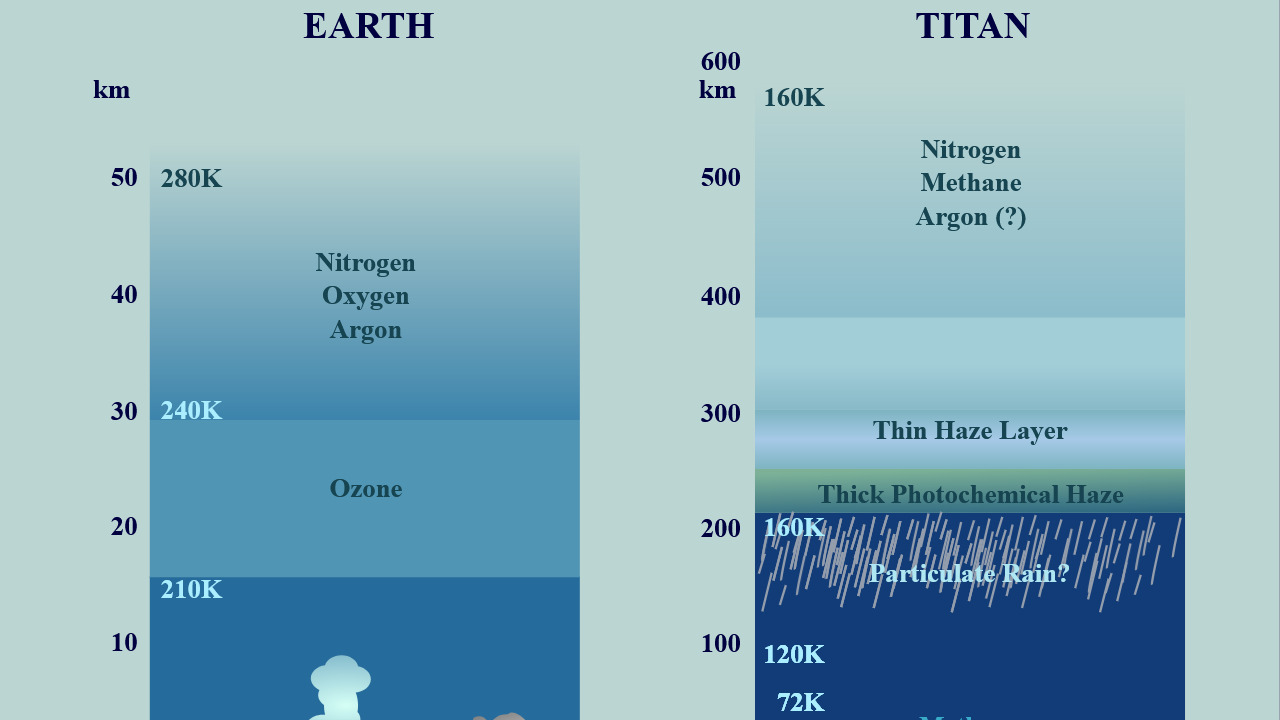
The climatic conditions on Titan provide intriguing parallels to those hypothesized for early Earth. Titan experiences weather patterns driven by methane rain, similar to how water shapes weather on Earth. These climatic conditions might offer insights into how early Earth’s atmosphere could have influenced the development of life.
Interactions between Titan’s surface and atmosphere are particularly fascinating. The moon features lakes and seas of methane, which interact with the atmosphere, potentially resembling the conditions on early Earth. These interactions might have played a crucial role in shaping the atmospheric composition and chemistry, providing a model for understanding similar processes on our planet.
Solar and cosmic radiation significantly impact Titan’s atmosphere, just as they did on early Earth. On Titan, radiation causes the breakdown of methane and the formation of complex organic molecules. Understanding the influence of radiation on Titan’s atmosphere can provide insights into how these factors may have affected the evolution of Earth’s atmosphere and its capacity to support life.
Implications for the Search for Life
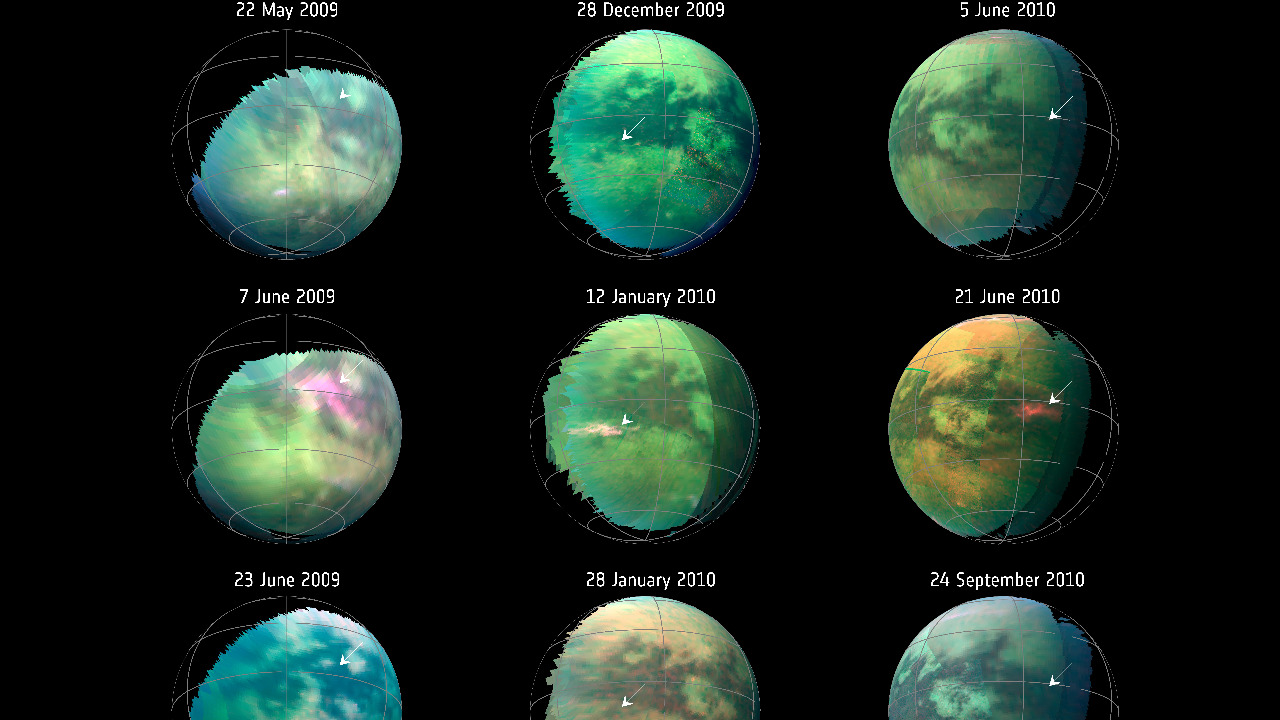
Studying Titan’s atmosphere can offer a valuable model for understanding the conditions that led to the emergence of life on Earth. By examining the similarities between Titan and early Earth, scientists can gain insights into the processes that might have contributed to the development of life on our planet. This knowledge has significant implications for our understanding of life’s origins and the potential for life elsewhere in the universe.
Given its atmospheric and surface conditions, Titan presents an intriguing possibility for the existence of life. The presence of liquid methane and complex organic molecules raises questions about the potential for life forms that could survive in such an environment. Exploring this possibility informs our search for extraterrestrial life, expanding our understanding of the diverse conditions under which life might exist.
Future missions and research efforts aim to study Titan’s atmosphere in greater detail. Missions like NASA’s Dragonfly, set to launch in the mid-2020s, will explore Titan’s surface and atmosphere, providing unprecedented data that could unveil further insights into the origins of life. These missions are crucial for advancing our understanding of both Titan and the early Earth, offering the potential to unlock the secrets of life’s beginnings.