

The enigmatic Voynich manuscript has baffled scholars, cryptographers, and historians for centuries. Recent technological advances and scholarly efforts offer new insights into its mysterious contents. These developments have sparked renewed interest and debate in the academic community, making it a pivotal moment for understanding one of history’s greatest puzzles.
Historical Background of the Voynich Manuscript
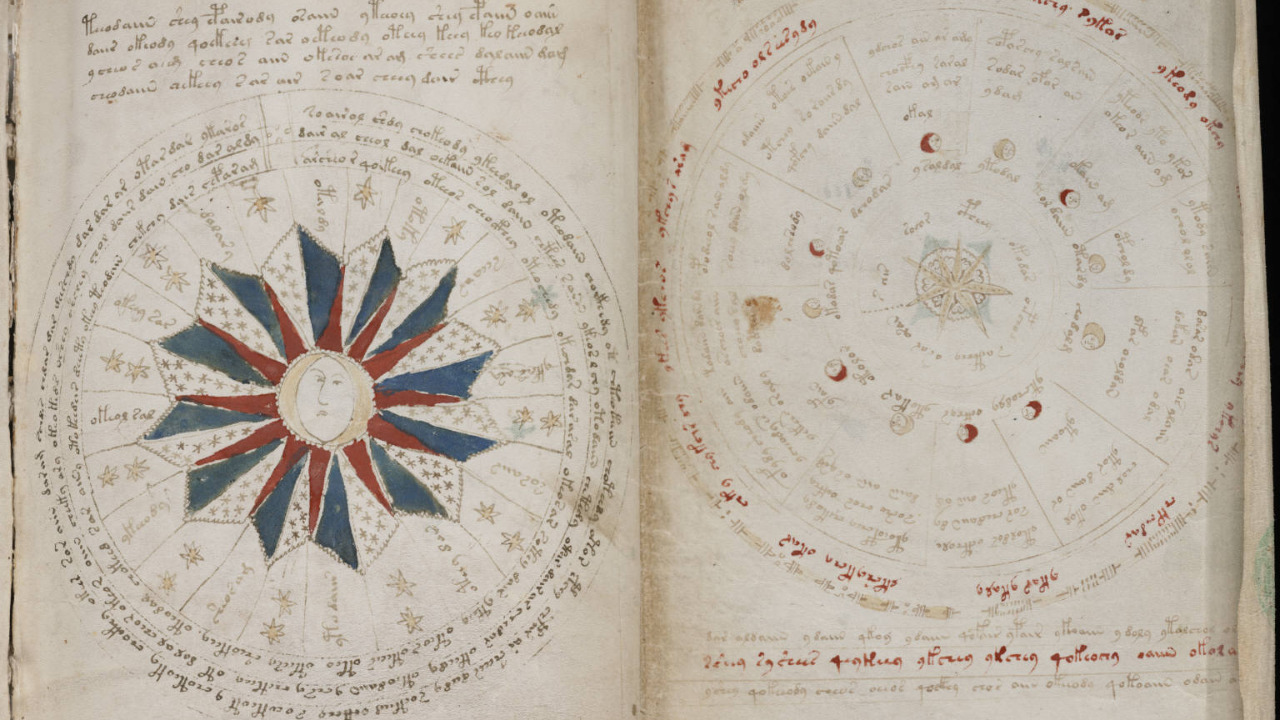
Wilfrid Voynich, a Polish book dealer, discovered the manuscript in 1912 in a collection of ancient books housed in a Jesuit college near Rome. The manuscript, which now bears his name, is a 240-page codex written in an unknown script that has defied interpretation. The origins of the Voynich manuscript have been a source of controversy ever since its discovery. Some researchers speculate it dates back to the early 15th century, while others propose even earlier origins. Initial theories ranged from it being a hoax to a coded document of great importance.
The early 20th century saw the first serious attempts to decode the manuscript. Figures such as William Romaine Newbold and Robert Brumbaugh invested considerable time in unraveling its secrets, positing theories that ranged from the plausible to the fantastical. The impact of early 20th-century cryptography was significant, leading to diverse theories about the manuscript’s purpose. With each failed attempt, the document’s allure only grew, capturing the imagination of amateur and professional cryptographers alike.
Multispectral Analysis and Technological Advances
In recent years, technological breakthroughs have provided new avenues for exploring the manuscript. Multispectral imaging, in particular, has been instrumental in revealing details previously obscured by time and wear. This technology allows researchers to examine the manuscript under various wavelengths of light, uncovering subtle features invisible to the naked eye. The application of such advanced imaging techniques is revolutionizing the study of historical documents, offering fresh perspectives that were once considered impossible.
Key findings from the latest scans have illuminated previously hidden details within the manuscript. For example, researchers have identified faint markings and annotations that challenge earlier interpretations of the text. These discoveries raise intriguing questions about the manuscript’s original purpose and whether it might indeed encode valuable information. The new data has also prompted a reevaluation of previous theories, further complicating the narrative but also bringing us closer to understanding the manuscript’s true nature.
Linguistic and Cryptographic Insights
Modern cryptographic techniques have been applied to the manuscript with varying degrees of success. Some researchers argue that the manuscript is a complex cipher, possibly created using methods that predate our current understanding of cryptography. Others suggest it might be an elaborate hoax, designed to appear meaningful while resisting interpretation. Despite these challenges, the plausibility of the manuscript being a cipher remains a compelling avenue of inquiry, with new insights continuing to emerge.
Linguistic patterns observed in the manuscript have led to theories about its language or script. Some researchers propose that it may represent a lost language or a constructed language designed for a specific purpose. These hypotheses are supported by the document’s consistent grammatical structure, which suggests an underlying linguistic coherence. As scholars continue to explore these possibilities, the debate over the existence of an unknown language remains active, offering a tantalizing glimpse into the potential significance of the manuscript.
Cultural and Historical Context
The origins and authorship of the Voynich manuscript have long been shrouded in mystery. Various hypotheses suggest connections to historical figures such as Roger Bacon or John Dee, while others propose that it was the work of an unknown scribe. The manuscript’s style and content hint at potential links to specific periods, with some scholars advocating for a Renaissance origin. Cultural context plays a significant role in these discussions, as it may hold the key to understanding the manuscript’s purpose and meaning.
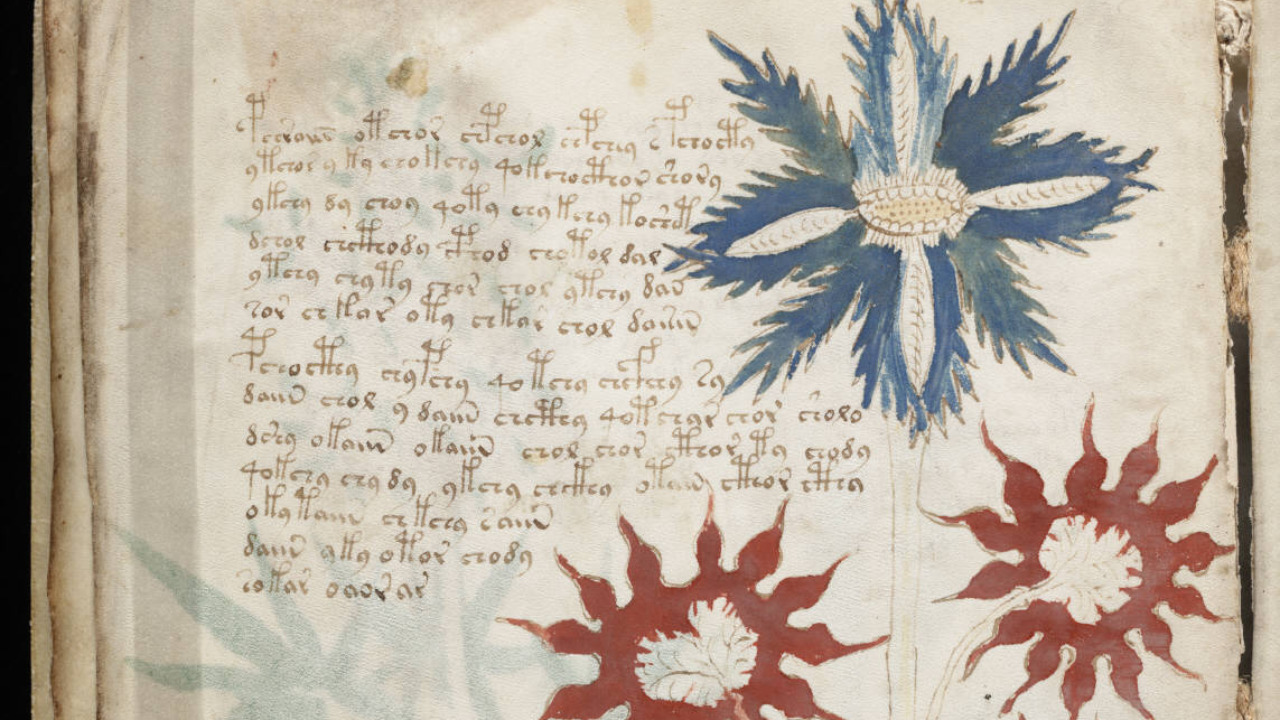
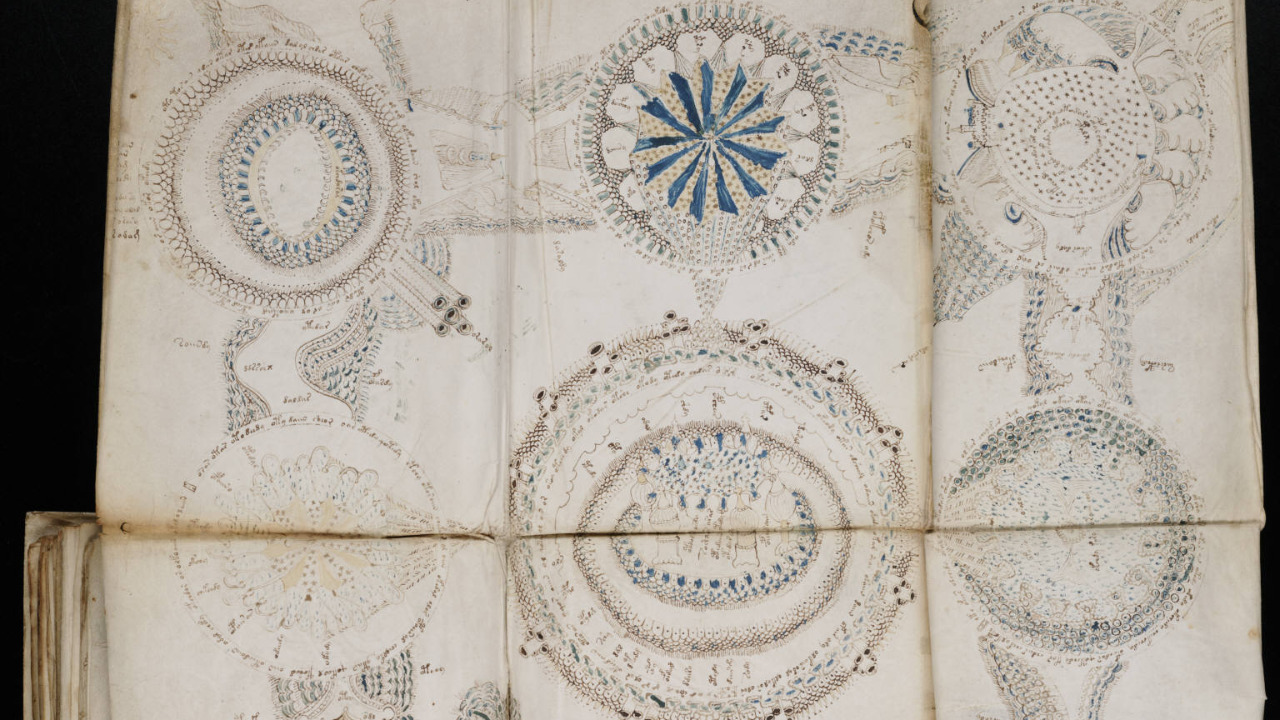
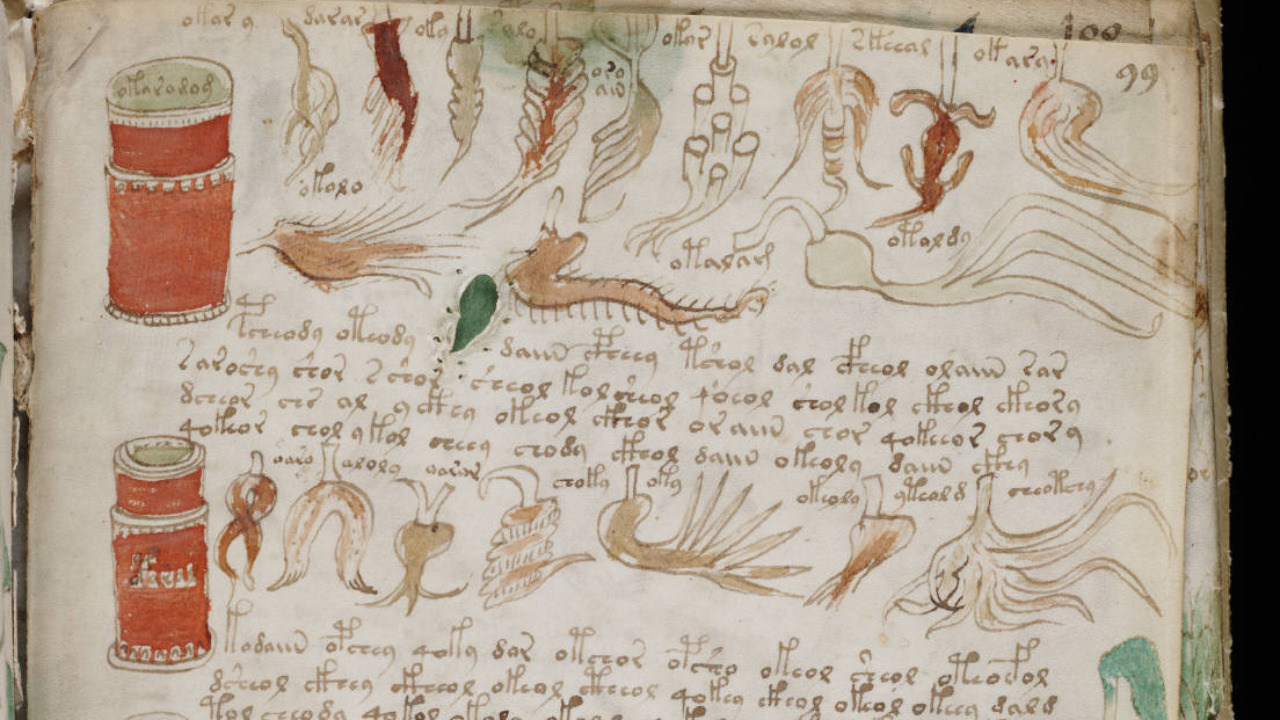
The illustrations within the manuscript, ranging from botanical to astronomical and anatomical, provide a rich tapestry for interpretation. These images have sparked numerous theories about their symbolic significance, with some researchers suggesting they represent an alchemical text or a compendium of medieval knowledge. The cultural and historical interpretations of the manuscript’s imagery are diverse, reflecting the complexity of its content and the varied perspectives of those who study it.
Impact of Decoding the Voynich Manuscript
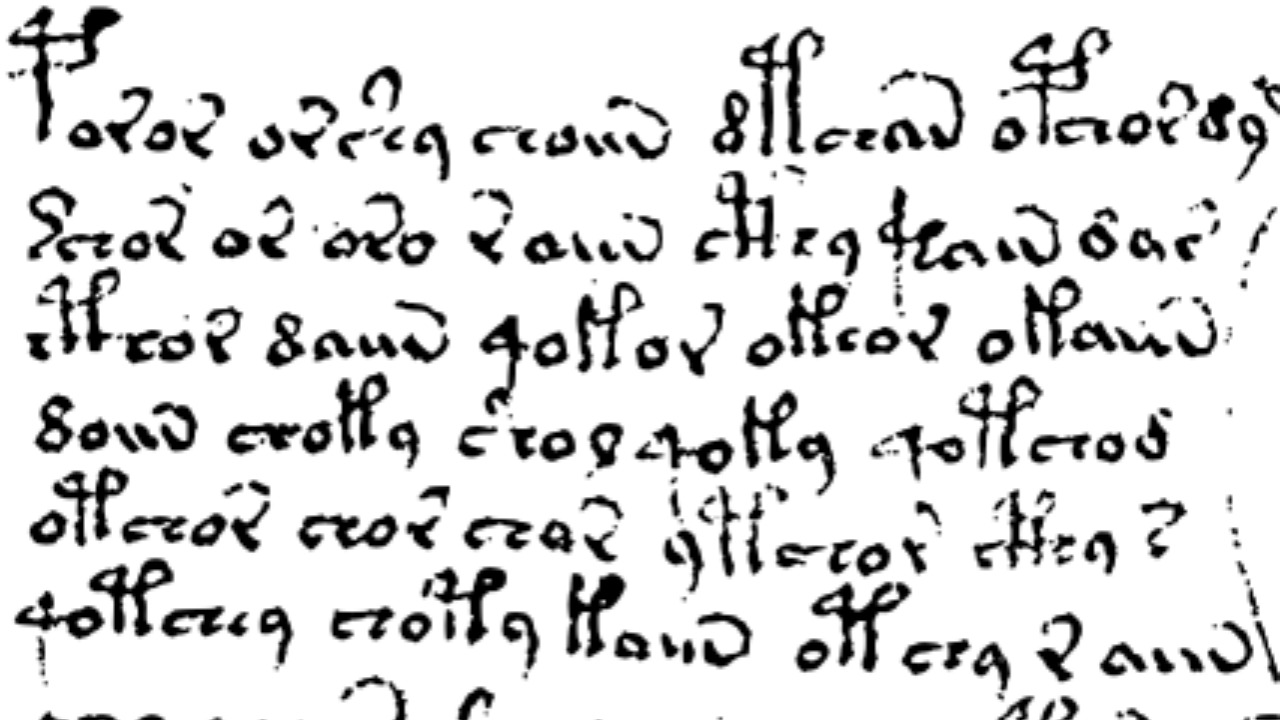
The potential implications of decoding the Voynich manuscript are profound. Successfully interpreting its contents could reshape our understanding of medieval history, offering insights into the intellectual pursuits and knowledge of the time. It might also unlock lost languages or cultures, providing a valuable resource for historians and linguists. As researchers continue to unravel its mysteries, the manuscript holds the promise of enhancing our comprehension of the past.
Looking ahead, the future of Voynich studies is filled with possibilities. Ongoing projects aim to apply cutting-edge technologies and interdisciplinary approaches to uncover more about this enigmatic document. The manuscript’s allure continues to inspire both academic and public interest, encouraging a new generation of researchers to explore its secrets. As we stand on the cusp of potential breakthroughs, the Voynich manuscript remains a captivating enigma, inviting us to delve deeper into its mysteries.