
Satellites have evolved significantly, becoming sophisticated tools capable of collecting vast amounts of data from orbit. These technological marvels serve various purposes, from providing crucial weather updates to facilitating global communications. However, their ability to gather detailed information has raised concerns about privacy and surveillance. Here are nine ways satellites might be observing you.
1. High-Resolution Imaging
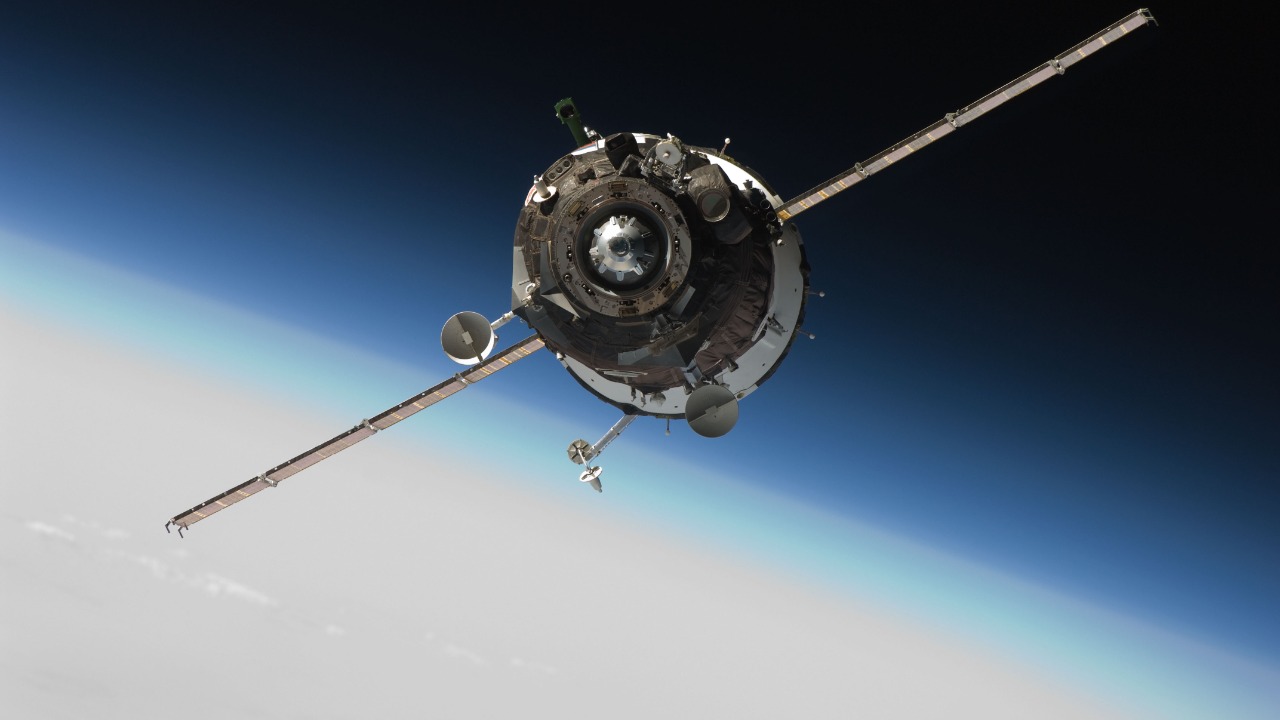
High-resolution imaging is one of the most direct ways satellites can observe activities on Earth. These images can capture details down to a few centimeters, allowing for the identification of cars, individuals, and even specific objects. This capability is not just limited to government agencies; commercial companies like Maxar Technologies and Planet Labs offer high-resolution images to businesses and researchers.
These images can be used for a wide range of applications, from monitoring deforestation to tracking urban development. However, the same technology can be employed to track personal movements or activities, raising ethical and legal concerns about privacy. To learn more about the implications of this technology, you can read this discussion on Reddit.
2. Infrared Scanning

Infrared scanning allows satellites to detect heat signatures, which can be used to monitor anything from volcanic activity to energy consumption in urban areas. This technology is particularly useful for environmental monitoring and climate research. It can also detect illegal activities such as poaching and unauthorized land use.
However, infrared imaging can also be used for surveillance, as it can penetrate cloud cover and work during night time, offering a persistent watch over specific areas. This raises questions about how these observations are used and who has access to the data.
3. Radio Frequency Interception
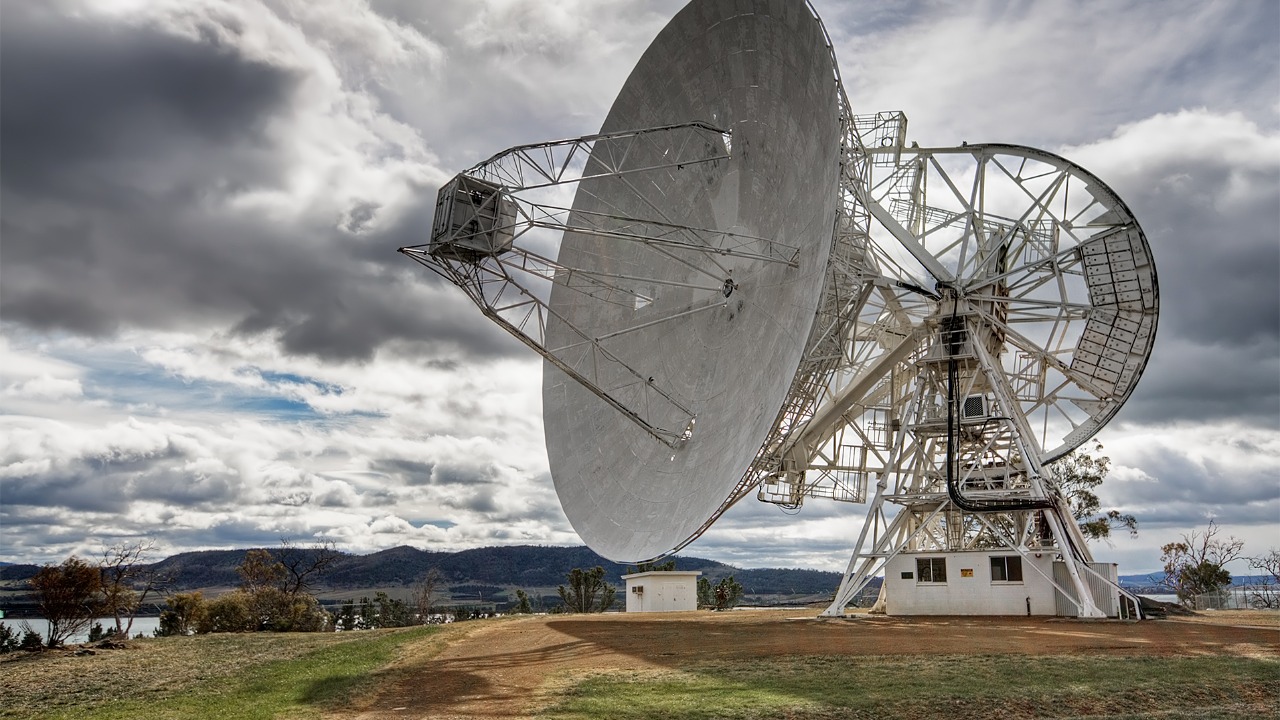
Satellites equipped for radio frequency interception can capture and analyze radio signals from Earth. This includes communications sent via walkie-talkies, mobile phones, and even satellite phones. Such capabilities are often employed by intelligence agencies to gather information on communications.
This form of surveillance is a powerful tool for national security but poses significant privacy concerns, especially when used without proper oversight. For a deeper understanding, check out this technical analysis of satellite communications interception.
4. GPS Tracking

Global Positioning System (GPS) satellites provide navigation services to billions of devices worldwide. While this is an essential function for everyday applications like Google Maps and ride-sharing apps, it also allows for precise tracking of individuals and vehicles.
GPS data can be used for legitimate purposes such as fleet management and emergency response. However, the same data can be exploited for tracking personal movements without consent, raising significant privacy issues. For more on the rise of satellite connectivity in phones, visit this article.
5. Data Relay Systems
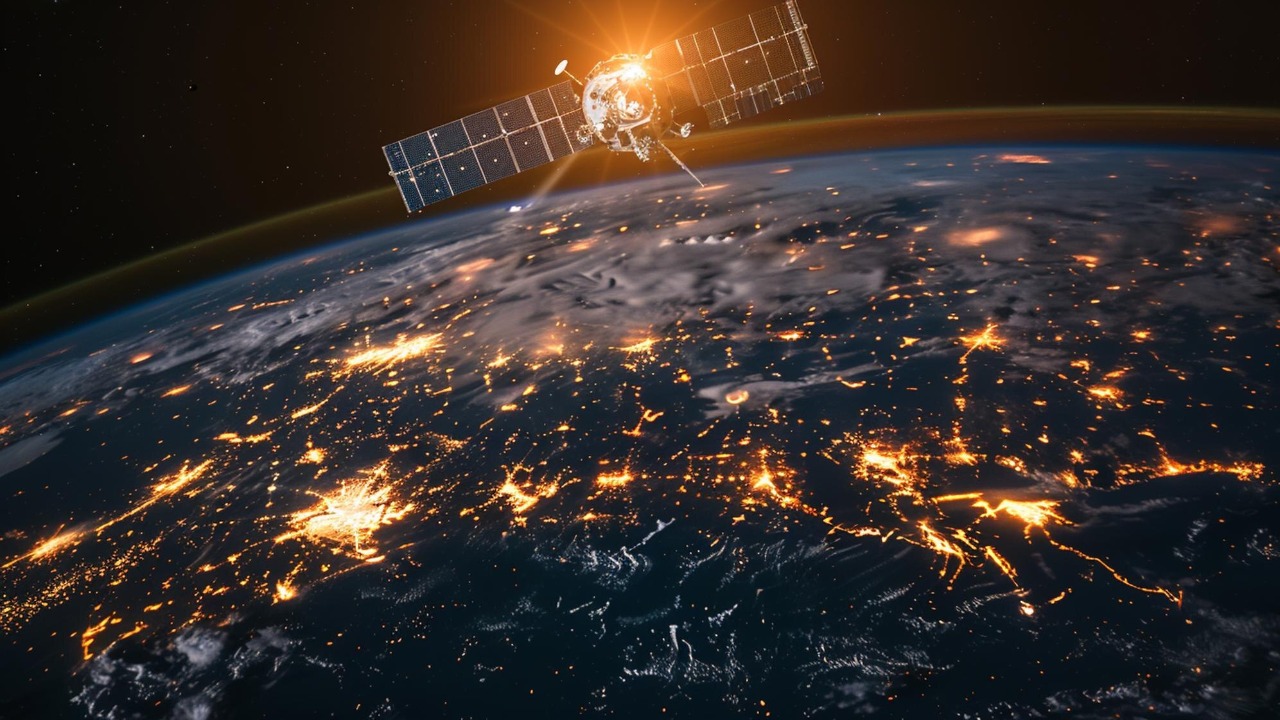
Data relay systems are essential for continuous communication between ground stations and satellites, especially in remote areas. These systems are crucial for transmitting large volumes of data quickly and efficiently.
While these systems are vital for scientific research and global communications, they can also be used to intercept and relay sensitive information. The potential use of this data for surveillance purposes underscores the need for robust data protection measures.
6. Signal Intelligence Gathering
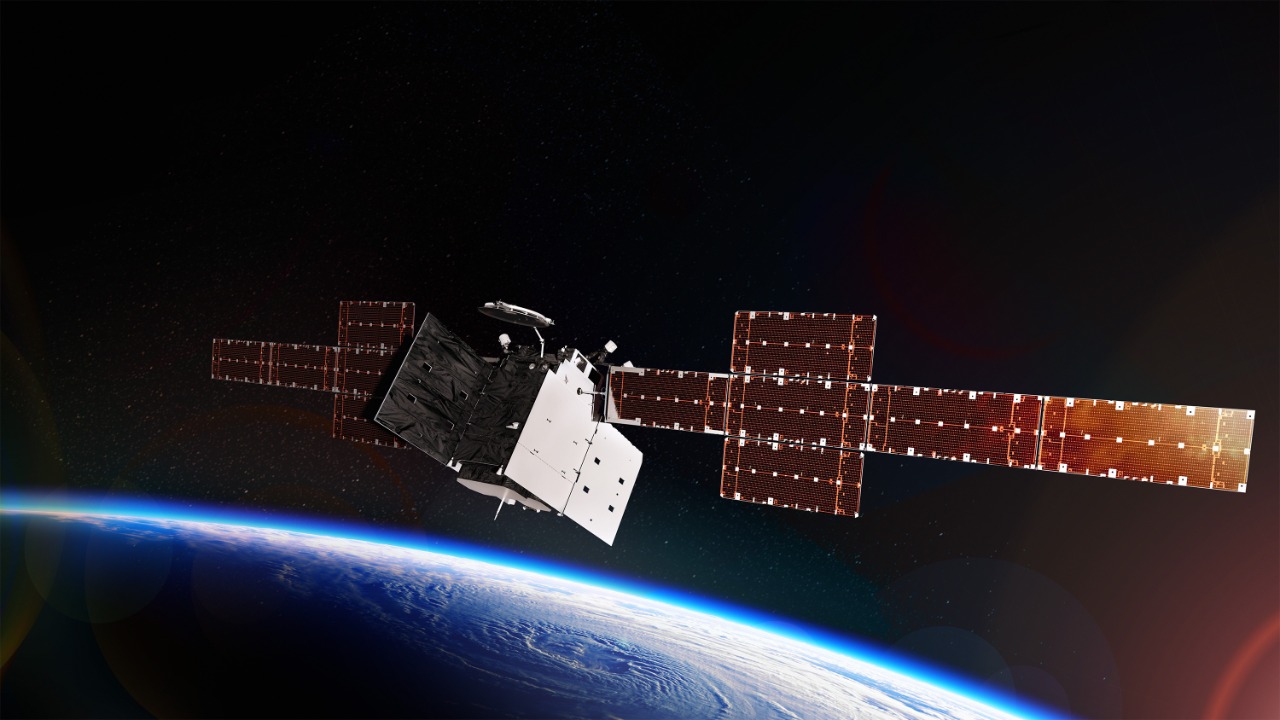
Signal intelligence (SIGINT) involves the interception of signals for intelligence purposes and is a key function of military satellites. These satellites can intercept a wide range of signals, from military communications to civilian broadcasts.
This capability is invaluable for national security but also raises concerns about privacy and oversight. For more insights into signal intelligence, delve into this comprehensive guide.
7. Environmental Monitoring
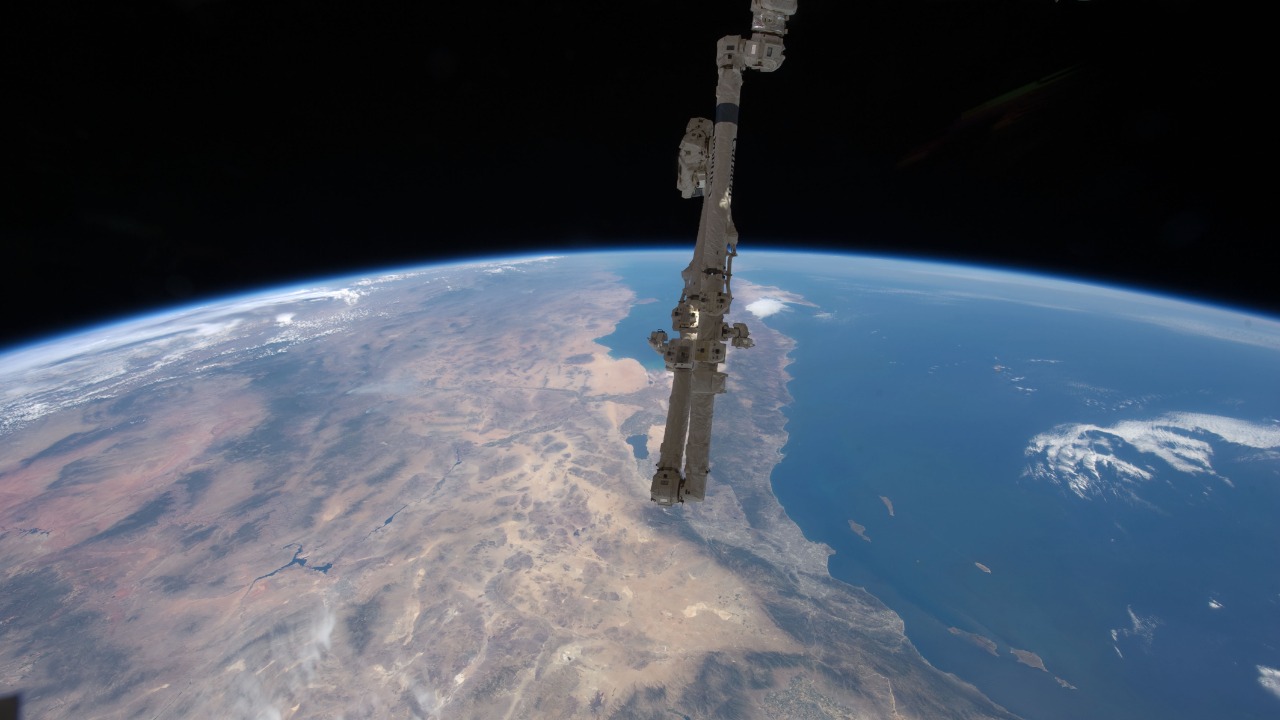
Satellites are invaluable tools for environmental monitoring, providing data on everything from deforestation rates to ocean temperatures. This information is crucial for understanding and addressing environmental challenges such as climate change.
However, the same technology that allows for environmental monitoring can also be used to observe and analyze human activities. Balancing the benefits of environmental data with privacy considerations is an ongoing challenge.
8. Communication Surveillance
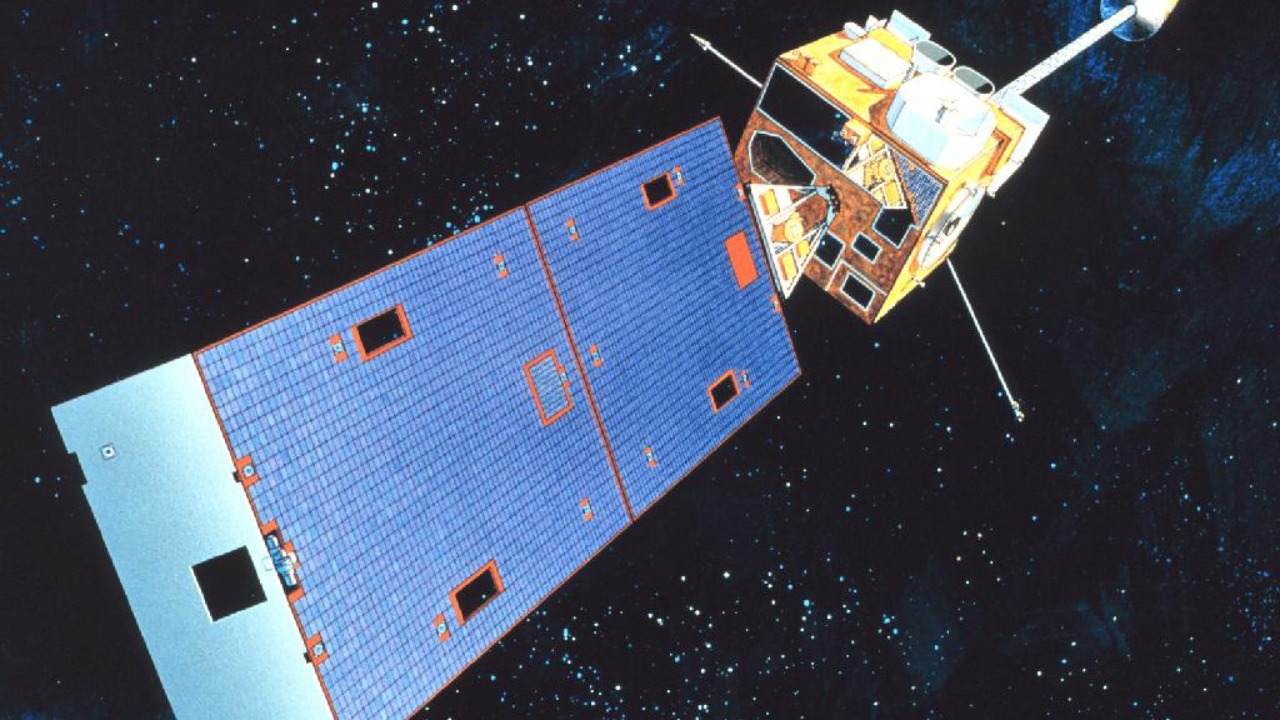
Communication satellites enable global connectivity, but they can also be used for surveillance. These satellites facilitate the interception and monitoring of communications, including phone calls, emails, and internet traffic.
The dual-use nature of communication satellites means that while they are essential for global communications, they also pose significant privacy risks. Ensuring that these systems are used responsibly and ethically is crucial.
9. Synthetic Aperture Radar
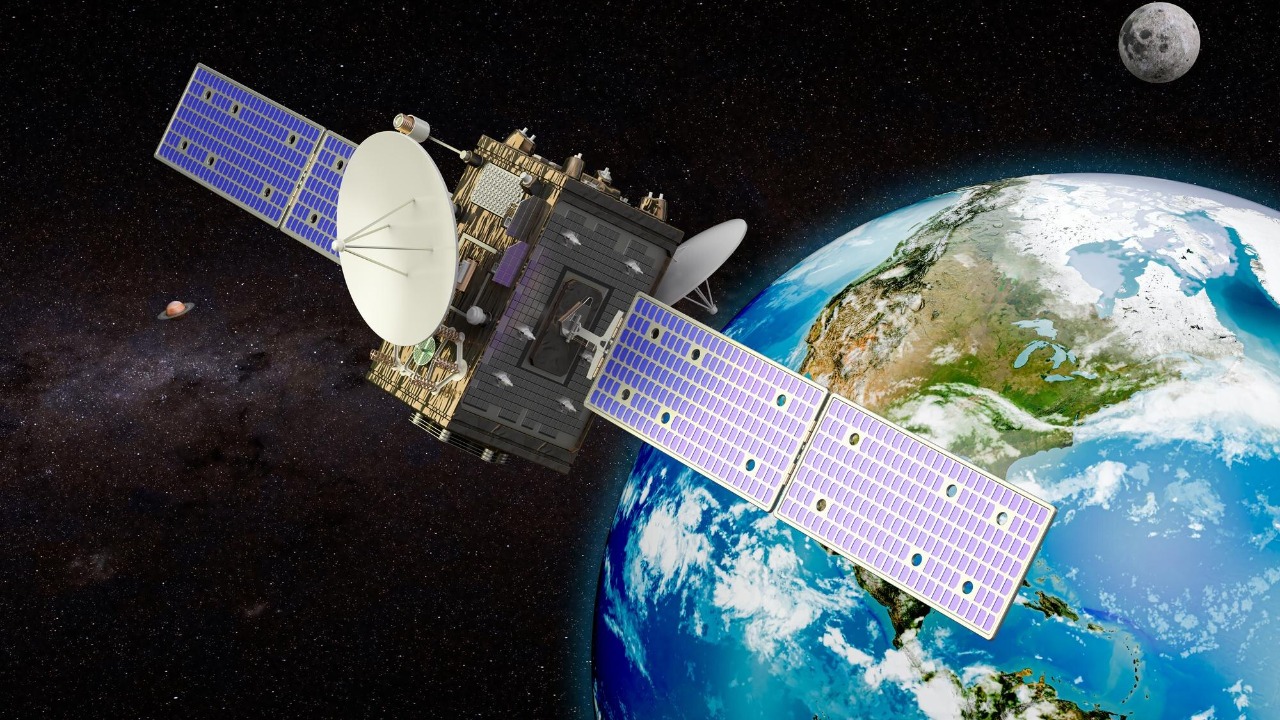
Synthetic Aperture Radar (SAR) is a form of radar used to create detailed images of landscapes, even through clouds and darkness. SAR is widely used in Earth observation for applications such as mapping and disaster management.
However, its ability to penetrate through obstacles and operate in all weather conditions makes it a potent tool for surveillance. The technology’s potential for both beneficial and intrusive applications highlights the need for careful regulation and oversight.
