
While SUVs are often seen as the practical choice for families and adventure seekers alike, they can also be surprisingly expensive to insure. In some cases, the insurance premiums for these vehicles can surpass those of sporty alternatives. Below are eight SUVs that might leave you with a higher insurance bill than you’d expect.
Luxury Off-Road Giants
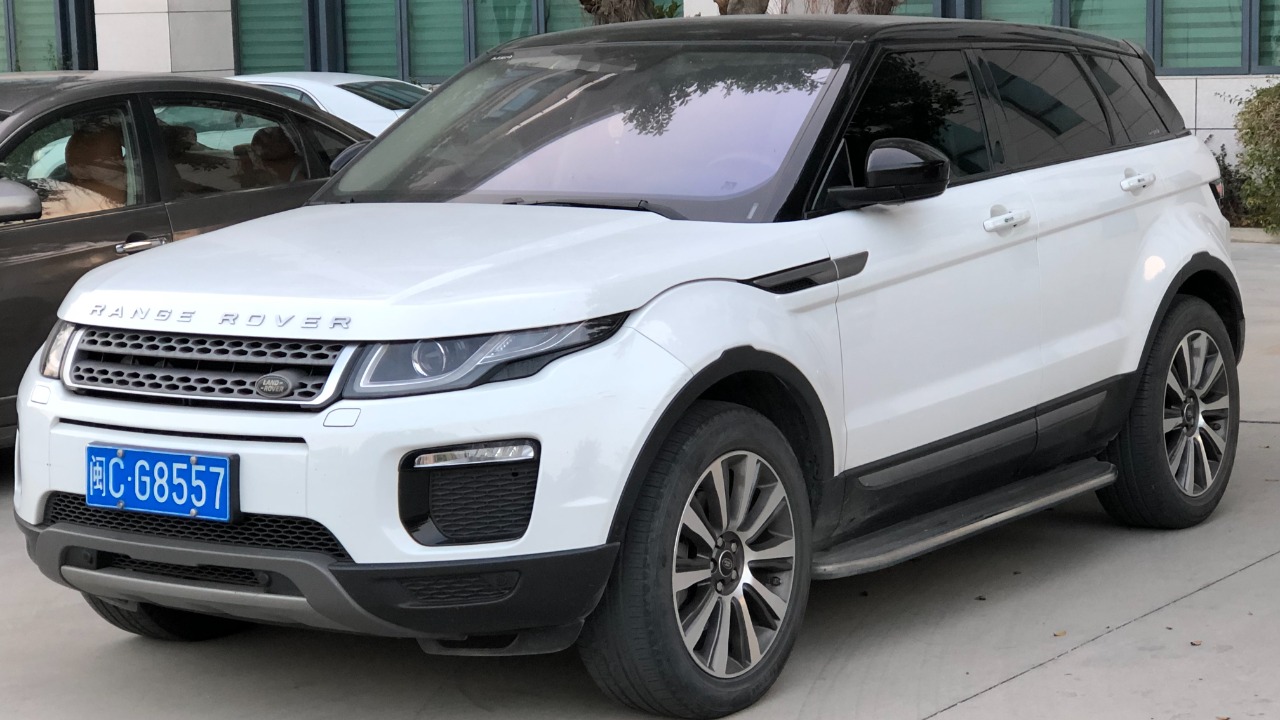
Models like the Land Rover Range Rover and the Mercedes-Benz G-Class are known for their off-road prowess and opulent features. The cost of insuring these luxury off-road vehicles can be higher due to their high replacement costs and complex technology. For instance, a 2022 Range Rover can have an insurance cost that rivals that of a Porsche 911.
These vehicles are often targets for theft and vandalism, which can drive up insurance premiums. According to Insure.com, the average insurance rates for these SUVs often reflect their high price tags and the cost of repairs.
High-Performance Crossovers
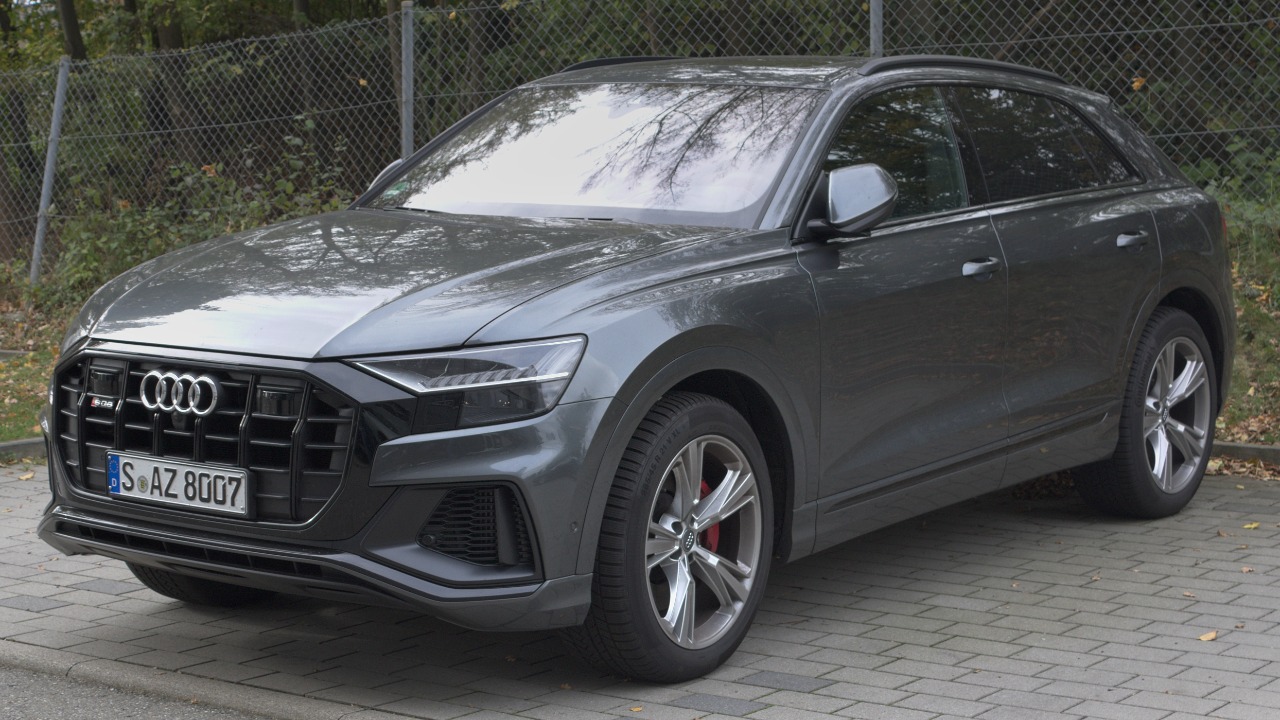
High-performance crossovers like the BMW X6 M and the Audi SQ8 are designed to deliver sports car-like performance in a more practical package. This blend of speed and utility comes with a price when it comes to insurance, often exceeding that of traditional sports cars. The 2023 BMW X6 M, for example, is known for its impressive horsepower and luxurious interior.
Insurance companies often view these vehicles as high-risk due to their powerful engines and potential for high-speed driving. Owners can expect premiums to mirror those of high-end sports cars, as detailed in a Reddit discussion on insurance rates.
Hybrid Powerhouses
Hybrid SUVs like the Lexus RX450h and the Volvo XC90 Recharge combine eco-friendly technology with luxury and power. While they offer excellent fuel economy, their complex hybrid systems can lead to higher repair costs, influencing insurance rates. Insuring a 2023 Lexus RX450h, for instance, might cost more than insuring a Mazda MX-5 Miata.
The advanced technology found in these vehicles often requires specialized repair services, which can add to the overall cost of ownership. Car and Driver often highlights these hybrids for their innovation, but it’s important for potential buyers to consider insurance costs as well.
Full-Size Family Haulers
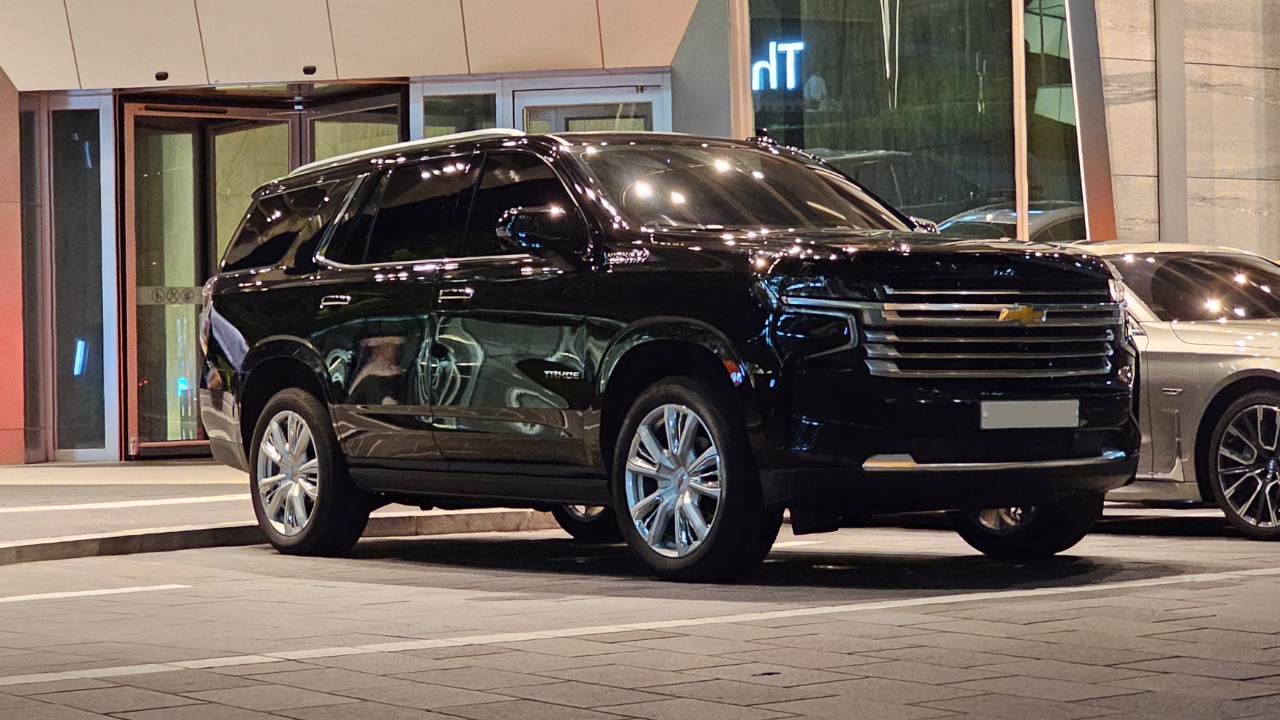
Full-size SUVs such as the Chevrolet Tahoe and the Ford Expedition are popular choices for families, offering ample space and versatility. However, their size and value can lead to higher insurance premiums. The 2023 Chevrolet Tahoe, for example, is a significant investment not only in terms of purchase price but also in terms of insurance.
These family haulers are among the most expensive to insure, partly due to their size and the potential for greater damage in accidents. As discussed in a Consumer Reports article, the cost of insuring these vehicles can sometimes rival that of high-end sports cars.
Premium European Imports
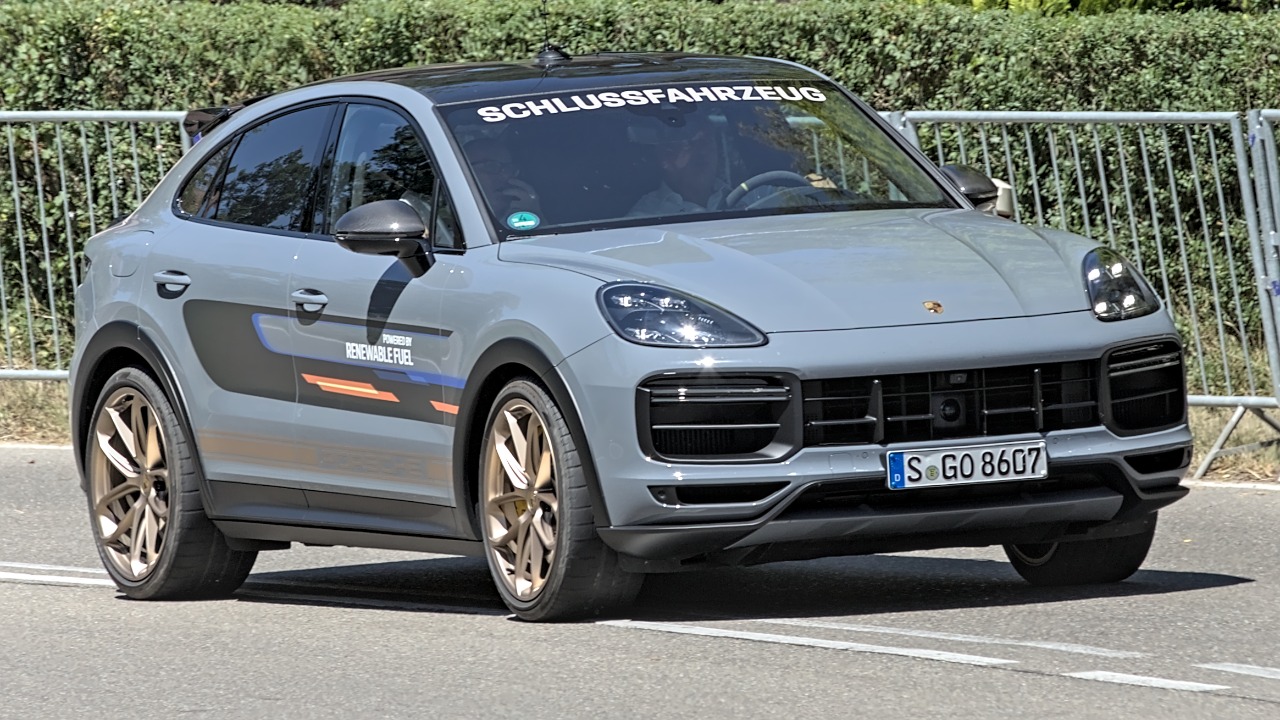
Premium European SUVs like the Porsche Cayenne and the Audi Q7 are synonymous with luxury and precision engineering. While they offer an exhilarating driving experience, they also come with higher insurance costs. A 2022 Porsche Cayenne, for instance, might cost more to insure than a traditional sports car like the Ford Mustang.
The high cost of parts and repairs for these vehicles contributes to their expensive insurance premiums. Insurance companies take into account the high sticker prices and the cost of maintaining these vehicles when setting rates.
Compact Luxury Models
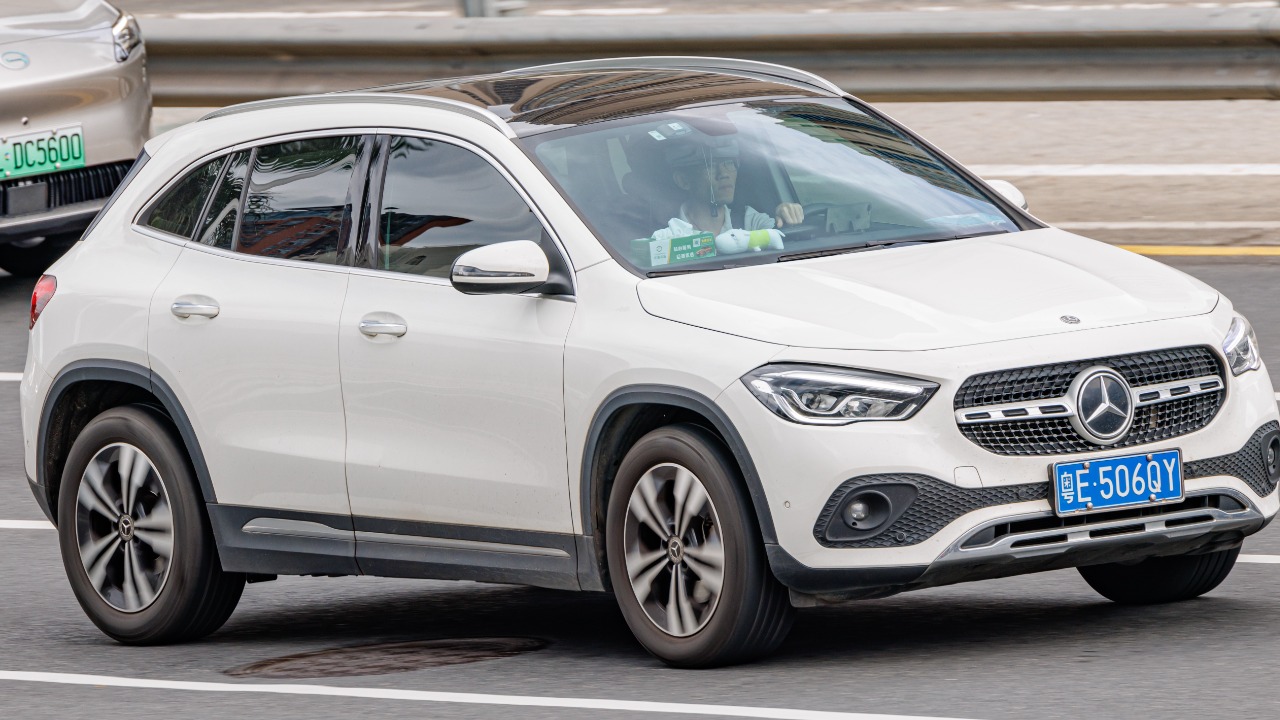
Compact luxury SUVs like the Mercedes-Benz GLA-Class and the BMW X1 offer a more affordable entry into the luxury SUV market, but they still come with considerable insurance costs. The 2023 Mercedes-Benz GLA-Class is a prime example, with insurance rates that can rival those of more traditional sports cars.
These vehicles are often equipped with the latest technology and safety features, which can lead to higher repair costs and, consequently, higher insurance premiums. Owners looking for a luxury experience in a smaller package should be prepared for the associated insurance expenses.
Rugged Adventure Vehicles
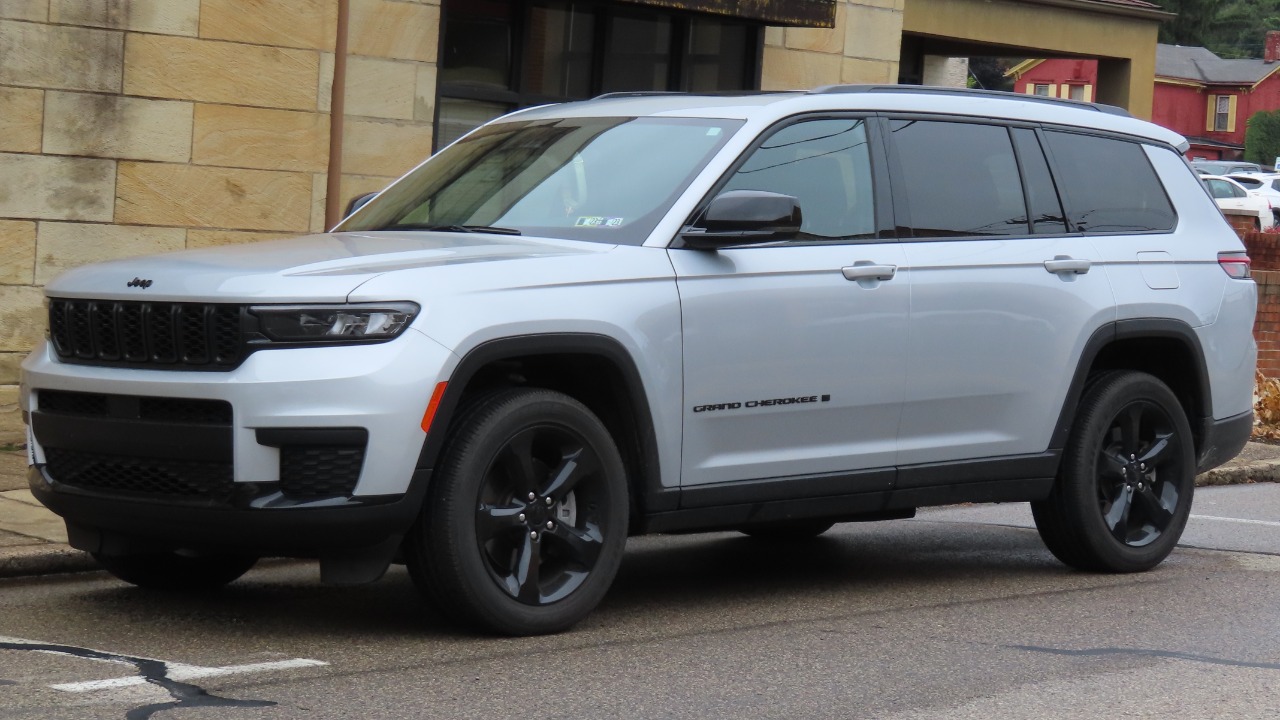
Rugged SUVs like the Jeep Grand Cherokee and the Toyota 4Runner are built to tackle tough terrains, making them popular among outdoor enthusiasts. However, this capability often comes with higher insurance costs. The 2023 Jeep Grand Cherokee, for instance, is not only a versatile vehicle but also one that can be costly to insure.
The potential for off-road damage and the high cost of parts contribute to the premium rates for these vehicles. Insurance companies often factor in the likelihood of claims related to off-road adventures when determining rates.
Limited Edition Variants
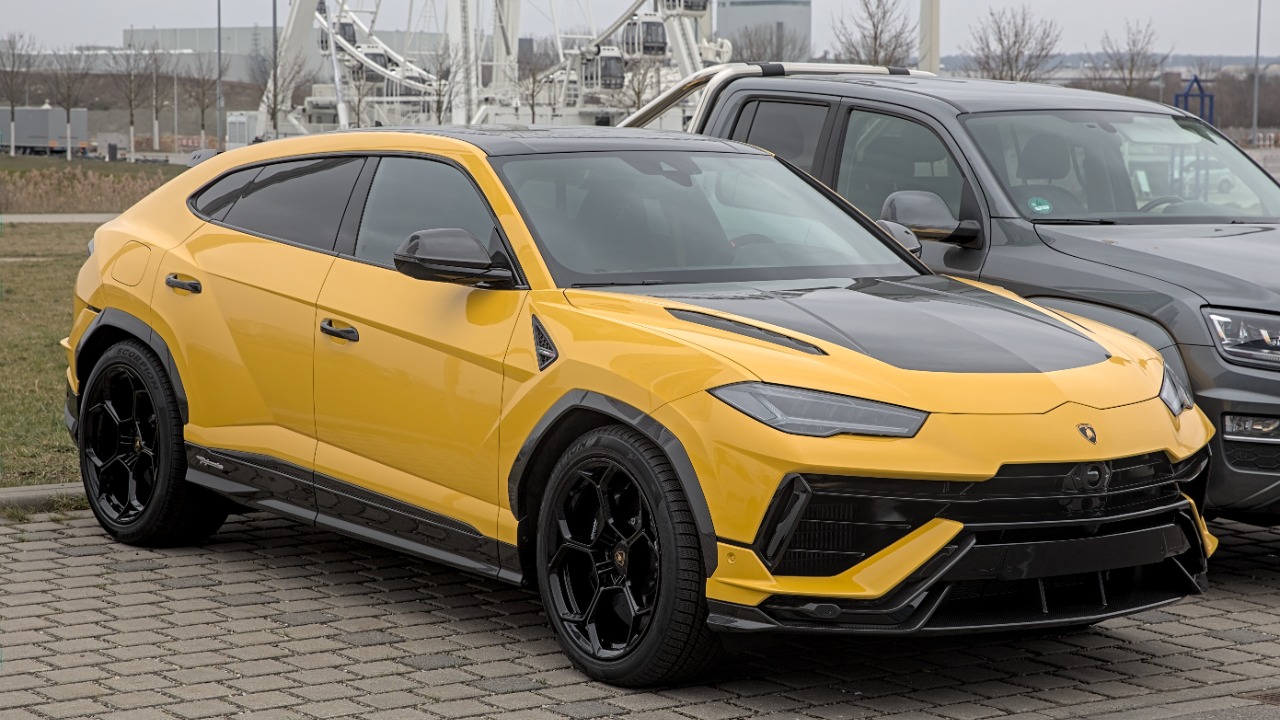
Limited edition SUVs like the Lamborghini Urus and the Bentley Bentayga offer exclusivity and performance, but they also come with a hefty insurance bill. The 2023 Lamborghini Urus, for example, is a high-performance SUV with insurance costs that can surpass those of many sports cars.
The rarity and value of these vehicles make them expensive to repair and replace, leading to higher premiums. As these models often attract attention from enthusiasts and collectors, insurance companies take into account the increased risk of theft or damage.
