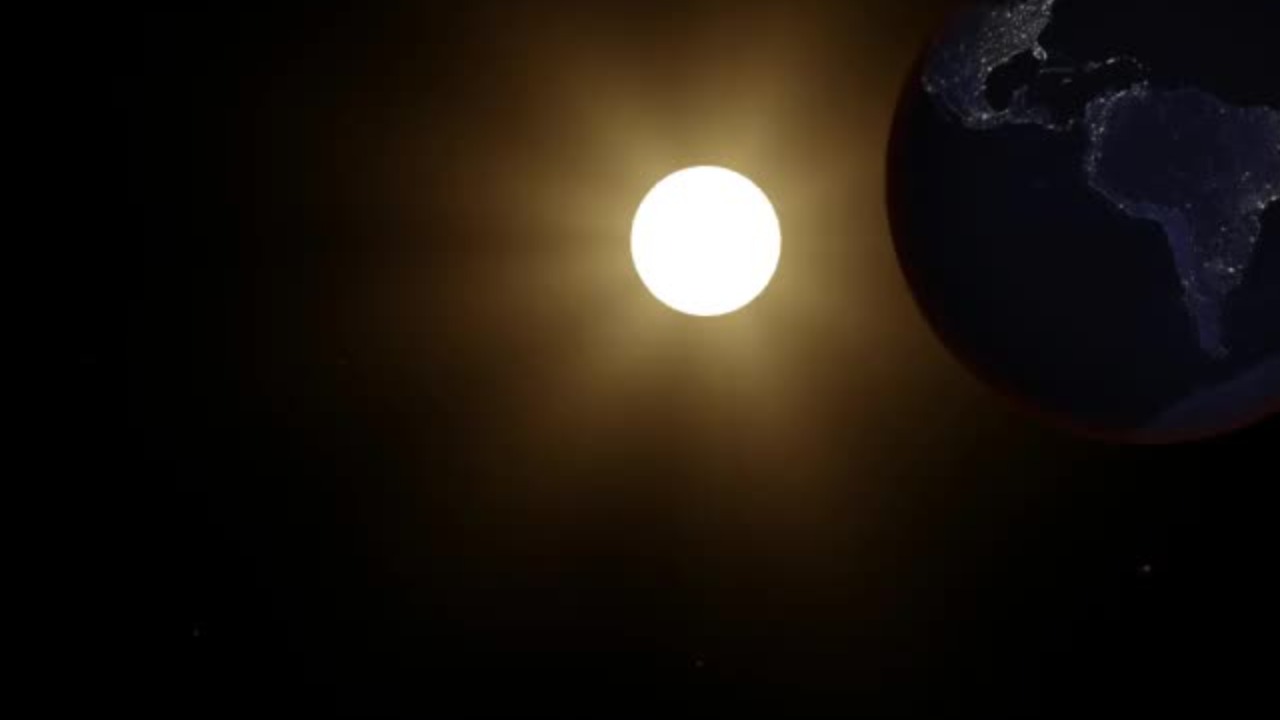

For centuries, the Moon has been a source of fascination and mystery, captivating the imagination of scientists and dreamers alike. Recently, attention has been drawn to a series of unexplained phenomena occurring on the lunar surface. These events challenge our understanding of Earth’s natural satellite and beckon us to explore what might really be happening up there.
The Mysterious Lunar Lights
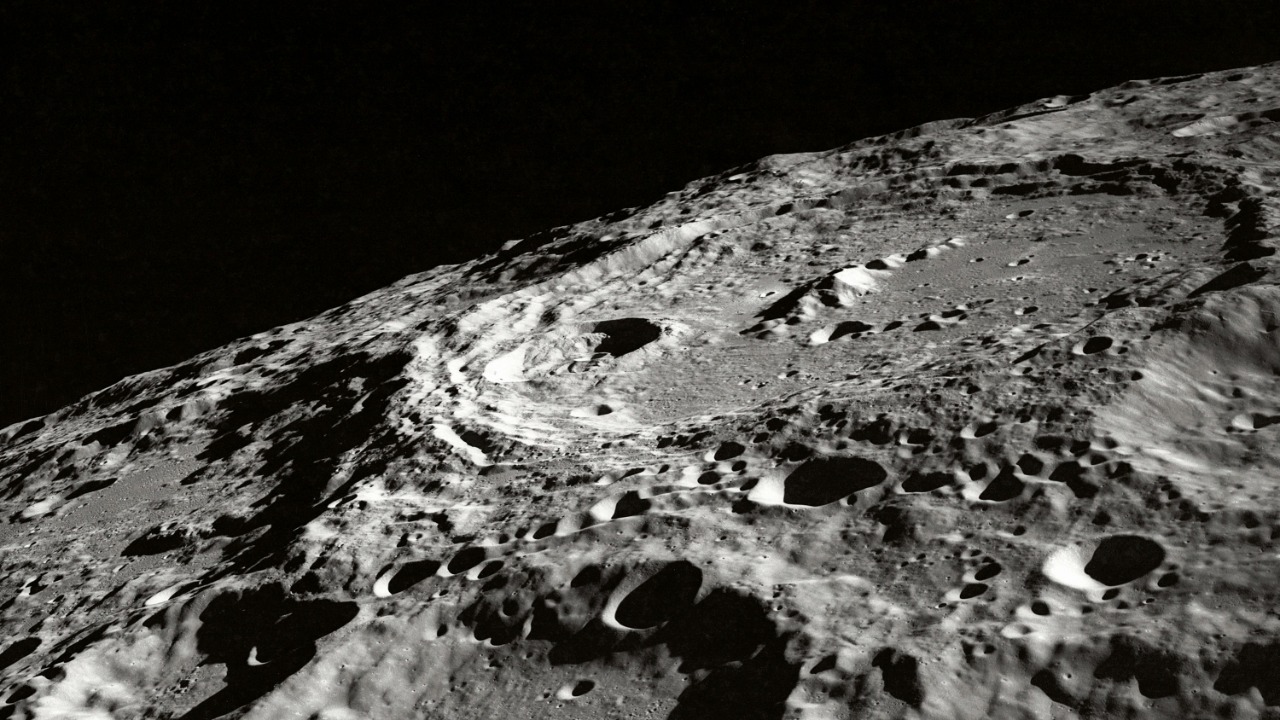
The phenomenon of mysterious lights on the Moon has intrigued observers for centuries. Historical accounts from the 16th century onwards mention strange glowing or flashing lights on the lunar surface. Astrophysicists and amateur astronomers alike have documented these occurrences, yet they remain one of the Moon’s greatest mysteries. The odd flashes of light have even been mentioned in the records of famous astronomers such as Galileo and William Herschel, adding an element of historical intrigue to the phenomena.
In the modern era, reports of mysterious lunar lights have continued, bolstered by advanced observational tools. Recent studies have noted patterns in the frequency and location of these lights, suggesting they may not be as random as once thought. Some scientists propose that these lights are the result of meteor impacts or solar activity striking the lunar surface, while others suggest more exotic possibilities, including extraterrestrial activity. Despite numerous observations, a definitive explanation remains elusive.
Transient Lunar Phenomena (TLPs)
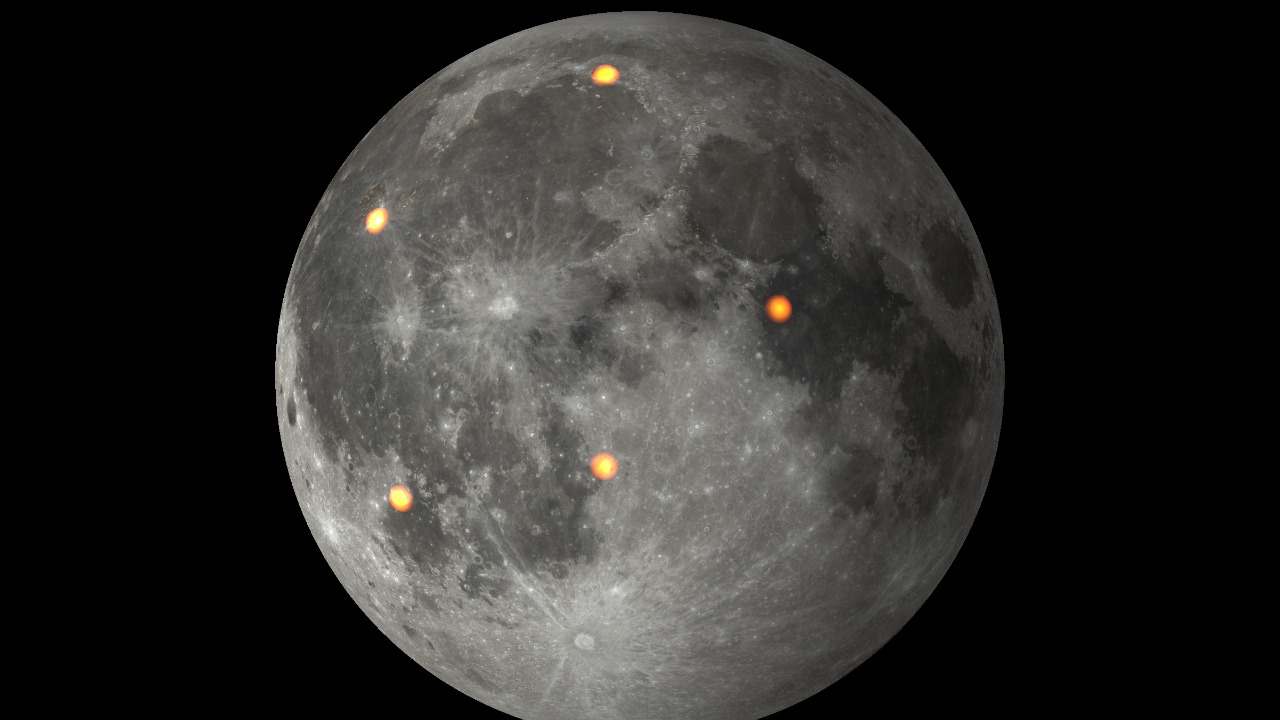
Transient Lunar Phenomena, or TLPs, refer to short-lived changes in the appearance of the Moon’s surface. These phenomena have been observed as sudden flashes, glowing patches, or even color changes. TLPs are notoriously difficult to study due to their fleeting nature, and they often rely on the vigilance of amateur astronomers who happen to be observing the Moon at the right time. Despite being transient, these phenomena have been recorded for over a thousand years, suggesting a persistent mystery.
Notable instances of TLPs include the famed 1958 event observed by Russian astronomer Nikolai Kozyrev, who claimed to have seen a reddish glow in the Alphonsus crater. This observation spurred scientific interest and further investigations into these elusive occurrences. However, scientific scrutiny of TLPs is hampered by their unpredictability, making it challenging to gather consistent data and verify these occurrences. Some researchers hypothesize that TLPs could be linked to gravitational interactions with Earth or even internal lunar processes.
Theories and Hypotheses
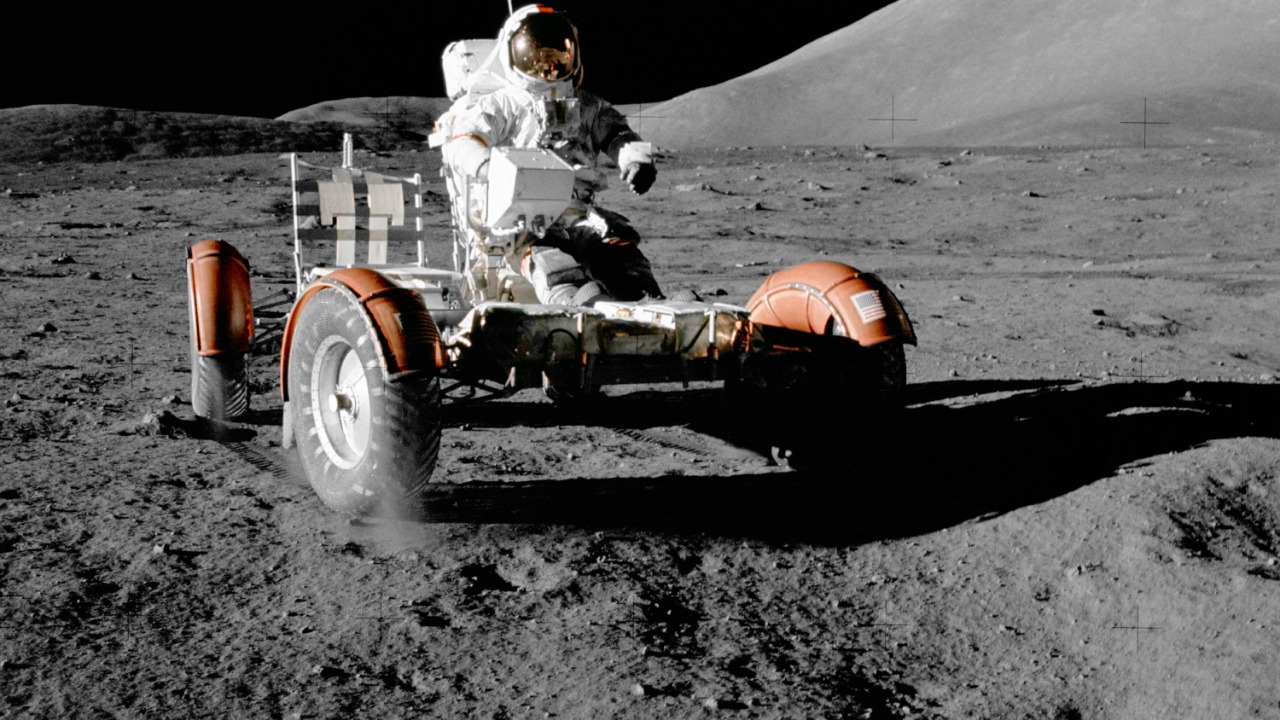
One of the primary theories surrounding the unexplained phenomena on the Moon is the possibility of geological activity, such as moonquakes and outgassing events. Although the Moon is often considered geologically dead, there is evidence to suggest that it may still experience seismic activity. Such activity could release gas and dust, creating temporary luminescent effects on the lunar surface.
In addition to geological explanations, some scientists explore the impact of solar and cosmic influences. Solar flares and cosmic rays could interact with the Moon’s thin atmosphere, causing brief and localized changes in appearance. These interactions might also explain why certain areas of the Moon appear to glow or change color under specific conditions. Meanwhile, more speculative theories propose the existence of alien bases or advanced technology hidden on the Moon, suggesting that these anomalies might be the result of extraterrestrial intervention. While such claims lack concrete evidence, they continue to capture the imagination of many.
Technological Advances in Lunar Observation
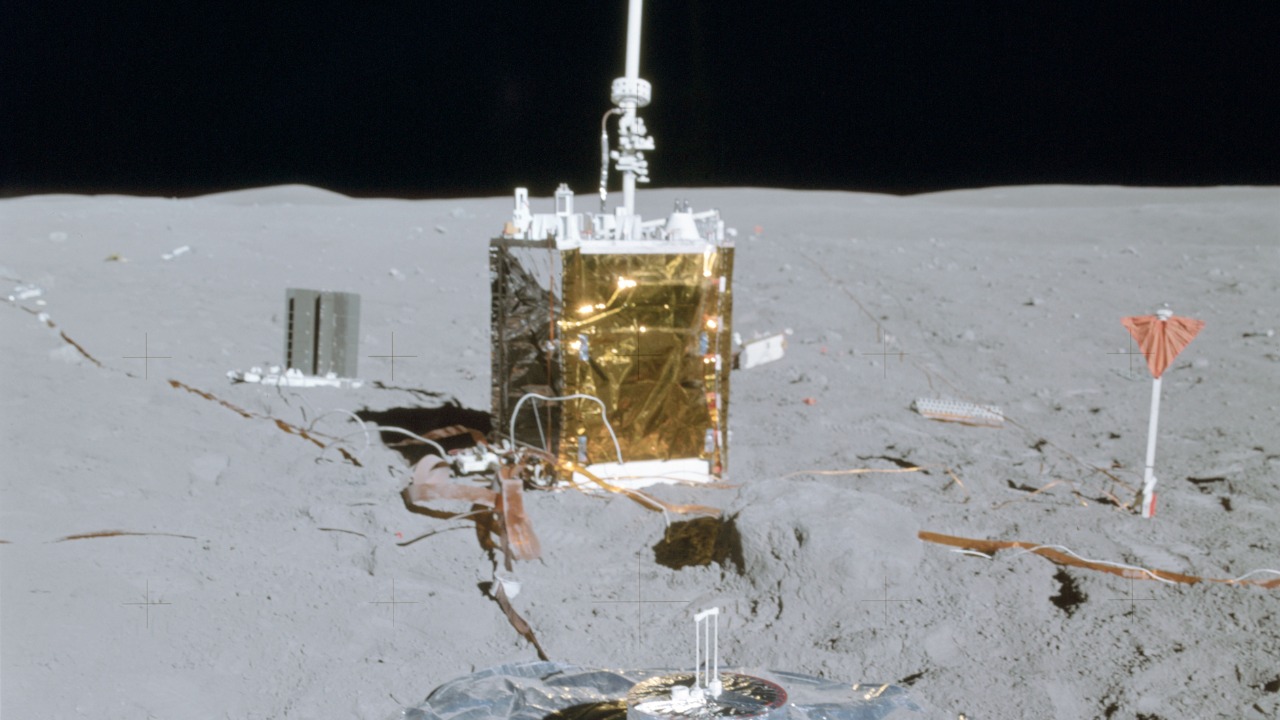
Recent technological advances have significantly improved our ability to observe and study the Moon. Innovations in telescopes and the deployment of satellites equipped with high-resolution cameras have provided unprecedented views of the lunar surface. These tools have allowed scientists to monitor the Moon with greater precision, capturing events that might have previously gone unnoticed.
The international collaboration has also played a crucial role in unraveling lunar mysteries. Space agencies from around the world are pooling their resources and expertise to investigate these phenomena. For instance, the European Space Agency and NASA have launched missions specifically designed to study the Moon’s geology and environment in greater detail. Upcoming projects, such as the NASA Artemis program, aim to further our understanding of the Moon by conducting in-situ investigations and deploying sophisticated instruments designed to detect and analyze transient events.
Impact on Human Understanding and Exploration
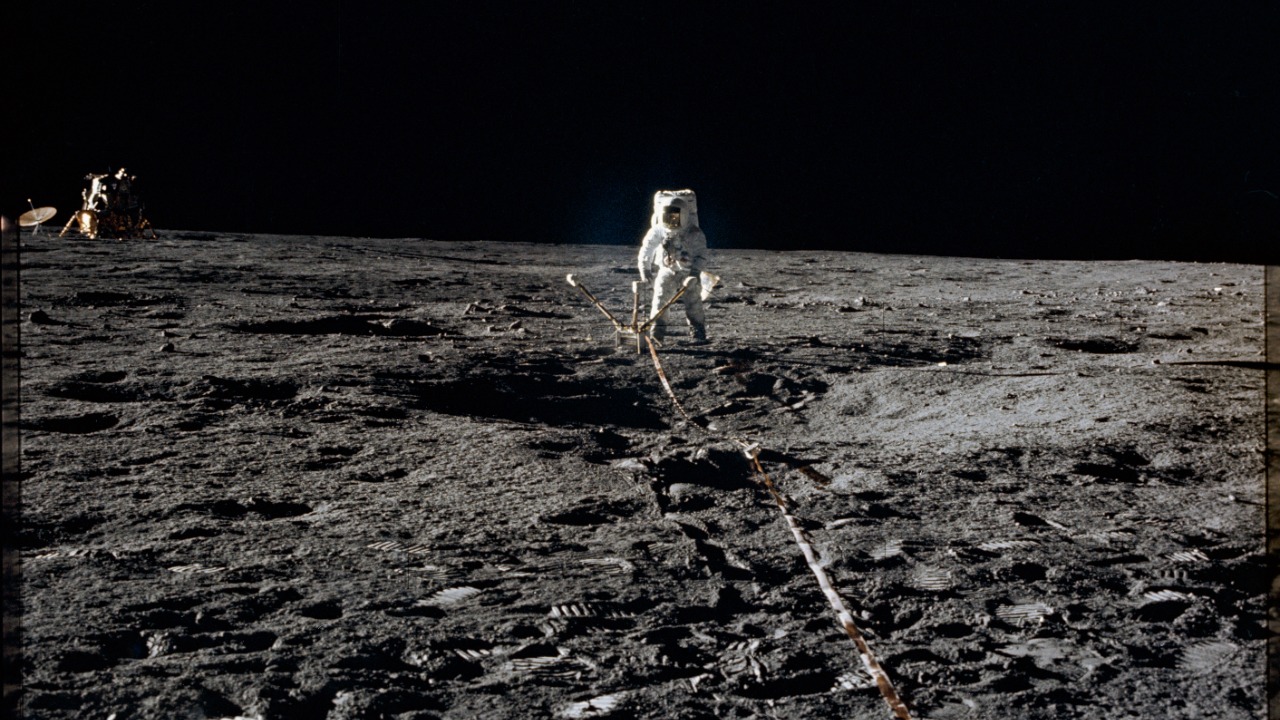
The unexplained phenomena observed on the Moon are shifting our perceptions of this celestial neighbor. These events challenge traditional views of the Moon as a static and unchanging body, suggesting a more dynamic environment than previously assumed. As scientists continue to study these occurrences, they are prompted to reconsider long-held assumptions and explore new avenues of research.
The implications of these phenomena extend beyond scientific inquiry, influencing space policy and international space law. As nations plan future missions to the Moon, considerations about unexplained events may shape safety protocols and mission objectives. Furthermore, the prospect of discovering new phenomena on the Moon serves as a powerful motivator for continued exploration, inspiring curiosity and engagement from both the scientific community and the public. The impact of these events is also evident in the way they capture the public imagination, fueling interest in space exploration and the search for answers to the enduring mysteries of our nearest celestial neighbor.