
The scientific community is abuzz with the latest update from NASA concerning a mysterious interstellar object that has piqued the curiosity of astronomers worldwide. As it races through our solar system, this enigmatic body challenges our understanding of cosmic phenomena and prompts urgent calls for further study. Here, we delve into the details of NASA’s findings and the broader implications for space research.
The Mysterious Visitor: Origins and Discovery
The mysterious interstellar object first caught the attention of astronomers when it was detected by the Pan-STARRS1 telescope in Hawaii. Identified as an interstellar entity due to its unusual trajectory, which suggested it originated outside our solar system, the object quickly became a subject of intense scientific interest. Its hyperbolic path indicated that it was not gravitationally bound to the Sun, distinguishing it from typical solar system objects.
Speculation about the object’s origin abounds, with theories ranging from it being a fragment of a distant planetary system to a piece of interstellar debris ejected during a star formation event. The object’s pathway through the galaxy remains a topic of debate, with scientists examining potential scenarios that could explain its high velocity and direction. Unlike previous interstellar visitors like ‘Oumuamua, this object exhibits distinct characteristics that set it apart, adding layers of mystery to its already intriguing narrative.
NASA’s Latest Findings
NASA’s recent updates have provided a wealth of information about the interstellar object, thanks to advanced observational technologies and data collection methods. Utilizing high-resolution imaging and spectroscopy, researchers have been able to gain insights into the object’s composition, behavior, and trajectory. Initial analyses suggest that its surface features and material composition are unlike anything previously observed in our solar system.
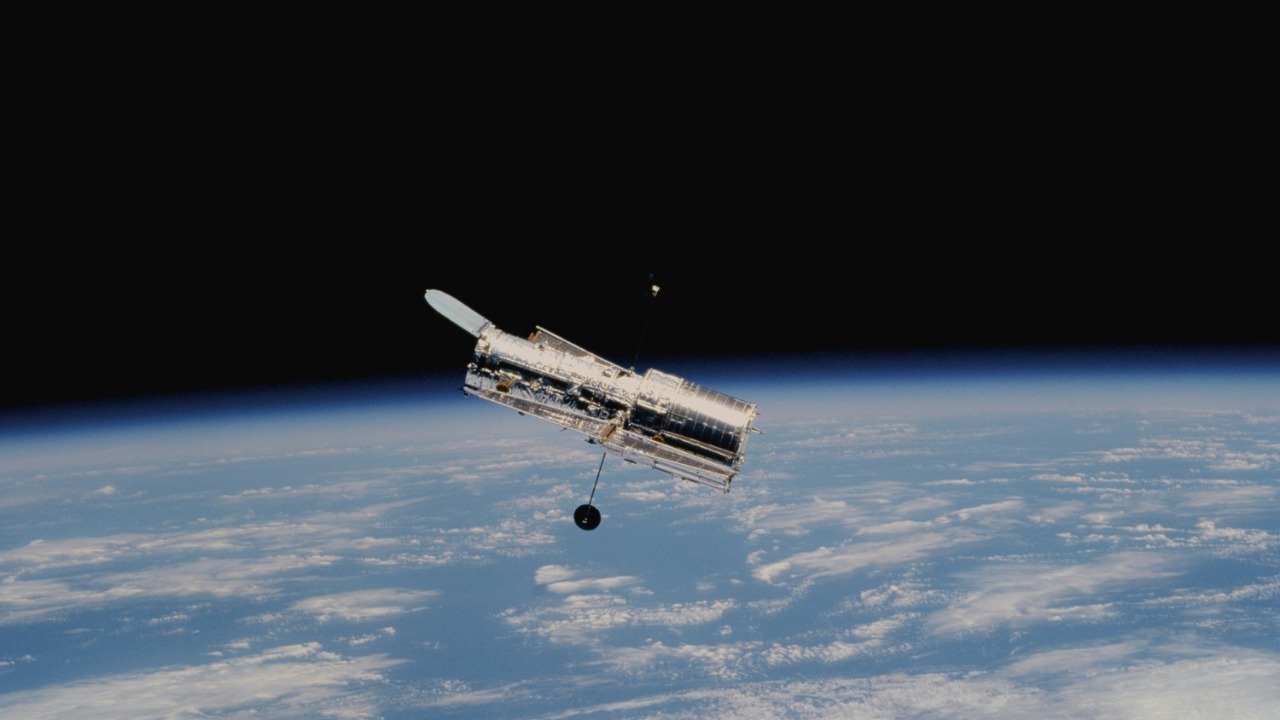
The technological advancements in space observation have played a crucial role in studying this enigmatic object. Instruments such as the Hubble Space Telescope and ground-based observatories have been pivotal in collecting detailed data that help scientists understand the object’s characteristics. These findings not only enhance our knowledge of interstellar objects but also challenge existing models of interstellar travel and material exchange between star systems.
Scientific Community’s Response

The scientific community’s response to NASA’s update has been overwhelmingly enthusiastic, with leading astronomers and researchers expressing both excitement and curiosity. The discovery has spurred a flurry of activity, with numerous research initiatives being launched to study the object’s properties and potential impact on our understanding of the cosmos. Collaborative efforts are underway, involving institutions from around the globe, to pool resources and expertise in unraveling the mysteries surrounding this interstellar visitor.
International collaboration is proving vital in this endeavor, as scientists from different countries share data and insights to form a more comprehensive picture of the object’s nature. These partnerships highlight the importance of global cooperation in advancing space research and underscore the shared goal of exploring the universe beyond our own solar system. The knowledge gained from studying this object could pave the way for future discoveries and innovations in space exploration.
Potential Impacts on Earth and Beyond

The presence of this interstellar object in our solar system raises intriguing questions about potential risks and benefits. While the likelihood of a direct collision with Earth is minimal, understanding its trajectory and behavior is essential for assessing any long-term impacts. The object’s unique composition offers an opportunity for scientific breakthroughs, as studying its materials could provide insights into the processes that govern the formation of celestial bodies.
Speculation about the object’s composition has led to discussions about its potential for advancing our understanding of planetary defense and the search for extraterrestrial life. If the object contains organic compounds or other markers of biological activity, it could have profound implications for the possibility of life beyond Earth. Moreover, analyzing its material properties could inform future strategies for detecting and deflecting potentially hazardous interstellar objects.
The Future of Interstellar Exploration
The discovery of this interstellar object is likely to influence the direction of future space missions and exploration strategies. As scientists and researchers seek to understand the object’s origins and characteristics, there is a growing recognition of the need to advance technologies for detecting and studying similar entities. These advancements could facilitate more efficient and comprehensive exploration of objects traversing the interstellar medium.
Public and private partnerships are playing an increasingly important role in pushing the boundaries of space exploration. Organizations like SpaceX and Blue Origin, in collaboration with governmental space agencies, are developing new technologies that could support missions to study interstellar objects. The lessons learned from this current discovery could inform the design and execution of future missions, ultimately enhancing our ability to explore and understand the universe.
NASA’s recent updates provide a fascinating glimpse into the unknown, inviting us to ponder the vastness and complexity of the cosmos. As we continue to study this mysterious interstellar visitor, the potential for new discoveries and innovations in space exploration is immense. The interstellar object’s journey through our solar system is not just a scientific curiosity but a reminder of the boundless possibilities that await us in the universe. With each new finding, we move closer to understanding our place in the cosmos and the intriguing mysteries that lie beyond.