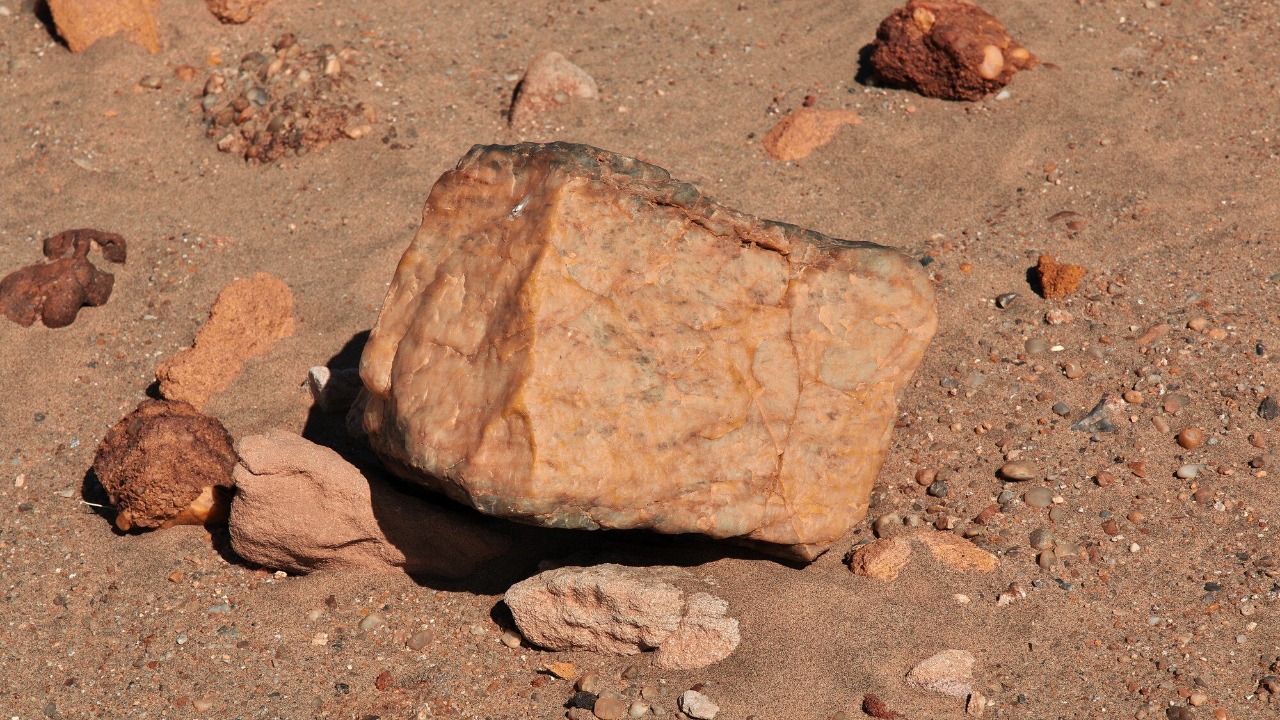

A meteorite, believed to have originated from Mars and valued at $5 million, has been discovered in Africa, drawing significant scientific and legal interest. This rare find not only promises to unlock secrets about the Red Planet but also poses intriguing questions about space law and ownership. Both scientists and legal experts are keenly investigating the implications of this extraterrestrial acquisition.
The Discovery of the Mars Rock
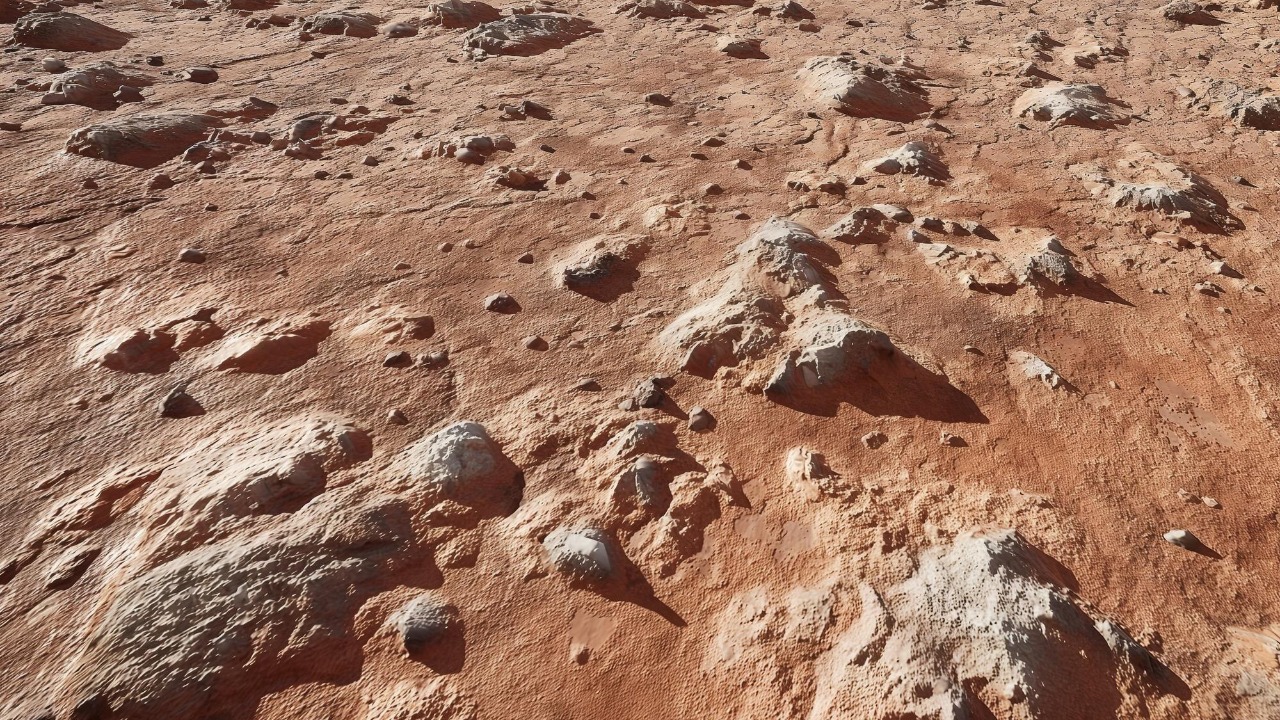
The Martian meteorite was found in the remote desert landscape of Niger, a region known for its arid climate and vast expanses of sand. Local residents stumbled upon the rock, initially mistaking it for an ordinary piece of earthbound geology. Upon closer inspection by experts, its unique characteristics hinted at an otherworldly origin, leading to further scientific scrutiny. The discovery has been a matter of excitement not just locally, but globally, as it adds a vital piece to the puzzle of Mars’ geological history.
Scientists and geologists have been quick to assess the meteorite, with initial analyses confirming its Martian origin through its unique isotopic composition. The rock’s surface bears the telltale signs of a journey through the Martian atmosphere, followed by a fiery descent to Earth. This particular meteorite is classified as a shergottite, a type of volcanic rock that was likely ejected from Mars by a massive impact event millions of years ago. The discovery of such a specimen offers an invaluable opportunity to study the composition of Mars without a return mission.
Scientific Significance and Research Potential
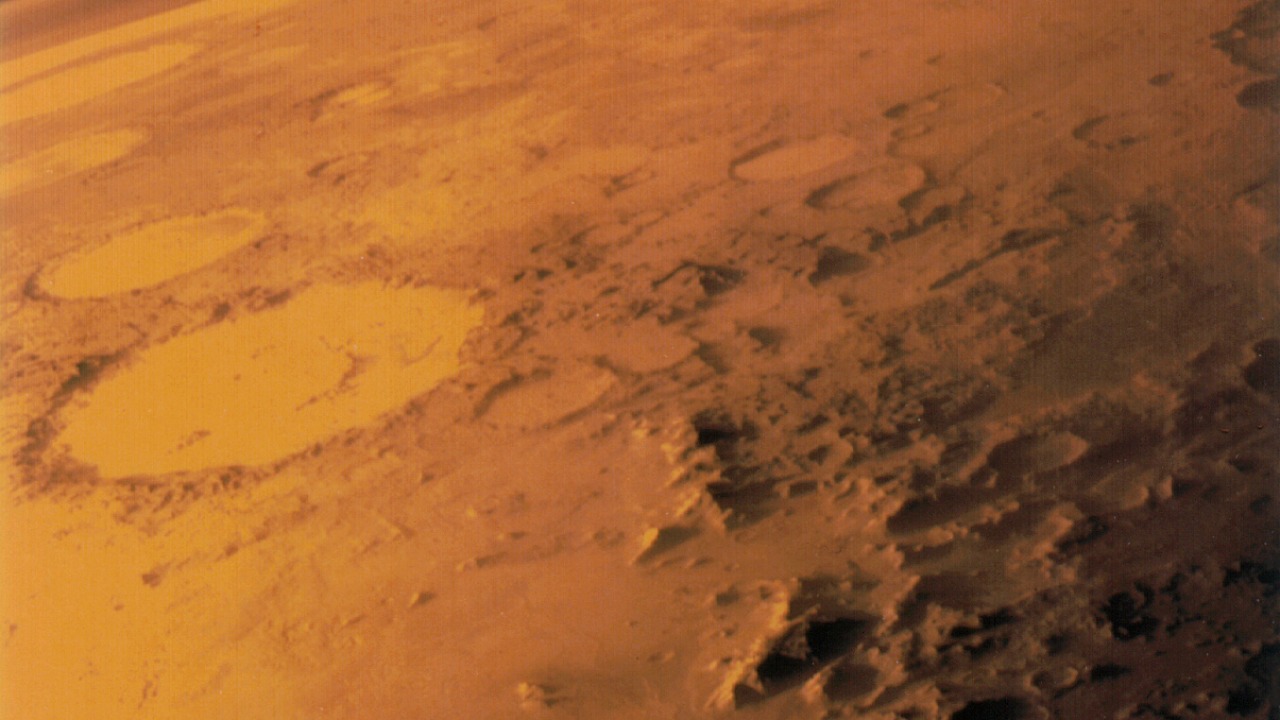
The meteorite offers a rare chance to study Mars’ atmosphere and geological history in unprecedented detail. Scientists hope that by analyzing the rock’s mineral composition and isotopic ratios, they can glean insights into the conditions on Mars billions of years ago. This knowledge could be pivotal in understanding how Mars lost its atmosphere and became the barren landscape we see today. The rock might also offer clues about the presence of water on ancient Mars, a key factor in the planet’s potential to support life.
This discovery is not just a scientific curiosity; it has the potential to shape future Mars exploration missions. The data obtained from studying this meteorite could inform the design of instruments and experiments for upcoming Mars missions, including sample return missions that aim to bring back Martian soil and rock samples. Such missions are crucial for answering fundamental questions about planetary formation and evolution, and the meteorite provides an invaluable reference point for these future endeavors.
Legal and Ethical Implications
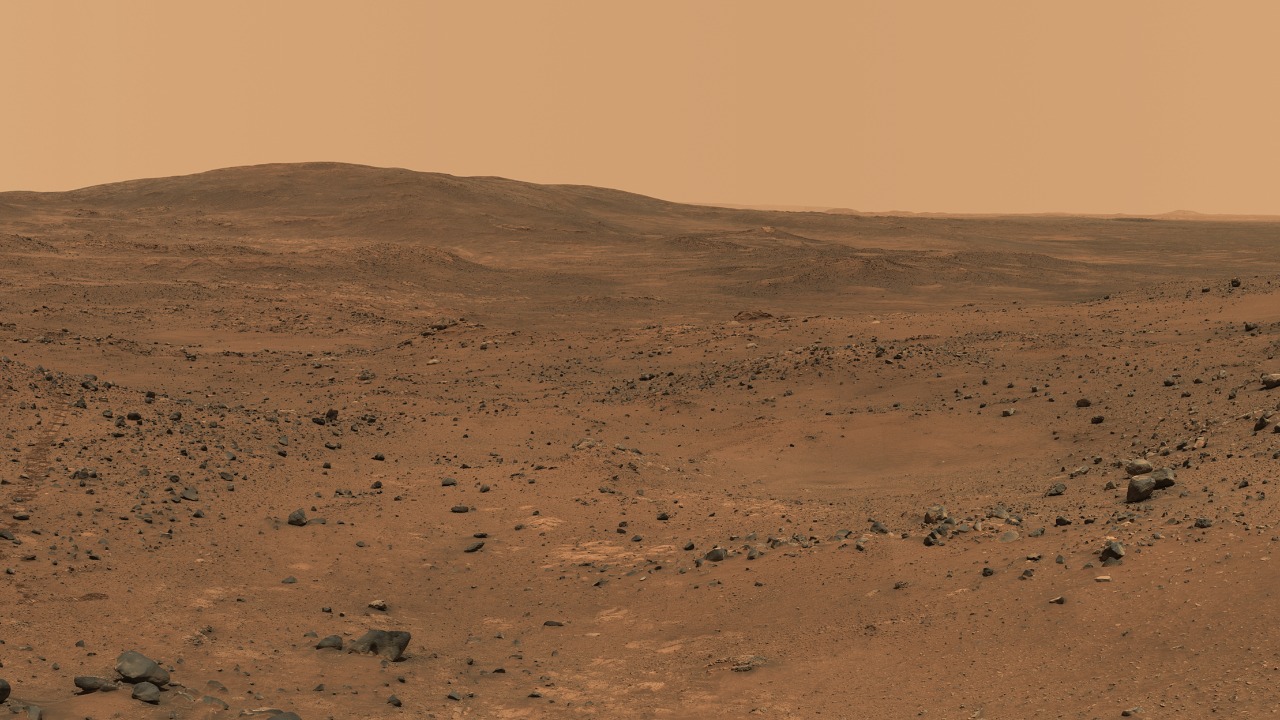
The discovery of the Mars rock in Niger has sparked a complex debate over ownership and legality. Under international law, meteorites are considered a part of the heritage of all humankind, yet the legal frameworks governing extraterrestrial objects remain ambiguous. The question of who owns a meteorite found on Earth is further complicated by national laws, which can vary widely. In Niger, the government has asserted its claim over the meteorite, but this has raised questions about the rights of the local community that discovered it.
The sale and commercialization of space objects also present ethical dilemmas. There is a growing market for meteorites, and while their sale can bring financial benefits, it also raises concerns about the commodification of scientific artifacts. Some argue that such objects should be preserved for scientific research rather than sold to the highest bidder. These debates are framed by international treaties, such as the Outer Space Treaty, which emphasizes the importance of cooperation and sharing in the exploration of space.
Economic Impact and Market Value
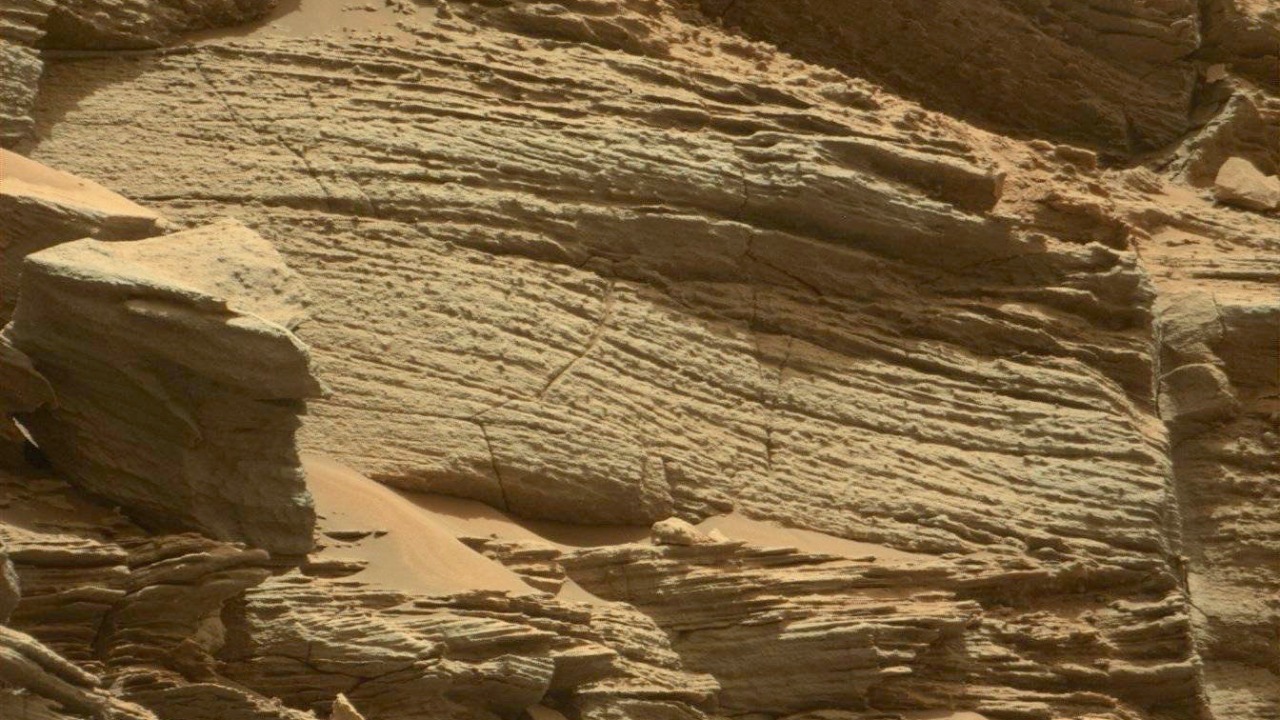
The valuation of the Mars rock at $5 million was based on several factors, including its size, rarity, and scientific significance. Meteorites from Mars are among the rarest types of space rocks, with only about 300 known to exist on Earth. The high demand for such specimens among collectors and institutions further drives up their market value. Experts appraised the rock based on these criteria, considering its potential contributions to science as well as its appeal to private collectors.
The space rock market has grown significantly in recent years, driven by a fascination with space and the potential for investment. Meteorites are often seen as tangible links to other worlds, and their rarity makes them highly sought after. However, the discovery in Niger raises questions about the economic benefits for local communities. While the sale of the rock could bring financial gains, it is essential to consider how these benefits are distributed and whether they contribute to sustainable development in the region.
Investigation by Niger’s Government
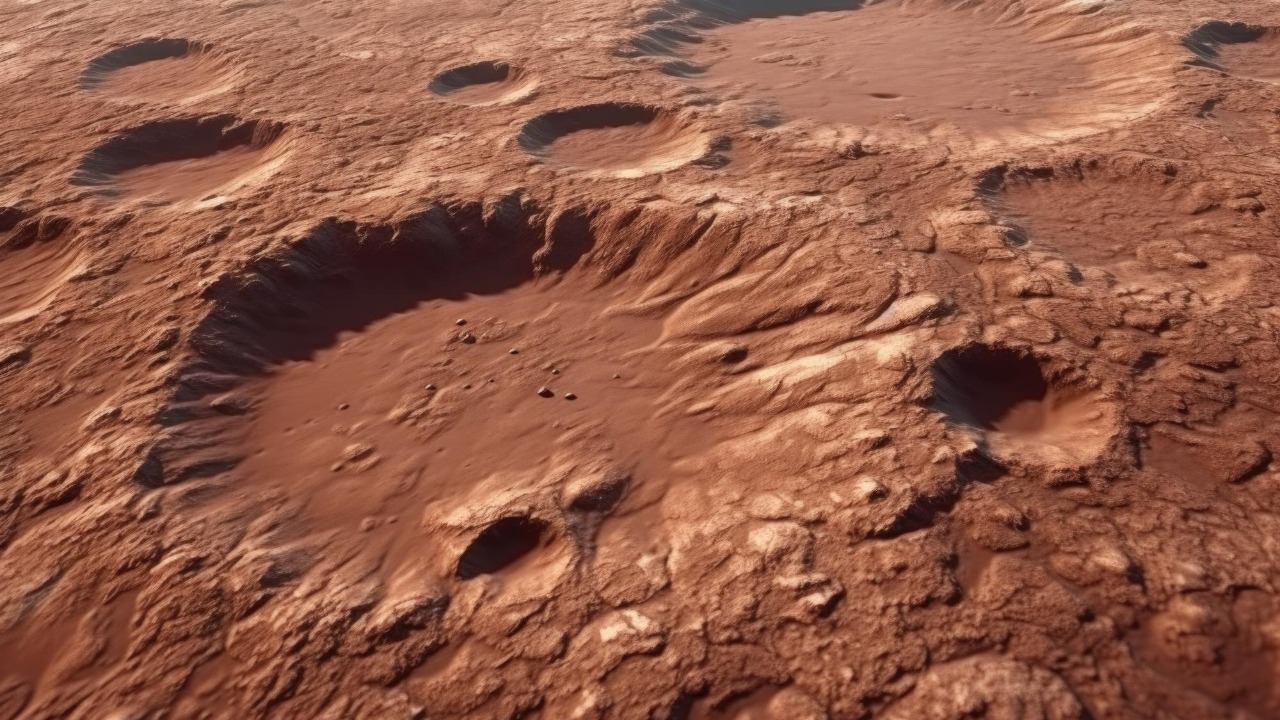
The Niger government has launched an investigation into the discovery and potential sale of the Mars rock, reflecting its commitment to protecting national interests and scientific heritage. The government has called for a thorough examination of the circumstances surrounding the find and has expressed its intent to collaborate with international experts. This investigation aims to ensure that the meteorite is used for the benefit of science and the community, rather than purely for commercial purposes.
International bodies and scientific organizations have shown interest in the investigation, offering their expertise and support. Such collaborations are crucial in navigating the legal and ethical complexities of space object discoveries. The outcome of the investigation could set a precedent for how similar finds are handled in the future, influencing policies and practices related to the ownership and sale of extraterrestrial materials. As the investigation unfolds, it will be interesting to see how these issues are addressed and what implications they may have for future space exploration and discovery.