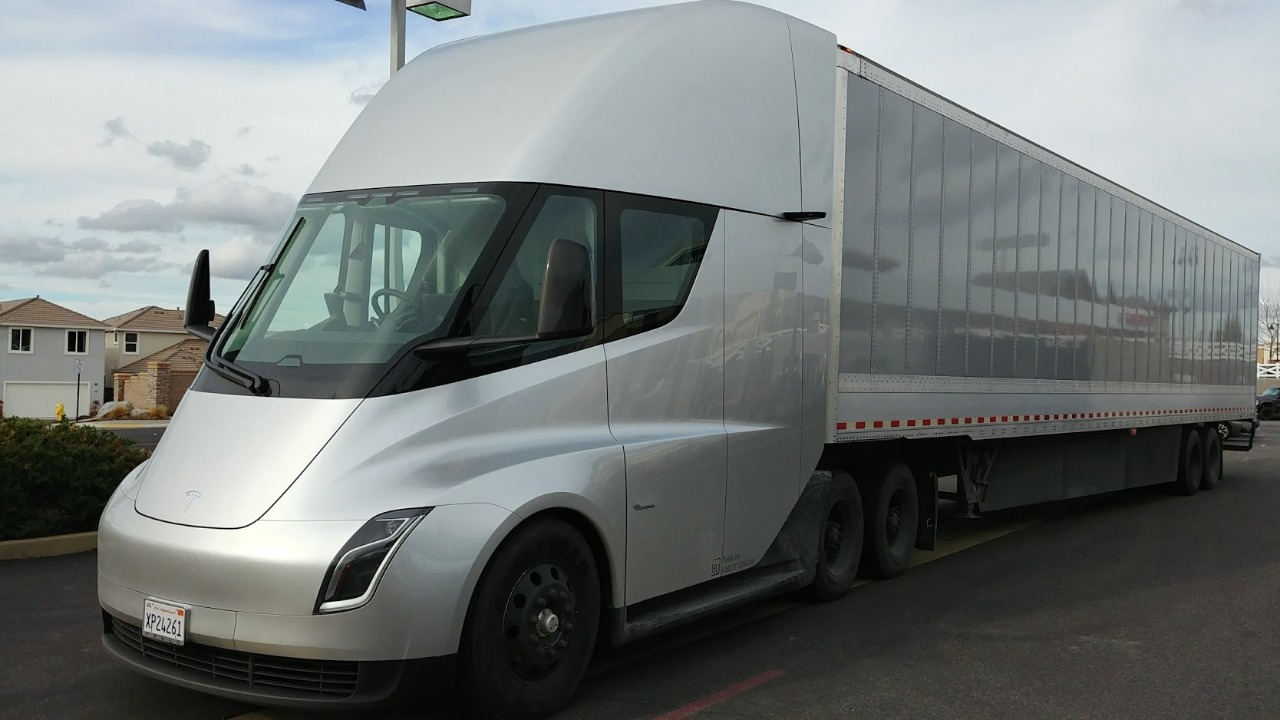

Tesla’s Semi truck has been a topic of intense interest since its initial announcement. The latest iteration of the electric Semi promises to revolutionize the transportation industry with enhanced features and capabilities. Delving into the key aspects of the 2025 Tesla Semi provides all the information you need about this groundbreaking vehicle.
Design and Features
Aerodynamic Innovations
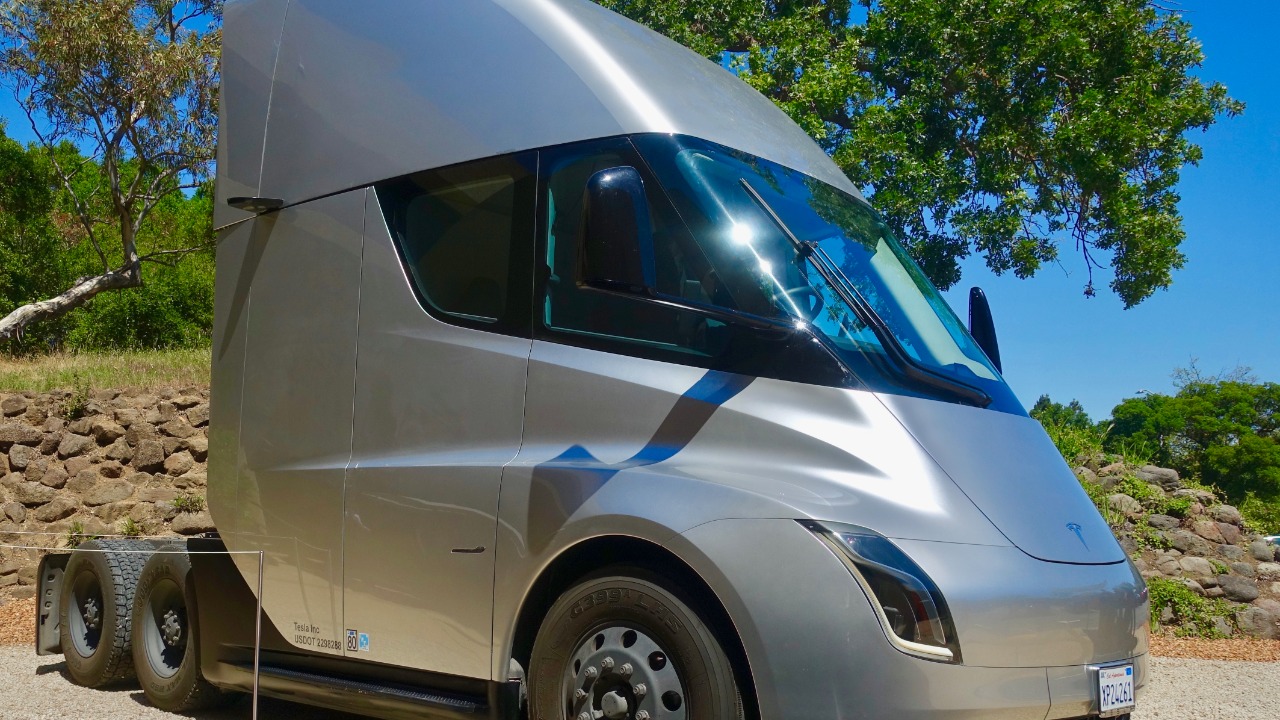
The 2025 Tesla Semi boasts a series of aerodynamic innovations that set it apart from traditional trucks. With a sleek, streamlined body, the Semi achieves a drag coefficient lower than most sports cars. This reduction in drag not only enhances the vehicle’s efficiency but also contributes to its striking futuristic appearance. The use of lightweight materials further aids in boosting the Semi’s efficiency, allowing it to maximize its range on a single charge.
Interior Comfort and Technology
Inside the cabin, Tesla has prioritized driver comfort with a spacious, ergonomically designed interior. The central seating position offers a panoramic view of the road, and the cabin is equipped with two large touchscreens that provide easy access to navigation, vehicle diagnostics, and entertainment options. Advanced technologies are integrated seamlessly to enhance operational efficiency, including voice-activated controls and a robust infotainment system.
Safety Enhancements
Safety remains a cornerstone of Tesla’s design philosophy, and the Semi is no exception. The vehicle is equipped with a suite of autonomous driving capabilities and advanced driver-assistance systems, such as automatic emergency braking, lane-keeping assist, and adaptive cruise control. These features work in tandem to provide a safer driving experience, reducing the likelihood of accidents and improving overall road safety.
Performance and Efficiency
Electric Range and Battery Technology
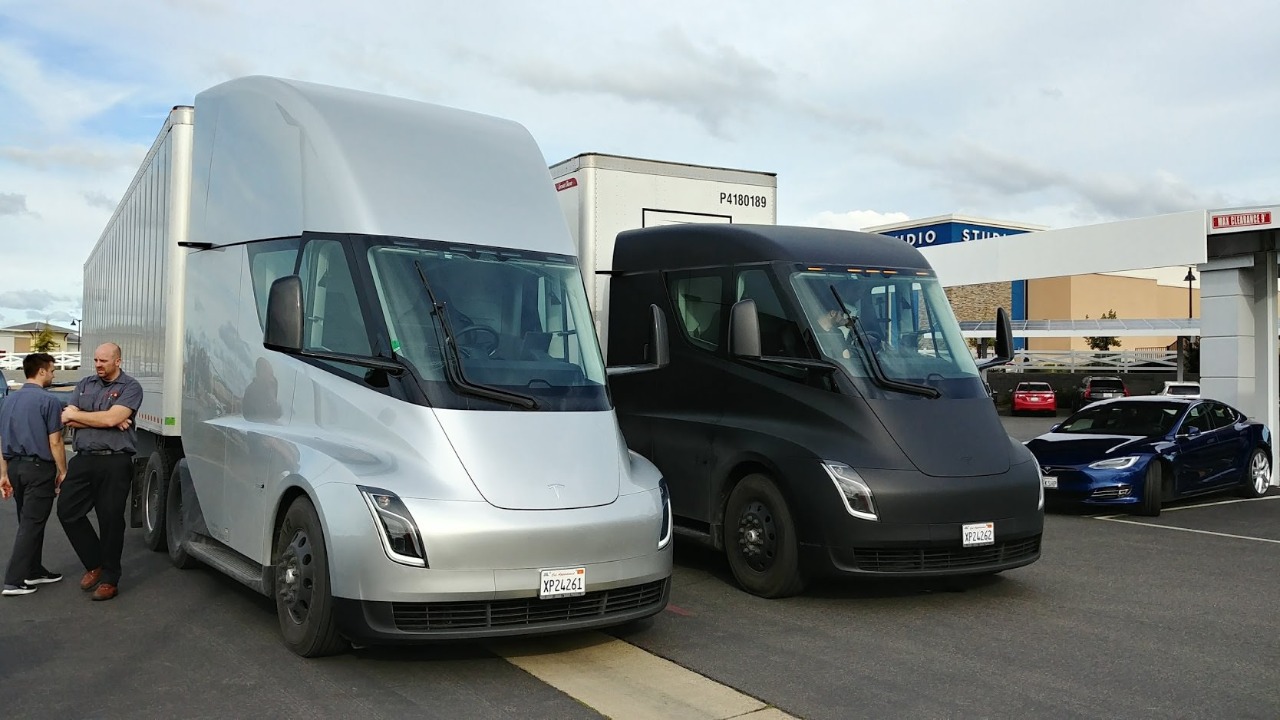
The Tesla Semi showcases significant advancements in battery technology, offering an impressive electric range of up to 500 miles on a single charge. This is made possible by Tesla’s new high-density battery packs, which also support faster charging times. With the ability to recharge up to 70% of its range in just 30 minutes at Tesla’s Megacharger stations, the Semi ensures minimal downtime for operators, making it a practical choice for long-haul routes.
Power and Torque Capabilities
Performance metrics of the Tesla Semi are equally compelling. With four independent motors on the rear axles, the Semi delivers unparalleled power and torque, enabling it to accelerate from 0 to 60 mph in just 20 seconds, even with a full load. This capability is particularly advantageous when tackling steep grades and heavy loads, ensuring that the truck can maintain consistent speeds and efficiency.
Energy Consumption and Cost Savings
The shift from diesel to electric power introduces significant cost savings for fleet operators. The Tesla Semi’s energy consumption is approximately half that of traditional diesel trucks, translating to lower operational costs. Moreover, the reduction in emissions aligns with global sustainability goals, contributing to a cleaner environment and positioning Tesla as a leader in eco-friendly transportation solutions.
Market Impact and Adoption

Industry Reception and Feedback
The industry reception to the Tesla Semi has been overwhelmingly positive. Early adopters report significant improvements in operational efficiency and driver satisfaction. For instance, major logistics companies have already integrated the Semi into their fleets, citing reduced fuel costs and maintenance expenses as key benefits. Testimonials from these companies highlight the vehicle’s reliability and the positive impact on their bottom line.
Competitive Landscape
Within the broader electric truck market, the Tesla Semi stands out due to its advanced technology and performance capabilities. However, competition is intensifying as other manufacturers introduce their own electric trucks. Companies like Volvo and Daimler are investing heavily in electric truck development, creating a dynamic and competitive landscape that drives innovation and offers more choices for consumers.
Regulatory and Infrastructure Considerations
As electric trucks gain traction, regulatory and infrastructure considerations become increasingly important. Governments worldwide are implementing stricter emissions regulations, accelerating the transition to electric vehicles. However, the development of charging infrastructure remains a challenge. Tesla’s Megacharger network is expanding, but widespread adoption will require collaboration between manufacturers, governments, and infrastructure providers to ensure adequate charging facilities for long-haul routes.
Global Expansion and Challenges
European Market Entry
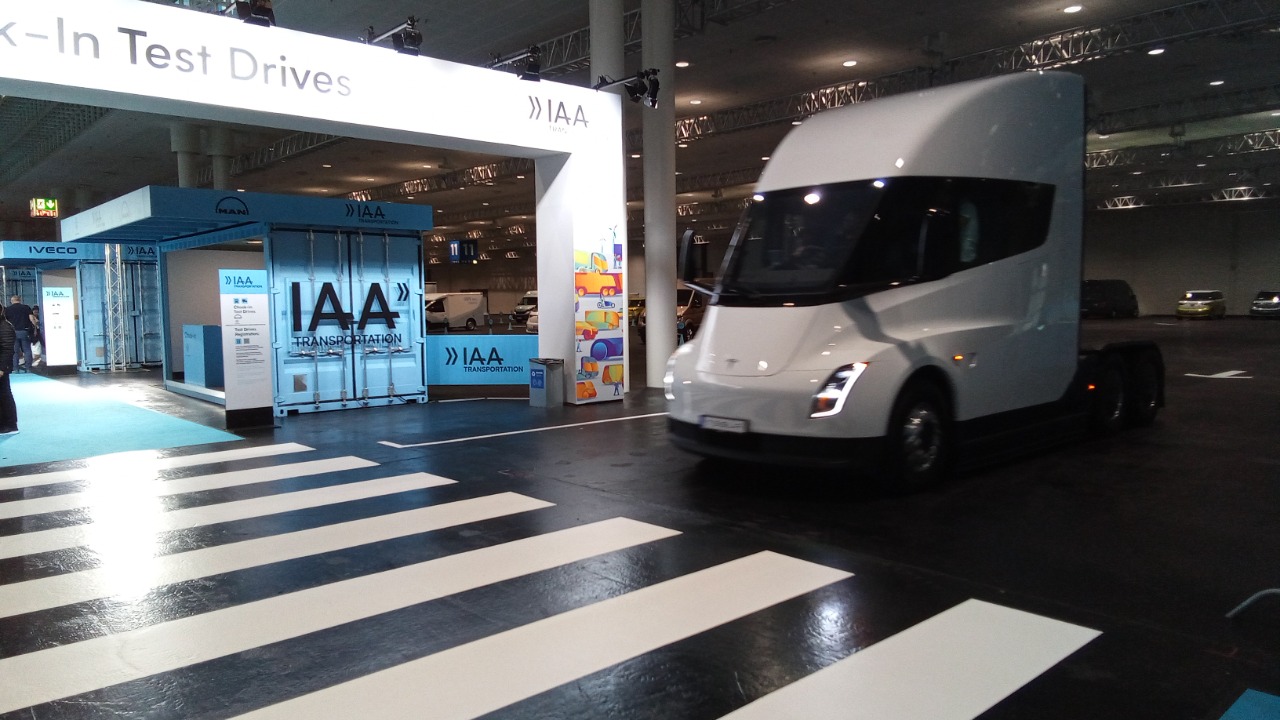
Tesla’s strategy for European market entry involves adapting the Semi to meet regional compliance standards. This includes modifications to the vehicle’s design and performance to align with European regulations. By tailoring the Semi to specific market needs, Tesla aims to capture a significant share of the European logistics sector, offering a sustainable alternative to conventional trucks.
China’s Emerging Market
China represents a key growth opportunity for Tesla’s electric trucks. With a rapidly expanding logistics industry and a strong focus on reducing emissions, the Chinese market is ripe for electric vehicle adoption. Tesla’s penetration into this sector will depend on navigating regulatory hurdles and establishing partnerships with local companies. By leveraging China’s commitment to sustainability, Tesla aims to become a dominant player in the region’s electric truck market.
Logistical and Operational Challenges
Meeting global demand for the Tesla Semi presents logistical and operational challenges. Scaling production to fulfill orders worldwide requires efficient supply chain management and manufacturing processes. Additionally, Tesla must address the complexities of international logistics, from shipping to compliance with various countries’ regulations. These challenges underscore the importance of strategic planning and adaptability in Tesla’s global expansion efforts.
Future Prospects and Innovations
Next-Generation Technologies
Looking ahead, Tesla is poised to continue its tradition of innovation with future iterations of the Semi. Potential advancements include more efficient battery technologies, enhanced autonomous driving features, and improved connectivity solutions. These innovations will further solidify Tesla’s position as a leader in electric transportation, setting new standards for performance and sustainability.
Impact on the Transportation Industry
The widespread adoption of the Tesla Semi has the potential to transform the transportation industry. By reducing dependence on fossil fuels, electric trucks contribute to a more sustainable future, reshaping logistics and supply chains worldwide. As more companies embrace electric vehicles, the shift towards cleaner transportation solutions will drive industry-wide changes, fostering a greener economy.
Sustainability and Environmental Goals
Aligning with broader sustainability trends, the Tesla Semi plays a crucial role in reducing carbon emissions and promoting environmental responsibility. As governments and companies worldwide prioritize sustainability, the Semi’s environmental benefits make it an attractive option for those seeking to minimize their carbon footprint. By championing green transportation, Tesla is not only meeting current demands but also paving the way for a more sustainable future.