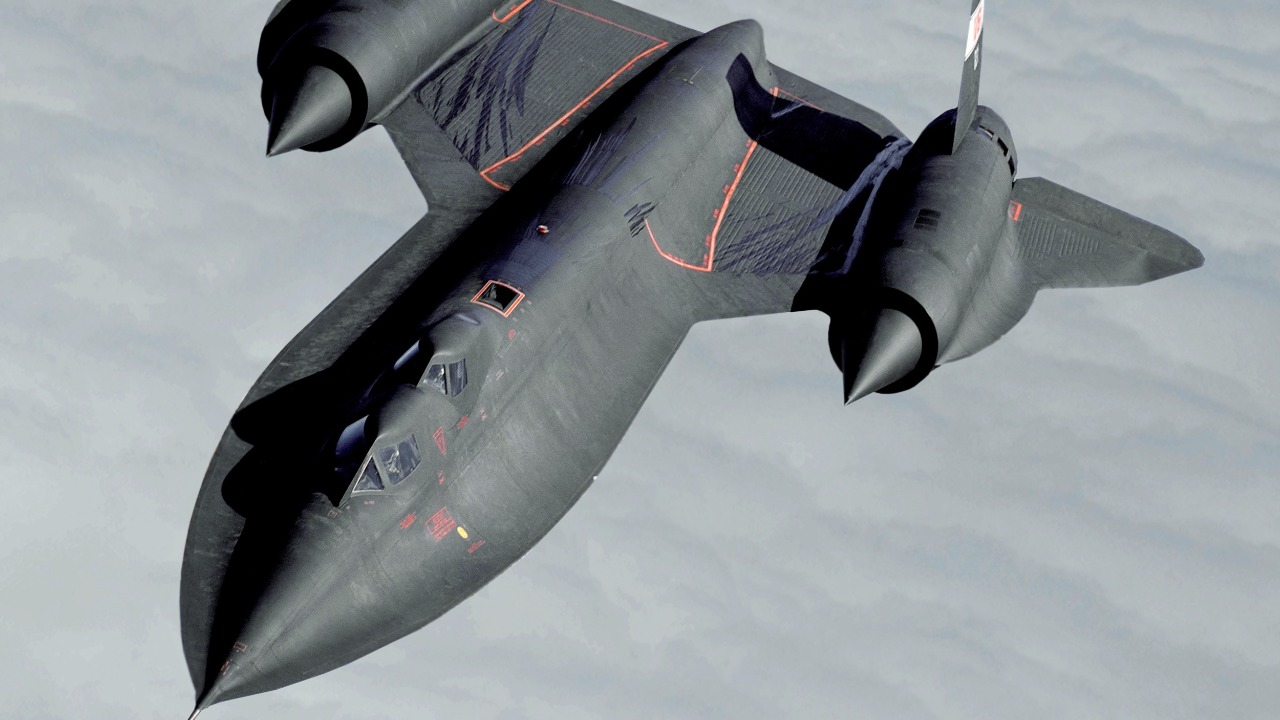

The SR-71 Blackbird is renowned for its unmatched speed and reconnaissance capabilities, yet there were discussions and considerations about transforming it into a bomber. This concept, while never realized, continues to intrigue aviation enthusiasts and military historians alike. Understanding the potential of the SR-71 as a bomber involves delving into the technical challenges it would have faced and the strategic implications of such a transformation.
The Vision of a Bomber Blackbird
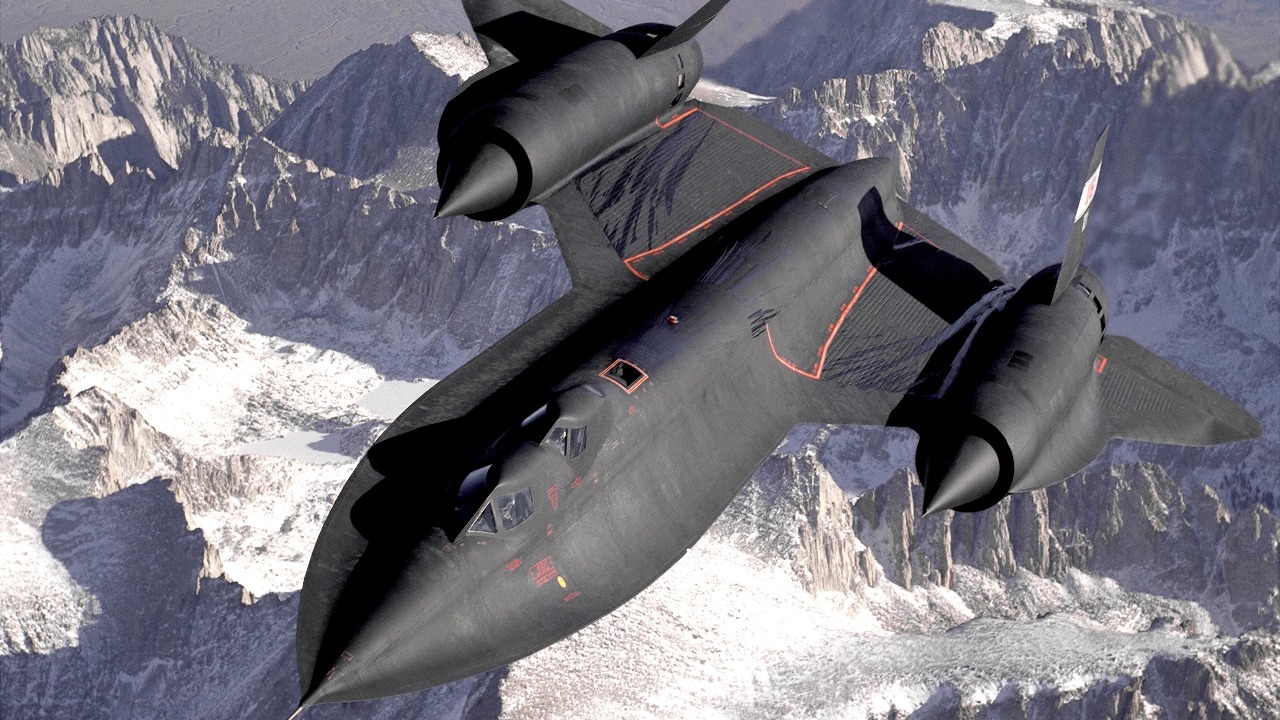
During the tense years of the Cold War, the demand for fast, high-altitude bombers was palpable. The SR-71 Blackbird, with its sleek design and incredible speed, seemed like a fitting candidate to meet this demand. As nations competed for aerial supremacy, the United States considered various ways to exploit the SR-71’s potential beyond reconnaissance. The idea of transforming it into a bomber was rooted in the necessity to deliver payloads quickly and with minimal risk of interception.
To convert the SR-71 into a bomber, significant modifications would have been required. The aircraft’s design would need to accommodate a payload, a challenge given its original purpose as a reconnaissance plane. Proposed modifications included altering the fuselage to carry bombs and developing new bomb release mechanisms that could function at the high speeds and altitudes the SR-71 operated. These changes posed a serious technical challenge, as they needed to maintain the aircraft’s stealth and agility.
Technical Challenges and Limitations
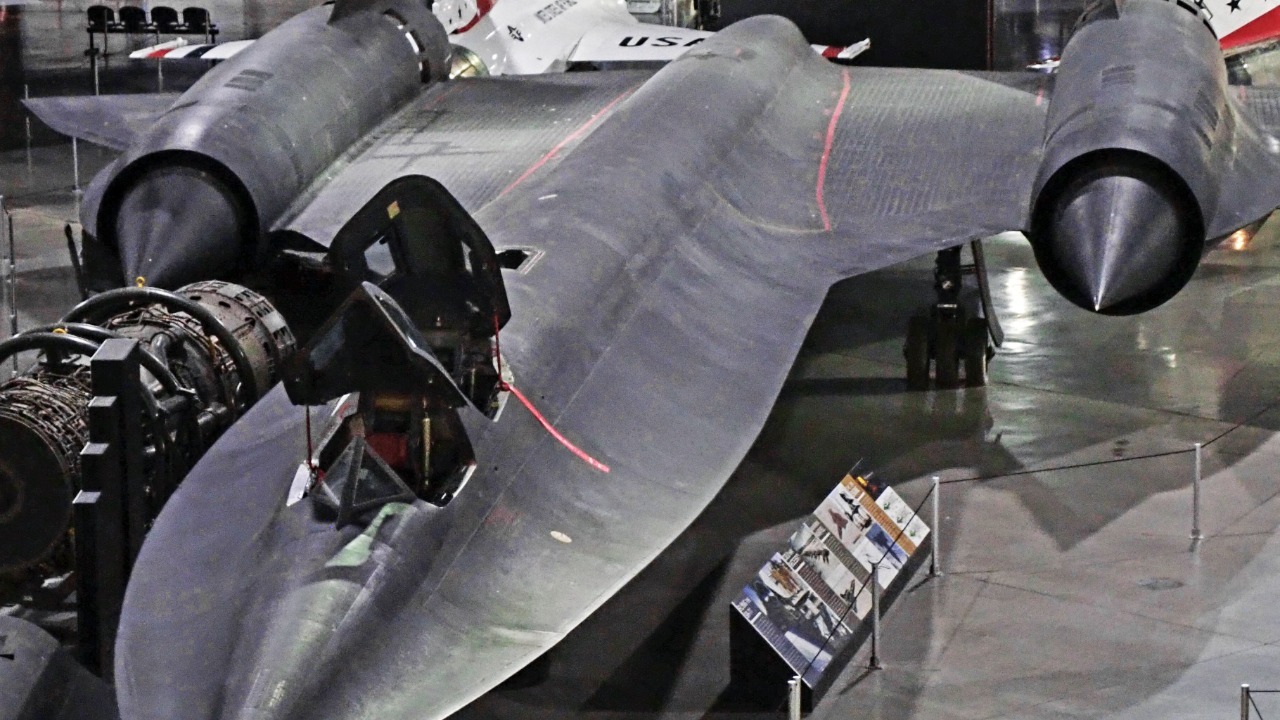
Altering the SR-71’s structure to carry bombs would have required substantial engineering changes. The aircraft’s sleek, narrow design, optimized for speed and altitude, left little room for additional payload. Engineers would have needed to reinforce the fuselage and potentially expand it to accommodate bombs, which could have compromised its aerodynamics. Adding such structural components without impacting the aircraft’s speed and stealth would have been a formidable task.
Performance trade-offs were another significant concern. The SR-71 was designed to fly at speeds exceeding Mach 3, and any additional weight or changes to its aerodynamic profile could have slowed it down. The high altitudes at which it operated also posed challenges for bomb deployment, requiring new technologies to ensure accuracy and effectiveness. Furthermore, integrating bombing capabilities might have diverted focus from the SR-71’s primary reconnaissance function, diluting its effectiveness in either role.
Strategic Implications and Military Considerations
Had the SR-71 been converted into a bomber, its role in U.S. deterrence strategy could have been significant. The aircraft’s speed and altitude would have allowed it to penetrate enemy defenses quickly, potentially delivering a decisive blow before adversaries could respond. This capability might have served as a powerful deterrent, projecting strength and technological superiority during the Cold War’s height. However, the strategic value of such a conversion would have needed to be weighed against the potential costs and risks of compromising the SR-71’s reconnaissance capabilities.
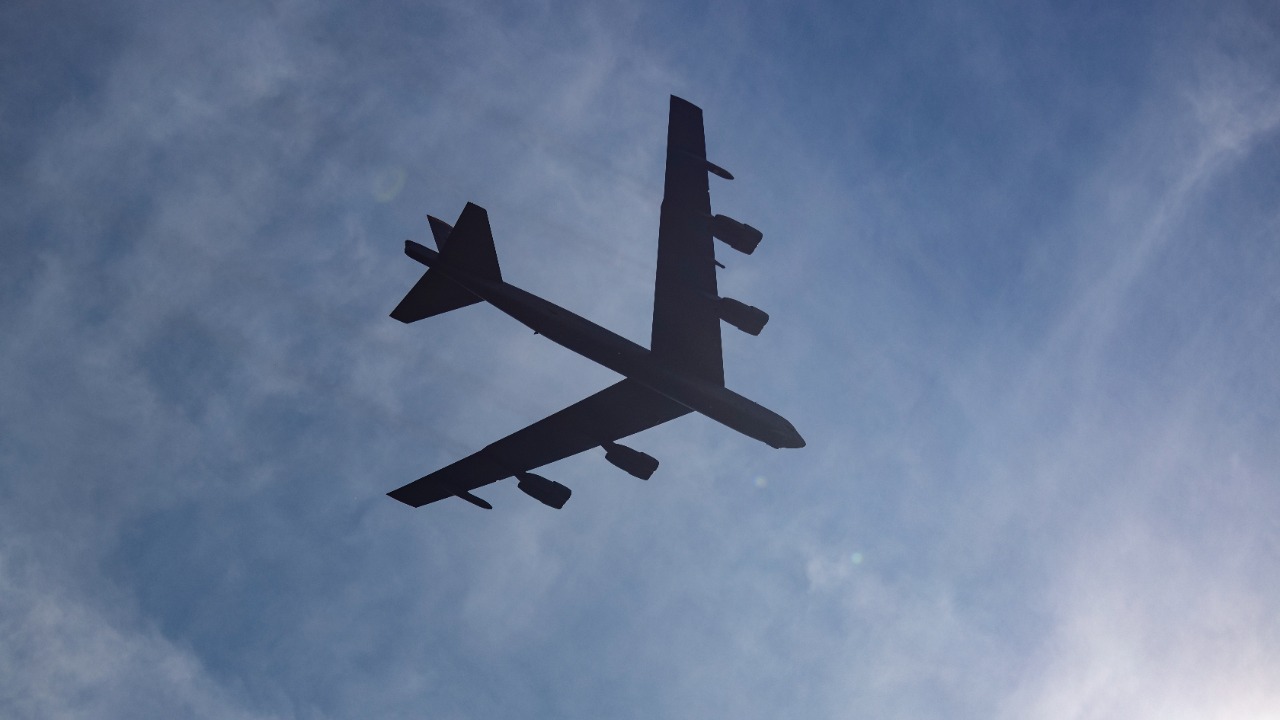
Comparing the potential SR-71 bomber with existing bombers of the time, such as the B-52, highlights some key differences in range, payload, and strategic utility. While the B-52 had a much larger payload capacity and was well-suited for long-range missions, the SR-71’s speed and altitude offered unique advantages in surprise and delivery speed. However, the limited payload capacity of a bomber-variant SR-71 might have restricted its operational effectiveness, especially in missions requiring significant ordinance.
Lessons Learned from the YF-12 Experiment
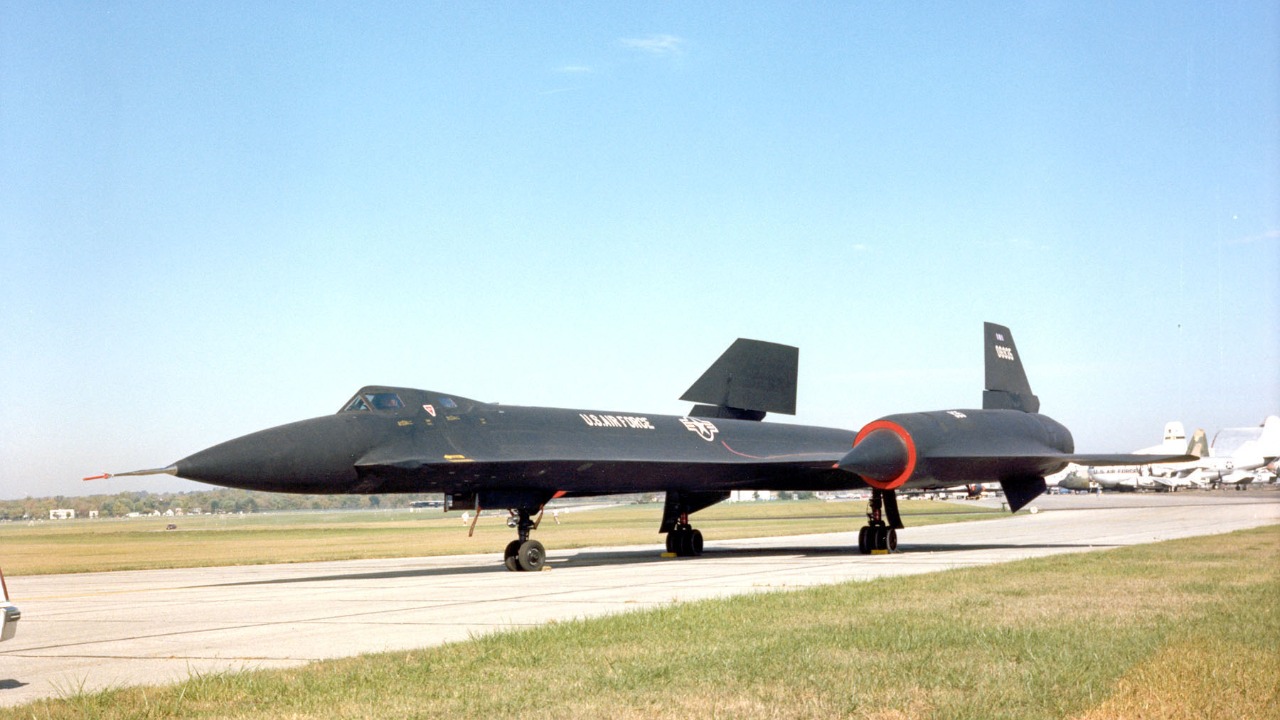
The YF-12 was an interceptor variant of the Blackbird, providing valuable insights into the feasibility of adapting the SR-71 for combat roles. Designed to intercept and destroy enemy aircraft, the YF-12 demonstrated the potential for high-speed, high-altitude military applications of the Blackbird design. However, it also highlighted the challenges and limitations of converting a reconnaissance platform into a combat aircraft, lessons that would have informed any attempt to create a bomber variant.
Despite its promise, the YF-12 program was eventually canceled, partly due to cost and technological challenges. Still, it offered important lessons for future projects, emphasizing the need for specialized designs tailored to specific military roles. The experiences gained from the YF-12 and SR-71 programs continue to inform contemporary aircraft development, as engineers seek to balance speed, stealth, and payload capabilities in new high-speed bomber designs.
The Legacy of the SR-71 in Modern Context
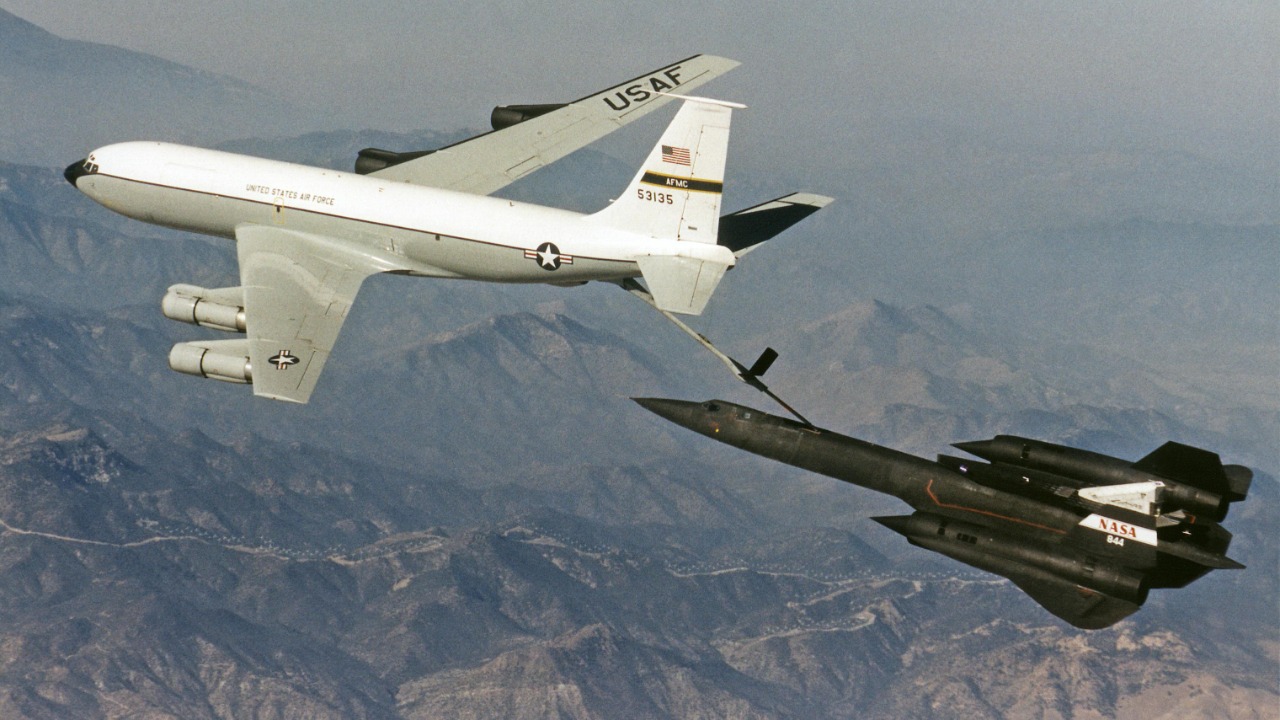
The SR-71 Blackbird’s legacy extends beyond its reconnaissance role, influencing modern aviation and military strategies. Its design and technological innovations serve as a benchmark for contemporary aircraft, inspiring developments in speed, stealth, and high-altitude performance. The SR-71’s enduring influence is evident in modern projects aiming to achieve similar capabilities in a new generation of aircraft.
Reflecting on the possibility of the SR-71 as a bomber raises intriguing questions about military innovation and strategic priorities. Would the SR-71 have effectively served as a bomber? Some experts argue that while technically possible, the trade-offs may have outweighed the benefits. The lessons learned from considering this transformation continue to inform military aviation, underscoring the importance of aligning technological capabilities with strategic objectives.