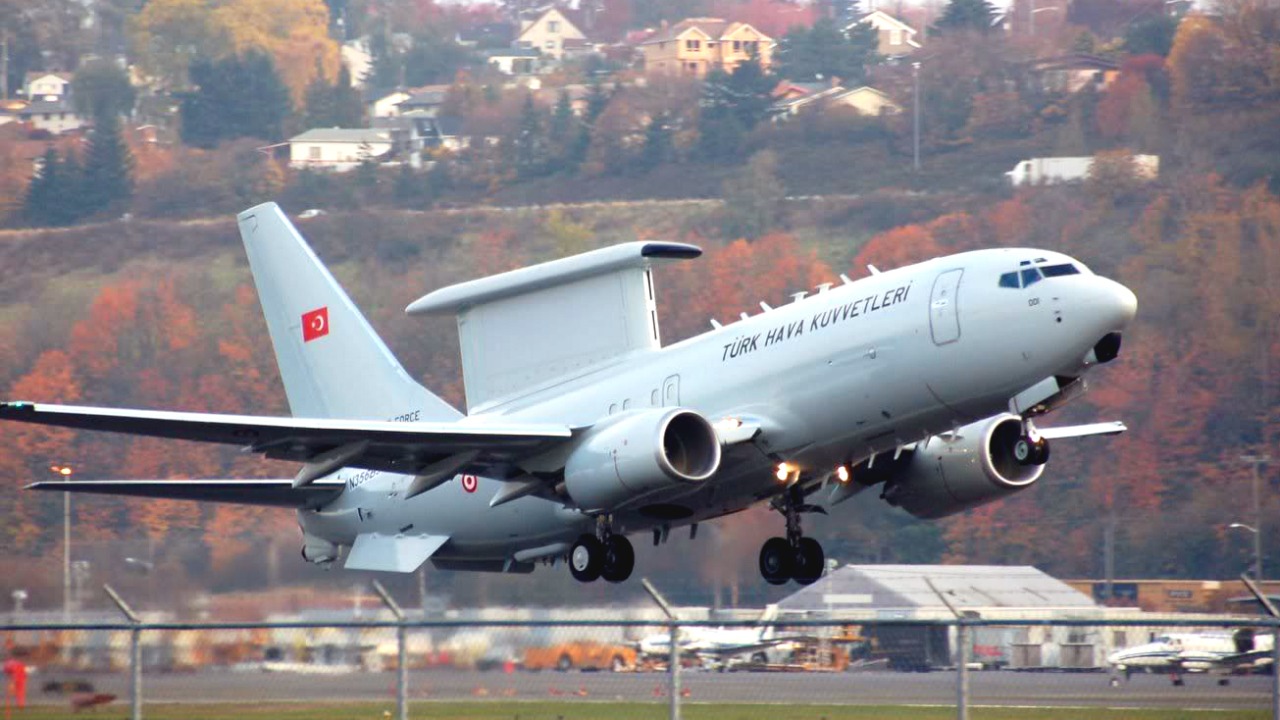

The Boeing Wedgetail is gaining attention for its cutting-edge radar and surveillance capabilities, making it an essential asset in modern warfare. As global geopolitical tensions escalate, this aircraft’s ability to control the skies during potential large-scale conflicts, such as a hypothetical World War III, grows increasingly significant. Its advanced technologies position it as a critical player in the evolving landscape of aerial combat and defense strategy.
Evolution and Development of the Boeing Wedgetail
Origins and Initial Design
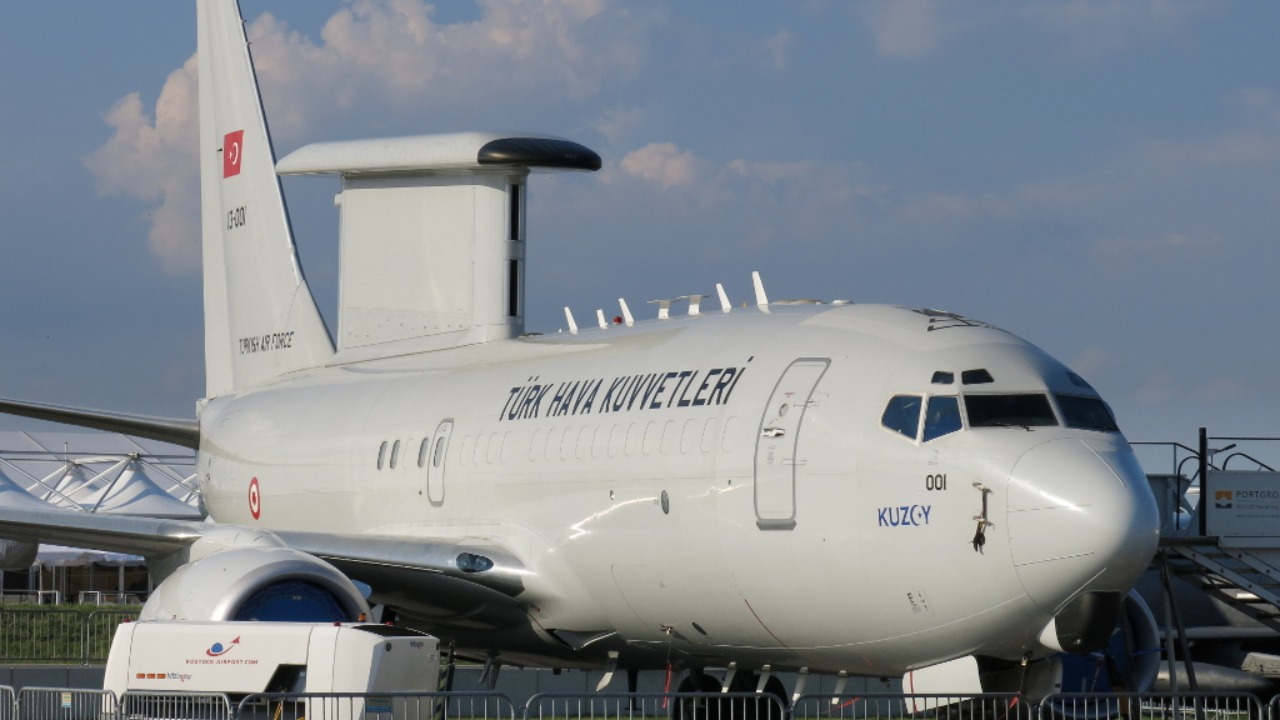
The Boeing Wedgetail’s journey began with the ambition to create a highly advanced airborne early warning and control system. Initially conceptualized in the late 1990s, the design aimed to provide unparalleled surveillance and reconnaissance capabilities. Boeing, in collaboration with various defense agencies, set out to design an aircraft that could meet the growing demands of modern warfare. This partnership fostered a robust exchange of expertise, ensuring that the Wedgetail would incorporate cutting-edge technology to address future threats.
The initial design phase involved rigorous assessments and evaluations to ensure the aircraft could handle complex operations. Boeing worked closely with the Royal Australian Air Force (RAAF), which became one of the primary operators of the Wedgetail. This collaboration was instrumental in refining the aircraft’s capabilities and tailoring its systems to meet specific military needs. The result was an aircraft that not only fulfilled its original design purpose but also exceeded expectations in terms of performance and versatility.
Key Technological Advancements
One of the most significant advancements in the Boeing Wedgetail is its integration of state-of-the-art radar systems. The Multirole Electronically Scanned Array (MESA) radar provides the aircraft with exceptional detection capabilities, allowing it to identify threats over vast distances. This radar system is complemented by advanced electronic warfare capabilities, enabling the Wedgetail to operate effectively in hostile environments and counter potential adversaries.
Over time, the Wedgetail has seen improvements in its communication and data link technologies. These enhancements ensure seamless information sharing between the aircraft and other military assets, facilitating real-time intelligence dissemination to commanders. The continuous evolution of these technologies underscores the Wedgetail’s role as a formidable force multiplier in modern aerial operations.
Strategic Importance in Modern Warfare
Surveillance and Reconnaissance Capabilities
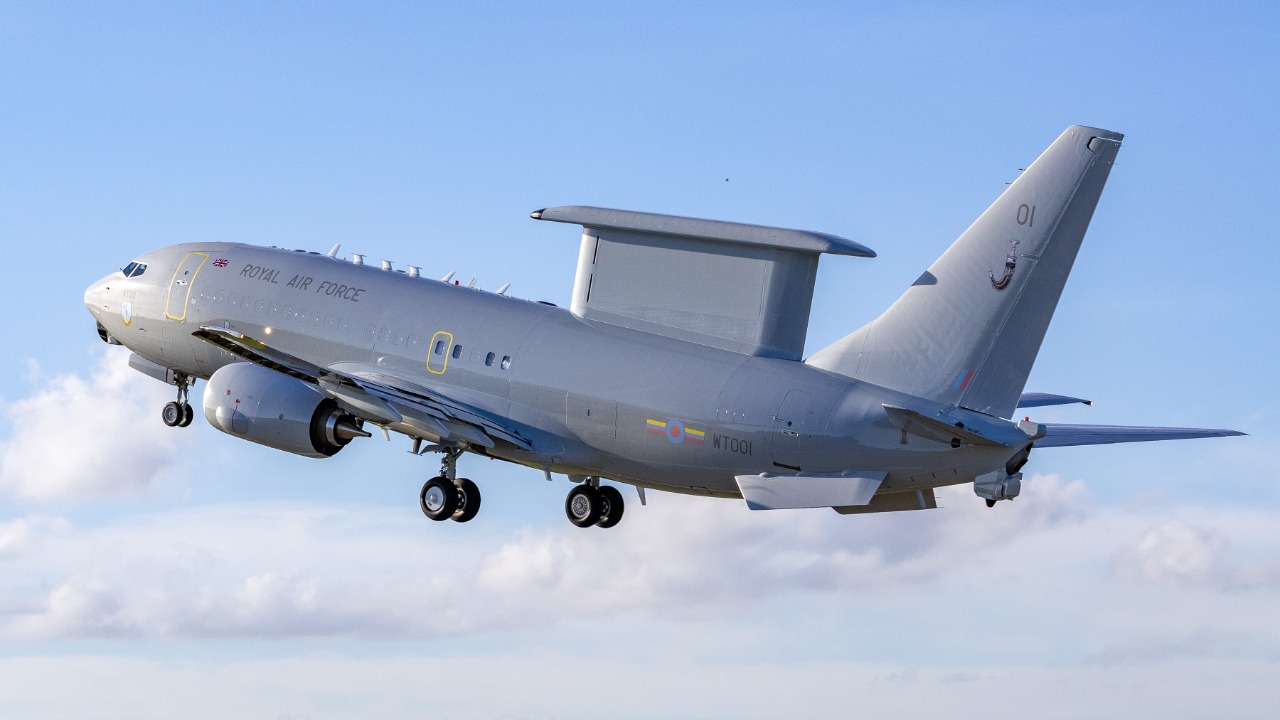
The Boeing Wedgetail’s radar system is central to its surveillance and reconnaissance capabilities. With a range that extends beyond 400 kilometers, the aircraft can detect and track multiple targets simultaneously. This advanced radar allows the Wedgetail to monitor airspace, providing critical data to military commanders and enhancing their situational awareness. In a scenario like World War III, such capabilities would be invaluable for maintaining air superiority and ensuring the safety of allied forces.
Real-time intelligence is a cornerstone of modern warfare, and the Wedgetail excels in this area. By continuously gathering and analyzing data, the aircraft provides commanders with up-to-the-minute insights into the battlefield. This capability enables more informed decision-making and allows military leaders to adapt their strategies in response to evolving threats. The Wedgetail’s ability to deliver real-time intelligence makes it an indispensable asset in any military operation.
Command and Control Functionality
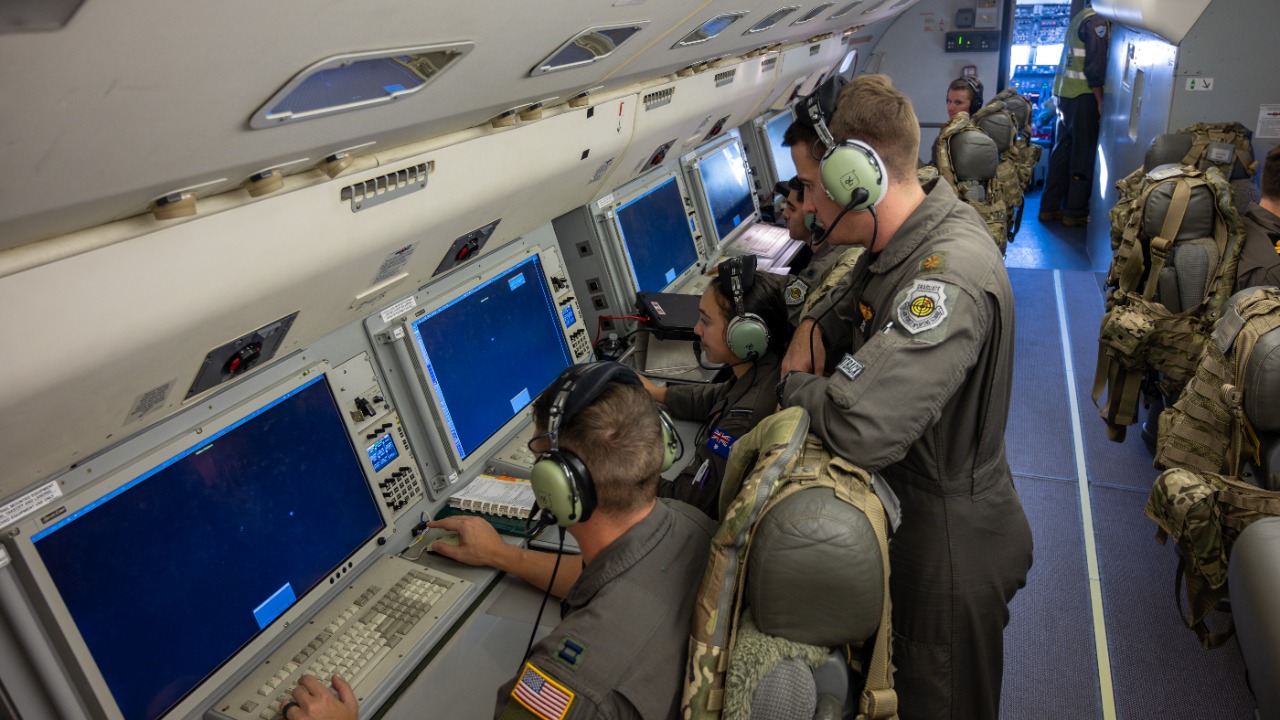
The Wedgetail serves as a flying command post, coordinating air, sea, and land forces with remarkable efficiency. Its onboard systems enable seamless communication between various military branches, ensuring that operations are conducted with precision and coordination. This command and control functionality is particularly crucial in complex theater operations, where the ability to direct multiple assets simultaneously can be the difference between success and failure.
In addition to its coordination capabilities, the Wedgetail provides a secure platform for commanders to make strategic decisions. The aircraft’s advanced communication systems allow for encrypted data transmission, ensuring that sensitive information remains protected. This secure environment enables military leaders to plan and execute operations with confidence, knowing that their communications are shielded from potential adversaries.
Comparative Analysis with Competing Aircraft
The Saab GlobalEye as a Challenger
While the Boeing Wedgetail is a formidable aircraft, it faces competition from other advanced systems, notably the Saab GlobalEye. The GlobalEye is designed to provide similar capabilities, with a focus on multi-domain surveillance and reconnaissance. However, the Wedgetail offers several advantages that give it an edge over its competitors. For instance, the MESA radar system provides superior detection range and accuracy, making it a more effective tool for early warning and threat assessment.
Another factor that distinguishes the Wedgetail is its integration with existing defense networks. The aircraft is designed to operate seamlessly with allied forces, enhancing interoperability and ensuring smooth coordination during joint operations. This capability is particularly valuable in coalition environments, where effective communication and collaboration are essential for mission success. For more insights into how the Saab GlobalEye compares, visit Saab GlobalEye Challenge.
Cost and Operational Efficiency
In addition to its technological advantages, the Boeing Wedgetail offers cost and operational efficiencies that make it an attractive option for military forces worldwide. While the initial investment in the aircraft is significant, its long-term operational costs are relatively low compared to other platforms. This cost-effectiveness is due in part to the Wedgetail’s modular design, which allows for easy upgrades and maintenance.
Operational sustainability is another key consideration for military planners. The Wedgetail’s robust design ensures that it can withstand the rigors of continuous operations, reducing the need for costly repairs and downtime. These factors contribute to the aircraft’s overall cost-efficiency, making it a viable option for nations seeking to enhance their aerial command and control capabilities without incurring excessive expenses. For a deeper dive into the operational aspects of the Wedgetail, explore this resource.
Global Deployment and Alliances
Current Operators and Their Strategic Use
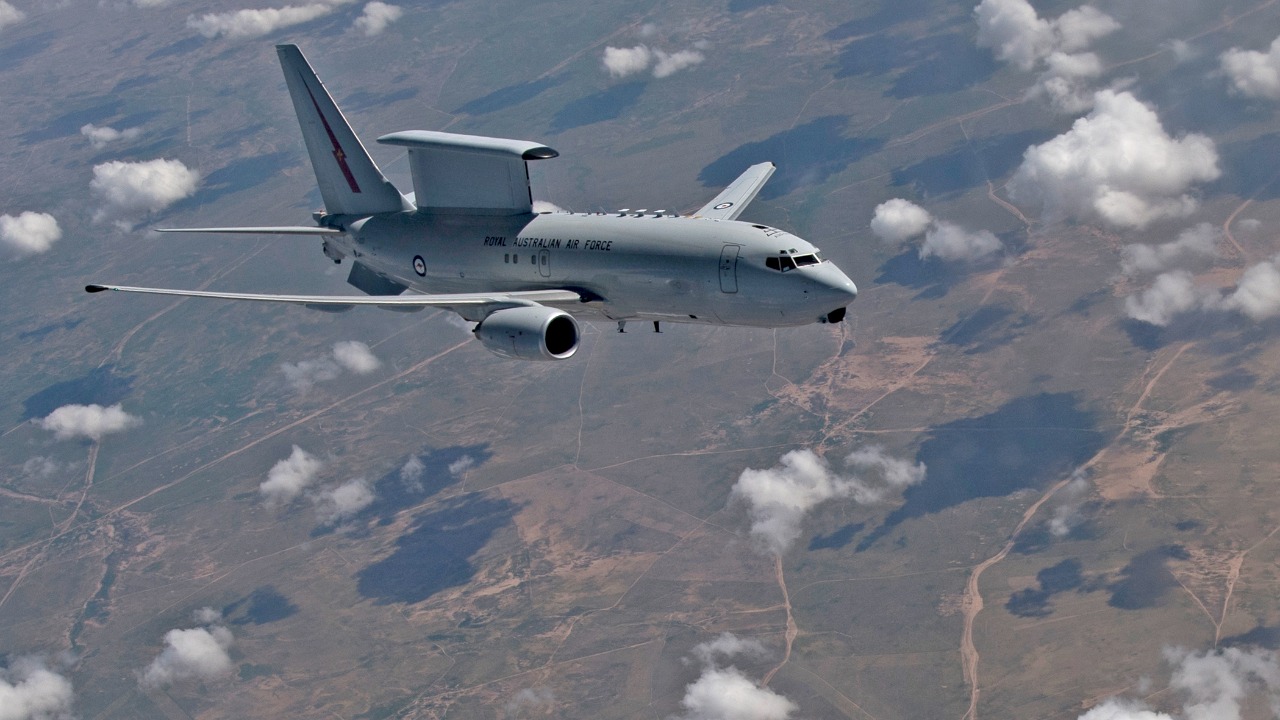
The Boeing Wedgetail is currently operated by several countries, each leveraging its capabilities to enhance their national defense strategies. The Royal Australian Air Force was the first to adopt the Wedgetail, utilizing it to bolster its surveillance and reconnaissance capabilities in the Asia-Pacific region. Australia’s strategic use of the Wedgetail underscores the aircraft’s value in maintaining regional stability and deterring potential threats.
Other nations, such as South Korea and Turkey, have also integrated the Wedgetail into their military operations. These countries recognize the aircraft’s potential to enhance their command and control capabilities, allowing them to respond more effectively to regional conflicts and crises. The Wedgetail’s deployment in various exercises and operations further demonstrates its versatility and adaptability in different military contexts. For more detailed information on the strategic use of the Wedgetail, check out this article.
Future Prospects and International Collaborations
As the Boeing Wedgetail continues to prove its worth on the global stage, interest from other countries is likely to increase. Potential new markets include nations seeking to modernize their air forces and enhance their aerial command and control capabilities. The aircraft’s proven track record and advanced technology make it an attractive option for countries looking to strengthen their defense posture.
International collaborations are also on the horizon, with joint training exercises and operational strategies being developed to maximize the Wedgetail’s potential. These partnerships not only enhance the capabilities of individual countries but also contribute to global security efforts. By fostering cooperation and coordination among allied forces, the Wedgetail plays a key role in promoting peace and stability worldwide. For more on the Wedgetail’s global impact, visit the RAF Museum.
Challenges and Criticisms

Technical and Operational Limitations
Despite its many strengths, the Boeing Wedgetail is not without its challenges. Technical limitations have been reported, including issues with the aircraft’s radar system and software integration. These challenges can impact the Wedgetail’s performance, necessitating ongoing maintenance and upgrades to ensure optimal functionality. Feedback from operators highlights the need for continuous improvement to address these technical shortcomings.
Operational limitations are another area of concern. The Wedgetail’s reliance on complex systems and technology requires highly trained personnel to operate effectively. This dependency can pose challenges for countries with limited resources or expertise. To maintain the aircraft’s capabilities, operators must invest in training and development programs to ensure their personnel can manage the Wedgetail’s advanced systems.
Political and Ethical Considerations
The export and use of advanced military technology like the Boeing Wedgetail raise important political and ethical questions. Debates surrounding the proliferation of such technology focus on the potential for misuse and the implications of arming nations with sophisticated surveillance capabilities. These concerns highlight the need for careful consideration and regulation when exporting the Wedgetail to other countries.
Ethical considerations also come into play, particularly in the context of global military engagements. The use of advanced surveillance and reconnaissance technology raises questions about privacy and the potential for civilian harm. As nations navigate these complex issues, it is essential to balance the benefits of advanced military technology with the ethical responsibilities that come with its use. For an in-depth exploration of these topics, refer to this analysis.
The Future of Aerial Command and Control
Innovations on the Horizon
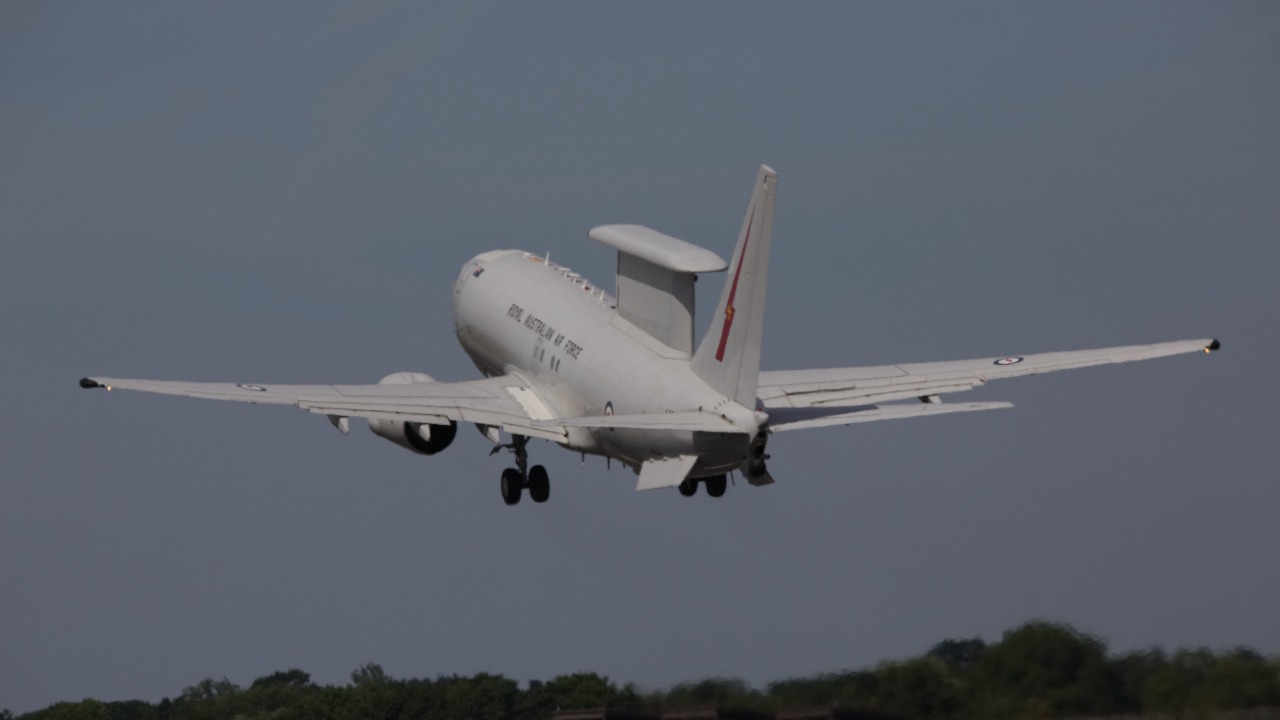
The future of the Boeing Wedgetail is bright, with several innovations on the horizon that promise to enhance its capabilities. Upcoming technological upgrades include advancements in radar and electronic warfare systems, which will further improve the aircraft’s detection and communication abilities. These enhancements are poised to make the Wedgetail an even more formidable force in aerial command and control.
Artificial intelligence (AI) and machine learning are also set to play a significant role in the Wedgetail’s future operations. By integrating AI technologies, the aircraft can process and analyze data more efficiently, leading to faster decision-making and improved situational awareness. These innovations will ensure that the Wedgetail remains at the forefront of aerial warfare technology, capable of adapting to the ever-changing landscape of military operations.
Imagining the Next Generation
As technology continues to evolve, the Boeing Wedgetail will likely undergo significant transformations. The next generation of aerial command platforms may feature even more advanced systems, incorporating cutting-edge technologies that are currently in development. These advancements have the potential to revolutionize the dynamics of air warfare, providing military forces with unprecedented capabilities.
Speculating on the future of the Wedgetail and similar platforms, it is clear that emerging technologies will play a pivotal role in shaping the next era of aerial combat. By embracing these innovations, nations can ensure that their military forces remain at the forefront of defense strategy, prepared to face the challenges of the future. As we look to the horizon, the Boeing Wedgetail stands as a testament to the power of innovation in shaping the future of warfare.