
The SR-71 Blackbird, an icon of aerospace engineering, pushed the boundaries of speed and altitude when it first took flight in the 1960s. Among its many groundbreaking features, the windshield of this legendary jet holds particular significance. It combines advanced materials and design to meet the extreme demands of high-speed, high-altitude flight, setting a benchmark in military aviation technology.
The Engineering Marvel
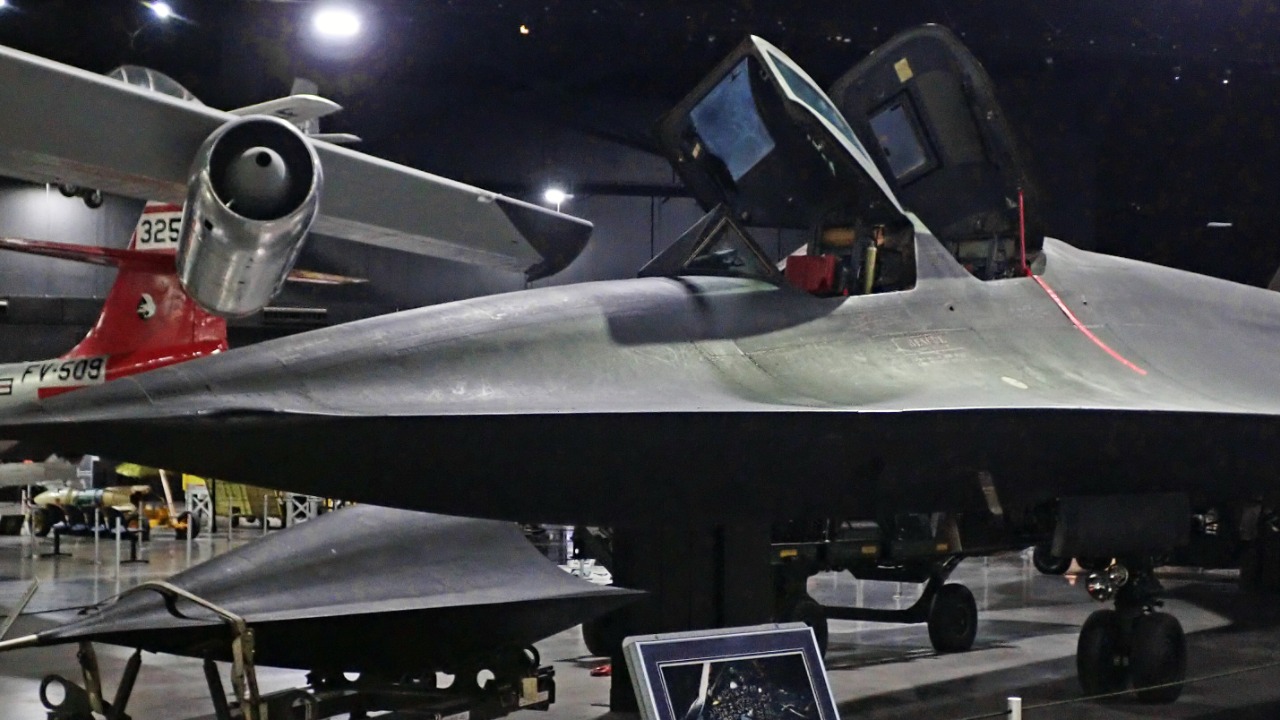
The SR-71 Blackbird’s windshield is an engineering marvel primarily due to its material composition. Unlike standard aircraft windshields, which typically use conventional glass, the SR-71 employs a combination of quartz and high-strength glass. This choice of materials was crucial in allowing the windshield to withstand the extreme conditions encountered at Mach speeds. Quartz is known for its durability and thermal stability, making it ideal for enduring the intense heat generated during high-speed flight.
Heat resistance is another critical aspect of the SR-71’s windshield. As the jet travels at speeds exceeding Mach 3, the friction with the air causes surface temperatures to soar beyond 600 degrees Fahrenheit. The specialized quartz and glass composite ensures that the windshield remains intact and clear, even under these punishing conditions. This heat resilience is vital not just for the structural integrity of the windshield but also for maintaining the safety and comfort of the pilots inside the cockpit.
The design of the windshield also incorporates advanced pressure and stress management features. At the high altitudes where the SR-71 operates, pressure differentials can be significant. The windshield is engineered to withstand these stresses, ensuring that it does not crack or fail under pressure. This capability is essential for maintaining the aircraft’s performance and the crew’s safety in tumultuous flight conditions.
Optical Clarity and Pilot Safety

Maintaining optical clarity at high speeds is non-negotiable for the SR-71 Blackbird. The pilots rely heavily on their vision to navigate and perform complex maneuvers at speeds where milliseconds count. The windshield’s unique material composition allows it to remain crystal clear, minimizing distortions that could impede the pilot’s view and ensuring that they can make split-second decisions with confidence.
High-altitude flight exposes pilots to increased levels of ultraviolet (UV) and cosmic radiation. The SR-71’s windshield is designed with protective features to guard against these hazards. By integrating materials that block harmful UV rays and reduce radiation exposure, the windshield plays a crucial role in safeguarding the health and well-being of the pilots during their missions.
Impact resistance is another vital characteristic of the SR-71’s windshield. At high speeds, even small debris or bird strikes can pose significant risks. The robust construction of the windshield ensures that it can withstand such impacts, preserving the structural integrity of the cockpit and protecting the pilots from potential harm. This level of durability is a testament to the advanced engineering that went into the design of the SR-71.
Technological Innovations
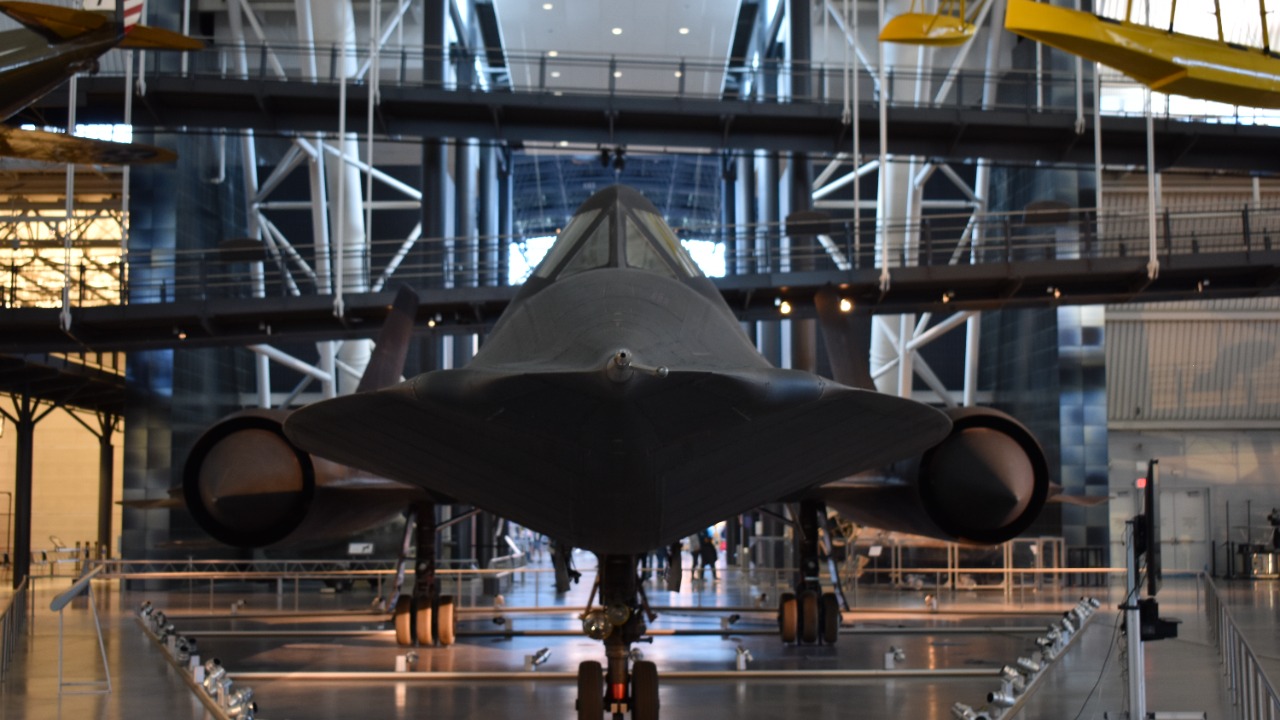
The development and testing of the SR-71’s windshield were rigorous and extensive. Engineers subjected the materials and design to a battery of tests to ensure that they could withstand the extreme conditions of high-speed flight. This process involved simulating the intense heat, pressure, and stress that the aircraft would encounter, allowing engineers to refine and perfect the windshield’s design before integrating it into the final aircraft.
The windshield’s design seamlessly integrates with the SR-71’s advanced avionics, contributing to the aircraft’s overall performance. By providing a clear, unobstructed view of the surroundings, it enhances the pilot’s situational awareness and ability to interact with the aircraft’s systems. This synergy between the windshield and avionics is a hallmark of the SR-71’s cutting-edge design.
The legacy of the SR-71’s windshield technology extends beyond the aircraft itself. Its innovations set a new standard for military aviation, influencing the design of subsequent aircraft. The techniques and materials developed for the SR-71 have been adapted and refined in modern aerospace engineering, demonstrating the lasting impact of this remarkable piece of aviation history.
Historical Context and Legacy
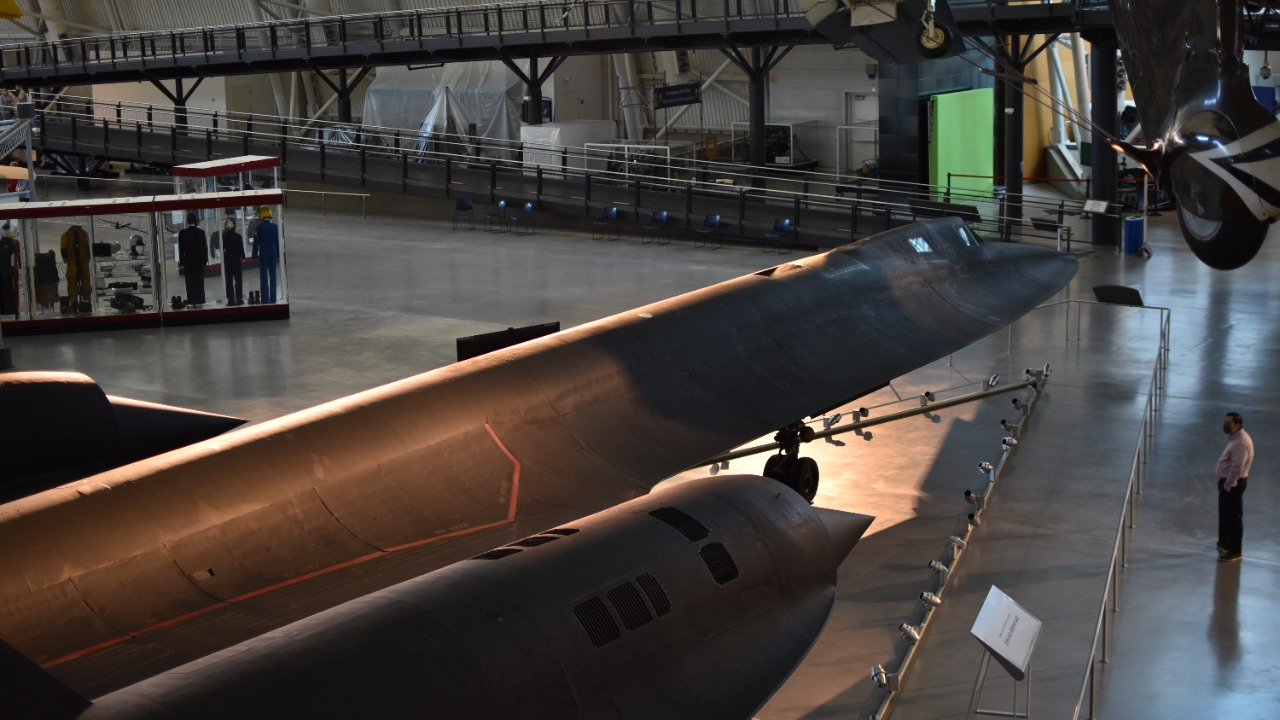
When compared with contemporaries, the SR-71’s windshield stands out as a superior achievement. Many aircraft from the same era did not incorporate the advanced materials or engineering solutions found in the SR-71. This difference highlights the groundbreaking nature of the Blackbird’s design and its role as a pioneer in high-speed flight technology.
The cultural and technological impact of the SR-71 and its unique windshield cannot be overstated. During the Cold War, the SR-71 symbolized American innovation and dominance in aerospace technology. The windshield, as a critical component of the aircraft, played a significant role in this narrative, embodying the advanced engineering that made the SR-71 a formidable tool in reconnaissance and intelligence gathering.
The mystique surrounding the SR-71, and features like its windshield, continues to captivate enthusiasts and engineers today. The aircraft’s ability to push the limits of what was possible in aviation has inspired countless individuals and projects. Its unique design elements, including the windshield, remain subjects of fascination and study, underscoring the enduring legacy of this remarkable aircraft.
Challenges and Limitations
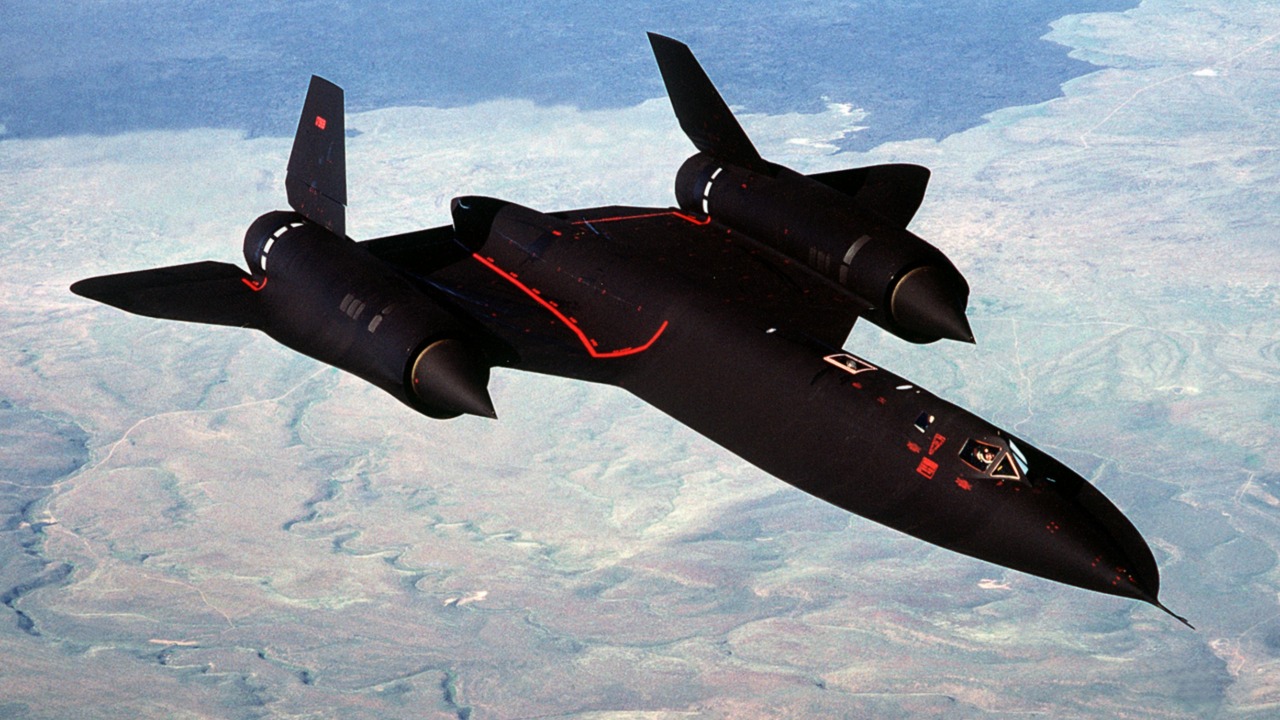
The manufacturing of the SR-71’s advanced windshield presented several challenges. The complexity of working with materials like quartz and high-strength glass required innovative manufacturing techniques and meticulous quality control. Despite these efforts, the production process was not without its limitations, and engineers had to continuously refine their methods to achieve the desired level of performance and reliability.
Maintenance and durability issues were also concerns during the SR-71’s operational life. The extreme conditions faced during flight meant that the windshield was subjected to significant wear and tear. Regular maintenance and inspections were necessary to ensure that the windshield remained in optimal condition. These requirements, while demanding, were essential for maintaining the safety and performance of the aircraft.
Lessons learned from the SR-71’s windshield design have informed modern aerospace engineering practices. The challenges encountered and overcome during the development of the SR-71 have provided valuable insights into material science and engineering, influencing the design of modern aircraft. These lessons continue to shape the future of aviation, demonstrating the lasting influence of the SR-71’s pioneering design.
