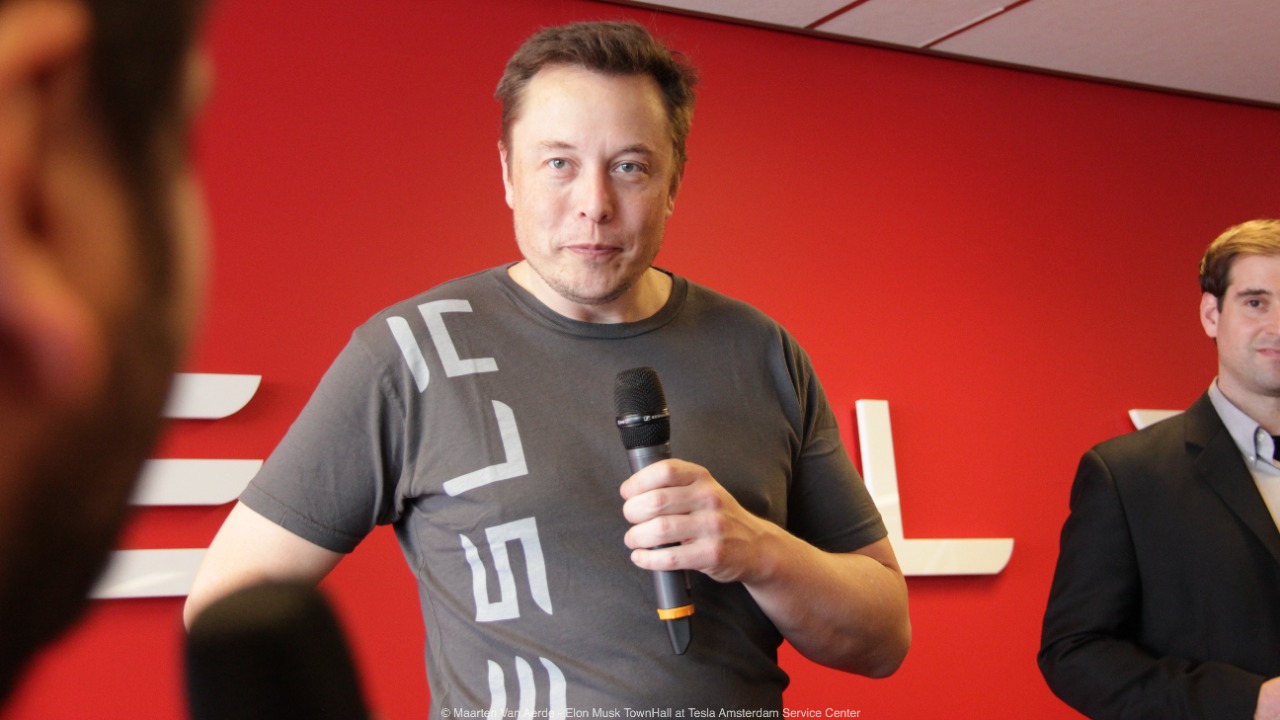

The notion that our universe might be an intricate simulation is not just science fiction anymore. Billionaire entrepreneur Elon Musk has made headlines by suggesting there’s a high probability we are living in a simulated reality. Musk’s perspective has not only sparked intrigue but has also invited a deeper dive into the scientific and philosophical underpinnings of such a provocative idea.
The Case for Simulation Theory

Technological advancements have dramatically transformed our world, making the once unimaginable a reality. Virtual reality and artificial intelligence are prime examples of how technology is evolving rapidly. The Oculus Rift and AI platforms like OpenAI’s GPT-5 offer glimpses into how immersive digital environments can become. As these technologies progress, the idea of creating a universe indistinguishable from our own becomes increasingly plausible. If we assume technological progress continues unabated, the possibility of simulating consciousness within these environments becomes a question of “when” rather than “if.”
Philosophically, the simulation hypothesis is rooted in the argument that if it is possible to create a simulated reality, then it is statistically probable that we are already living in one. This argument, popularized by philosopher Nick Bostrom, suggests that if future civilizations possess the ability to run numerous simulations of their ancestors, then the number of simulated realities would vastly outnumber the single base reality. Consequently, it follows that the odds are overwhelmingly in favor of us inhabiting one of these simulations.
Elon Musk, a prominent proponent of this theory, has expressed his views publicly, asserting that “the odds that we are in base reality is one in billions.” Musk’s reasoning is grounded in the rapid advancement of video games and the exponential growth of computational power. He argues that if such progress continues, it is inevitable that future civilizations will create simulations indistinguishable from reality. Musk’s views, which he discussed in a now-famous interview at the Code Conference, have sparked both fascination and skepticism among the public and scientific community alike.
Scientific Perspectives on Simulation Theory
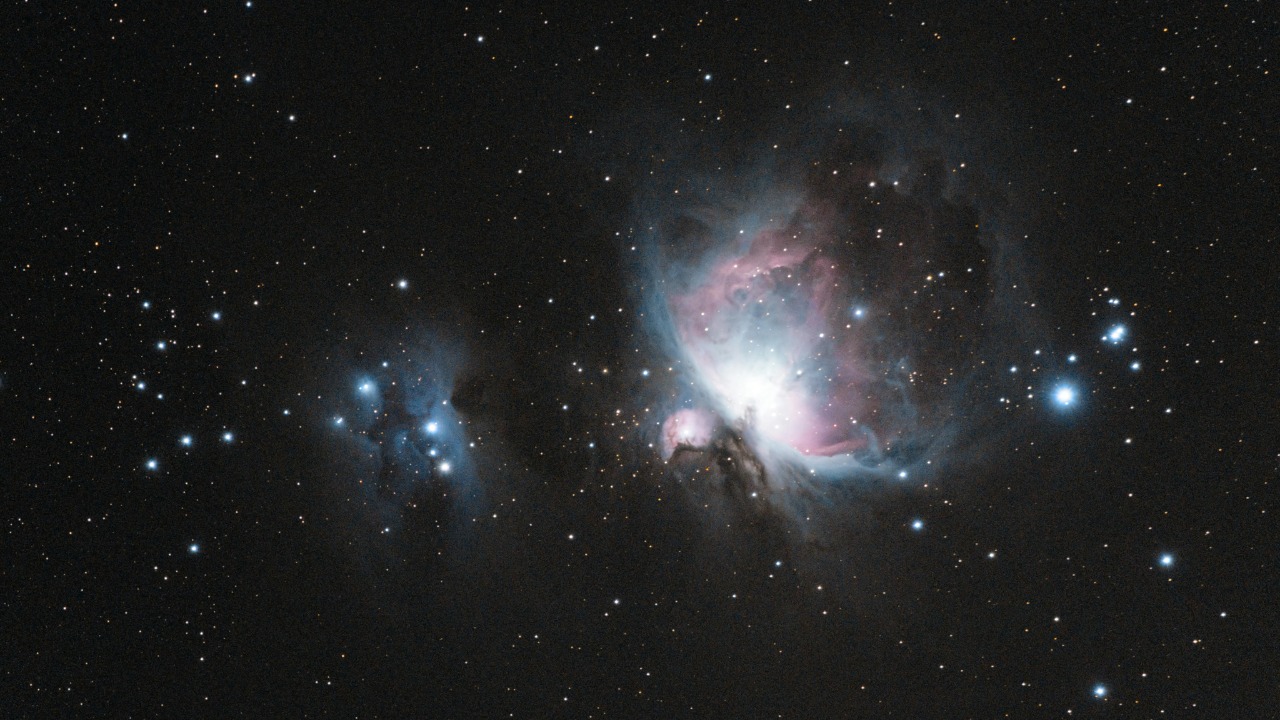
Theoretical physics offers intriguing insights that could lend support to the simulation hypothesis. Concepts from quantum mechanics, such as wave function collapse and entanglement, suggest that reality at its most fundamental level may not be as “real” as it appears. Some physicists, like James Gates, have pointed out that the mathematical frameworks underlying the universe bear resemblance to computer code, leading to speculation about the nature of reality itself.
Expert opinions on the simulation hypothesis vary widely. While some scientists, like Neil deGrasse Tyson, consider the idea plausible, others remain skeptical. Critics argue that the sheer computational power required to simulate an entire universe makes the hypothesis unlikely. However, a growing number of scientists are open to exploring the possibility, recognizing that advances in technology might one day provide the tools needed to test the hypothesis empirically.
The concept of a participatory universe, as proposed by physicist John Archibald Wheeler, contrasts with the idea of a simulated universe. In a participatory universe, observers play a fundamental role in shaping reality. This theory suggests that reality is not a pre-existing construct but rather something that emerges through interaction. While it does not directly support the simulation hypothesis, it highlights the complexity and mystery surrounding the nature of reality. For more on this, you can explore the differences between a participatory and simulated universe.
The Impact of Simulation Theory on Society and Ethics

Contemplating the simulation hypothesis raises profound philosophical and ethical questions. If we accept the possibility that our reality is simulated, it could fundamentally alter our understanding of existence and our place in the universe. Ethical norms might shift as people grapple with the implications of living in a reality that could be artificially constructed. This could influence everything from personal identity to our approach to scientific inquiry.
Societal reactions to the simulation theory are varied. Some individuals find the idea exhilarating, viewing it as a call to explore and expand human potential. Others perceive it as unsettling, questioning the authenticity of their experiences. The potential impact on human behavior is significant; for instance, people might prioritize different values if they believe their actions are being observed by an external entity controlling the simulation.
The belief in the simulation hypothesis could also drive technological development. If people are motivated by the possibility of interacting with or understanding the simulators, it might spur innovations aimed at enhancing our ability to perceive or manipulate the fabric of reality. This could lead to breakthroughs in areas like quantum computing or virtual reality, ultimately advancing scientific research in unexpected ways.
Critiques and Counterarguments to the Simulation Hypothesis
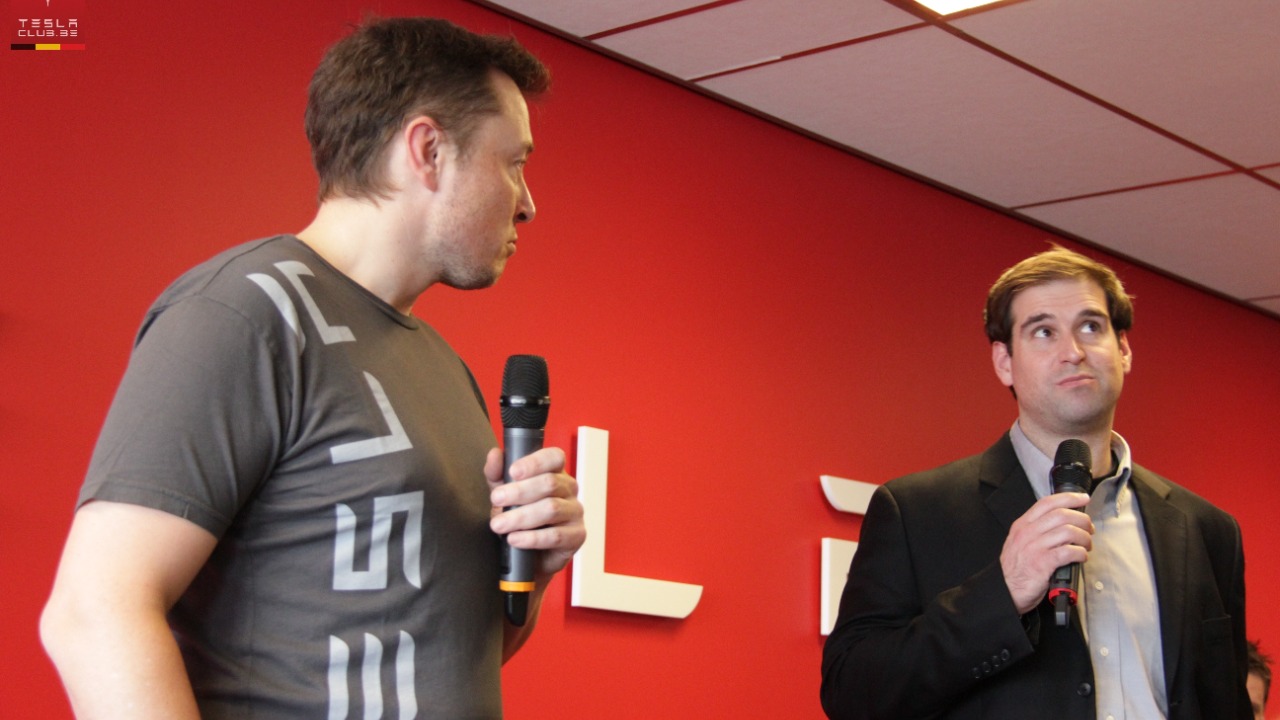
Despite its allure, the simulation hypothesis faces substantial criticism. Many scientists argue that the resources required to simulate an entire universe are so vast that it renders the hypothesis implausible. Additionally, there are logical paradoxes that arise when considering a simulated universe, such as the infinite regress problem: if our universe is a simulation, what created the “real” universe in which the simulation runs?
Critics also point out that the hypothesis lacks empirical evidence. While it is a fascinating thought experiment, some argue it is unfalsifiable, making it more akin to a philosophical musing than a scientific theory. Logical inconsistencies further challenge the hypothesis, as the very act of questioning reality presupposes a stable framework from which to assess it.
Alternative theories about the nature of reality offer different perspectives that challenge the simulation hypothesis. For example, the multiverse theory posits that multiple, possibly infinite, universes exist, each with its own set of physical laws. This view provides a different explanation for the complexities and peculiarities observed in our universe, suggesting that what we perceive as reality might be just one of many possible configurations. To explore more on this, you can refer to the debate surrounding Elon Musk’s views on the simulation.
The Future of the Simulation Debate
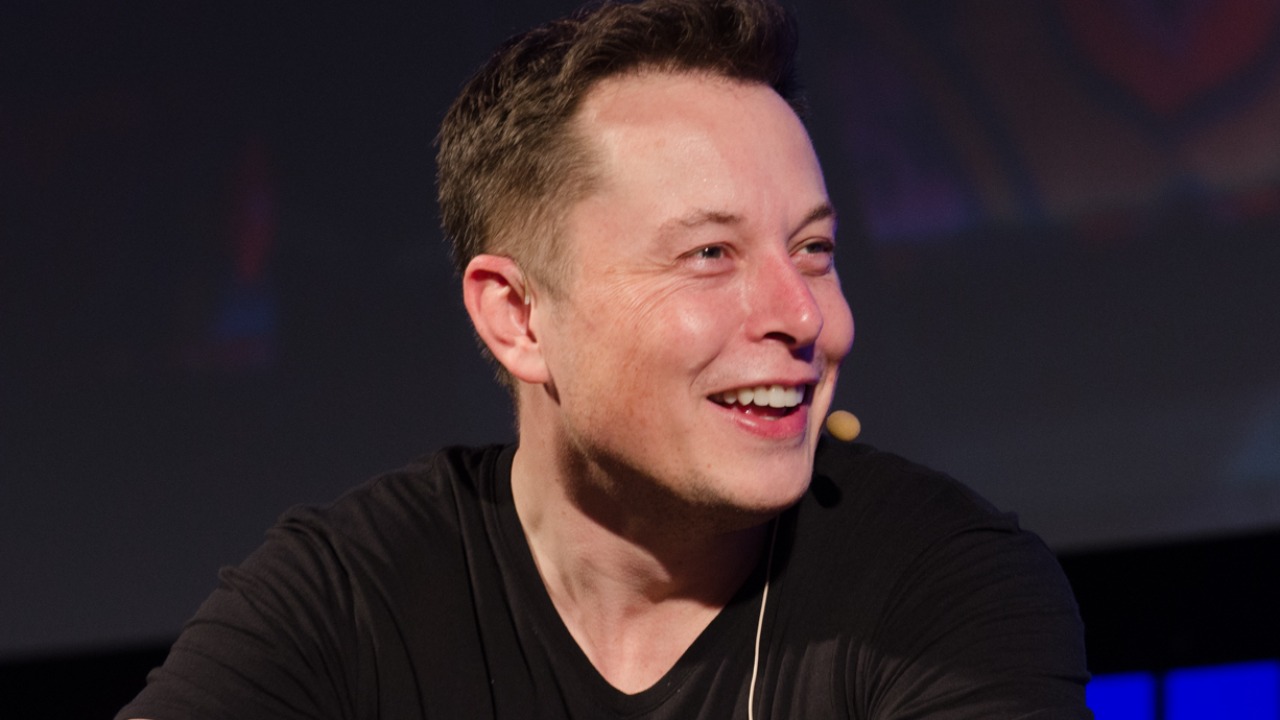
The debate over the simulation hypothesis is far from settled. Ongoing research and experiments aim to either substantiate or refute the theory, with scientists exploring innovative ways to test the nature of reality. For instance, researchers are investigating whether anomalies in physical laws might indicate a simulated framework, offering potential avenues for empirical validation.
Several technological milestones could lend credence to or debunk the simulation hypothesis. Developments in quantum computing, for example, might provide the computational power necessary to simulate complex systems, shedding light on the feasibility of simulating a universe. Additionally, advancements in neuroscience could help us understand consciousness better, addressing whether it can be artificially replicated.
The human quest to understand the nature of reality is ongoing, and the simulation debate plays a significant role in this journey. As technology continues to evolve and our understanding of the universe deepens, the question of whether we live in a simulation might one day be answered. Until then, the discussion serves as a catalyst for exploring the boundaries of human knowledge and the mysteries of existence. For further insights, you might want to read this exploration of simulation theory in scientific literature.