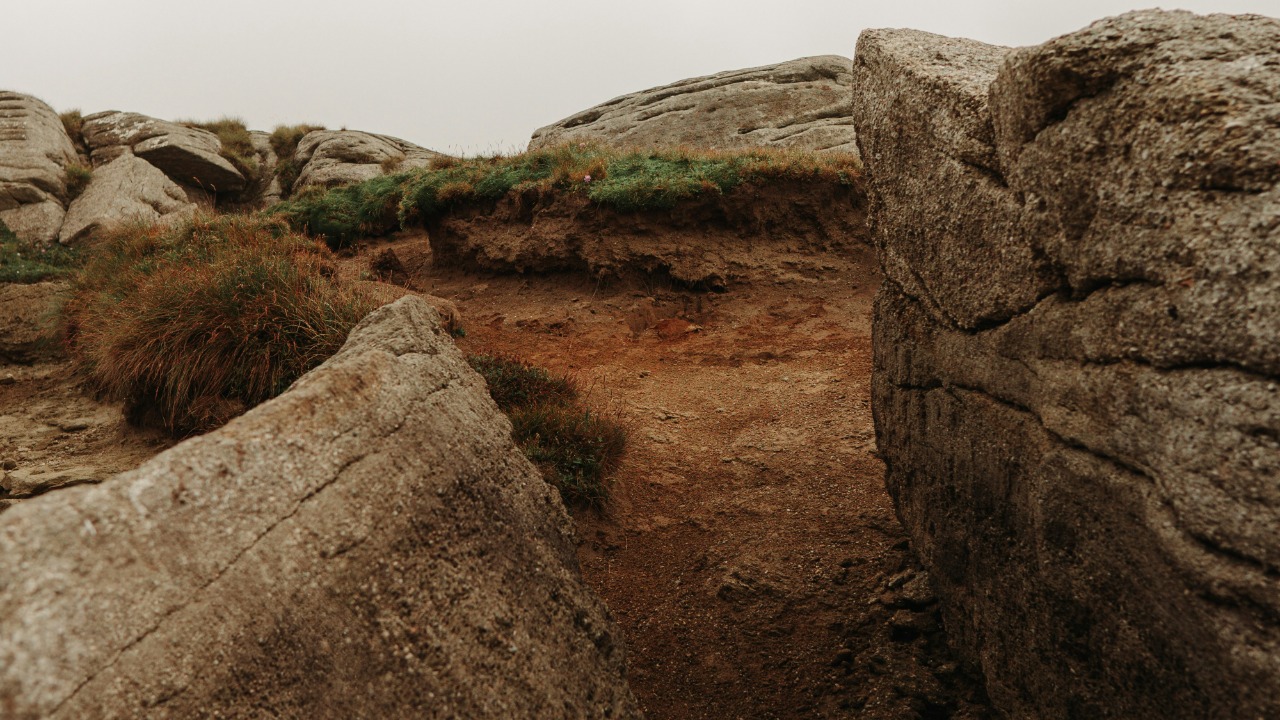

Deep within the rocky embrace of a towering cliff, archaeologists have uncovered a long-hidden ancient temple, sparking excitement and intrigue among historians and cultural enthusiasts. This remarkable discovery not only sheds light on the architectural prowess of ancient civilizations but also offers a unique glimpse into the religious and cultural practices of the time.
The Discovery
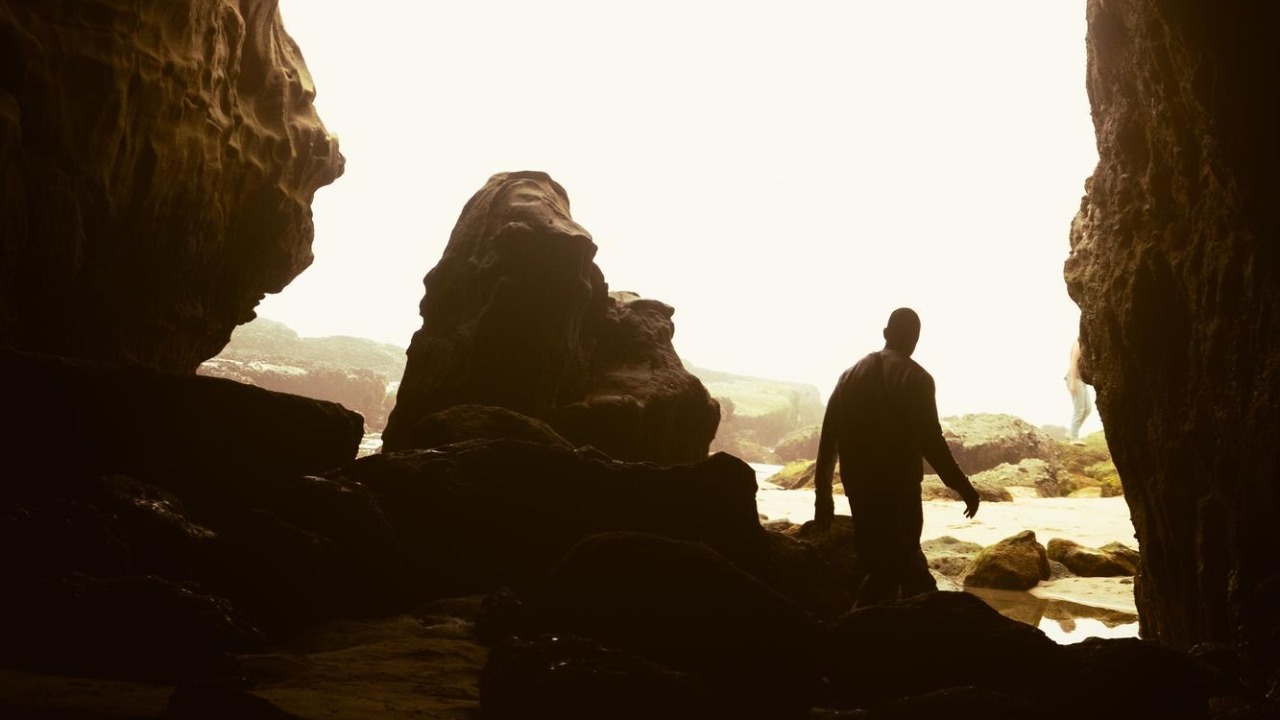
Located in a remote and rugged area, the cliff that housed the ancient temple has always been a point of fascination for geologists and historians alike. The region’s geographical significance stems from its rich history of human habitation and its strategic position along ancient trade routes. Despite previous archaeological interest, the temple remained hidden, nestled within the cliff’s heart, until recent technological advancements made its discovery possible.
Utilizing advanced imaging techniques such as LiDAR and ground-penetrating radar, the team of archaeologists was able to detect anomalies within the cliff’s structure, pointing to the presence of man-made formations. As the excavation began, the initial findings quickly captured the attention of the archaeological community and the media. The excitement was palpable, yet accompanied by a degree of skepticism, as experts debated the temple’s origins and its potential implications. Immediate hypotheses suggested that the temple could be linked to a previously unknown culture or a hidden chapter of a well-documented civilization.
Architectural Marvels

The temple itself is a testament to the ingenuity and craftsmanship of its builders. The structure features a complex layout, with interconnected chambers and corridors that seem to spiral inward, leading to a central sanctum. Unique architectural elements, such as intricately carved pillars and vaulted ceilings, showcase the ancient artisans’ mastery over stonework. The discovery of inscriptions and carvings on the walls provides valuable insight into the culture’s language and artistic expression.
In comparing this temple with other known ancient sites, several similarities and differences emerge. While the temple shares some architectural features with other regional structures, such as the use of specific stone types and ornamental motifs, it also exhibits distinct characteristics that suggest a unique cultural influence. This raises intriguing questions about potential connections between disparate ancient societies and the possible exchange of architectural ideas across regions.
Cultural and Religious Significance
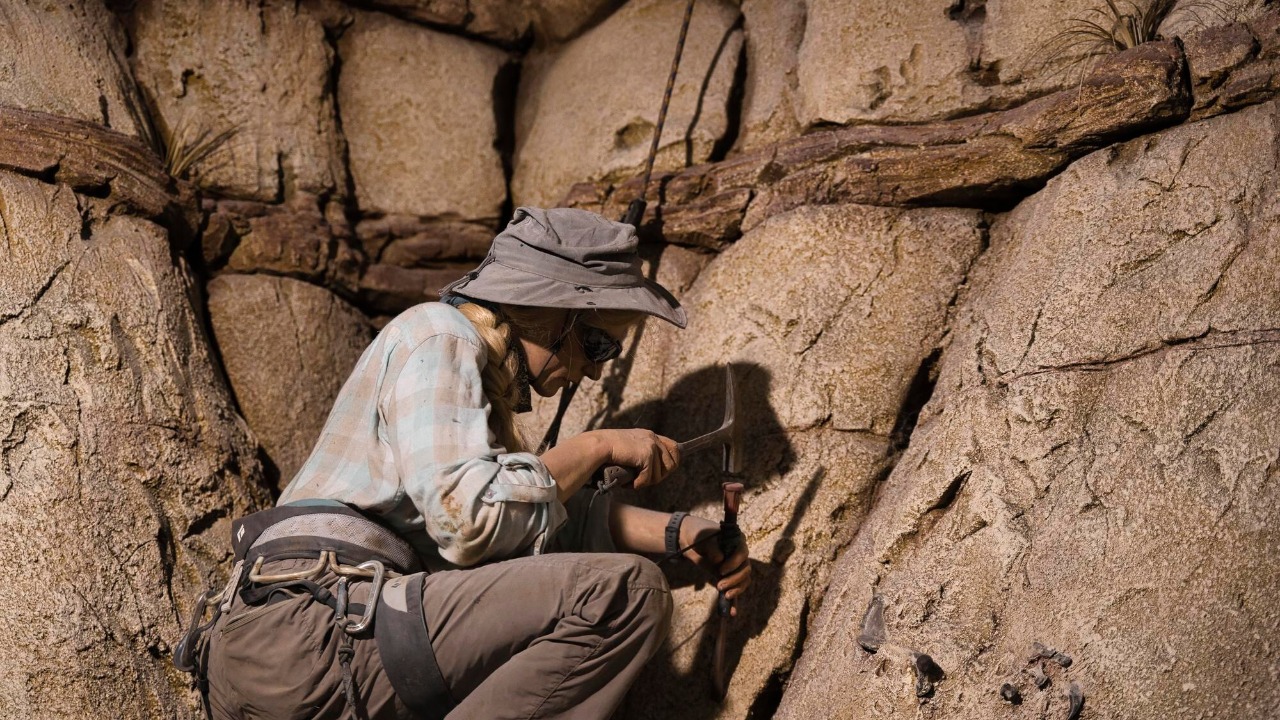
The temple appears to have been a focal point for religious activities, as evidenced by the numerous artifacts and symbols uncovered during the excavation. Among these findings are religious icons, ceremonial vessels, and remnants of ritualistic offerings, which offer a glimpse into the spiritual life of the temple’s builders. The presence of these items suggests that the temple served as a sacred space where deities were worshipped and rituals were performed to ensure the community’s well-being.
Placed within the broader context of ancient civilization, the temple likely played a significant role in shaping the cultural and social dynamics of the region. Its location and grandeur indicate that it may have been a center for pilgrimage, drawing visitors from far and wide. The temple’s influence would have extended beyond religious practices, potentially impacting trade, politics, and social hierarchies.
Challenges and Future Research
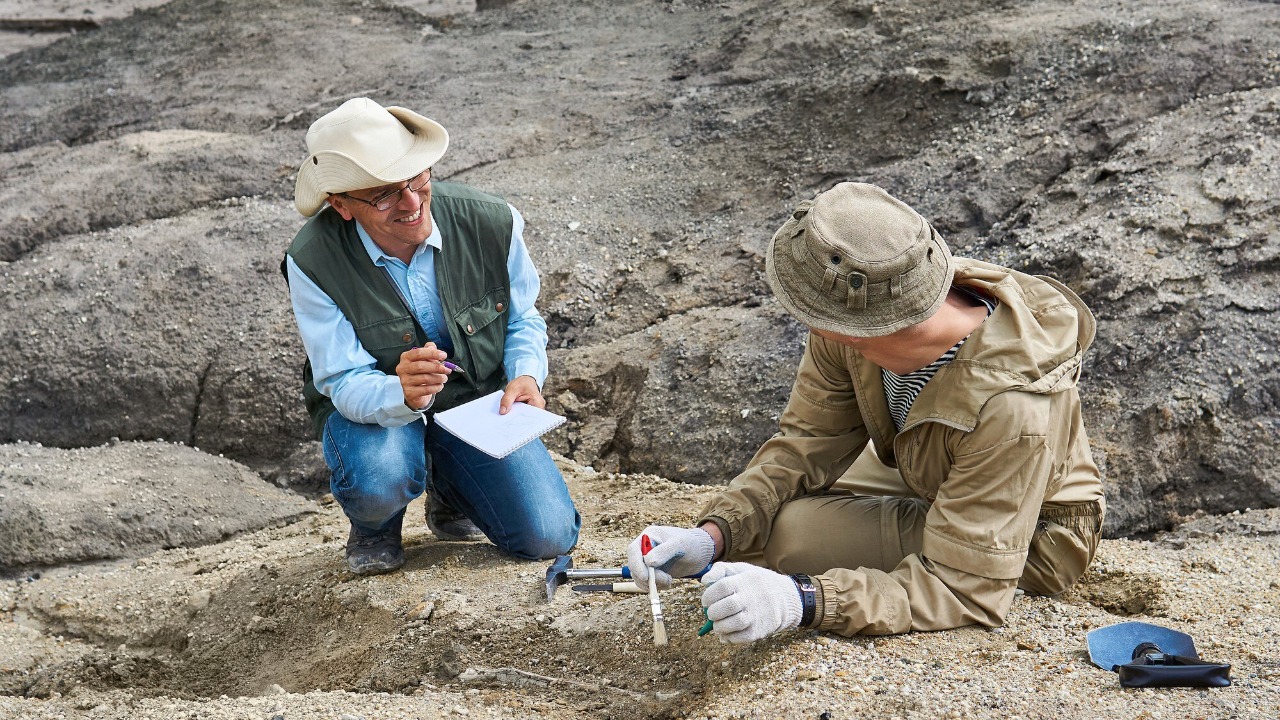
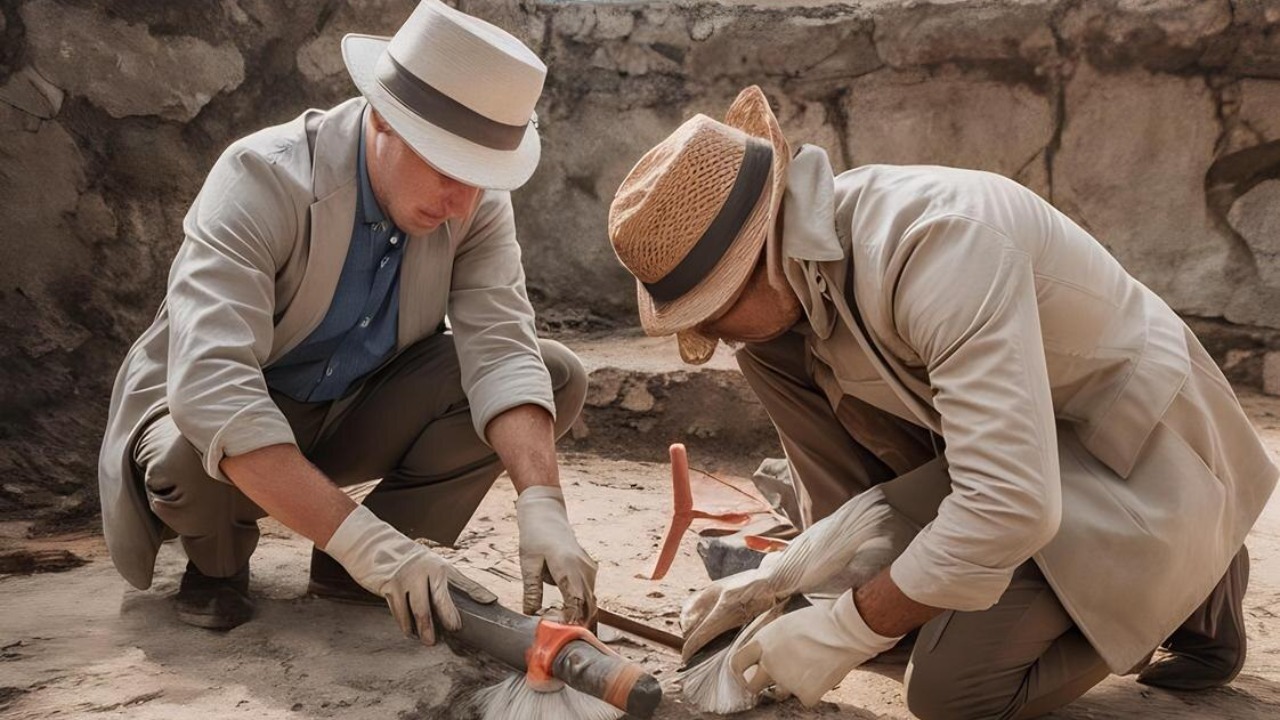
Excavating a site embedded within a cliff presents a unique set of challenges, both physical and ethical. The rugged terrain and the need to preserve the surrounding environment required innovative approaches and careful planning. Technological limitations also posed hurdles, as archaeologists had to adapt their methods to the site’s specific conditions. These challenges, while daunting, have sparked a deeper understanding of the site and its preservation needs.
The discovery opens up numerous avenues for future research and exploration. Potential areas of study include further analysis of the artifacts and inscriptions, which could provide additional insights into the temple’s origins and its builders’ cultural practices. Preserving the site for future generations is paramount, underscoring the importance of sustainable archaeological methods that balance discovery with conservation.
Impact on Modern Understanding of Ancient Civilizations
This remarkable discovery has the potential to reshape our understanding of ancient societies, offering new perspectives on their complexities and achievements. The temple’s unexpected location challenges existing historical narratives and prompts a reevaluation of established theories. As educational content evolves to incorporate these new findings, our appreciation of the cultural and technological prowess of ancient civilizations is deepened.
Technology played a crucial role in uncovering this hidden historical treasure, showcasing the power of modern tools in transforming archaeology. As techniques such as LiDAR and remote sensing continue to advance, the potential for uncovering other hidden sites grows, promising exciting discoveries in the future. As we look ahead, the integration of cutting-edge technology with traditional archaeological practices will undoubtedly lead to more groundbreaking revelations.