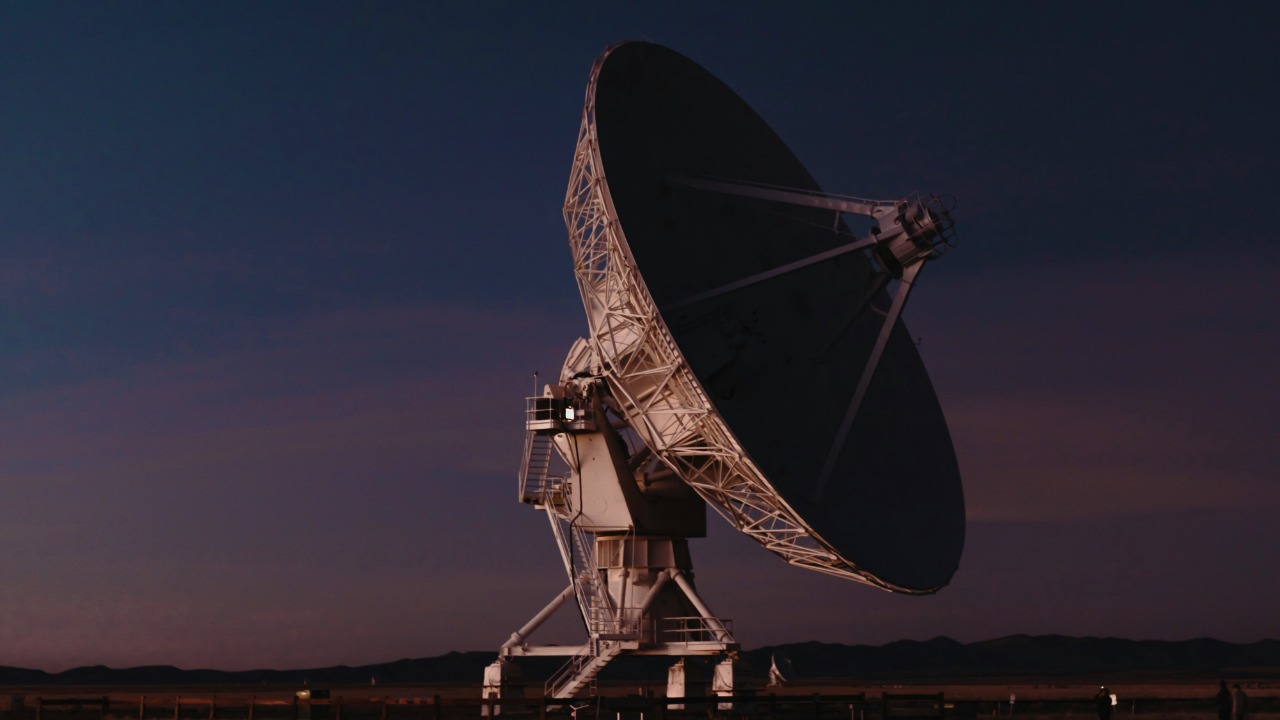

A mysterious signal reaching Earth every 44 minutes has puzzled scientists for years. Recent discoveries have finally unveiled the origin of these enigmatic transmissions, shedding light on a phenomenon that has intrigued both the scientific community and the general public.
The Mystery of the 44-Minute Signal
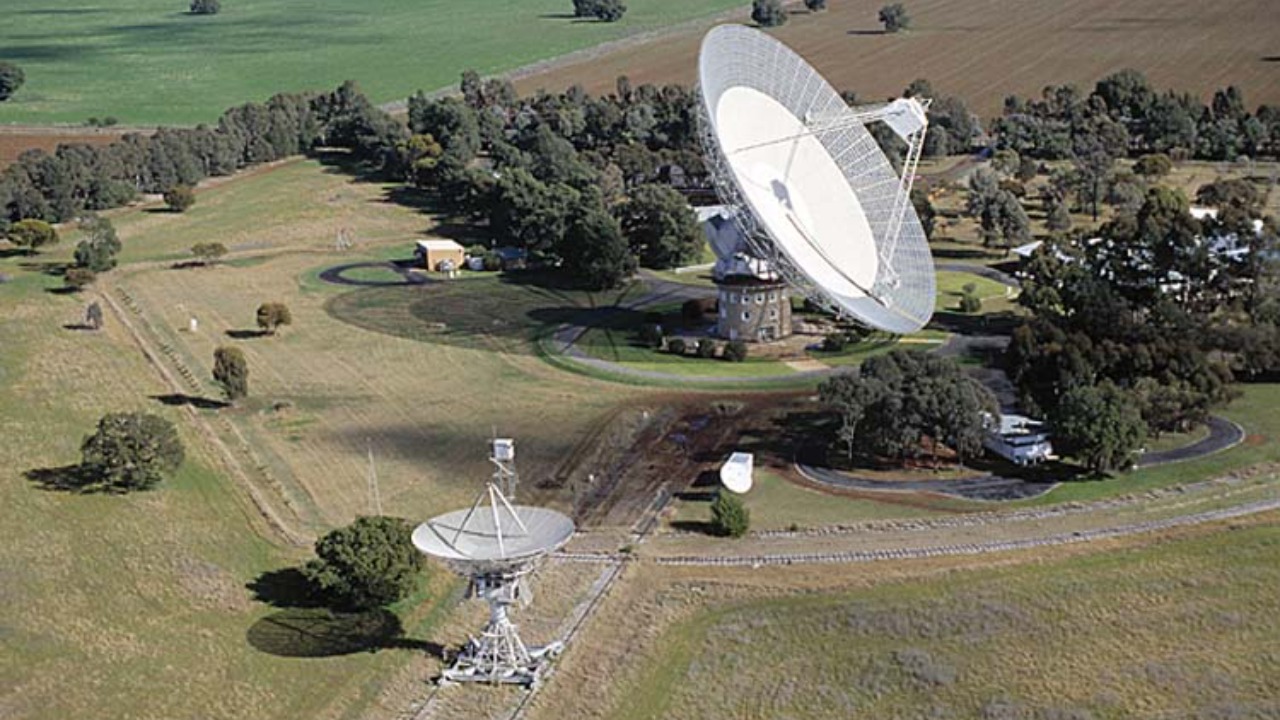
The intriguing story of the 44-minute signal began when scientists first detected an unusual pattern emanating from space. Initial observations were made by radio astronomers who were monitoring cosmic noise when they stumbled upon this regular signal. It was unlike anything they had encountered before, with an uncanny precision that defied natural randomness. The signal’s consistent frequency and interval sparked immediate curiosity and speculation within the scientific community. As radio telescopes like the Arecibo Observatory and the Parkes Radio Telescope were involved in the early detection, researchers from around the world began to scrutinize the data.
Initial theories about the signal’s origin ranged from the plausible to the fantastical. Some scientists posited that it might be the result of an undiscovered astrophysical phenomenon, such as a new type of pulsar or a rotating neutron star. Others, more speculatively, suggested the possibility of an extraterrestrial civilization attempting to communicate. While the latter was a captivating idea, most researchers focused on more scientifically grounded explanations. The signal’s precision and persistence suggested a natural origin, albeit one that required further investigation.
The impact on the scientific community was profound. The mystery of the 44-minute signal captivated researchers and led to numerous studies aimed at decoding its source. Conferences were held, and papers were published, each proposing new methodologies and technologies to unravel the enigma. The signal became a focal point for astrophysicists, driving advancements in radio astronomy and sparking collaborations across international borders. This collective effort underscored the global interest in understanding our universe and the phenomena within it.
Decoding the Signal

The journey to decode the mysterious 44-minute signal was a testament to human ingenuity and technological advancement. As the signal continued to perplex researchers, significant investments were made in developing cutting-edge technology capable of analyzing such precise cosmic patterns. The advent of more sensitive radio telescopes and sophisticated data processing algorithms played a crucial role in tracking the signal with greater accuracy. Instruments like the Square Kilometre Array and advancements in machine learning allowed scientists to filter out noise and focus on the signal itself, leading to clearer insights into its characteristics.
The breakthrough moment came when a team of international scientists, using data from multiple observatories, managed to triangulate the signal’s origin. This key discovery was the result of years of meticulous research and analysis. It was found that the signal originated from a specific region within our Milky Way galaxy, pinpointing it to a previously uncharted area rich in cosmic phenomena. The confirmation of the signal’s precise location was a significant leap forward, providing the necessary context to understand its nature.
Collaboration played a pivotal role in solving the mystery of the 44-minute signal. The effort involved scientists from different countries working together, sharing data and insights. This global cooperation underscored the importance of collective scientific endeavors in tackling complex challenges. By pooling resources and expertise, the scientific community was able to overcome obstacles that would have been insurmountable for any single institution. This collaborative spirit not only solved the mystery but also set a precedent for future international research efforts.
Source Revealed: The Astrophysical Perspective

With the source of the signal identified, scientists delved into understanding the astrophysical object responsible for the transmissions. The signal was traced back to a highly magnetized neutron star, known as a magnetar, located in a dense star cluster within our galaxy. Magnetars are known for their intense magnetic fields and episodic bursts of X-rays and gamma rays. The regularity of the 44-minute signal was attributed to the magnetar’s rotational period, aligning perfectly with its emission of radio waves.
This discovery holds significant implications for the field of astronomy. Understanding the behavior of magnetars and their emissions provides valuable insights into the life cycle of stars and the extreme conditions present in the universe. The 44-minute signal serves as a natural laboratory for studying magnetic fields, neutron stars, and the fundamental forces at play in the cosmos. By further examining these emissions, astronomers can refine their models of stellar evolution and gain a deeper understanding of the universe’s dynamics.
The revelation of the signal’s source has been a milestone in astrophysics, offering a new perspective on the phenomena occurring within our galaxy. It challenges existing theories and opens new avenues of research, pushing the boundaries of what we know about the universe. This finding is a testament to the power of scientific inquiry and the relentless pursuit of knowledge, inspiring future generations of astronomers to explore the cosmos with renewed vigor.
Implications for Earth and Beyond
While the discovery of the 44-minute signal’s origin has primarily scientific implications, it also prompts consideration of its potential impacts on Earth. Fortunately, current understanding suggests that the signal poses no direct threat to our planet. The magnetar’s emissions, while powerful, are too distant to affect Earth’s environment significantly. However, studying such phenomena enhances our preparedness for any future cosmic events that might have terrestrial consequences.
Beyond immediate effects, the discovery holds broader implications for future space exploration and research. By understanding the mechanisms behind the signal, scientists can develop better tools for detecting and interpreting cosmic signals. This knowledge could inform the design of future space missions and the search for signs of life beyond Earth. It highlights the importance of continued investment in space science and technology, ensuring that we remain at the forefront of exploring the universe’s mysteries.
The public’s fascination with the 44-minute signal has also shaped cultural perceptions of space. Stories of cosmic mysteries captivate the imagination and inspire curiosity about the universe. This widespread interest underscores the importance of science communication and outreach, bridging the gap between complex scientific discoveries and public understanding. By engaging with the public, scientists can foster a greater appreciation for the wonders of space and the importance of scientific research.
The Ongoing Quest for Knowledge

As scientists continue to study the 44-minute signal, several avenues for future research emerge. One of the primary goals is to observe the magnetar’s emissions over an extended period, gathering more data to refine models of its behavior. Additionally, researchers aim to explore other regions of the galaxy for similar signals, potentially identifying other magnetars or unknown cosmic phenomena. The quest for knowledge is ongoing, driven by the desire to understand the universe in greater depth.
Despite the significant strides made in decoding the signal, unanswered questions remain. The precise mechanisms behind the magnetar’s emissions and their interactions with the surrounding environment are not yet fully understood. These mysteries present new challenges for scientists, prompting further investigation and experimentation. The pursuit of answers drives innovation and discovery, pushing the boundaries of what we know about the universe.
Encouraging public engagement in space research and exploration is a vital component of this ongoing quest. Initiatives to involve the public in scientific endeavors, such as citizen science projects and educational outreach programs, provide opportunities for individuals to contribute to research efforts. By fostering a culture of curiosity and exploration, we can inspire the next generation of scientists and researchers to tackle the mysteries of the cosmos.
Reflections on Discovery and Curiosity

The discovery of the 44-minute signal’s origin offers valuable lessons about scientific inquiry and persistence. It demonstrates the importance of maintaining an open mind and considering multiple hypotheses when faced with an enigma. The journey from initial detection to uncovering the source required years of dedication, collaboration, and technological advancement, highlighting the iterative nature of scientific discovery.
Curiosity has always been a driving force in science, propelling researchers to explore the unknown and seek answers to complex questions. The story of the 44-minute signal exemplifies the power of curiosity in advancing our understanding of the universe. It serves as a reminder of the potential that lies in asking “what if” and “why,” encouraging scientists to continue pushing the boundaries of knowledge.
Inspiring future generations is one of the most profound impacts of such discoveries. By sharing stories of scientific breakthroughs, we can ignite a passion for exploration and innovation in young minds. The tale of the 44-minute signal is a testament to the wonders of the universe and the human spirit’s unyielding quest for knowledge. As we look to the future, we can be confident that curiosity and discovery will continue to shape our understanding of the cosmos.