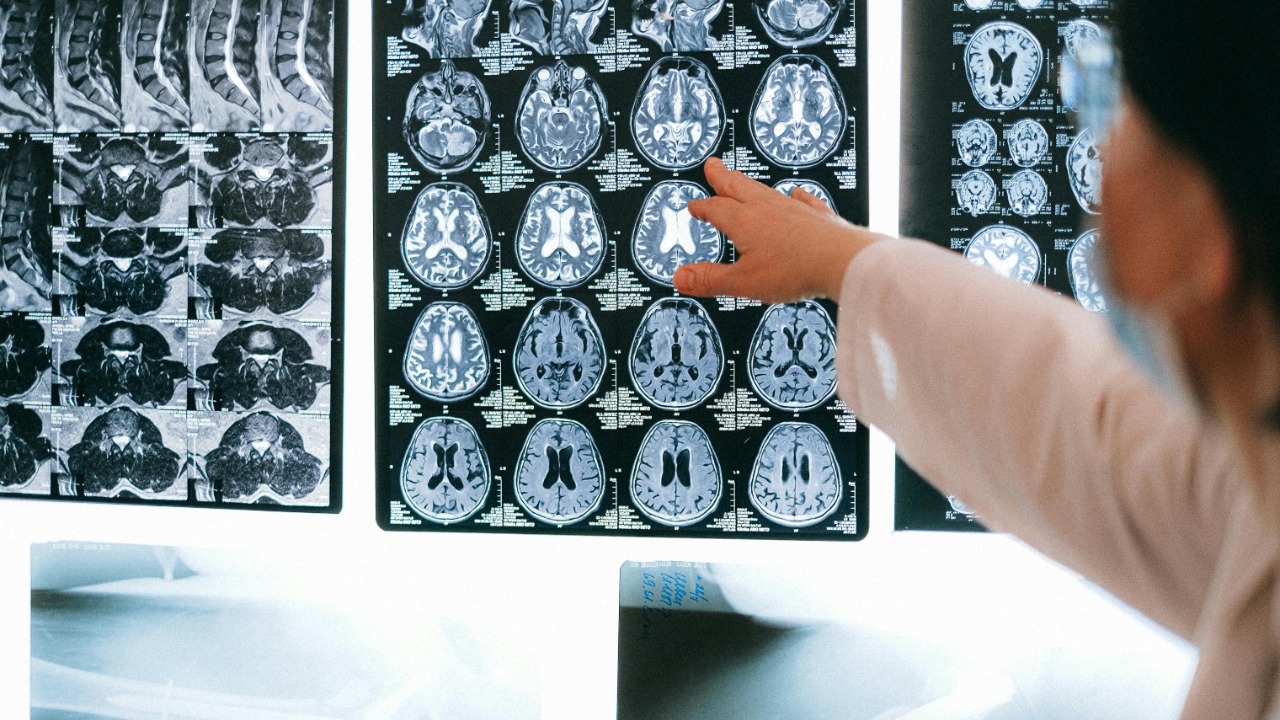

Artificial Intelligence (AI) is revolutionizing the medical field, particularly in the early detection of Alzheimer’s disease. By analyzing brain scans, AI tools are now capable of identifying subtle changes that may signal the onset of this debilitating condition, offering hope for earlier interventions and better patient outcomes.
The Growing Need for Early Detection
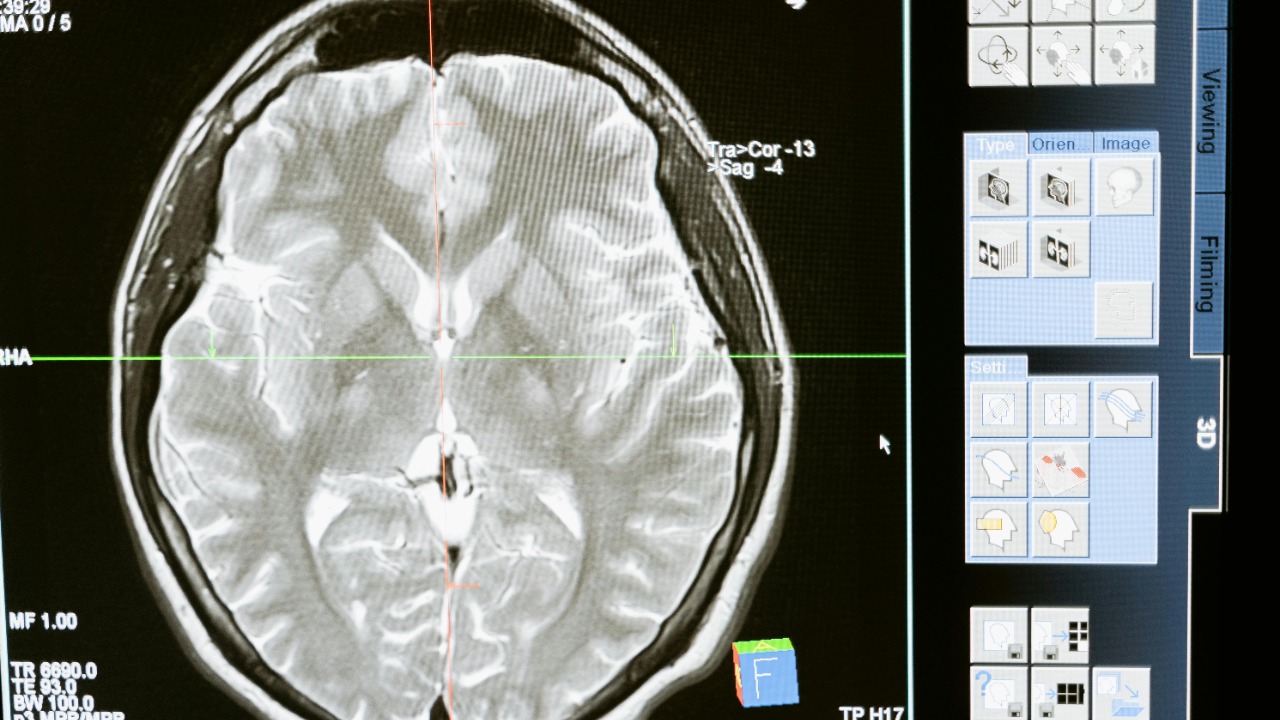
The prevalence of Alzheimer’s disease is increasing at an alarming rate. According to recent statistics, the number of individuals living with Alzheimer’s is projected to triple by 2050, placing a significant burden on healthcare systems globally. This rise presents formidable challenges, including increased demand for specialized care, greater healthcare costs, and the emotional toll on families and caregivers. As the population ages, these challenges are expected to intensify, highlighting the urgent need for effective early detection and intervention strategies.
Early diagnosis of Alzheimer’s is crucial because it allows for more effective interventions that can slow the disease’s progression, potentially extending the quality of life for patients. Recognizing the disease in its initial stages enables healthcare providers to implement treatments and lifestyle changes that can mitigate symptoms and improve everyday functioning. For caregivers, an early diagnosis provides a clearer understanding of what to expect, enabling better planning and management of the patient’s needs.
Traditional methods of diagnosing Alzheimer’s, such as clinical assessments and cognitive tests, often fall short in detecting the disease at an early stage. These methods typically rely on observable symptoms, which may not appear until the disease has significantly progressed. As a result, there’s a growing imperative for innovative technologies that can identify Alzheimer’s much earlier, prompting the exploration of AI and advanced imaging techniques as potential solutions.
AI Technology and Brain Scans
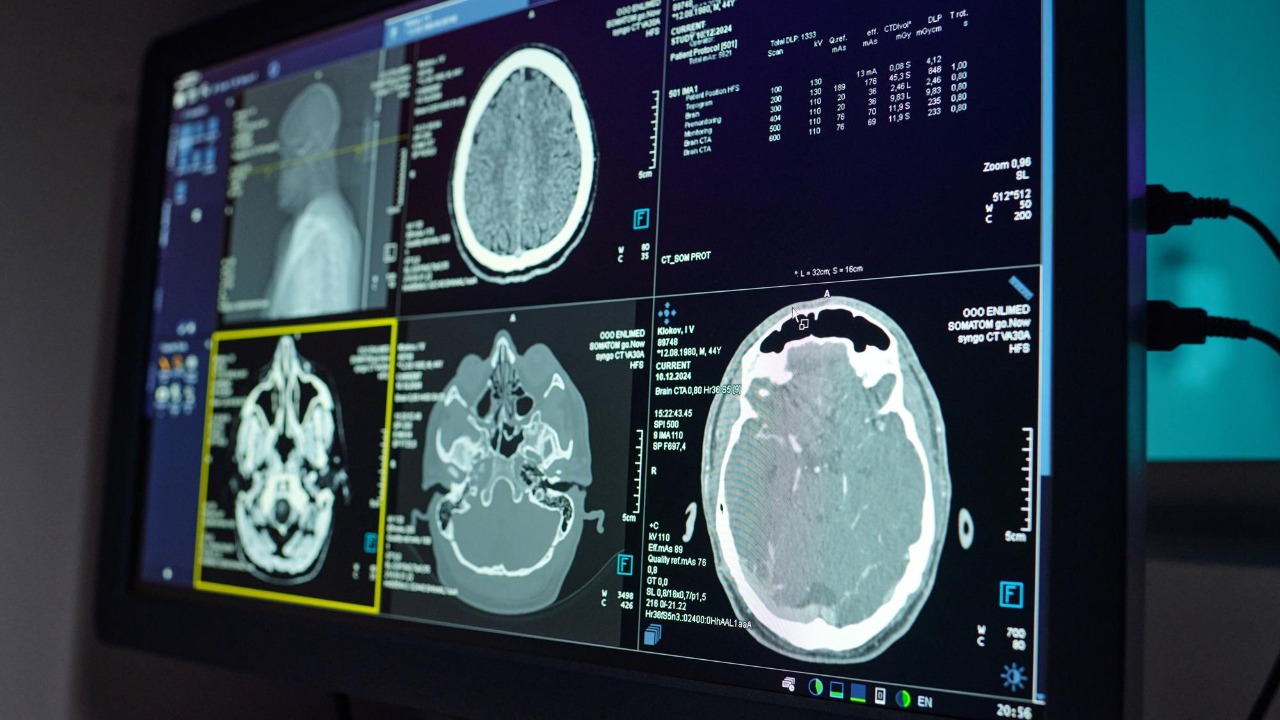
AI technology is at the forefront of transforming Alzheimer’s diagnosis by analyzing brain scans to detect early signs of the disease. The process involves using advanced imaging techniques, such as MRI and PET scans, to capture detailed pictures of the brain. AI tools then interpret these complex data sets, identifying subtle changes that may indicate the early onset of Alzheimer’s. This capability marks a significant breakthrough in the field of neurology, offering a non-invasive method to diagnose patients earlier than ever before.
At the heart of this technological advancement are sophisticated machine learning algorithms. These algorithms are trained on vast datasets of brain scans, allowing them to recognize patterns and anomalies that may go unnoticed by the human eye. By constantly learning and improving, these algorithms enhance the accuracy and reliability of Alzheimer’s detection, providing clinicians with valuable insights to inform their diagnoses and treatment plans.
AI tools focus on specific biomarkers that signal the presence of Alzheimer’s. These include changes in brain volume, particularly in areas like the hippocampus, as well as the presence of amyloid plaques and tau tangles. By identifying these biomarkers, AI can pinpoint early-stage Alzheimer’s, paving the way for timely interventions that could alter the course of the disease.
Recent Research and Developments
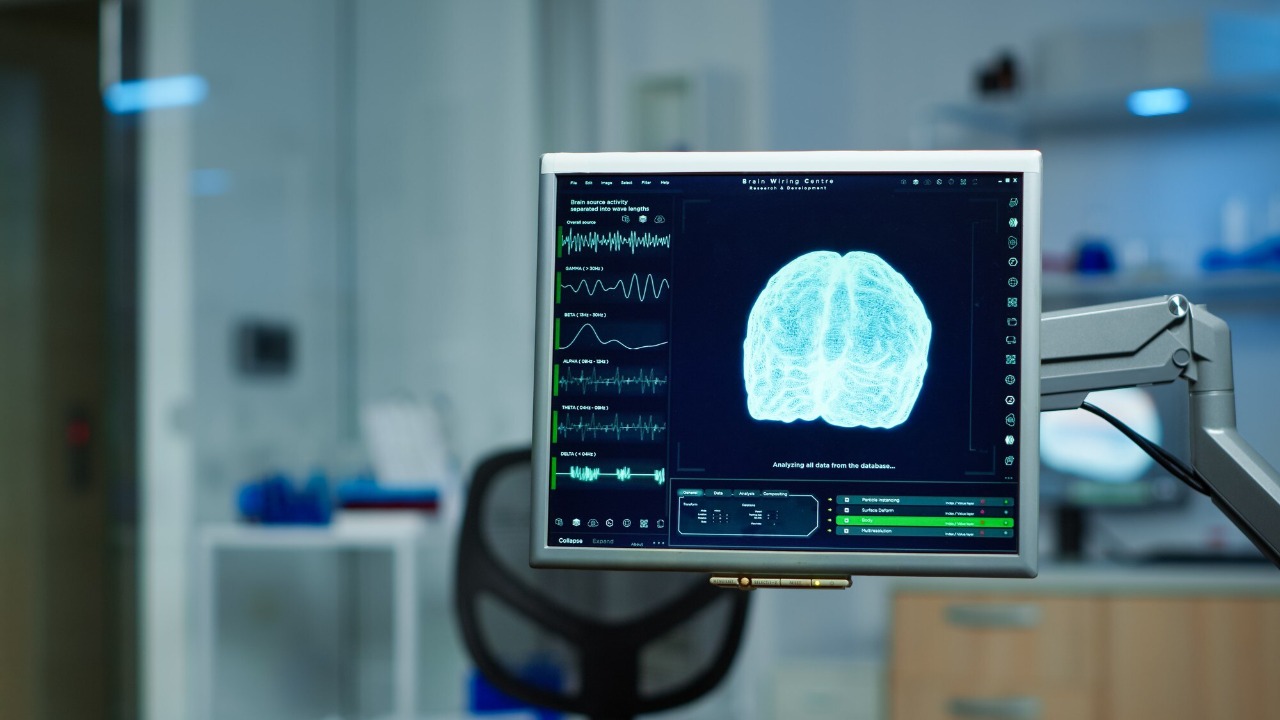
Recent studies underscore the potential of AI in transforming Alzheimer’s diagnosis. For instance, research published in ScienceDirect highlights the effectiveness of AI tools in detecting Alzheimer’s with high accuracy, even before clinical symptoms manifest. These findings are supported by Mayo Clinic’s AI tool, which has demonstrated the ability to identify multiple types of dementia, including Alzheimer’s, using just a single brain scan.
Collaboration is key to advancing AI research in this domain. Partnerships between technology firms and medical institutions are driving innovation, combining expertise in AI development with clinical knowledge. These collaborations are essential for refining AI tools, ensuring they are both effective and practical for use in real-world clinical settings.
Real-world applications of AI in Alzheimer’s diagnosis are already making an impact. In clinical settings, AI tools are being used to supplement traditional diagnostic methods, providing a more comprehensive assessment of patients. For example, AI has been successfully integrated into healthcare systems to assist clinicians in diagnosing Alzheimer’s at a much earlier stage, improving patient outcomes through timely interventions.
Ethical and Practical Considerations

As AI becomes more prevalent in medical diagnostics, it raises important ethical and practical considerations. Privacy and data security are paramount, given the sensitive nature of medical information. Ensuring that patient data is protected, while still allowing for the effective use of AI, is a critical challenge that healthcare providers must address.
Another consideration is the accessibility and cost of AI diagnostic tools. While these technologies hold great promise, making them widely available and affordable remains a significant hurdle. Healthcare systems must find ways to integrate AI into their practices without incurring prohibitive costs that could limit access for patients.
Early diagnosis of Alzheimer’s also has psychological and ethical implications. Being diagnosed with a condition like Alzheimer’s at an early stage can be distressing for patients and their families. It is crucial for healthcare providers to offer appropriate support and counseling to help individuals cope with the emotional impact of such a diagnosis, ensuring that ethical considerations are at the forefront of AI-driven healthcare.
Future Impact and Potential

The future of AI in medical diagnostics is promising, with ongoing advancements poised to enhance the early detection of Alzheimer’s and other cognitive disorders. As AI technology continues to evolve, we can expect even greater accuracy and efficiency in diagnosing diseases, potentially transforming the way healthcare providers approach treatment and care.
Beyond Alzheimer’s, AI-driven diagnostics have broader implications for the healthcare landscape. By improving the detection and management of various diseases, AI has the potential to significantly enhance patient outcomes, reduce healthcare costs, and streamline clinical workflows. This transformation could lead to a more proactive approach to healthcare, where early detection and intervention become the norm.
Continued research and innovation in AI are essential to keep pace with the evolving landscape of medical diagnostics. As more institutions invest in AI research, the potential for groundbreaking discoveries increases, offering hope for more effective treatments and improved quality of life for patients worldwide. The journey toward integrating AI into healthcare is ongoing, with the promise of transformative benefits on the horizon.