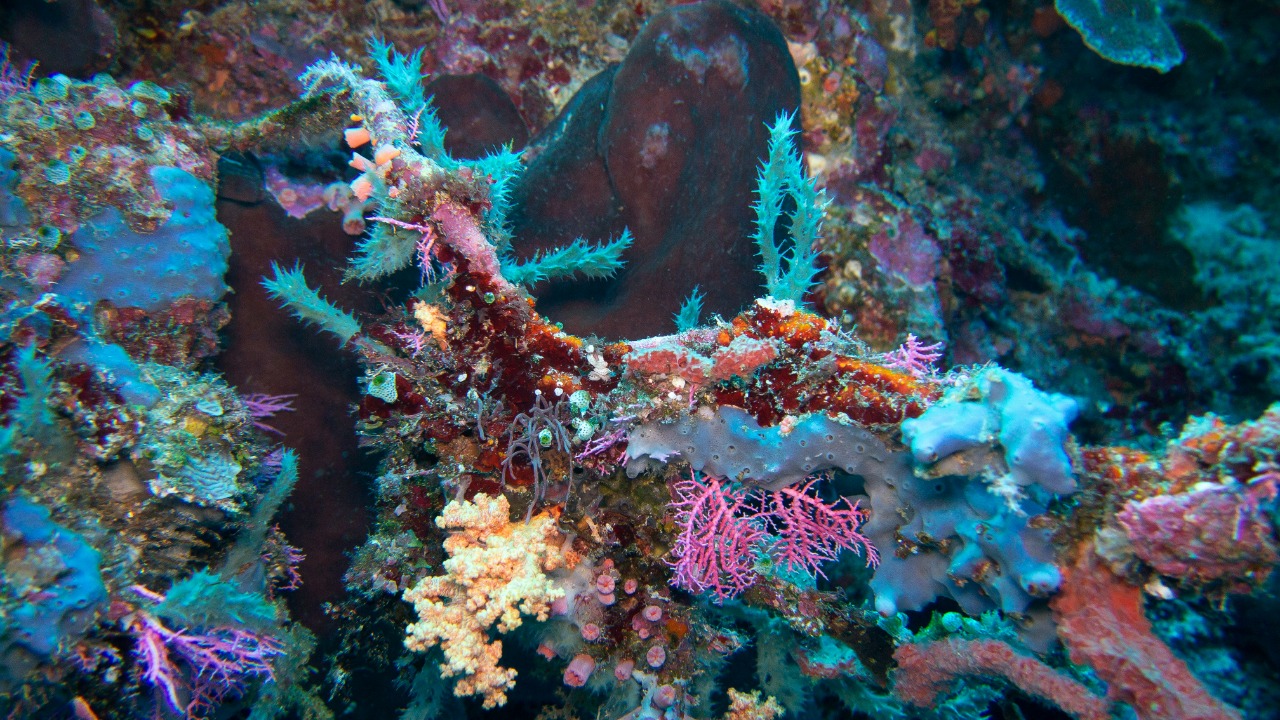

As climate change and human activities continue to threaten coral reefs worldwide, scientists are turning to innovative solutions like lab-grown coral to aid in restoration efforts. These cutting-edge techniques, including the use of biodegradable cages and advanced gels, offer hope for preserving the biodiversity of these crucial ecosystems. In this exploration, we delve into the latest advancements in coral restoration and their potential impact on marine environments.
The Science Behind Lab-Grown Coral
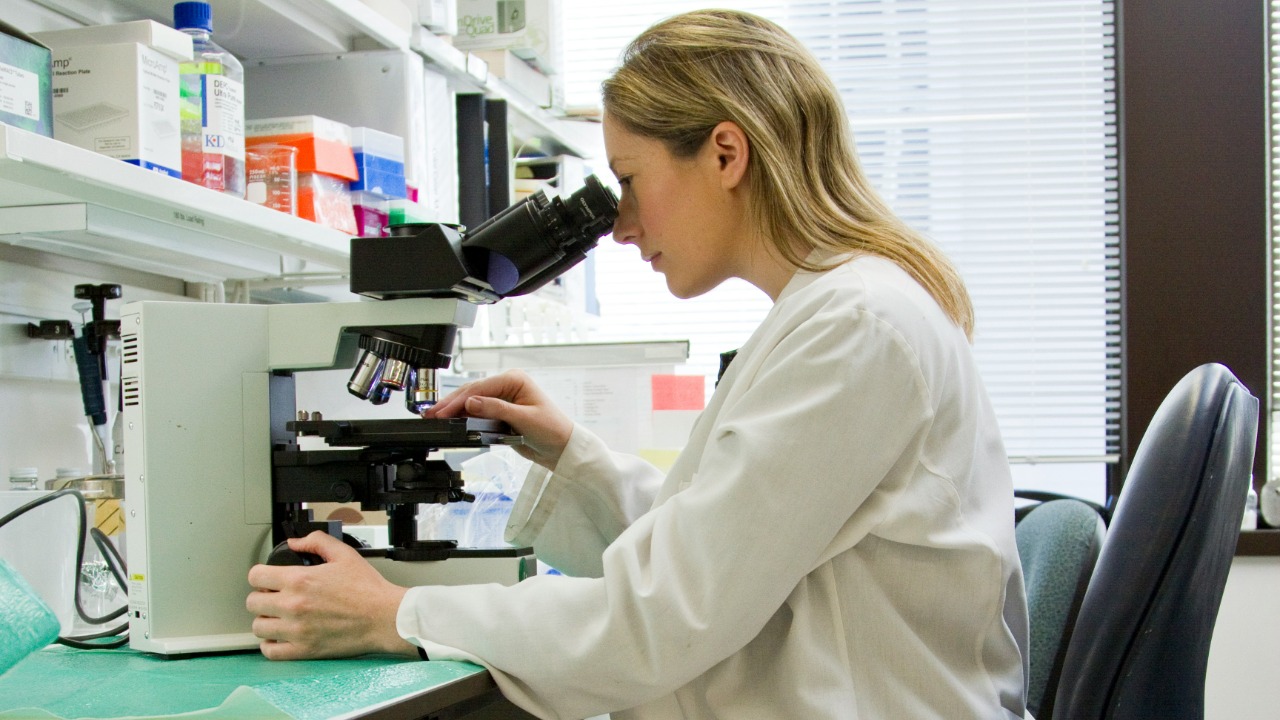
One of the groundbreaking techniques in coral restoration is cryo-preservation, which plays a crucial role in maintaining genetic diversity. By freezing coral sperm and eggs, scientists can create “cryo-born coral babies” that possess a wide range of genetic traits. This diversity is essential for developing resilient coral populations capable of withstanding environmental changes. The ability to bank coral genes ensures that future generations have the genetic variability necessary to adapt to shifting ocean conditions.
Another innovative approach involves using 3D-printed biodegradable plastic cages to support coral growth. These cages protect young corals from predators and allow them to establish themselves in the wild. The biodegradable nature of the cages ensures that once the corals are strong enough, the cages naturally dissolve, leaving the corals to thrive independently. This method not only aids in the survival of young corals but also facilitates their adaptation to the natural environment, enhancing their chances of survival.
Advanced gel technology is yet another promising innovation in coral restoration. Researchers have developed new gels that help boost coral growth and resilience. These gels act as a nutrient-rich substrate that supports coral larvae in their early stages of development. By providing a stable and nourishing environment, these gels enhance the corals’ ability to grow and establish themselves within reef ecosystems. This advancement offers a tangible solution to the challenges faced in nurturing new coral populations.
Challenges and Innovations in Coral Restoration

Coral reefs are facing significant environmental and biological challenges, including ocean warming and acidification. Rising sea temperatures lead to coral bleaching, where corals lose their vibrant colors and become more susceptible to disease. Additionally, increased carbon dioxide levels in the atmosphere result in ocean acidification, which weakens coral skeletons and hampers their ability to grow. These challenges underscore the urgency for innovative solutions to preserve and restore coral ecosystems.
To address these issues, scientists and conservationists are developing innovative technologies that enhance coral resilience. Techniques such as selective breeding for heat-resistant corals and the deployment of artificial reefs have shown promising results. These methods not only help corals survive in warming oceans but also provide habitats for various marine species, supporting overall biodiversity. The scalability of these solutions is crucial for their widespread implementation across different regions.
Global collaborations and scientific research play a pivotal role in advancing coral restoration techniques. By bringing together experts from various fields, these collaborative efforts foster the exchange of knowledge and resources necessary for successful restoration projects. Researchers are continuously exploring new methods and refining existing ones to improve the effectiveness and efficiency of coral restoration initiatives. Such collaborations ensure that the latest scientific advancements are harnessed to address the pressing challenges facing coral reefs.
The Impact of Lab-Grown Coral on Reef Ecosystems
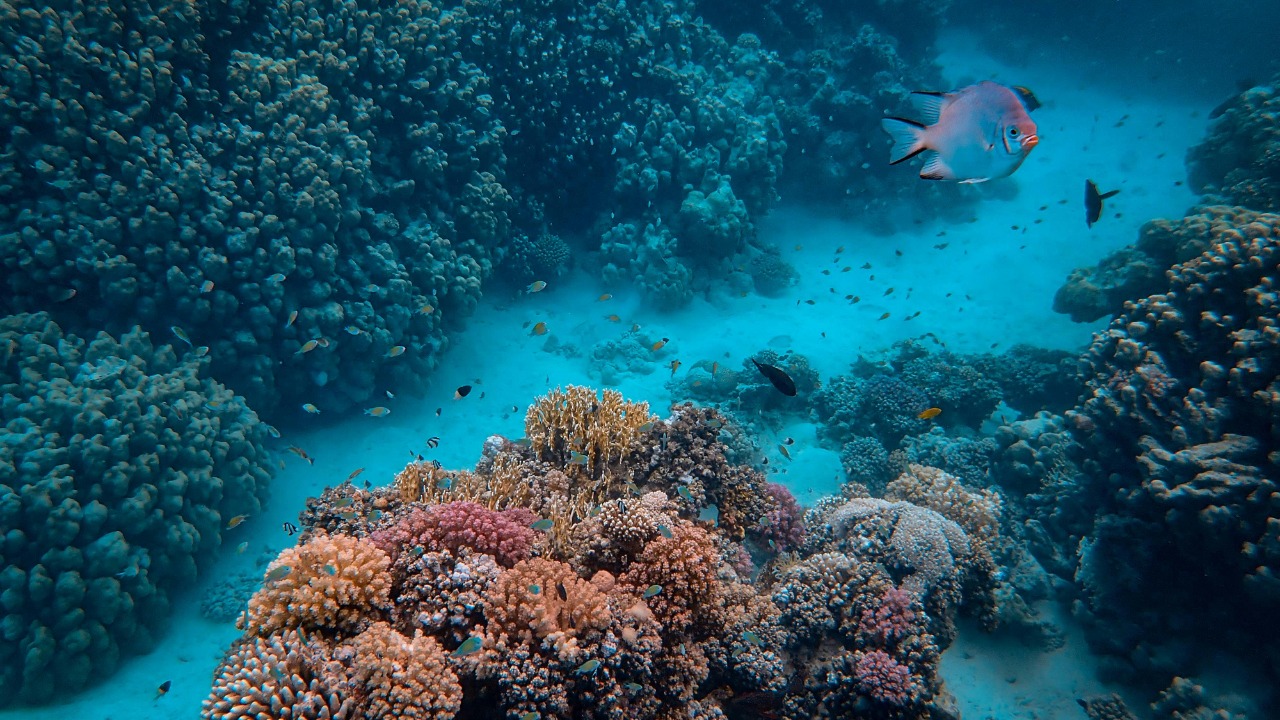
Lab-grown corals offer a promising solution to enhance the resilience of reef ecosystems against climate change. Recent studies have shown that lab-grown corals can resist bleaching during extreme marine heatwaves, providing a buffer against the adverse effects of rising ocean temperatures. By introducing these resilient corals into natural reefs, scientists can bolster the ecosystems’ ability to withstand environmental stressors, ultimately aiding in their long-term survival.
Restoring coral reefs through lab-grown corals also yields significant benefits for marine biodiversity and ecosystem health. Healthy coral reefs serve as vital habitats for a myriad of marine species, including fish, mollusks, and crustaceans. By rebuilding these ecosystems, we can ensure the preservation of biodiversity and the continuation of ecosystem services such as coastal protection, fisheries, and tourism. Successful restoration efforts are crucial for maintaining the delicate balance of marine ecosystems.
Several case studies highlight the successful implementation of lab-grown coral in various locations. In the Caribbean, for instance, the propagation of lab-grown corals has shown positive outcomes in restoring damaged reefs. Similarly, efforts along the Great Barrier Reef have demonstrated the potential of lab-grown corals to revive degraded areas. These success stories serve as inspiring examples of how scientific innovation can make a tangible difference in preserving vital marine ecosystems.
Future Prospects and Sustainability

The future of coral restoration lies in sustainable coral farming practices that can be integrated into broader conservation strategies. By establishing coral nurseries and leveraging advanced technologies, scientists can produce a steady supply of resilient corals for restoration projects. These sustainable practices not only support reef recovery but also create opportunities for local communities to engage in conservation efforts, fostering a sense of stewardship for marine environments.
Supportive policies and continued investment in coral restoration research and development are essential for the long-term success of these initiatives. Governments and organizations must prioritize coral conservation in their environmental agendas and allocate resources to support ongoing research and fieldwork. By fostering an environment conducive to innovation, policymakers can ensure that coral restoration efforts remain at the forefront of marine conservation strategies.
Engaging local communities and stakeholders is crucial for the successful implementation and maintenance of coral restoration projects. By involving fishermen, tourism operators, and indigenous communities, restoration efforts can benefit from local knowledge and expertise. Community engagement not only enhances the effectiveness of restoration projects but also builds a network of advocates committed to protecting coral reefs for future generations. Collaborative approaches that incorporate diverse perspectives are key to sustaining the momentum of coral restoration initiatives.