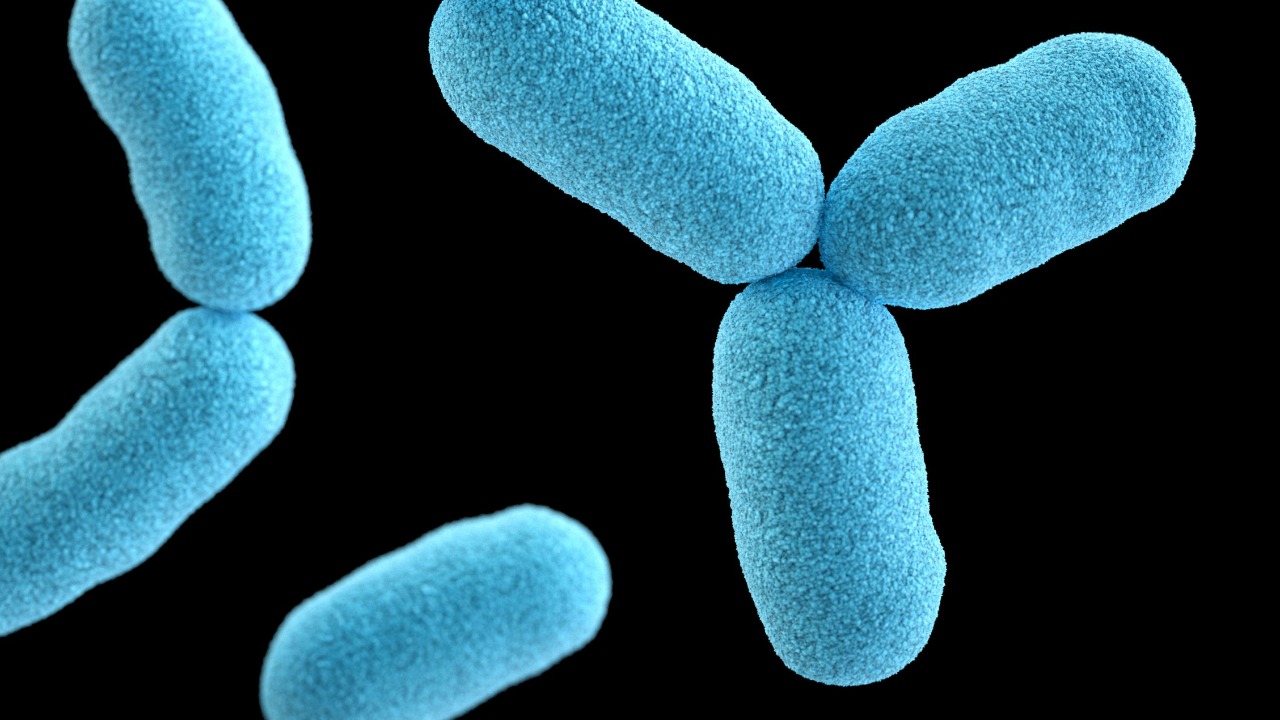

In a groundbreaking discovery, researchers have identified bacteria capable of surviving the harsh conditions of outer space. This revelation opens new avenues in astrobiology and space exploration, challenging our understanding of life’s resilience beyond Earth.
The Discovery of Space-Resilient Bacteria
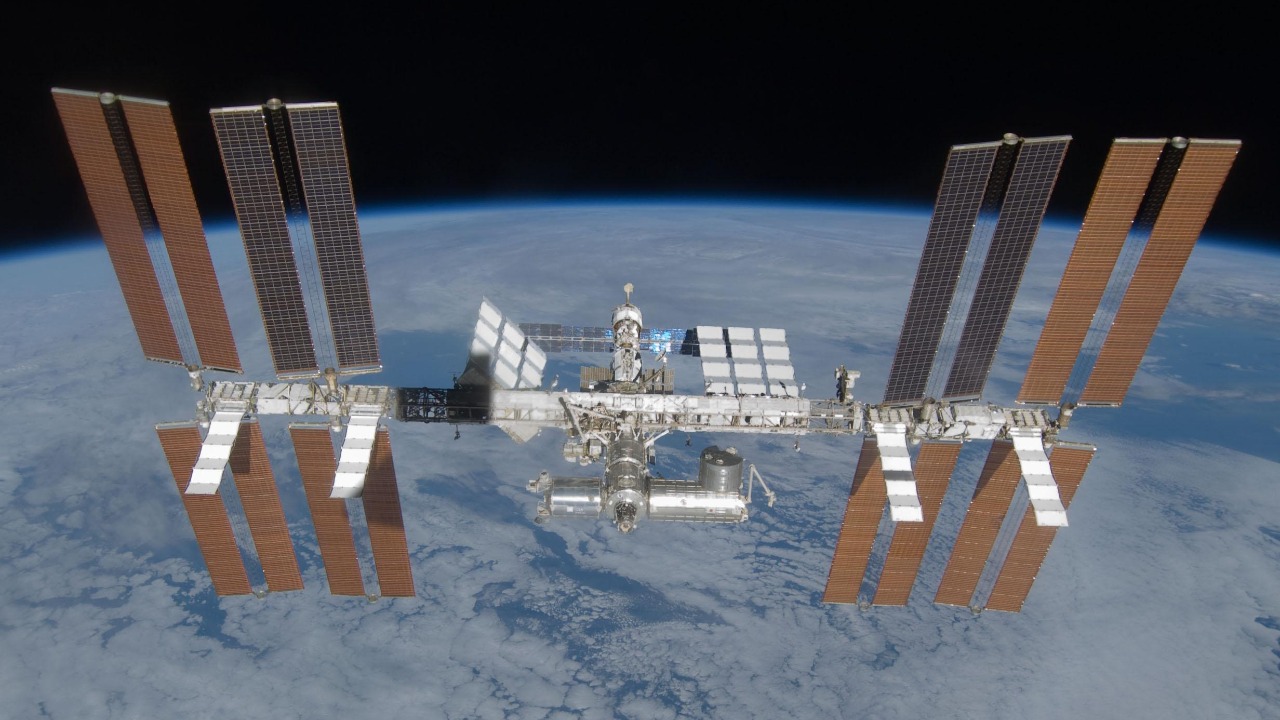
Recent findings from the International Space Station (ISS) and China’s Tiangong space station have unveiled the remarkable presence of bacteria capable of enduring the extreme conditions of outer space. This discovery underscores the adaptability of life and poses intriguing questions about the potential for organisms to exist beyond our planet. These bacteria were detected in various locations on the ISS, including surfaces and equipment, as well as in the controlled environment of the Tiangong space station.
The identification and study of these resilient microbes were made possible through advanced scientific techniques. Researchers employed DNA sequencing and microscopy to analyze their genetic makeup and observe their structural adaptations. These methods provided a comprehensive understanding of how these bacteria manage to survive in an environment characterized by intense radiation, extreme temperatures, and microgravity.
The implications of this discovery extend far beyond the realm of microbiology. It challenges our understanding of life’s adaptability and opens new possibilities for the existence of life on other planets. The ability of these bacteria to thrive in space suggests that life could endure in similarly harsh environments elsewhere in the universe, bolstering the search for extraterrestrial life.
Unique Adaptations for Survival
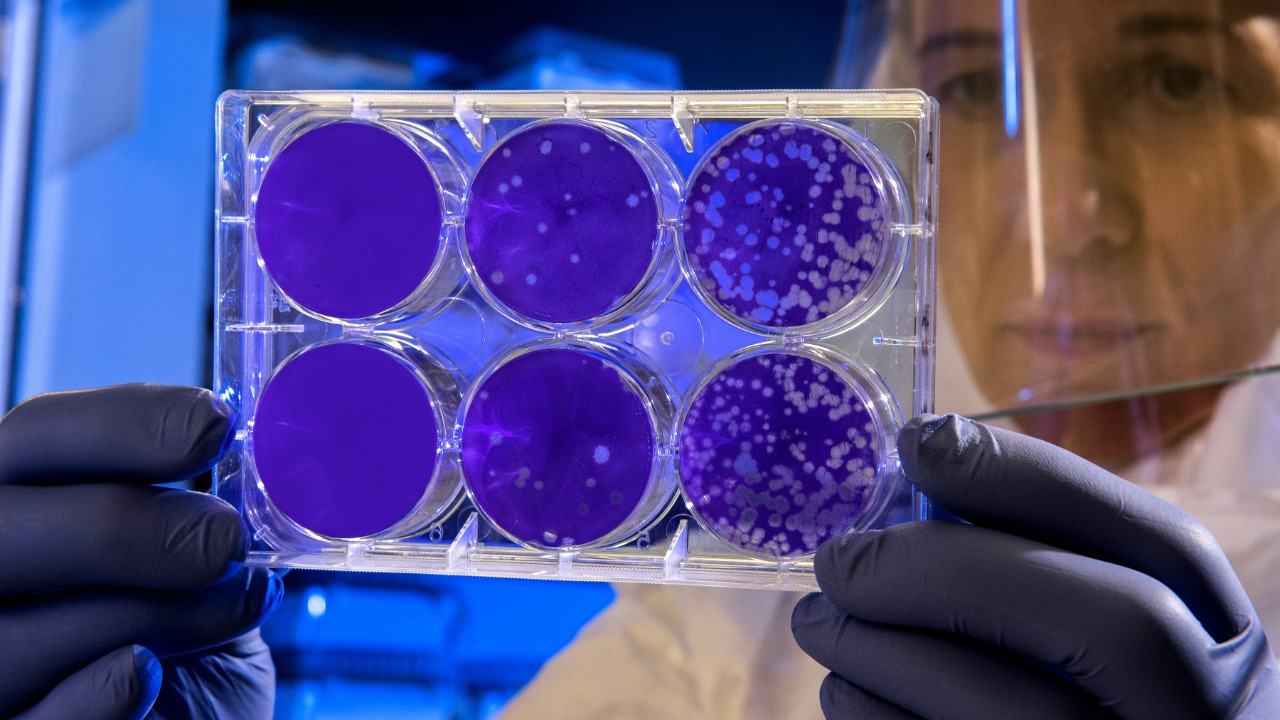
One of the most fascinating aspects of these space-resilient bacteria is their ability to withstand extreme conditions. According to Smithsonian Magazine, these bacteria have developed unique adaptations that allow them to survive the harsh environment of space, including high levels of radiation and microgravity. These adaptations include changes in their cellular structure and metabolic processes, enabling them to endure conditions that would be lethal to most terrestrial organisms.
Research published in PubMed has highlighted specific genetic mutations that contribute to these bacteria’s resilience. These mutations enhance their DNA repair mechanisms and bolster their ability to withstand oxidative stress, which is crucial for survival in space. By comparing these bacteria to their Earth-bound counterparts, scientists have identified key differences in their genetic makeup, offering insights into how life can adapt to extreme environments.
When compared to bacteria found on Earth, space-resilient bacteria exhibit distinct characteristics that set them apart. Their ability to thrive in an environment devoid of gravity and exposed to high radiation levels highlights the remarkable adaptability of microbial life. This comparison not only enhances our understanding of microbial evolution but also underscores the potential for life to exist in diverse and challenging settings beyond our planet.
Implications for Space Exploration
The discovery of bacteria capable of surviving in space presents significant challenges for sterilizing spacecraft. As noted in ScienceDirect, ensuring that spacecraft remain free of contaminants is crucial to prevent the unintended transfer of Earth-based organisms to other celestial bodies. This discovery highlights the need for more stringent sterilization protocols to avoid contamination and ensure the integrity of future space missions.
In the field of astrobiology, these findings have profound implications for the search for extraterrestrial life. The presence of resilient bacteria in space strengthens the possibility that life could exist on other planets, such as Mars, where harsh conditions similar to those in space are found. This discovery reinvigorates the search for life beyond Earth, encouraging scientists to explore environments previously considered inhospitable to life.
Looking ahead, the role of bacteria in supporting long-duration space missions is of great interest. These microorganisms could play a crucial role in maintaining life support systems, such as recycling waste and producing essential resources like oxygen. Their ability to adapt to space conditions makes them valuable allies in the quest for sustainable human presence beyond Earth, potentially paving the way for future interplanetary travel.
Scientific and Ethical Considerations
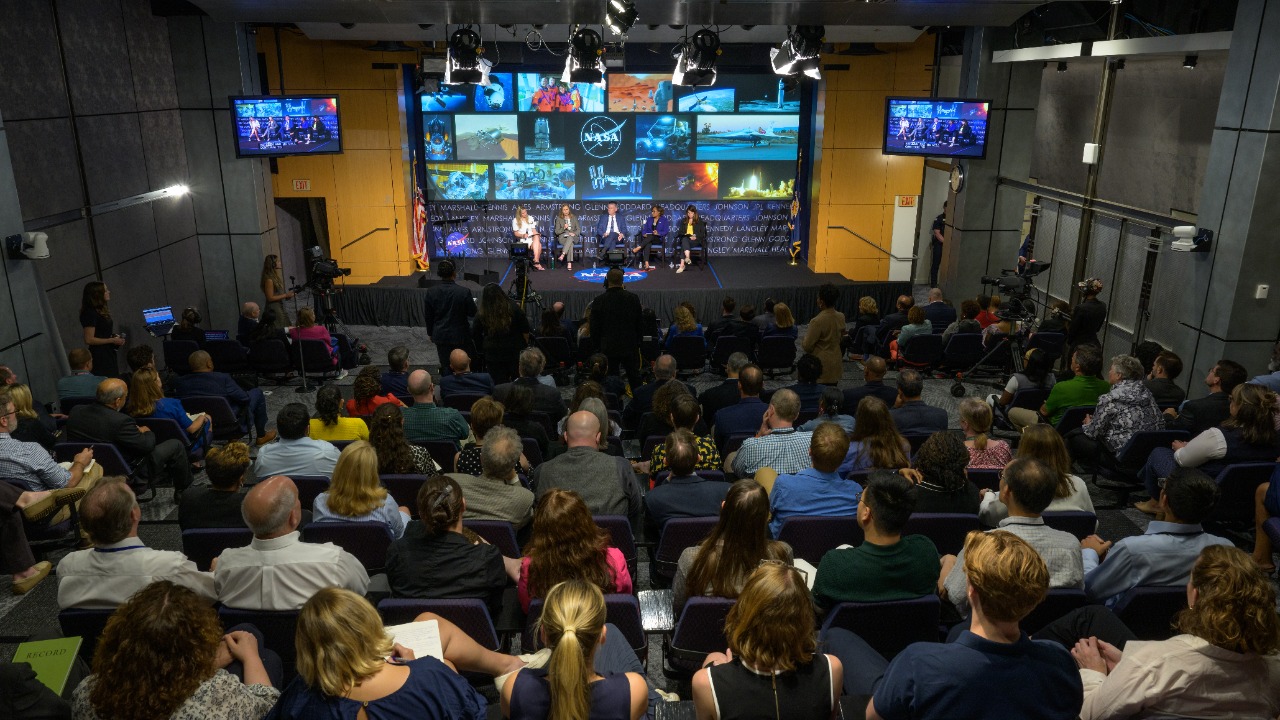
While the discovery of space-resilient bacteria offers exciting possibilities, it also raises concerns about contamination risks. Bringing space-adapted bacteria back to Earth could have unforeseen consequences for our ecosystems, potentially disrupting existing biological balances. Carefully assessing these risks is essential to prevent unintended ecological impacts and ensure the responsible handling of such organisms.
The ethical dimensions of intentionally sending microorganisms into space are also a subject of debate. As highlighted by Live Science, the potential consequences of introducing Earth-based life to other celestial bodies must be carefully considered. Ethical guidelines are needed to address the potential impacts on extraterrestrial environments and ensure that scientific exploration is conducted responsibly.
Given the complexities of biological experiments in space, there is a pressing need for international guidelines and regulations. These protocols should address the management of space-adapted bacteria and ensure that scientific research is conducted in a manner that respects both terrestrial and extraterrestrial ecosystems. Collaboration among nations and space agencies is essential to develop comprehensive policies that safeguard our planet and the universe we explore.
Future Research Directions
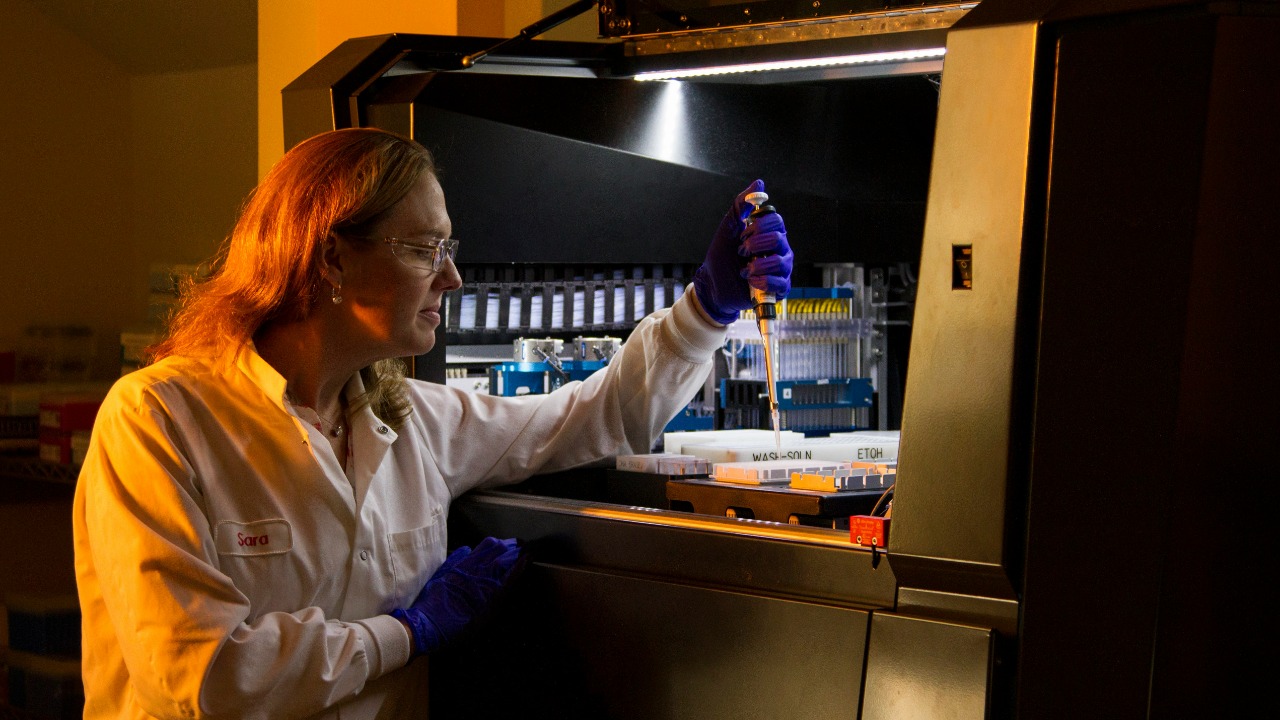
To further our understanding of microbial life in space, long-term studies are essential. Conducting extended experiments on platforms like the ISS and other space stations will provide valuable insights into the adaptations and evolution of these resilient bacteria. These studies will help scientists unravel the mechanisms that allow life to thrive in extreme environments, offering clues about the potential for life beyond Earth.
Interdisciplinary collaboration is critical in advancing research in this field. Microbiologists, astrobiologists, and space agencies must work together to explore the complexities of microbial life in space. By combining expertise from various disciplines, researchers can develop a more comprehensive understanding of how life adapts to the challenges of the cosmos.
Technological advancements also play a pivotal role in expanding our knowledge of space-resilient bacteria. New technologies, such as advanced imaging techniques and sophisticated DNA sequencing methods, will enable scientists to study these organisms in unprecedented detail. These innovations will enhance our ability to investigate the genetic and structural adaptations that allow bacteria to survive in space, paving the way for future breakthroughs in astrobiology and space exploration.