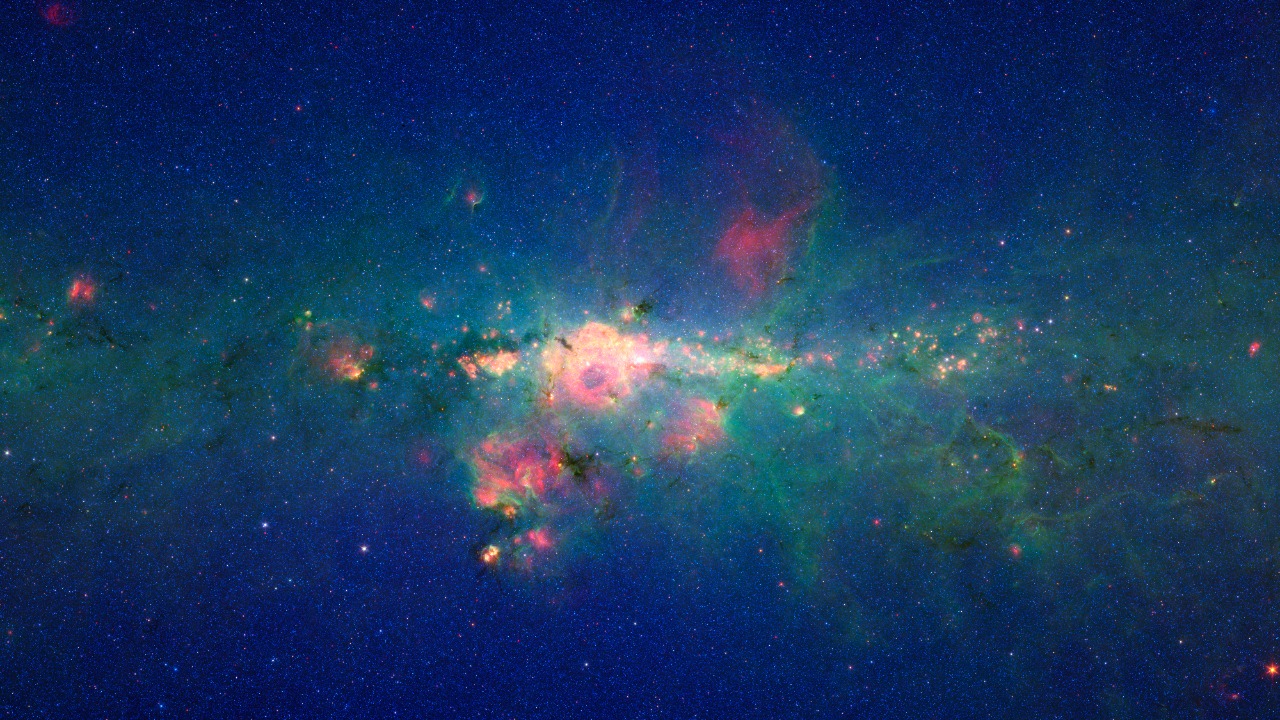

A comet with a striking green glow, known as Comet C/2023 A3 (Tsuchinshan-ATLAS), has recently captured the attention of astronomers and stargazers alike. As it makes its journey across the night sky, this celestial body presents a unique opportunity for scientific study and public fascination. The comet’s distinguishing color and brightness have prompted scientists to investigate its origins and composition.
The Science Behind the Green Glow
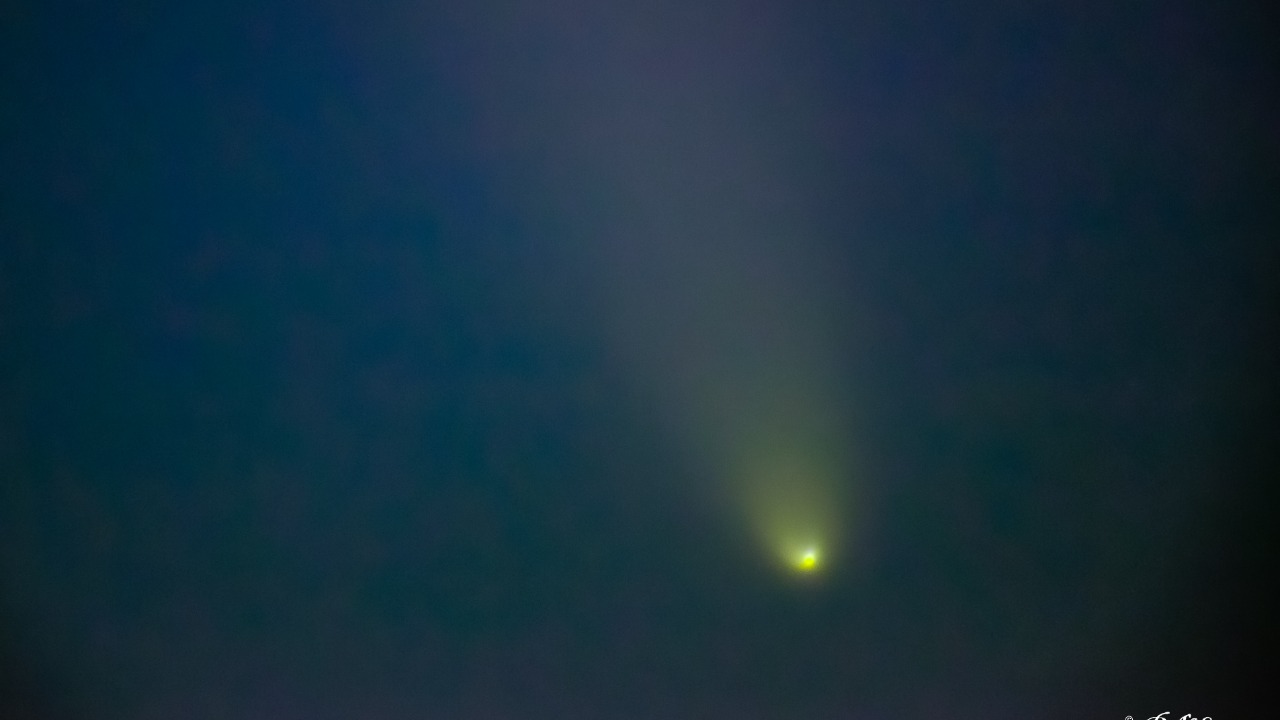
The green glow of Comet C/2023 A3 is primarily attributed to the presence of diatomic carbon (C2) and cyanogen (CN) within its coma, the envelope of gas and dust surrounding its nucleus. When these molecules are exposed to solar radiation, they undergo a chemical reaction that emits a green light. This phenomenon is not only visually stunning but also provides essential clues about the comet’s composition and the conditions of the early solar system.
Astronomers utilize spectroscopic analysis to delve deeper into the molecular makeup of the comet. By examining the light spectrum emitted by the comet, researchers can identify specific elements and compounds. This method has been instrumental in confirming the presence of C2 and CN, along with other volatile substances, which are crucial to understanding the comet’s origins and evolution.
Comet C/2023 A3’s vivid hue sets it apart from most other comets, many of which exhibit a more subdued color palette. While comets such as Hale-Bopp and Halley’s Comet have thrilled observers in the past, the pronounced green glow of Tsuchinshan-ATLAS adds an extra layer of intrigue. By comparing this comet with others, scientists hope to uncover why certain comets display distinctive colors and what these variations reveal about their chemical processes.
Tracking the Comet’s Path
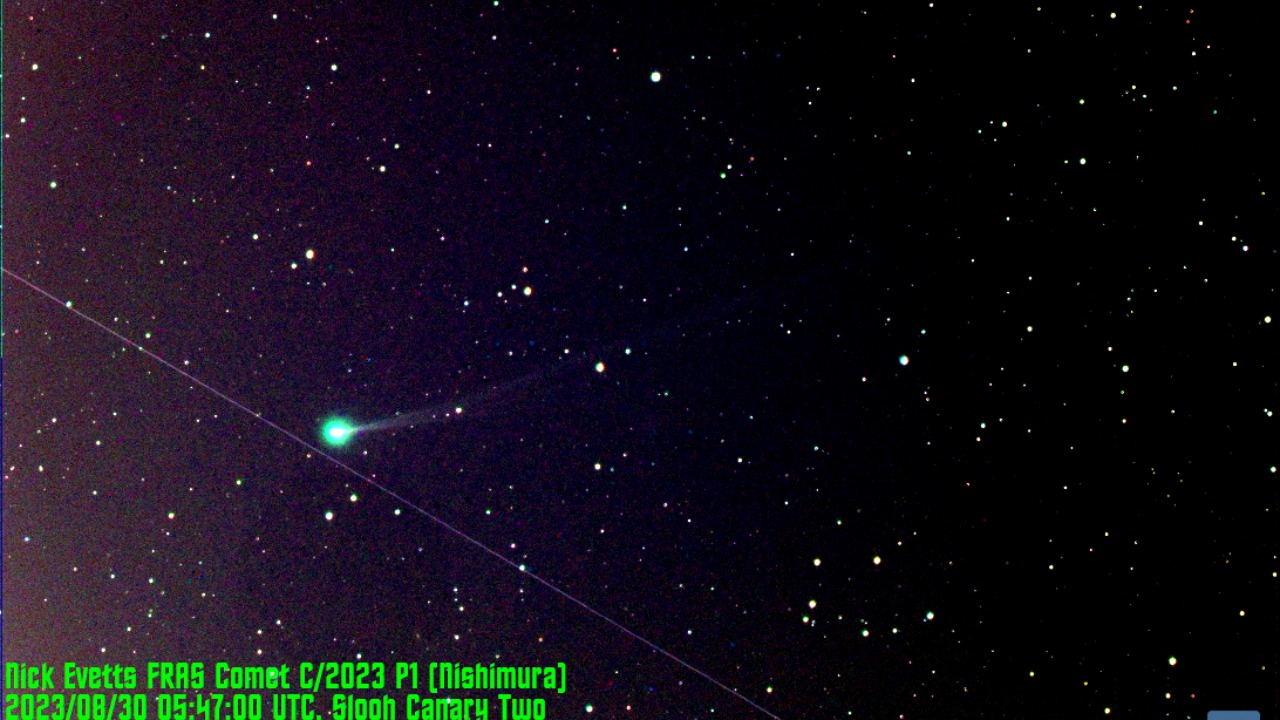
The orbital trajectory of Comet C/2023 A3 is a subject of great interest to astronomers, as it provides insights into the dynamics of cometary motion within the solar system. This comet follows a highly elliptical path, bringing it relatively close to Earth at certain points. Understanding its orbit helps astronomers predict its future movements and potential interactions with other celestial bodies.
Tracking a comet requires a combination of astronomical techniques, including telescopic observations from Earth and data collected by space probes. Advanced telescopes allow scientists to capture detailed images and spectra, while space missions provide additional data points for accurate trajectory modeling. These technologies are crucial for predicting the comet’s path and ensuring it remains a safe distance from Earth.
For amateur astronomers and the general public eager to catch a glimpse of this celestial wonder, optimal viewing opportunities are a key consideration. Depending on local weather conditions and light pollution levels, the best times to observe the comet are typically during the early morning hours. Websites and mobile apps dedicated to stargazing offer real-time updates and tips on where and when to look for Comet C/2023 A3 in the sky.
Historical Context and Significance
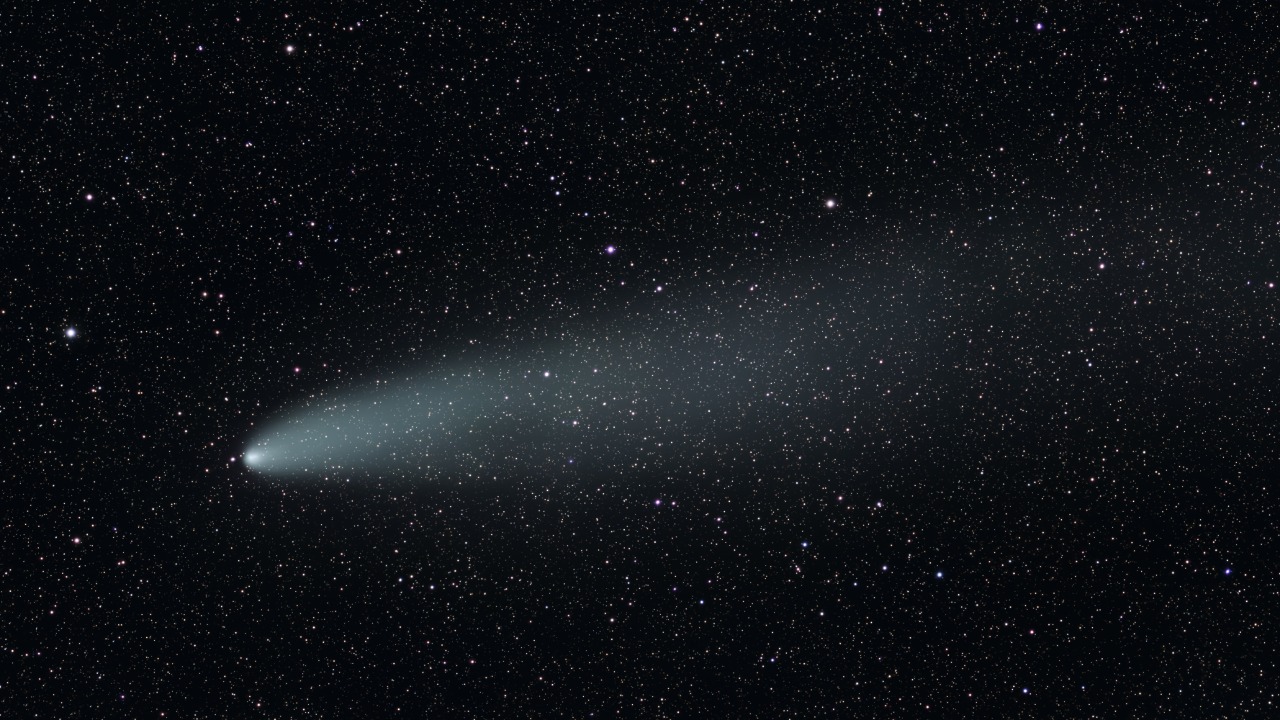
Throughout history, comets have captured the human imagination and spurred countless discoveries. The study of comets dates back to ancient civilizations, who often viewed them as omens or messengers from the gods. Notable discoveries, such as the identification of Halley’s Comet by Edmond Halley in 1705, have significantly advanced our understanding of these celestial objects and their behavior.
In addition to their scientific value, comets hold a prominent place in cultural and mythological narratives. Across various cultures, comets have been seen as harbingers of change or symbols of transformation. The green glow of Comet C/2023 A3 adds a new dimension to these stories, challenging traditional interpretations and encouraging a fresh look at the role of comets in human history.
From a scientific perspective, studying Comet C/2023 A3 provides valuable insights into the early solar system and the processes that shaped it. By analyzing the comet’s composition and trajectory, researchers can piece together a more comprehensive picture of how comets form and evolve. These findings contribute to our broader understanding of planetary formation and the dynamic nature of the solar system.
Challenges and Future Observations
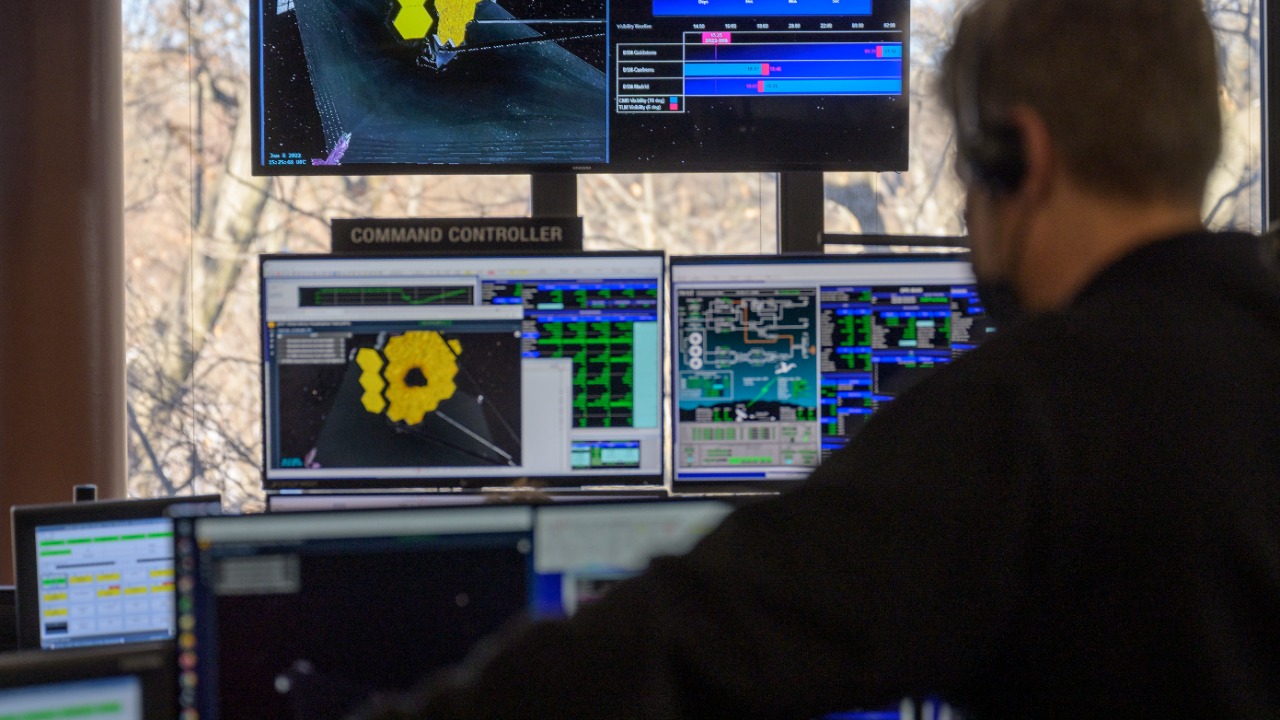
Despite the advancements in technology, astronomers face several challenges when tracking and studying distant celestial objects like Comet C/2023 A3. Limitations in telescope resolution, atmospheric interference, and the sheer distance of these objects can impede detailed observations. Additionally, environmental factors such as light pollution can hinder efforts to study the comet from Earth.
The future of cometary research looks promising, with upcoming missions and technological advancements set to enhance our capabilities. Projects such as the James Webb Space Telescope and the European Space Agency’s Comet Interceptor mission aim to provide unprecedented insights into comets and their origins. These initiatives will help overcome current limitations and pave the way for new discoveries.
As astronomers continue to monitor Comet C/2023 A3, there is much anticipation about what further observations could reveal. The comet’s distinctive green glow and unique trajectory offer a wealth of opportunities for scientific exploration. By studying this comet, researchers hope to unlock new information about the nature of comets and their role in the cosmos, enriching our understanding of the universe.