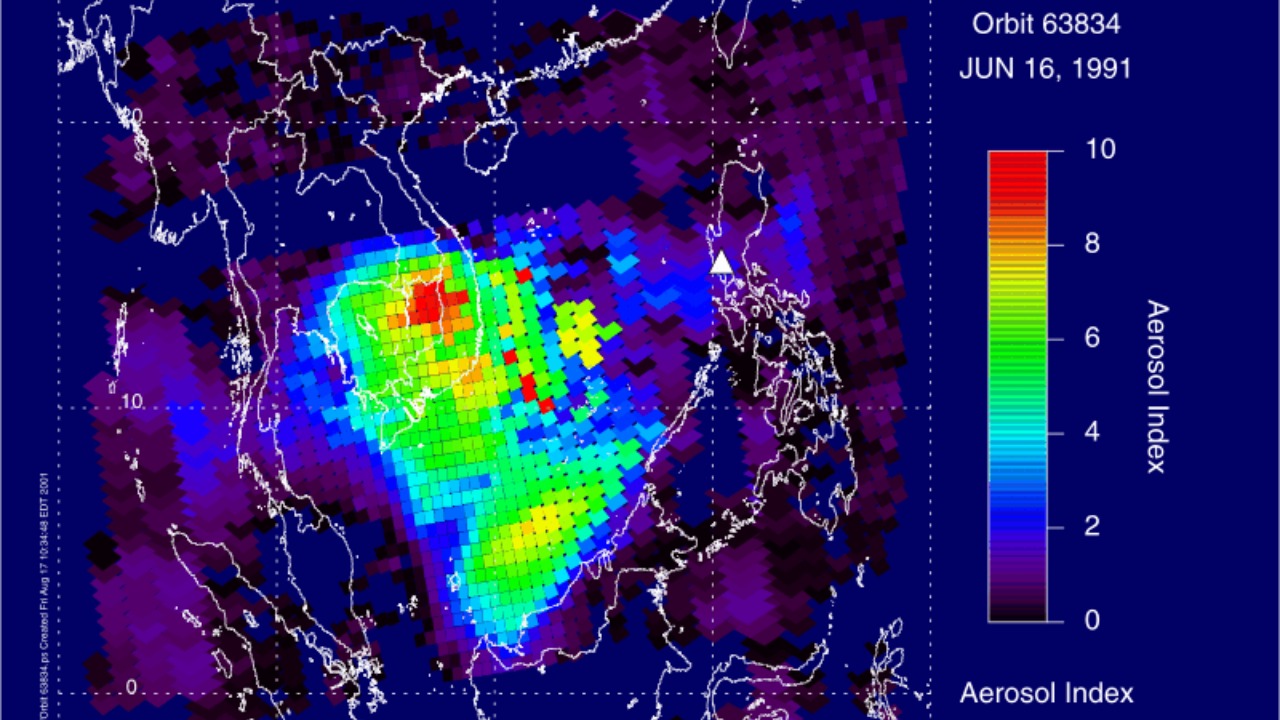

Recent advancements in artificial intelligence (AI) are revolutionizing the field of climate modeling, offering unprecedented accuracy in predicting weather patterns. These models are not only improving our understanding of regular climate behavior but are also increasingly capable of anticipating extreme weather events. As climate change continues to pose significant global challenges, AI-driven models are becoming indispensable tools for scientists and policymakers alike.
Harnessing AI for Climate Modeling

AI-powered models are transforming the way we understand and predict climate patterns by analyzing vast datasets with remarkable precision. Machine learning algorithms, which are the backbone of these models, can sift through terabytes of historical climate data to identify patterns and trends that are often imperceptible to traditional methods. This capability allows scientists to refine their forecasts and improve the reliability of climate predictions on both short and long-term scales.
The integration of AI in climate modeling is a collaborative effort between AI researchers and climate scientists. This partnership aims to enhance the accuracy and functionality of climate models by leveraging the strengths of both fields. For example, AI algorithms can process satellite imagery and other remote sensing data to provide real-time insights into atmospheric conditions. Such advancements are crucial for improving the precision of weather forecasts and climate projections, ultimately aiding in the development of effective climate policies.
Challenges in Predicting Extreme Weather Events
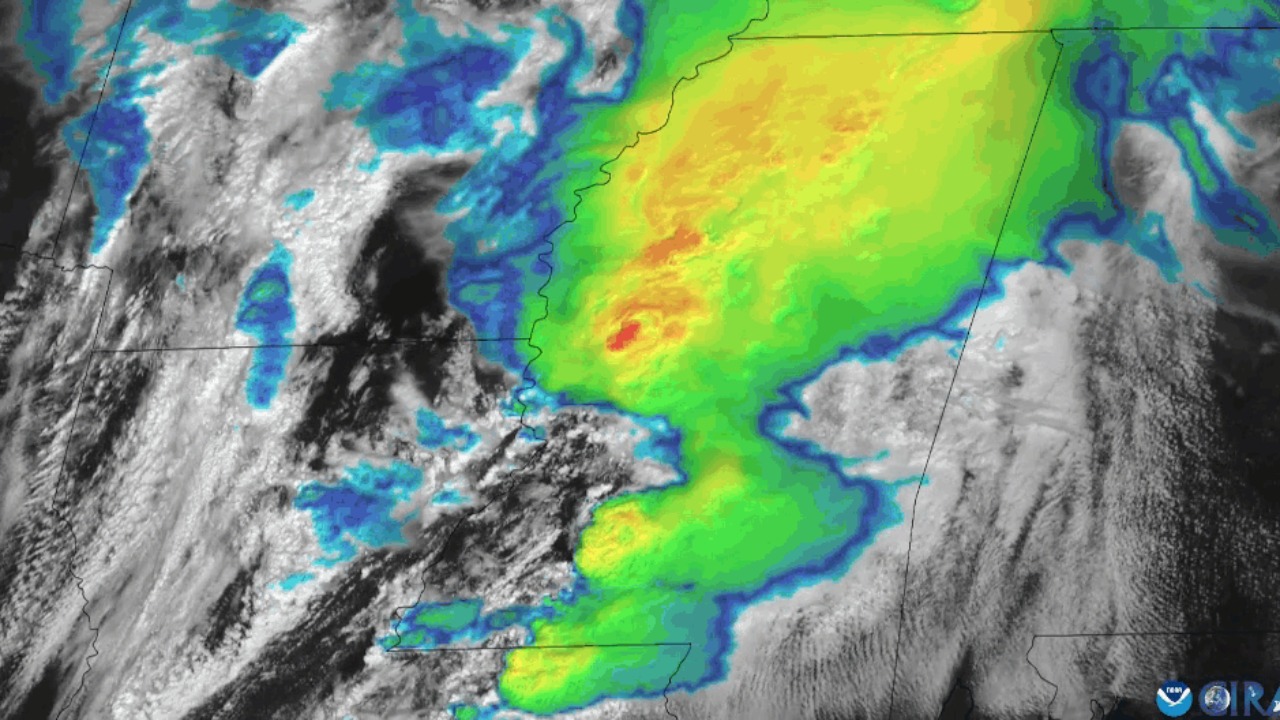
Despite the progress in AI-driven climate modeling, predicting extreme weather events remains a significant challenge. Accurate forecasting of rare and severe weather phenomena, such as hurricanes, tornadoes, or flash floods, requires models to account for numerous variables that can change rapidly. Although AI models have shown promise in forecasting freak weather events, they occasionally fall short in capturing the full complexity of such occurrences.
Case studies have highlighted both the successes and limitations of AI models in extreme weather forecasting. For instance, an AI model might predict the general trajectory of a hurricane but struggle to anticipate its sudden intensification or deviation. Ongoing research efforts focus on enhancing AI’s capability by incorporating more comprehensive datasets and improving algorithmic sophistication. This includes developing models that can learn from past prediction errors to refine their future forecasts, thereby increasing their reliability in predicting extreme weather events.
AI’s Role in Understanding Climate Change
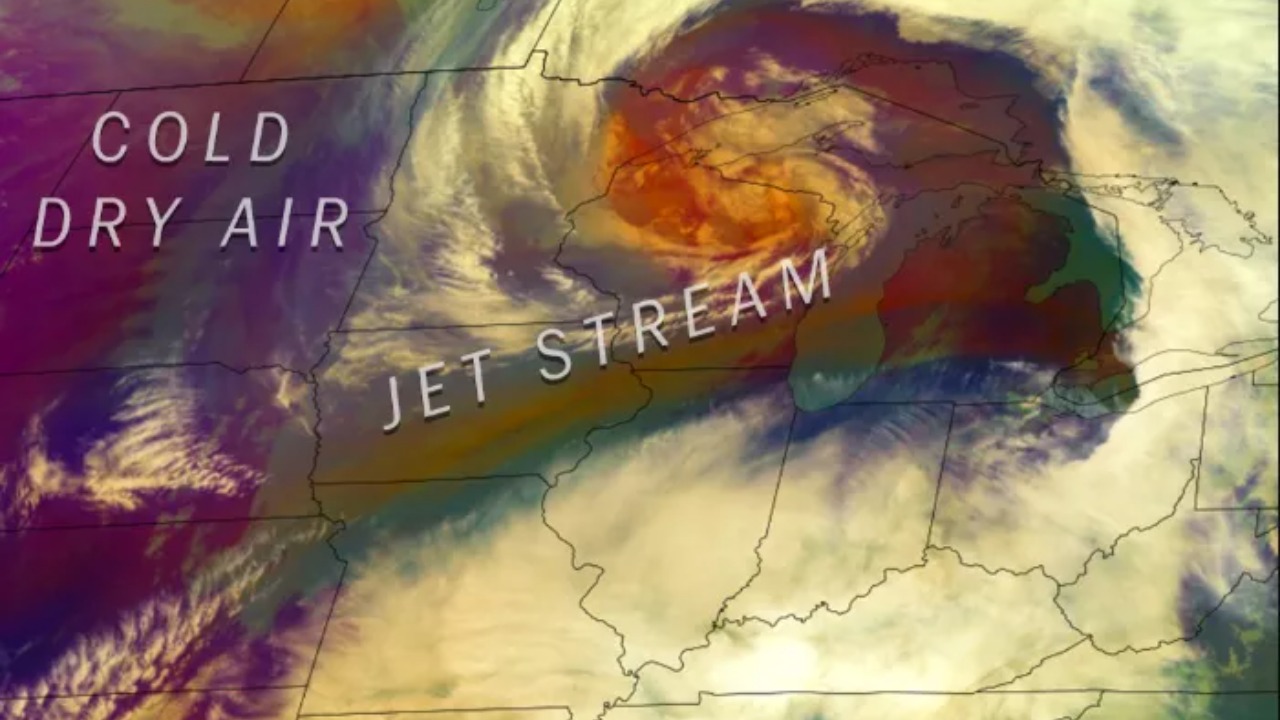
AI models play a pivotal role in understanding long-term climate change patterns. By processing extensive climate data, these models can simulate future climate scenarios and assess potential impacts on various regions. AI’s ability to predict how climate change will affect specific areas is invaluable for formulating targeted adaptation and mitigation strategies. For example, models can forecast the likelihood of droughts in arid regions or rising sea levels in coastal areas, enabling policymakers to plan accordingly.
Moreover, AI is instrumental in testing climate change mitigation strategies. By simulating the effects of different interventions, such as reducing emissions or increasing renewable energy usage, AI models can provide insights into the most effective measures for combating climate change. This capability not only aids in decision-making but also helps prioritize resources for maximum impact. As a tool for exploring the potential outcomes of various climate policies, AI has become an essential asset for scientists and policymakers worldwide.
Comparing AI Models to Traditional Climate Models

When comparing AI-driven models to traditional climate models, several differences in accuracy and efficiency emerge. AI models often excel in processing large datasets and identifying subtle patterns, leading to more precise and timely forecasts. However, traditional models, which rely on established physical laws and equations, provide a solid foundation for understanding fundamental climate processes. Each approach has its strengths and limitations, and their effectiveness can vary depending on the specific application.
Hybrid models that combine AI with traditional methodologies are gaining traction as a means to harness the best of both worlds. By integrating AI’s data-driven insights with the robust theoretical framework of traditional models, these hybrid approaches can enhance overall prediction accuracy. Researchers continue to explore ways to optimize these models, aiming to achieve a balance between computational efficiency and scientific rigor. As climate science advances, the potential for hybrid models to revolutionize climate forecasting becomes increasingly apparent.
Future Directions and Implications of AI in Climate Science

Looking ahead, the future of AI in climate science holds exciting possibilities. Continued advancements in AI technologies promise to further refine climate models and improve our ability to predict weather patterns and long-term climate changes. Innovations such as quantum computing and advanced neural networks could significantly enhance the processing power and predictive capabilities of AI models, opening new avenues for research and application.
The socio-economic impacts of improved climate forecasting through AI are profound. By providing more accurate predictions, AI models can help mitigate the adverse effects of climate change on communities and economies. For instance, accurate forecasts can inform agricultural practices, water management, and disaster preparedness, ultimately contributing to greater resilience and sustainability. Policymakers can leverage these insights to develop more effective climate action plans and allocate resources more efficiently.
As AI continues to play an integral role in global climate initiatives, its policy implications become increasingly significant. Governments and organizations must consider the ethical and practical aspects of AI deployment in climate science, ensuring that these technologies are used responsibly and equitably. By fostering collaboration between AI experts, climate scientists, and policymakers, we can harness the full potential of AI to address the pressing challenges of climate change and build a more sustainable future.