

Scientists have made significant strides in developing an artificial photosynthesis system that mimics the natural process through which plants convert sunlight into energy. This innovation holds the promise of transforming clean fuel production by providing a sustainable and environmentally friendly energy source. The following sections explore the scientific principles, technological advancements, and potential impacts of this groundbreaking technology.
The Science Behind Artificial Photosynthesis
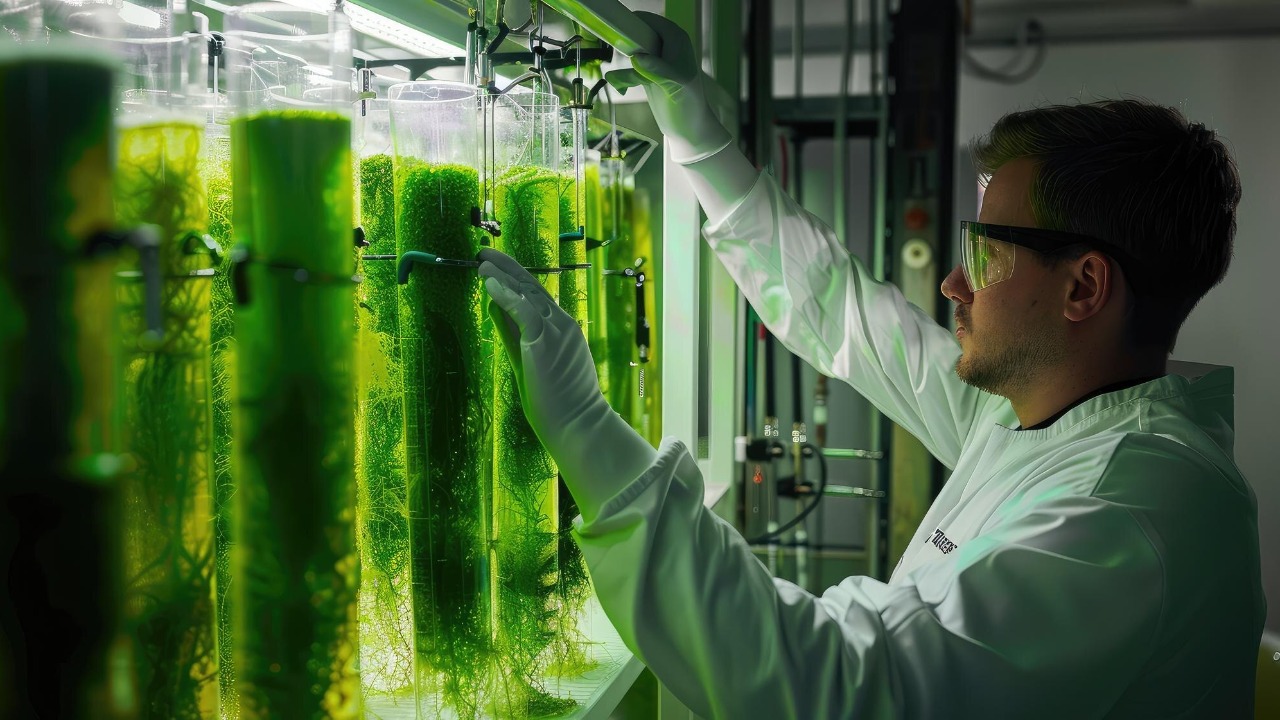
Explanation of Natural Photosynthesis
Natural photosynthesis is a complex process in which plants, algae, and some bacteria convert sunlight, water, and carbon dioxide into glucose and oxygen. This process is not only fundamental for plant growth but also plays a critical role in the global carbon cycle, helping to regulate atmospheric carbon dioxide levels. The efficiency of natural photosynthesis, while varying among species, is a marvel of biological engineering, converting about 1-2% of sunlight into chemical energy.
The ability of plants to perform photosynthesis has long intrigued scientists, especially given its intricate biochemical pathways and efficiency. Understanding these natural processes provides a foundational blueprint for creating artificial systems that aim to replicate the same energy conversion mechanisms.
Replicating Nature
Replicating the intricate process of photosynthesis involves significant technological innovations. Scientists have developed systems that capture sunlight and convert it into chemical energy, much like plants do. The use of advanced materials and methods, such as semiconductors and specialized catalysts, plays a crucial role in this endeavor. These materials are designed to absorb sunlight and facilitate the conversion of carbon dioxide and water into fuel molecules like hydrogen or methanol.
Research in artificial photosynthesis has made substantial progress, particularly with the integration of nanotechnology. By leveraging nanoscale materials, scientists can optimize the light-absorbing capabilities of artificial systems, enhancing their efficiency and effectiveness in energy conversion. For further insights, a detailed exploration can be found in this study detailing the recent advancements in the field.
Technological Innovations and Challenges

Advances in Materials
One of the most exciting developments in artificial photosynthesis is the creation of new catalysts and semiconductors that improve the system’s efficiency. These materials are engineered to more effectively capture and utilize sunlight, facilitating the conversion of carbon dioxide and water into usable fuels. Nanotechnology has been particularly instrumental, allowing for the precise design of materials at the atomic level to enhance their light-absorbing properties.
For instance, researchers at Purdue University are at the forefront of such innovations, developing materials that promise to make artificial photosynthesis a viable source of clean energy. For more information, you can explore their work here.
Overcoming Efficiency Barriers
Despite these advancements, achieving efficiency comparable to natural photosynthesis remains a significant challenge. Current artificial systems often fall short in terms of stability and scalability, which are critical for real-world applications. Researchers are actively working to overcome these barriers by experimenting with new materials and refining the design of photosynthetic systems.
Ongoing research aims to improve the durability and operational lifespan of these systems, ensuring they can withstand environmental conditions while maintaining high efficiency. As scientists continue to address these challenges, the potential for artificial photosynthesis to contribute significantly to clean energy production becomes increasingly promising. A comprehensive overview of these efforts can be found in this research article.
Potential Impact on Clean Energy

Environmental Benefits
Artificial photosynthesis offers substantial environmental benefits, primarily through its potential to reduce carbon emissions and reliance on fossil fuels. By converting sunlight into clean fuels, this technology can help mitigate the impacts of climate change and decrease pollution levels. The ability to produce energy sustainably aligns with global efforts to transition toward renewable energy sources.
Furthermore, the widespread adoption of artificial photosynthesis could play a crucial role in addressing energy needs without exacerbating environmental issues. As the technology advances, it holds the promise of providing an abundant and sustainable energy source, reducing our carbon footprint significantly.
Economic Opportunities
The development and implementation of artificial photosynthesis systems could spur economic growth by creating new industries and job opportunities in the renewable energy sector. As demand for clean energy solutions increases, so does the potential for investment in research, development, and commercialization of artificial photosynthesis technologies.
Government and private sector investments are vital in advancing these technologies, supporting research initiatives, and fostering collaboration among scientists and industry leaders. With the right support, artificial photosynthesis could become a cornerstone of the future energy landscape. For a glimpse into the economic implications, consider the discussion presented in this publication.
Global Research and Collaboration

Leading Research Institutions
Several key research institutions and universities are spearheading efforts to advance artificial photosynthesis. These organizations are not only at the forefront of scientific discovery but also facilitate international collaborations that enhance the sharing of knowledge and resources. Notable institutions include the Joint Center for Artificial Photosynthesis in the United States and prominent universities in Europe and Asia.
The global nature of this research underscores the importance of collaborative efforts in tackling the technical challenges and scaling the technology for widespread use. By pooling expertise and resources, these institutions are driving progress toward making artificial photosynthesis a practical reality.
Future Prospects
Looking ahead, several potential developments and breakthroughs in artificial photosynthesis are anticipated. These advancements are expected to improve the efficiency and scalability of the technology, making it a more viable option for large-scale energy production. The importance of policy support in accelerating research and development cannot be overstated, as it plays a crucial role in enabling scientific progress.
As researchers continue to explore innovative solutions, the future of artificial photosynthesis looks promising. By integrating this technology with other renewable energy sources, we can envision a future where artificial photosynthesis contributes significantly to meeting global energy needs. For further exploration of these future directions, consider perusing the insights shared in this article.