

Recent advancements in propulsion technology have the potential to revolutionize space travel, particularly in reducing the travel time to Mars. These innovations, rooted in cutting-edge research and engineering, could make interplanetary travel more feasible and efficient. The latest breakthroughs in propulsion systems and their implications for future Mars missions are truly fascinating.
The Current State of Mars Travel
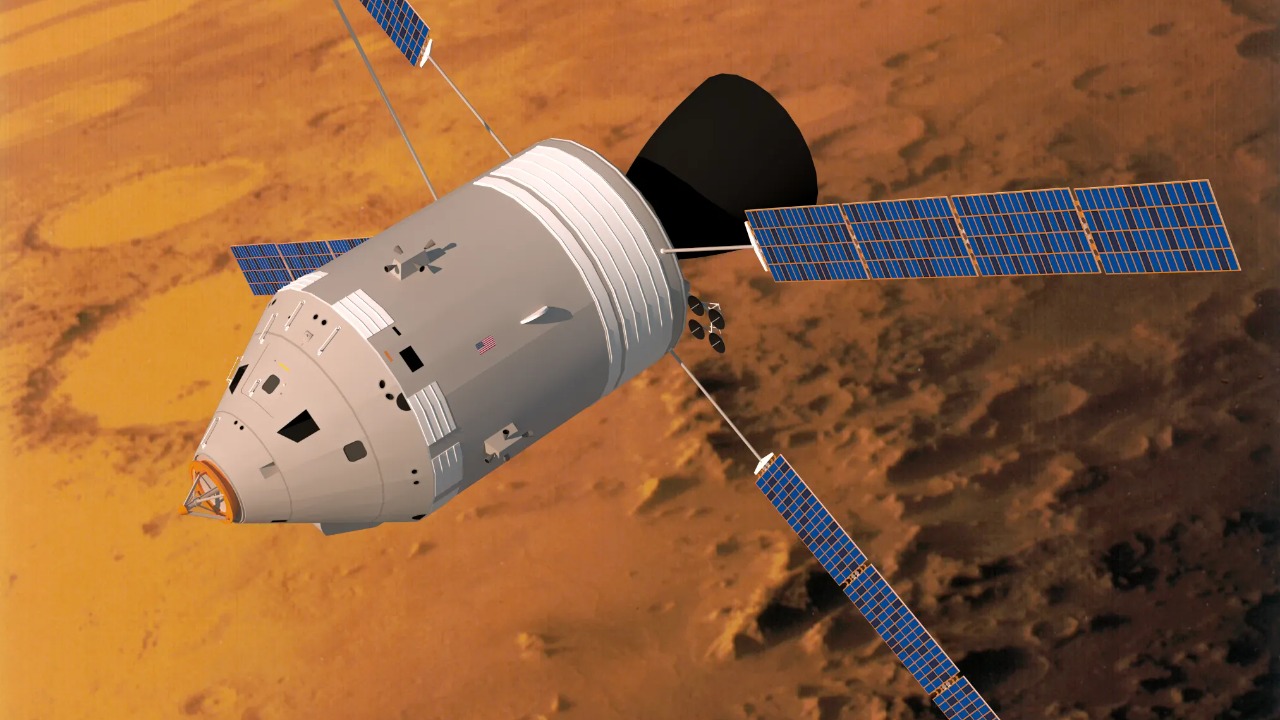
Current Mars missions primarily rely on chemical propulsion technologies. These systems, which have been the backbone of space exploration for decades, use chemical reactions to produce the thrust needed to propel spacecraft. While effective, these traditional methods face significant limitations. For instance, chemical propulsion is inherently limited by fuel efficiency and the sheer amount of propellant required for long-duration missions. This results in extended travel times, typically around six to nine months to reach Mars, depending on planetary alignment and mission specifics.
Recent missions, such as NASA’s Perseverance Rover, have adhered to these timelines, highlighting the urgent need for faster travel solutions. The extended duration not only increases the risks associated with space travel, such as exposure to cosmic radiation and the psychological effects of long isolation, but it also limits the windows of opportunity for launch and landing. As a result, the push to develop more advanced propulsion systems is becoming increasingly critical.
Breakthroughs in Propulsion Technology
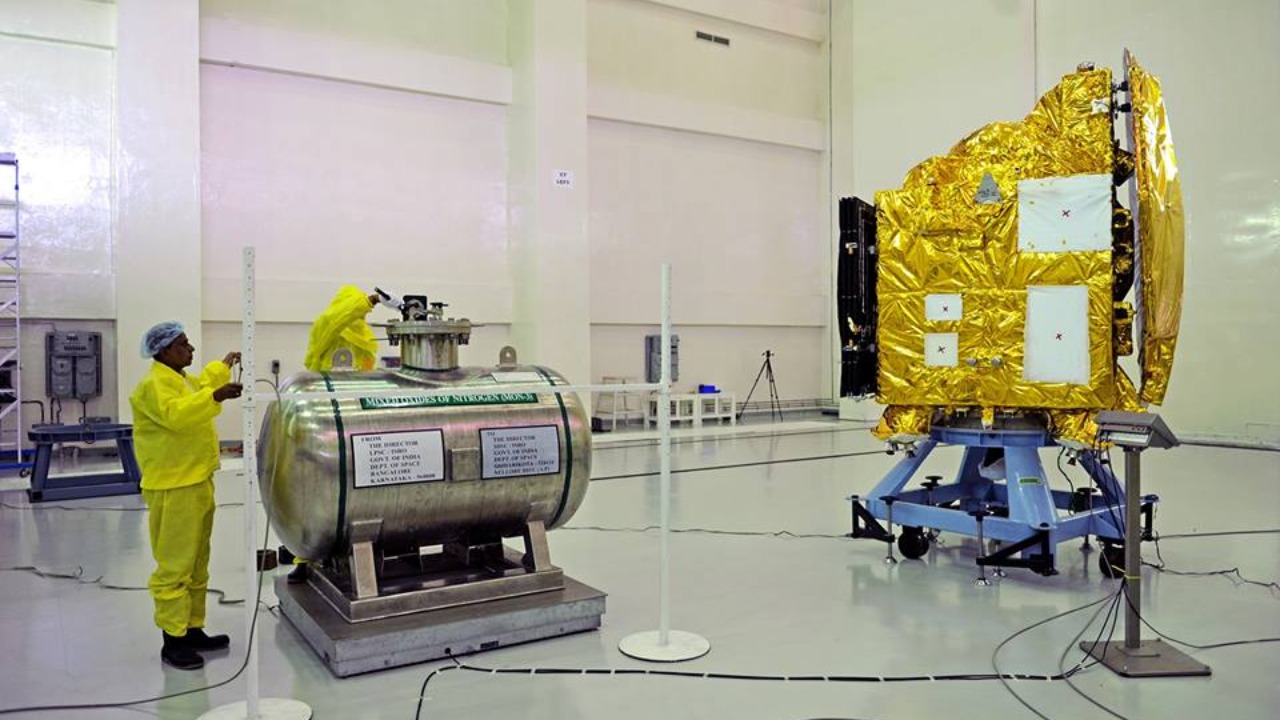
Innovative propulsion concepts are emerging as promising alternatives to traditional methods. Among these, fusion rockets and electric propulsion systems are garnering significant attention. Fusion propulsion, in particular, is being hailed as a potential game changer. This technology relies on nuclear fusion reactions to generate thrust, offering the prospect of much higher efficiency compared to chemical propulsion.
Electric propulsion systems, such as ion thrusters, are also being explored for their potential to drastically improve fuel efficiency and thrust capabilities. According to key research findings from leading aerospace institutions, these new technologies could provide significant advantages, including the ability to sustain thrust for longer periods, thereby reducing travel time to Mars. The potential of these systems is underscored by studies published in reputable sources, such as the Journal of Propulsion and Power, which detail the advancements and potential applications of these propulsion methods.
Fusion Propulsion: A Game Changer?
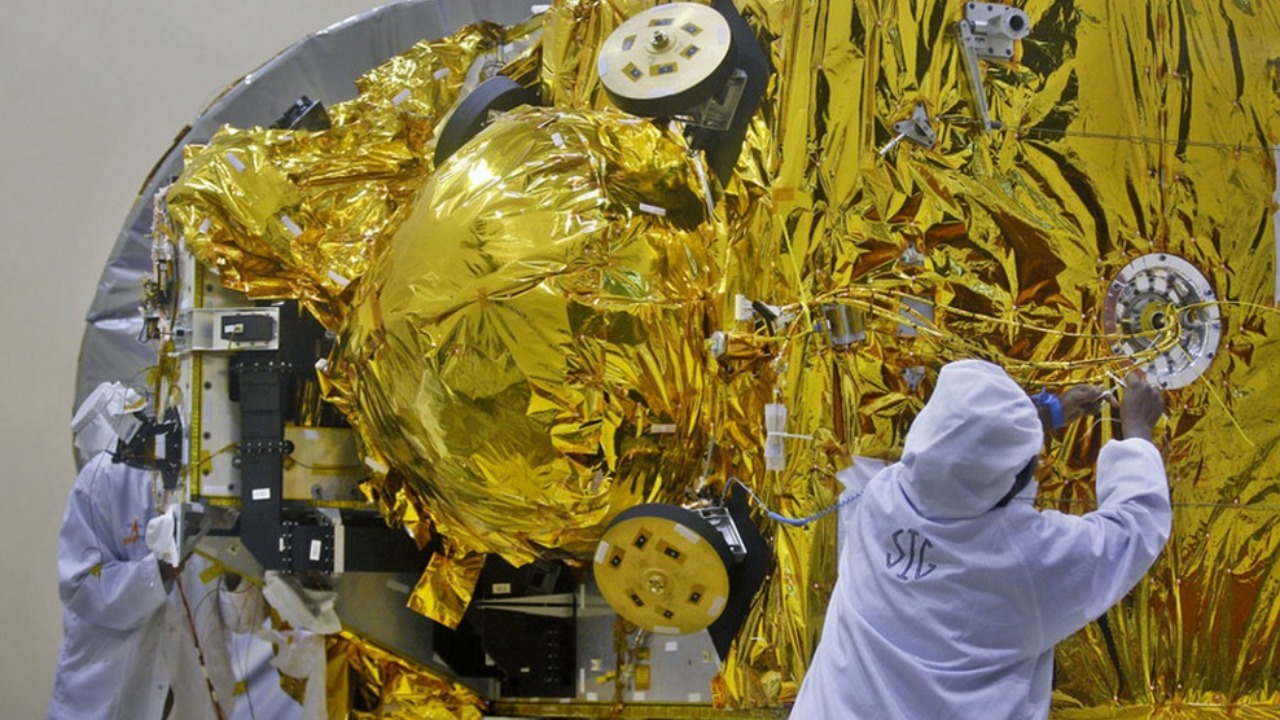
Fusion propulsion technology is based on the principles of nuclear fusion, where atomic nuclei combine to form a heavier nucleus, releasing energy in the process. This method has the potential to provide a nearly limitless and highly efficient source of power for spacecraft. Recent studies and experimental projects have demonstrated the feasibility of fusion propulsion, with some promising results. For instance, the American Institute of Aeronautics and Astronautics has published research showcasing the theoretical underpinnings of fusion propulsion and its potential impact on space travel.
One particularly exciting development is the concept of a fusion rocket that could halve the travel time to Mars. A recent concept video has captured widespread attention by illustrating how such a rocket might operate. By significantly reducing travel time, fusion propulsion could transform the logistics of Mars missions, making it feasible to undertake more frequent and safer journeys.
Challenges and Considerations

Despite the promise of new propulsion technologies, several challenges remain. Technical and engineering hurdles must be overcome to make these systems viable for long-duration space missions. For instance, fusion propulsion requires the development of materials that can withstand extreme temperatures and pressures. Additionally, there are concerns about the safety and reliability of deploying these advanced systems in space, given their complexity and the potential consequences of failure.
Cost is another critical consideration. The development and implementation of cutting-edge propulsion systems require substantial investment, which can be a barrier to progress. There are also regulatory and environmental concerns to address. For example, the potential for radiation exposure from nuclear-based propulsion systems raises questions about environmental safety and the need for stringent regulatory oversight. The American Institute of Physics highlights these challenges in its discussions on advanced propulsion technologies.
Implications for Future Mars Missions
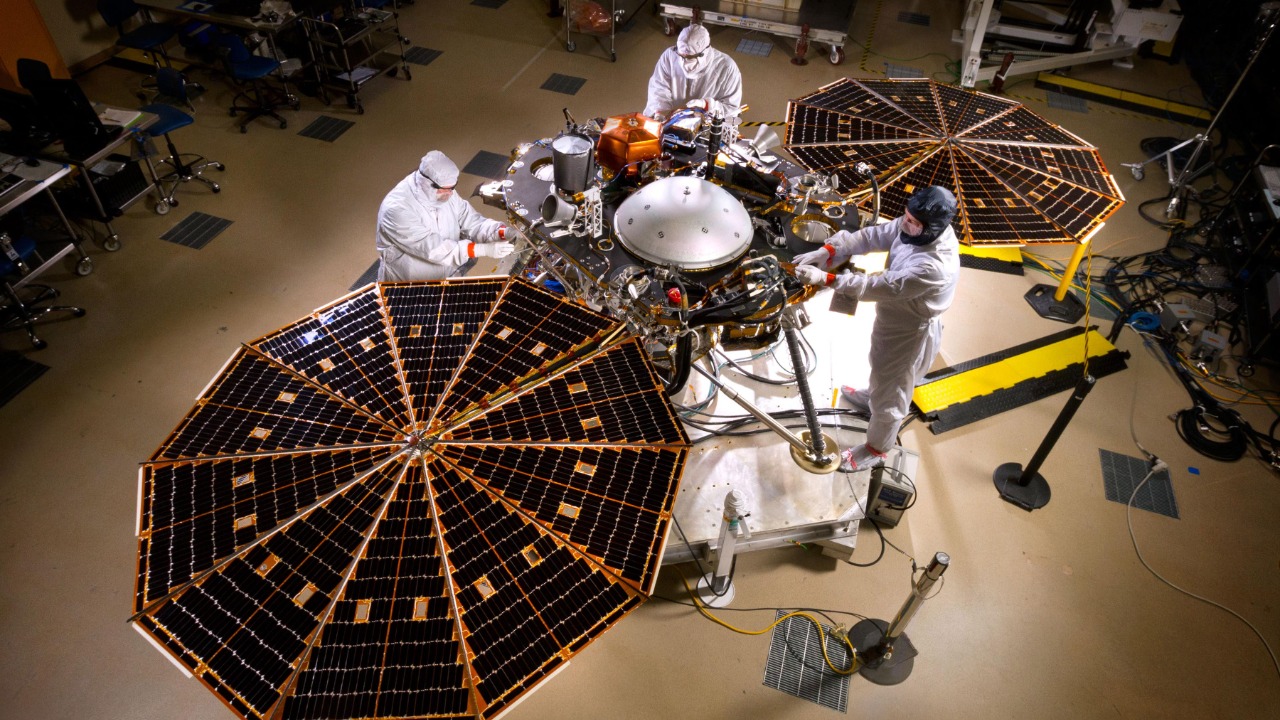
The potential reduction in travel time to Mars has several implications for future missions. Faster journeys could significantly enhance mission planning by allowing for more flexible launch windows and reducing the time astronauts spend in transit. This, in turn, could improve astronaut safety by minimizing exposure to cosmic radiation and the physical and psychological challenges of long-duration space travel.
Moreover, advanced propulsion technologies could foster international collaboration and competition in space exploration. Countries and private companies investing in these technologies could gain a strategic advantage in the race to explore and potentially colonize Mars. As these technologies mature, they may play a critical role in the long-term vision for human settlement on Mars and beyond, enabling more sustainable and efficient exploration of the solar system.
In conclusion, while significant challenges remain, the breakthroughs in propulsion technology hold the promise of transforming our approach to Mars exploration. As research and development continue, the dream of faster and more efficient interplanetary travel moves closer to reality, reshaping the future of human space exploration.