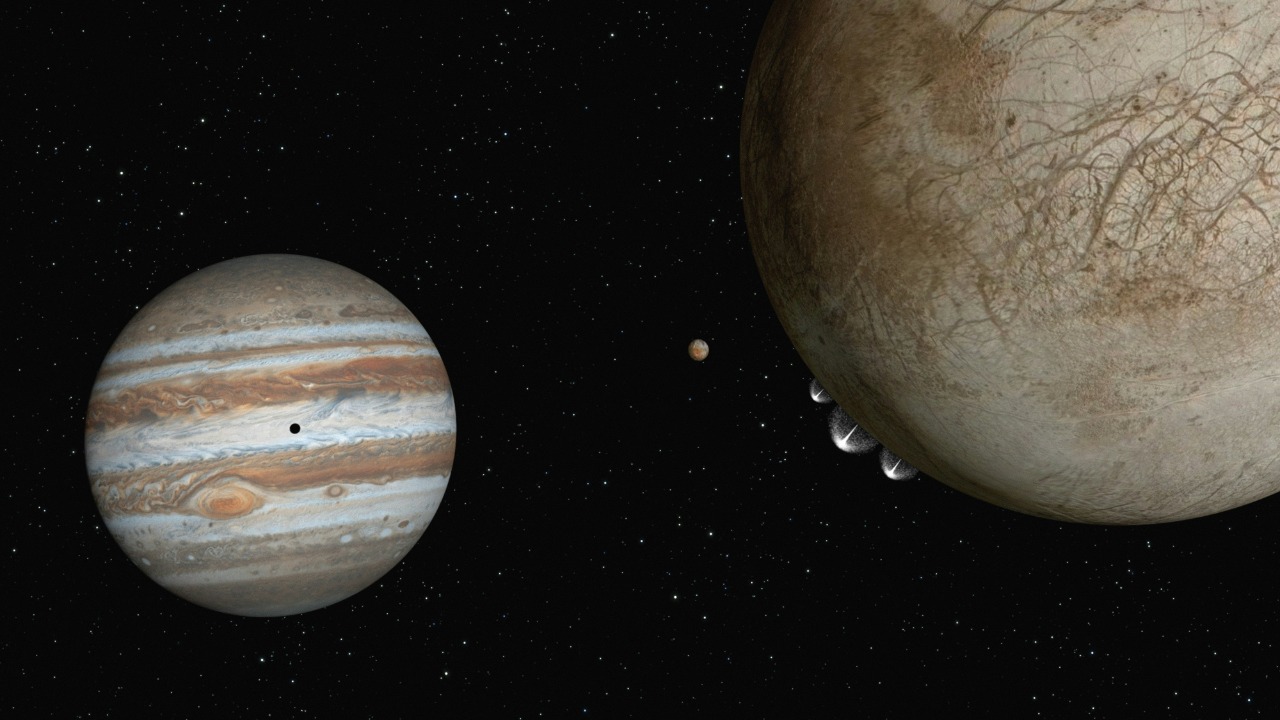

A recent discovery by a space probe has detected potential indications of a subsurface ocean on Europa, one of Jupiter’s moons. This revelation has ignited scientific excitement as it strengthens the hypothesis that Europa might harbor conditions suitable for life. The findings could revolutionize our understanding of extraterrestrial environments and the possibility of life beyond Earth.
The Significance of Europa’s Ocean
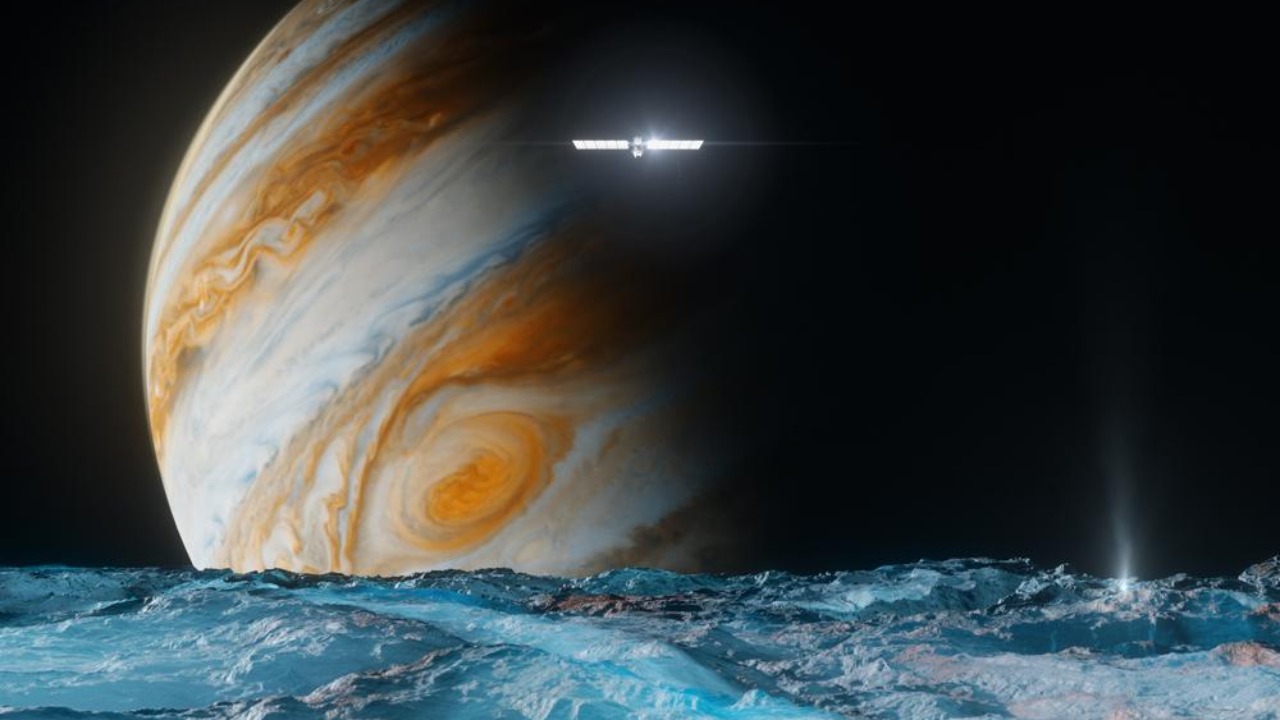
The exploration of Europa has been a focus of scientific curiosity ever since missions like Galileo began to uncover the mysteries of this icy moon. Launched in 1989, the Galileo mission provided critical data that hinted at the existence of a subsurface ocean, thanks to its detailed study of the moon’s surface and magnetic field. These missions laid the groundwork for understanding Europa’s icy crust and the tantalizing possibility of an ocean lurking beneath it.
The discovery of a subsurface ocean on Europa holds profound implications for astrobiology. This potential ocean, kept liquid by tidal heating, could provide the necessary conditions for microbial life. The presence of water is a fundamental requirement for life as we know it, and Europa’s ocean could host environments similar to Earth’s deep-sea hydrothermal vents. These vents are home to diverse ecosystems, thriving without sunlight and relying on chemical energy, suggesting that similar life forms could exist on Europa.
Technological advancements have played a crucial role in detecting signs of a subsurface ocean. Improved spectrometry and radar imaging, for instance, have enabled more precise measurements of Europa’s surface and subsurface characteristics. These technologies allow scientists to analyze the moon’s icy crust and identify potential areas where water might be near the surface, further supporting the possibility of an ocean beneath.
The Space Probe’s Mission and Findings

The mission of the space probe that detected these new signs of a subsurface ocean was meticulously planned to explore Europa’s surface and subsurface features. Equipped with sophisticated instruments, the probe aimed to gather data on the moon’s ice shell, magnetic field, and geological activity. By doing so, it sought to provide scientists with the information needed to assess the potential for habitability on Europa.
Among the key findings were anomalies in the magnetic field and variations in surface composition that strongly suggest the presence of a subsurface ocean. These observations align with previous data collected by the Galileo mission, further strengthening the hypothesis. The probe’s measurements of Europa’s magnetic field, for instance, indicated the presence of a conductive layer beneath the surface, likely composed of salty liquid water.
However, interpreting the data from the probe is not without its challenges. The complexities of Europa’s environment and the limitations of remote sensing technologies make it difficult to confirm the presence of an ocean definitively. Scientists must carefully analyze the data, considering various factors that could influence the readings, such as ice thickness, surface features, and external magnetic influences.
Implications for Astrobiology
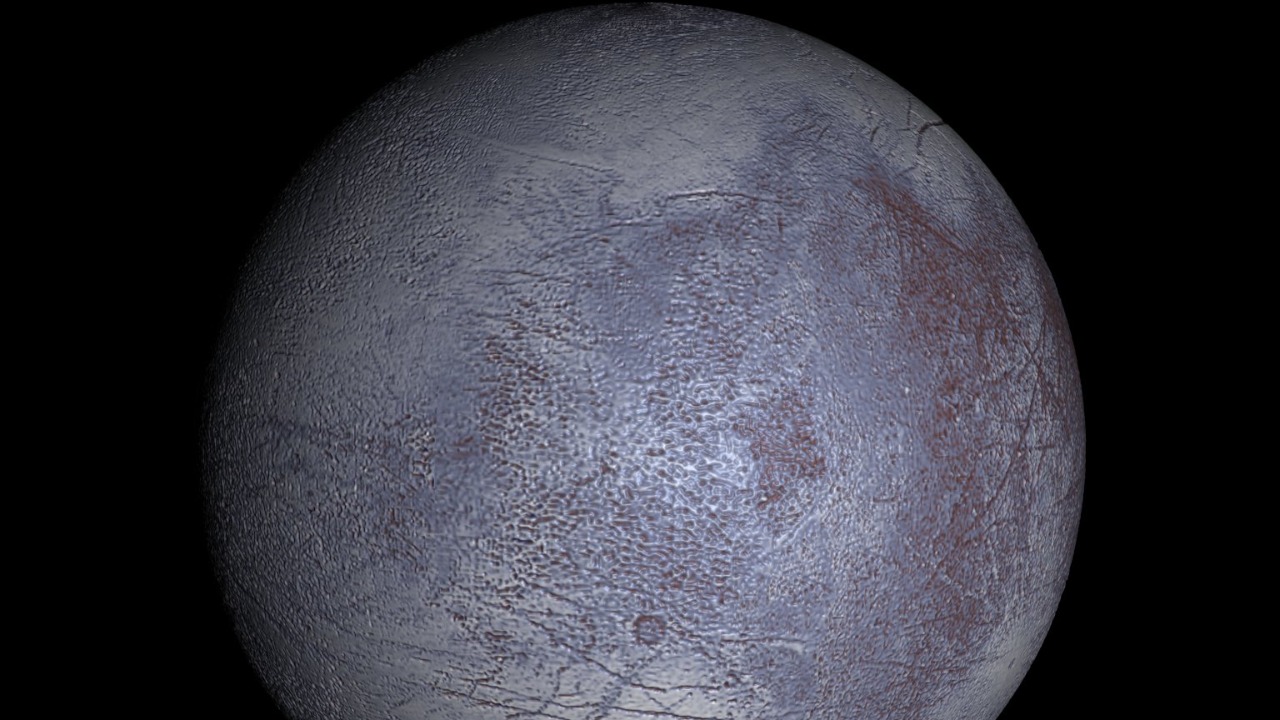
The potential existence of a subsurface ocean on Europa opens up exciting possibilities for the presence of life beyond Earth. If microbial life has indeed evolved in such an environment, it would provide valuable insights into the adaptability of life and its ability to thrive in extreme conditions. The discovery of life on Europa would profoundly impact our understanding of biology and the potential for life elsewhere in the universe.
Comparisons with Earth’s oceans, particularly its deep-sea ecosystems, highlight intriguing similarities that could support life on Europa. Earth’s hydrothermal vent communities, which rely on chemosynthesis rather than photosynthesis, demonstrate that life can exist in environments without sunlight. The potential ocean on Europa could create similar habitats, supporting organisms that thrive in the dark, cold depths beneath the icy crust.
Future research efforts, such as the upcoming Europa Clipper mission, are designed to further investigate Europa’s ocean and its potential for life. Scheduled for launch in the 2020s, this mission will carry advanced instruments to study Europa’s ice shell, subsurface ocean, and surface composition in greater detail. The data collected will help scientists determine the moon’s habitability and search for signs of life.
Technological and Scientific Challenges

Despite the exciting potential of Europa’s subsurface ocean, there are significant technological and scientific challenges to overcome. Current space probe technology, while advanced, has limitations in detecting and analyzing subsurface oceans. Instruments must be able to penetrate Europa’s thick ice shell and provide accurate data on the underlying conditions, which is a difficult task given the harsh environment.
Data analysis complexities arise from the vast amounts of information collected by space probes. Scientists must sift through this data to identify meaningful signals that could indicate the presence of an ocean. This process requires sophisticated algorithms and models to interpret the data accurately and distinguish between genuine signs of water and other geological features.
Exploring Europa also presents environmental challenges, such as extreme temperatures and high levels of radiation from Jupiter. These conditions necessitate the development of robust engineering solutions to protect spacecraft and instruments. Researchers are working on innovative technologies to withstand these harsh conditions, ensuring that future missions can safely and effectively explore Europa’s surface and subsurface.
The Future of Europa Exploration
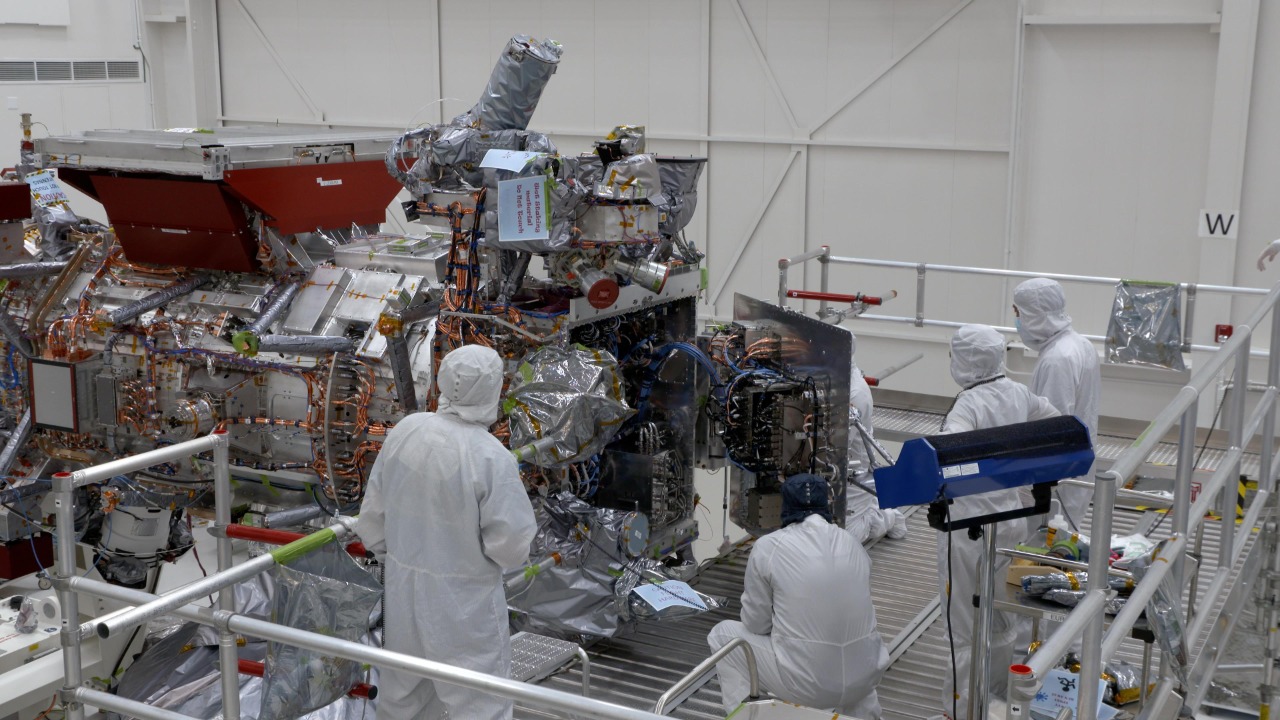
The future of Europa exploration is bright, with several ambitious missions on the horizon. The Europa Clipper mission is one such initiative, aiming to conduct detailed reconnaissance of Europa’s ice shell and ocean. This mission, involving international collaborations, will provide crucial data to guide future explorations and enhance our understanding of Europa’s potential for life.
Long-term goals for space exploration include not only the search for life but also the potential for human exploration and settlement of other celestial bodies. Understanding Europa’s environment and its potential for habitability could inform strategies for future human missions to the outer solar system. Such efforts could pave the way for humans to explore and perhaps even colonize distant moons and planets.
Europa’s role in the search for extraterrestrial life is pivotal. As one of the most promising candidates for hosting life beyond Earth, Europa could hold the key to answering fundamental questions about our place in the universe. By continuing to explore this icy moon, we edge closer to unlocking the secrets of life in the cosmos and gaining a deeper understanding of our own planet’s biology and origins.