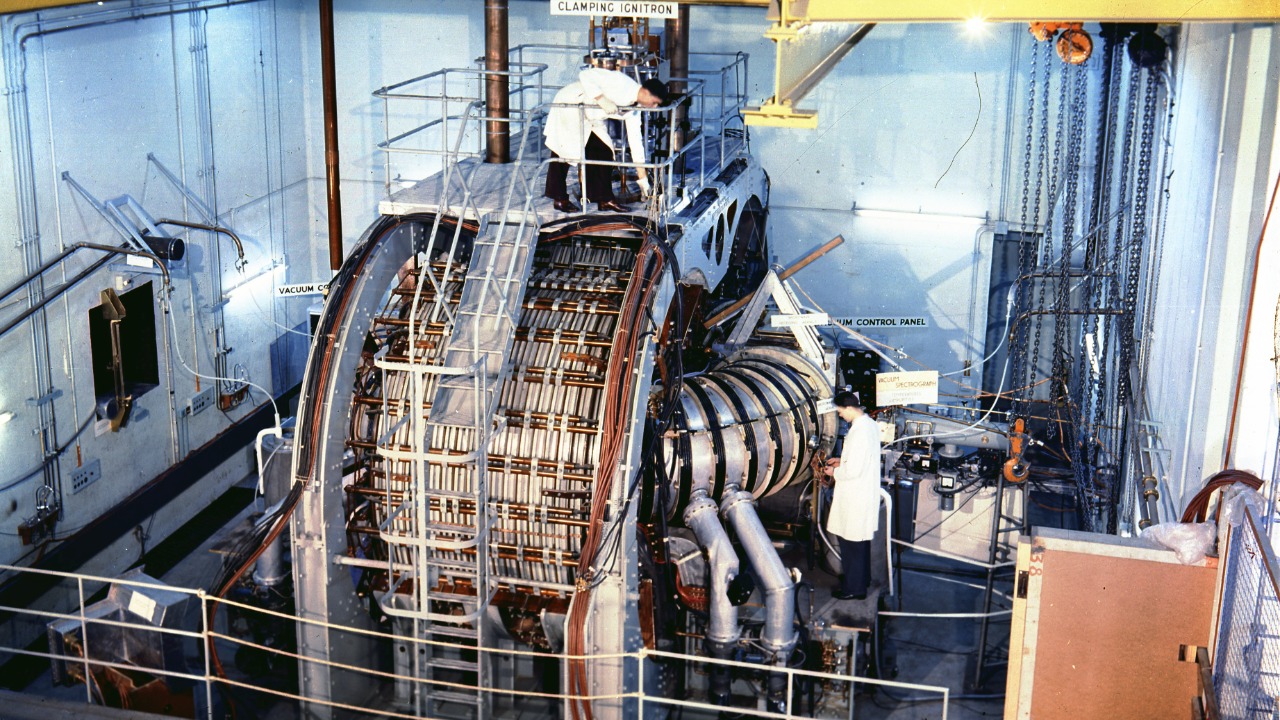

After decades of research and development, a fusion reactor has finally achieved a continuous net energy output, marking a pivotal moment in the pursuit of sustainable energy. This groundbreaking achievement, hailed as one of the most impressive scientific feats of the 21st century, could potentially revolutionize the global energy landscape. As nations compete to lead this new era of energy production, the implications for the environment, economy, and technology are profound.
The Breakthrough in Fusion Energy

The recent milestone in fusion energy represents a significant leap forward in the quest for a clean and virtually limitless energy source. For the first time, a fusion reactor has maintained a continuous net energy output, a feat that has been the dream of scientists since the 1950s. This breakthrough was made possible by advances in laser ignition techniques, which have been the focus of extensive research. These lasers are used to heat and compress hydrogen fuel to the necessary temperatures and pressures for fusion to occur. The Lawrence Livermore National Laboratory played a pivotal role in achieving this milestone, utilizing state-of-the-art technology to reach the conditions needed for sustained fusion reactions.
In contrast to previous attempts, this achievement overcomes significant challenges, such as the instability of plasma and the immense energy input required to initiate the reaction. Earlier efforts often fell short, unable to produce more energy than was consumed. However, the latest advancements have not only achieved but exceeded the break-even point, where the energy output surpasses the input. This marks a critical turning point, demonstrating that sustained fusion is not just theoretically possible but practically achievable on a continuous basis.
Global Competition and Collaborations
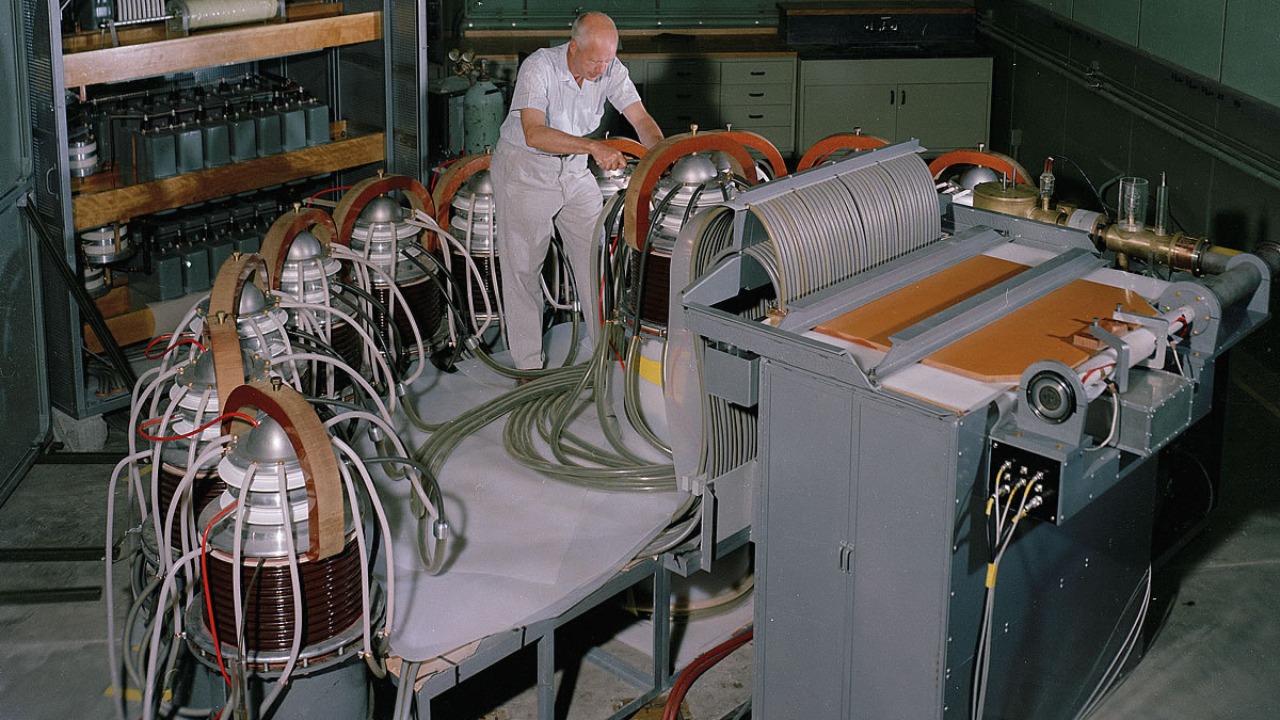
As countries race to harness fusion energy, China has emerged as a formidable contender. The nation has made substantial strategic investments in fusion technology, positioning itself as a leader in this field. China’s commitment to advancing fusion is evident in their construction of sophisticated reactors and their ability to achieve significant scientific strides. These efforts are supported by a robust infrastructure and a growing pool of skilled scientists dedicated to pushing the boundaries of fusion research.
Meanwhile, the United States continues to play a crucial role through both public and private sector collaborations. American initiatives, such as those by the Department of Energy, are complemented by private enterprises eager to capitalize on fusion’s potential. Collaborations with international partners have been instrumental, facilitating the exchange of knowledge and resources. Such alliances underscore the importance of international treaties that promote cross-border scientific endeavors, enabling a collective effort towards achieving fusion energy viability.
Environmental and Economic Implications

The potential environmental benefits of fusion energy are vast. By producing minimal radioactive waste and emitting no greenhouse gases, fusion energy offers a powerful tool in the fight against climate change. The ability to significantly reduce carbon emissions aligns with global efforts to mitigate environmental impact and move towards sustainable energy solutions. As fusion technology becomes more widespread, it could play a pivotal role in meeting international climate goals and reducing reliance on fossil fuels.
The economic implications of fusion energy are equally profound. With the potential to disrupt existing energy markets, fusion could lead to a reconfiguration of global energy dynamics. The shift from fossil fuels to a fusion-based energy economy may create new industries and job opportunities, fostering economic growth. However, this transition also poses challenges, such as the economic displacement of traditional energy sectors. Policymakers must navigate these changes carefully, ensuring that the benefits of fusion energy are distributed equitably and that communities affected by the shift are supported.
Future Prospects and Challenges

While the achievement of continuous net energy output represents a monumental step forward, several hurdles remain before fusion energy can be commercially deployed. Experts predict that it may take several decades before fusion reactors can be scaled up for widespread use. Key challenges include developing materials that can withstand the extreme conditions within a fusion reactor and improving the cost-effectiveness of the technology.
Technological innovation will be critical to overcoming these challenges. Advancements in superconducting materials, robotics for reactor maintenance, and efficient energy conversion methods are essential for the future of fusion energy. Additionally, the development of comprehensive regulatory and policy frameworks will be necessary to support the integration of fusion energy into the global energy grid. These frameworks must address safety concerns, ensure public acceptance, and facilitate the rapid deployment of fusion technology.
The Role of Public Perception and Policy

Public perception of fusion energy is a critical factor in its acceptance and eventual adoption. Despite its potential benefits, misconceptions and concerns about safety and cost could hinder progress. Transparent communication from scientists and policymakers is vital to building trust and dispelling myths about fusion energy. By fostering an informed public, stakeholders can create a supportive environment for the development of fusion technology.
Policy decisions will play a pivotal role in shaping the future of fusion energy. Governments must implement policies that incentivize research and development, support public-private partnerships, and address regulatory challenges. Successful policy interventions, as seen in other technological fields, can accelerate the progress of fusion energy, bringing us closer to a sustainable and secure energy future.